
Overview
This guide addresses mealtime anxiety in multi-pet households, where feeding time can trigger stress behaviors like growling, food guarding, and refusal to eat near other animals. The article reviews seven calming supplements that may help reduce feeding tension when used alongside proper training and environmental modifications.
Table of Contents
- Understanding Feeding Tension in Multi-Pet Homes
- Composure Pro: Veterinary-Grade Anxiety Support
- Solliquin: Multi-Ingredient Stress Management
- Zylkene: Milk Protein-Derived Calming
- Anxitane: Pure L-Theanine for Anticipatory Anxiety
- VetriScience Composure: Comprehensive Support
- Purina Pro Plan Calming Care: The Gut-Brain Connection
- ThunderWunders: Natural Plant-Based Relief
- What To Do Right Now
- Conclusion
- Frequently Asked Questions
If your home turns into a war zone at feeding time, you are not alone — and you are right to take it seriously. Dogs growling over bowls, cats hissing at each other — it is stressful for everyone, including your pets. Mealtime tension can be a sign of real anxiety that may affect your pets’ health, digestion, and quality of life.
This article is for informational purposes only and is not a substitute for professional veterinary advice. Always consult a licensed veterinarian for diagnosis and treatment.
This guide explores seven calming supplements that may help transform mealtime from chaos to calm. They work best alongside training and environmental changes — not as a replacement for them.
Is Your Pet Stressed at Mealtimes? Here Is What to Look For
Mealtime stress can look different in every pet. Some signs are obvious. Others are easy to miss.
More obvious signs may include:
- Growling, snapping, or lunging near food bowls
- Guarding food from other pets or people
- Hissing or swatting during meal prep
Subtler signs worth watching for:
- Eating unusually fast
- Guarding an empty bowl
- Refusing to eat when other animals are nearby
- Appearing hypervigilant or tense around feeding times
It is completely normal to feel worried when you notice these behaviours — catching them early puts you in a great position to help.
The root causes can vary. Resource guarding is instinctive, especially in animals with histories of food scarcity. Past difficult experiences during feeding may create lasting anxiety. In multi-pet homes, social dynamics often play out most intensely around food.
The effects may go beyond mealtime. According to research published in the Journal of Veterinary Behavior, chronic stress could interfere with digestion, potentially leading to vomiting, diarrhea, or constipation. Pets eating too quickly may also be at risk of bloat — a serious condition that needs immediate veterinary attention.
Supplements may become helpful when:
- Training alone has shown limited progress after consistent effort
- Anxiety seems so intense your pet cannot focus on learning
- Tension between pets poses a safety concern
Always speak with your vet before starting any supplement. They can help you find the right approach for your pet’s specific situation.
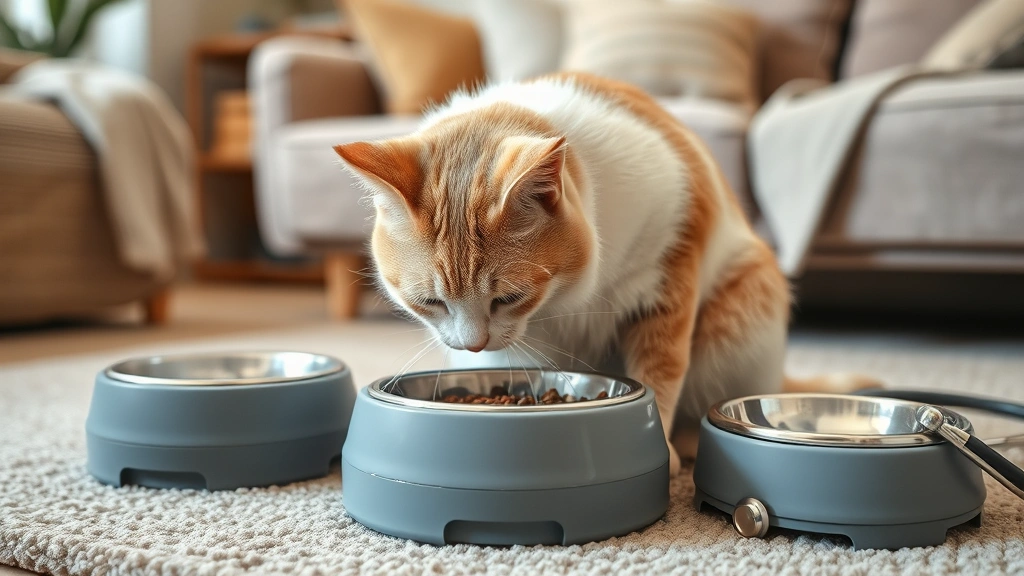
Composure Pro: Strong Support for Moderate to Severe Anxiety
Composure Pro is a veterinary-grade supplement designed for dogs and cats showing moderate to severe anxiety. Three key ingredients work together:
- Colostrum Calming Complex — bioactive peptides that may help reduce stress
- L-Theanine — supports calming neurotransmitters in the brain
- Thiamine (Vitamin B1) — supports nervous system function
This supplement may be worth considering for pets who pace, whine, or show aggression when food appears. It could be particularly helpful for animals with deep-seated anxiety from past experiences.
Most pet owners notice subtle calming within 30 to 60 minutes of the first dose. More noticeable improvements often appear after one to two weeks of consistent use. The goal is a relaxed but fully alert pet — not a drowsy one.
Side effects are generally mild. Some pets may experience minor digestive upset when first introduced, especially on an empty stomach. Speak with your vet about the right approach for your pet, including whether this supplement is appropriate and how to introduce it gradually.
Discontinue use and contact your vet if you notice unusual behavioural changes or any signs of an allergic reaction.
Solliquin: A Gentle Option for Broadly Anxious Pets
Solliquin combines several complementary ingredients that may help with mild to moderate feeding anxiety:
- L-Theanine — helps balance neurotransmitters
- Magnolia and Phellodendron extracts — may interact with calming receptors in the brain
- Whey Protein Concentrate — provides bioactive peptides similar to colostrum
This supplement may suit pets whose feeding tension is part of a broader pattern of anxiety. It could be a good fit for generally nervous pets who are reactive to multiple stressors throughout the day.
Species-specific formulations are available for both dogs and cats. Calming effects may become noticeable within a few days, with more consistent benefits appearing after two to four weeks.
Side effects are generally minimal. Some pets may experience mild digestive upset in the first few days. Do not combine Solliquin with sedatives or other anxiety medications without speaking to your vet first. Pregnant or nursing animals should only use this under direct veterinary supervision.
Zylkene: A Natural Approach Rooted in Comfort
Zylkene uses alpha-casozepine — a peptide derived from milk protein. This compound may interact with calming receptors in the brain without causing sedation or dependency.
The mechanism is thought to mimic the natural calm that nursing animals experience. This makes it potentially well-suited for situational feeding anxiety, especially when introducing new pets or settling in a rehomed animal.
Zylkene comes in capsules that can be opened and mixed into food. Your vet can advise on the right frequency and duration for your pet’s needs.
Some pet owners report their animals seem more confident and less reactive during feeding within the first week. The supplement is not intended to change your pet’s personality — it may simply take the edge off anxiety so better choices become possible.
Pets with known milk protein allergies should not use this supplement. Pets with liver or kidney conditions should only use it under veterinary supervision. No significant drug interactions have been widely reported, but always check with your vet before combining treatments.

Anxitane: Targeted Help for Pre-Mealtime Tension
Anxitane delivers concentrated L-Theanine — the amino acid found in green tea that may promote relaxation without causing drowsiness.
It works by supporting calming brain activity and may help balance neurotransmitters linked to anxiety and hypervigilance. This supplement could be especially useful for pets who become increasingly stressed as feeding time approaches — pacing, whining, or showing mounting tension before meals even begin.
Cats experiencing feeding anxiety may respond particularly well, though dogs can benefit too. Speak with your vet about the appropriate dose for your pet’s species and size — dosing varies and should be guided by a professional.
Many owners notice subtle changes within the first few days. Benefits may become more pronounced with consistent use over several weeks. Adverse reactions are generally rare and mild. Some sensitive pets may experience slight drowsiness initially, which often resolves as they adjust.
VetriScience Composure: Broad Support for Many Pet Types
VetriScience Composure combines Colostrum Calming Complex, L-Theanine, and Thiamine in a palatable chew format. Some formulations also include additional B vitamins to support overall neurological health.
This supplement may be a good fit for:
- High-energy dogs who struggle to settle at mealtimes
- Rescue animals showing generalised anxiety around food or resources
- Cats in multi-cat households experiencing ongoing low-level stress
- Senior pets whose anxiety has increased with age
Most pets accept the chews readily. For situational use, giving them around 30 minutes before mealtimes may help. For ongoing anxiety, your vet can advise on a consistent daily routine.
Real-world data suggests a meaningful proportion of pets show noticeable improvement with consistent use. Many owners report their pets seem more able to learn and retain new feeding behaviours — suggesting the supplement may reduce anxiety enough to support positive change.
Avoid use in pregnant or nursing animals without veterinary approval. Pets with pre-existing liver or kidney conditions should be monitored. Do not combine with sedative medications without professional guidance.
Purina Pro Plan Calming Care: Supporting Calm From the Inside Out
Purina Pro Plan Calming Care takes a different approach entirely. Rather than targeting brain chemistry directly, it works through the gut-brain connection.
It contains Bifidobacterium longum — a strain of beneficial bacteria that research suggests may positively influence emotional state and stress responses. According to studies published in Frontiers in Veterinary Science, a large proportion of the body’s serotonin is produced in the gastrointestinal tract. The vagus nerve links gut bacteria directly to brain function.
This means Calming Care may help with both the emotional and digestive sides of feeding stress at the same time. It works gradually — building lasting changes over several weeks rather than providing immediate relief.
The supplement comes as a flavorless powder mixed into food once daily. It is a practical option for pets who resist pills or chews. Allow at least six weeks before evaluating results.
Purina’s own clinical studies suggest dogs receiving this bacterial strain showed meaningful improvements in anxiety-related behaviours compared to control groups. Pet owners often describe the changes as subtle at first, becoming more apparent over time.
Pets with severe digestive disorders or compromised immune systems should consult a vet before starting any probiotic. Otherwise, this supplement has a strong safety profile with very few reported side effects beyond mild digestive adjustment in the first few days.
ThunderWunders: A Gentle, Natural Starting Point
ThunderWunders Calming Chews use plant-based ingredients to support emotional balance. Key ingredients include:
- Thiamine and L-Tryptophan — support neurotransmitter production
- Chamomile and Passionflower — traditionally used for their calming properties
- Ginger Root — may help settle stress-related digestive discomfort
- Valerian Root (in some formulations) — for more pronounced calming; versions without it are available for sensitive pets
These chews may be a good starting point when feeding tension is mild to moderate. They could also be helpful during transitions — introducing a new pet, moving home, or adjusting feeding routines.
Speak with your vet about the right dose and frequency for your pet’s size and needs. Giving chews around 30 to 60 minutes before stressful mealtimes is a common approach.
Many pet owners appreciate the natural ingredient list and report their pets seem more relaxed without appearing drowsy. Long-term users sometimes find they can gradually reduce how often they use the supplement as their pets build more positive associations with mealtimes.
For pets with severe anxiety, this gentler formulation may not provide enough support on its own. Your vet can help you decide whether a stronger option or additional support is needed.
What To Do Right Now: 5 Practical Steps
If you are concerned about your pet’s mealtime behaviour, here are five concrete steps you can take today:
- Write down exactly what you are seeing. Note the specific behaviours, which pets are involved, and what time of day they occur. This information will be invaluable for your vet.
- Record when the behaviour started and whether anything changed around that time. A new pet, a move, or a schedule change can all be triggers worth mentioning.
- Separate feeding stations immediately if there is any risk of injury. Feed pets in different rooms or at different times to reduce direct competition while you seek guidance.
- Contact your vet to describe what you have observed. Share your written notes. If you are unsure whether your pet needs urgent care, a quick telehealth check-in can give you peace of mind — no appointment needed.
- Do not introduce any supplement without veterinary input. Ask your vet which option, if any, is appropriate for your pet’s age, weight, health history, and current medications.
You Can Make Mealtimes Calmer — Here Is the Key Takeaway
Mealtime tension in multi-pet homes is common, and there are real options that may help. The seven supplements covered here — from Composure Pro’s veterinary-grade formula to ThunderWunders’ plant-based approach — each offer a different way to support your pet’s emotional wellbeing.
No supplement works in isolation. Combine any calming support with practical changes like separate feeding stations, consistent meal schedules, and positive reinforcement training. The aim is not to mask the problem — it is to reduce anxiety enough that your pets can learn calmer, healthier habits.
Start by honestly assessing your situation. How severe is the tension? What seems to trigger it? Has training made any difference? Your vet is the best person to help you choose the right path forward.
With patience and the right support, peaceful mealtimes are genuinely achievable. Your pets deserve to eat without fear — and you deserve a calmer home.
Frequently Asked Questions
How long do calming supplements take to work?
Most supplements may show initial effects within a few hours to a few days. More consistent benefits often appear after one to two weeks of regular use. Probiotic-based approaches like Calming Care may take at least six weeks to produce noticeable results.
Can I use more than one calming supplement at the same time?
Some supplements can be used together safely, particularly when they work through different mechanisms. However, always consult your vet before combining products. Mixing calming supplements without guidance could lead to unintended effects.
Are these supplements safe for long-term use?
Most of the supplements discussed here have good safety profiles for ongoing use. That said, regular veterinary check-ups are important to make sure your pet continues to benefit and remains in good health.
Will these supplements make my pet drowsy or change their personality?
Quality calming supplements are generally designed to reduce anxiety without causing sedation. Your pet should seem more relaxed but still alert and engaged — not dull or altered. If you notice significant drowsiness, contact your vet.
What if supplements do not seem to help?
If over-the-counter supplements have not made a meaningful difference after consistent use, speak with your vet. Some pets may benefit from prescription support or a more tailored behavioural plan. If you are unsure whether your pet needs urgent care, a quick telehealth check-in can give you peace of mind — no appointment needed.
This article is for general education and is not a substitute for care from your own veterinarian. Learn about The Pet Vet and our editorial policy.