
Overview
This guide addresses the challenges of administering medications to pets that eat outdoors, emphasizing that proper medication timing is critical for treatment effectiveness and can be achieved through consistent routines and practical strategies. The article provides actionable advice for pet owners managing barn cats, working dogs, or outdoor-feeding pets, covering topics from building feeding schedules and understanding medication types to tracking progress and ensuring safety.
Table of Contents
- Why Medication Timing Matters for Your Pet
- Building a Reliable Feeding Routine
- Understanding Different Medication Types
- Managing Multiple Pets and Their Medications
- Weather and Environmental Concerns
- Practical Solutions That Actually Work
- Troubleshooting Common Problems
- Tracking Progress and Staying Organized
- Safety First: Protecting Your Pets and Others
- What To Do Right Now
- Conclusion
- Frequently Asked Questions
If your pet needs regular medication and eats outdoors, you may already know how stressful it can be to keep everything on track. Whether you care for barn cats, working dogs, or pets who simply prefer eating outside, getting medication timing right really does matter — and it is completely understandable to feel unsure about where to start.
This article is for informational purposes only and is not a substitute for professional veterinary advice. Always consult a licensed veterinarian for diagnosis and treatment.
The good news is that with a consistent routine and a few practical tools, you can help your pet get the most from their treatment while keeping their outdoor lifestyle intact. This guide walks you through everything you need to know.
Why Medication Timing Matters for Your Pet
When your vet prescribes medication with specific timing instructions, there is a real reason behind it. Timing affects how well the medication is absorbed — and whether it works at all.
Some medications work best when your pet has eaten. Food helps the body break down these drugs and absorb them properly. Without food, they may cause stomach upset or simply not work as well.
Other medications may need to be given on an empty stomach. Food can interfere with how certain active ingredients are absorbed. Your vet or the prescription label will tell you which applies to your pet.
According to the FDA’s guidance on pet medications, incorrect timing is one of the most common reasons treatments may not work as expected. Getting this right helps protect your pet and avoids wasted medication.
Building a Reliable Feeding Routine
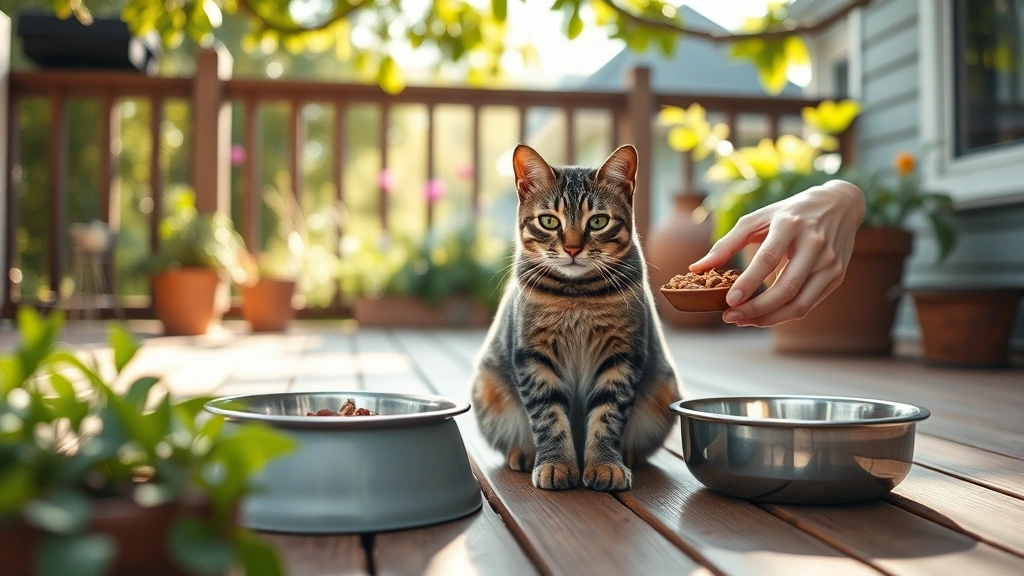
Consistency is the foundation of successful outdoor medication management. Your pet’s body adapts to regular meal times, which makes medication absorption more predictable.
Choose feeding times you can realistically stick to every day of the week. Most pets do well with two meals spaced roughly twelve hours apart. Try to feed within a thirty-minute window each time for the best results.
Seasonal changes may require small adjustments. In summer, earlier morning and later evening feeds avoid the hottest part of the day. In winter, feeding during daylight hours helps you monitor your pet safely. Make any timing changes gradually over one to two weeks.
Here are simple ways to stay consistent:
- Set phone alarms for each feeding time, including a five-minute advance reminder
- Use a smart home device for audio reminders across your property
- Post a feeding schedule somewhere visible, like the fridge or a barn door
- Pre-sort medication doses the night before to save time in the morning
- Brief a trusted backup person on your pet’s full schedule
Weather will sometimes disrupt your plans. If location needs to change — for example, moving indoors during a storm — keep the timing the same even if the setting shifts.
For more helpful guidance on managing your pet’s health routines, check out our comprehensive pet care resources.
Understanding Different Medication Types
Not all medications follow the same rules. Knowing which category your pet’s medication falls into helps you give it correctly.
Medications that work best with food:
- Anti-inflammatory medications — food may help protect the stomach lining
- Many antibiotics — often better tolerated alongside a meal
- Corticosteroids — may cause stomach upset if given without food
Medications that may need an empty stomach:
- Certain thyroid medications — food could interfere with absorption
- Some antibiotics — your vet will specify if this applies
Time-sensitive medications:
- Some antibiotics need to be given at evenly spaced intervals to stay effective
- Seizure medications may need precise timing — alarms are essential here
More flexible medications:
- Monthly preventatives and some supplements offer more scheduling flexibility
- Even so, a routine helps prevent missed doses
Always read the prescription label carefully. If anything is unclear, call your vet before you start — it only takes a moment and could make a real difference.
Managing Multiple Pets and Their Medications
Caring for several outdoor pets with different medication needs can feel like a lot to manage. A little organisation goes a long way.
Start with a master schedule. List each pet’s name, their medication, and when it needs to be given. Colour-coding by pet makes it easy to check at a glance.
Physical separation during feeding is often necessary. It helps ensure each pet eats their own food — and only their own. A medication safe for one pet could be harmful to another, so this is not just about organisation. It is a genuine safety issue.
Helpful separation strategies include:
- Portable exercise pens to create temporary individual feeding zones
- Feeding pets in shifts, one at a time, when medications are involved
- Baby gates or barriers to divide outdoor feeding areas
- Waiting until each pet finishes before allowing them to interact
- Direct supervision during all medicated feeding times
For additional guidance on managing complex pet care situations, visit our pet health pages.
Weather and Environmental Concerns
Outdoor medication management comes with environmental challenges that indoor pet owners rarely face. Temperature and moisture can both affect how well medications work.
Most medications should be stored at a stable room temperature. Heat can degrade active ingredients. Freezing temperatures can alter liquid formulations. Never store medications in outdoor sheds, garages, or vehicles where temperatures fluctuate.
Keep medications indoors and only bring individual doses outside when needed. Use insulated bags to protect pills or liquids from temperature changes. Waterproof containers prevent moisture damage from rain or humidity.
Extreme weather may also affect your pet’s appetite. In a heatwave, pets may eat less during the hottest hours. In cold weather, they may be reluctant to eat outdoors at all. Adjust feeding times for comfort while keeping the overall timing as consistent as possible.
Fresh water is especially important for pets on medication. Some medications may increase thirst. Check and refill outdoor water bowls at least twice daily — more often during temperature extremes.
The American Veterinary Medical Association notes that proper storage and administration conditions are just as important as giving the right medication.
Practical Solutions That Actually Work
The right tools make a real difference. Here is what tends to work well in everyday situations.
Medication organisers: Weekly pill organisers with separate morning and evening compartments help prevent missed or doubled doses. Choose waterproof versions for outdoor use. Some are colour-coded for multiple pets.
Protected feeding areas: A covered patio, roof eave, or purpose-built feeding station protects food and medication from rain and direct sun. Elevated platforms keep bowls away from ground moisture.
Technology: Pet medication reminder apps let you log each dose with a tap and track multiple pets. Smart home assistants can provide voice reminders at feeding times.
Useful tools to consider:
- Waterproof pill organisers with daily compartments
- Insulated bags for transporting doses outdoors
- Covered feeding stations for weather protection
- Smartphone apps with medication tracking and reminder features
- Automatic feeders with separate compartments, where appropriate
Always have a backup plan. Write down your pet’s full medication schedule and share it with a trusted neighbour or family member who can step in if you are unexpectedly delayed.
Troubleshooting Common Problems
Even the best routines hit bumps. Knowing how to handle common problems helps you stay calm and keep your pet on track.
If you miss a dose: For most medications, give the dose as soon as you remember — if it is still well before the next scheduled time. If the next dose is coming up soon, skip the missed one and carry on as normal. Never give two doses at once without speaking to your vet first.
For medications that require very precise timing — such as those for seizures or heart conditions — contact your vet promptly for guidance. It is always better to ask.
If your pet refuses medicated food: Some pets, especially cats, can detect medication by smell or taste. Try hiding the medication in a small amount of a high-value food like soft cheese or a commercial pill pocket. Check with your vet before crushing any tablets, as some should not be altered.
If your pet’s appetite changes: A reduced appetite could be a sign of illness, a medication side effect, or something else worth investigating. If your pet is eating less than usual, contact your vet — do not wait and hope it resolves on its own.
Contact your vet promptly if you notice any of the following after giving medication:
- Vomiting or diarrhoea
- Facial swelling or difficulty breathing
- Sudden behaviour changes or unusual lethargy
- Loss of coordination or seizures
- Consistent refusal to eat for more than 24 hours
It is completely normal to feel worried when something seems off. Reaching out to your vet early is always the right call — catching a problem quickly puts you in the best position to help your pet.
If you are unsure whether your pet needs urgent care, a quick telehealth check-in can give you peace of mind — no appointment needed.
For more pet health topics and guidance, explore our comprehensive category listings.
Tracking Progress and Staying Organized
Keeping simple records of your pet’s medication helps you spot patterns, notice side effects early, and share useful information with your vet.
A basic notebook kept near your medication storage works well. Note the date, time, pet’s name, medication given, and any observations about eating or behaviour. Pre-printed log templates with tick boxes make this even quicker.
Watch for changes in:
- Energy levels and general behaviour
- Appetite and water intake
- Urination and bowel movements
- The symptoms the medication is meant to treat — are they improving?
Photos can be helpful too, especially for visible conditions like skin issues or wounds. They give your vet a clear picture of how things are progressing over time.
Digital apps offer automatic reminders and easy sharing with your vet. Paper logs are simple and reliable. Many pet owners find a combination of both works best.
Be honest with your vet if you are struggling with the schedule. If doses are occasionally missed or timing is difficult, your vet needs to know. They may be able to suggest a more convenient formulation or adjusted schedule — but only if they know what is happening at home.
Safety First: Protecting Your Pets and Others
Outdoor medication management comes with safety responsibilities that go beyond your own pet.
Keep medications away from wildlife: Raccoons, birds, and other animals are often drawn to outdoor feeding areas. A medication that is safe for your dog could be seriously harmful to a wild animal. Supervise feeding times and remove bowls as soon as your pet finishes.
Protect children: Store all medications in locked, childproof containers indoors. Teach children never to touch pet medications and to tell an adult if they find any pills or containers outside.
Dispose of medications safely: Do not throw old or unused medications in outdoor bins where animals could access them. Do not flush them down the drain. Use a pharmacy or veterinary clinic take-back programme where possible. If none is available, mix medications with an unpalatable substance like used coffee grounds and seal in a container before placing in the bin.
Key safety habits to build into your routine:
- Store all medications indoors in a locked, climate-controlled location
- Supervise all outdoor feeding and medication times
- Remove food bowls immediately after your pet finishes eating
- Use childproof and pet-proof containers for any temporary outdoor storage
- Dispose of expired or unused medications through a take-back programme
- Keep your vet’s emergency contact number somewhere easy to find
What To Do Right Now
If you are feeling overwhelmed, start here. These five steps will help you get organised quickly and give your pet the best chance of a successful treatment.
- Write down your pet’s current medications and the exact timing your vet has recommended. Include whether each one needs food or an empty stomach.
- Set phone alarms for every dose time today — including a five-minute advance reminder so you are never caught off guard.
- Check where you are currently storing medications and move them indoors to a cool, stable location if they are not already there.
- Note any symptoms or changes in your pet’s behaviour you have noticed recently, along with when they started. This information is valuable for your vet.
- Identify one person who can be your backup and share your pet’s medication schedule with them in writing.
Conclusion
Managing outdoor feeding schedules alongside regular medication does take planning — but it is very manageable once you have a system in place.
The most important things to focus on are consistent timing, understanding whether your pet’s medication needs food or an empty stomach, protecting medications from the elements, and keeping simple records of how your pet is responding.
When challenges come up — and they will — having a backup plan and knowing when to call your vet makes all the difference. You are already doing the right thing by learning as much as you can. That matters for your pet’s health.
If you are unsure whether your pet needs urgent care, a quick telehealth check-in can give you peace of mind — no appointment needed.
Frequently Asked Questions
What should I do if my pet won’t eat medicated food outdoors?
Try bringing your pet indoors for medication feeding times to reduce distractions. You can also try hiding the medication in a small amount of a high-value food like soft cheese or a commercial pill pocket. Check with your vet before crushing any tablets.
Can I give all my pet’s medications at the same time as their outdoor meal?
Not always. Some medications may work best with food, while others may need to be given separately. Follow your vet’s specific instructions for each medication, and call them if anything is unclear.
How do I protect medications from extreme temperatures outdoors?
Store all medications indoors in a stable, climate-controlled location. Only bring individual doses outside when you are ready to give them. Use an insulated bag if you need to prepare doses in a warm or cold environment.
What if I miss a dose of my pet’s medication?
For most medications, give the dose as soon as you remember — if the next scheduled dose is still some time away. If it is nearly time for the next dose, skip the missed one and carry on as normal. Never give two doses at once. For medications that require very precise timing, contact your vet for guidance.
How can I stop other animals from eating my pet’s medicated food outdoors?
Supervise all feeding times and remove bowls as soon as your pet finishes. Covered feeding stations with pet-specific entry points can help exclude wildlife. For pets on medication, bringing them indoors to eat is often the most reliable option.
This article is for general education and is not a substitute for care from your own veterinarian. Learn about The Pet Vet and our editorial policy.