
Overview
Many common human foods—including chocolate, grapes, onions, garlic, xylitol, and alcohol—are toxic to dogs because they process these substances differently than humans do, often causing serious health complications or even death. Awareness of these dangerous foods and quick action when exposure occurs are essential tools for protecting your dog’s health and preventing emergency situations.
Table of Contents
- What You Need to Know About Human Foods and Dogs
- Chocolate: Why It’s So Dangerous for Dogs
- Grapes and Raisins: Small Foods, Serious Risk
- Onions and Garlic: Hidden in More Foods Than You Think
- Xylitol: The Sweetener That Can Be Deadly for Dogs
- Avocado: Not a Safe Snack for Your Dog
- Alcohol: Always Dangerous, Even in Small Amounts
- Coffee and Caffeine: Far More Than Just Jitters
- Macadamia Nuts: A Nut to Keep Away from Dogs
- Raw Yeast Dough: A Double Danger
- Cooked Bones: More Dangerous Than Most People Realise
- Salt and Salty Snacks: Too Much Can Be Toxic
- Fatty and Fried Foods: A Common Cause of Serious Illness
- Nutmeg: A Hidden Hazard in Holiday Baking
- Fruit Pits and Seeds: A Surprising Risk
- Mouldy or Spoiled Food: Why the Bin Is a Danger Zone
- What to Do Right Now If You’re Worried
- Keeping Your Dog Safe: Simple Steps That Make a Difference
- Frequently Asked Questions
What You Need to Know About Human Foods and Dogs
If your dog has just eaten something they shouldn’t have — or you’re trying to stay one step ahead — you’re in the right place. Many everyday human foods are completely safe for us but can be genuinely harmful to dogs. Knowing which ones to avoid could make a real difference to your pet’s health.
This article is for informational purposes only and is not a substitute for professional veterinary advice. Always consult a licensed veterinarian for diagnosis and treatment.
Dogs process food differently to humans. Something your body handles easily may overwhelm your dog’s system. Some reactions happen quickly, while others build up over several days — which can make it hard to connect symptoms to what your dog ate.
The good news is that awareness is your best tool. Understanding the risks means you can act quickly and confidently if something goes wrong.
Chocolate: Why It’s So Dangerous for Dogs
Most people know chocolate is bad for dogs — but many underestimate just how serious it can be. Chocolate contains two compounds, theobromine and caffeine, that dogs break down very slowly. These substances build up in your dog’s system and can affect the heart, nervous system, and kidneys.
Not all chocolate carries the same level of risk:
- Dark chocolate and baking chocolate are the most dangerous
- Milk chocolate is less concentrated but still harmful
- White chocolate contains very little theobromine but is still not safe
- The darker and more bitter the chocolate, the greater the risk
Symptoms may appear within 6 to 12 hours. Watch for:
- Vomiting and diarrhoea
- Excessive thirst or restlessness
- Panting or rapid breathing
- Tremors or seizures in more serious cases
If your dog has eaten chocolate, contact your vet straight away. Try to note the type of chocolate, how much was eaten, and when. Early action makes a real difference to the outcome.
Grapes and Raisins: Small Foods, Serious Risk
Grapes and raisins can cause sudden kidney problems in dogs — and the exact reason why is still not fully understood. What makes this especially concerning is that there is no known safe amount. Even a small number could be a problem for some dogs.
Symptoms may appear within 12 to 24 hours and can include:
- Vomiting and diarrhoea
- Lethargy and loss of appetite
- Abdominal discomfort
- Reduced or no urination as things progress
Some dogs seem unaffected by small amounts, while others become very unwell. This unpredictability means any exposure should be treated as potentially serious.
Grapes and raisins also hide in foods you might not expect:
- Trail mix and granola
- Fruit salads and baked goods
- Certain fruit juices and snack bars
It is completely normal to feel alarmed if your dog has eaten grapes or raisins — acting quickly and calling your vet is exactly the right thing to do.
Onions and Garlic: Hidden in More Foods Than You Think
Onions, garlic, leeks, chives, and shallots all belong to the same plant family. They all contain compounds that may damage your dog’s red blood cells over time, which can lead to a form of anaemia. This means the body struggles to carry enough oxygen around.
What makes this tricky is that all forms can be a problem:
- Raw, cooked, powdered, or dried versions
- Onion and garlic powder in seasonings and sauces
- Broths, gravies, and even some baby foods
The effects can build up gradually. Your dog might eat small amounts across several days before showing any signs. Symptoms to watch for include:
- Weakness or lethargy
- Pale or yellowish gums
- Rapid breathing
- Vomiting or diarrhoea
- Discoloured urine (orange to dark red)
When checking food labels, look out for onion powder, garlic powder, onion salt, garlic salt, and any dried allium ingredients.
Xylitol: The Sweetener That Can Be Deadly for Dogs
Xylitol is a sugar substitute found in many everyday products. It is safe for humans but can be extremely harmful to dogs. When a dog eats xylitol, it may trigger a rapid drop in blood sugar. This can happen within an hour of eating it.
Beyond low blood sugar, xylitol may also affect the liver. Liver problems can develop within one to three days and can be very serious even when the initial blood sugar issue has been managed.
Xylitol appears in more places than most people realise:
- Sugar-free gum and mints
- Some peanut butter brands
- Sugar-free baked goods and sweets
- Toothpaste and mouthwash
- Chewable vitamins and some medications
Always read ingredient labels carefully, and store these products well out of your dog’s reach. According to the FDA, the number of xylitol-containing products continues to grow.
If you think your dog may have eaten something containing xylitol, contact your vet immediately — do not wait for symptoms to appear.
Avocado: Not a Safe Snack for Your Dog
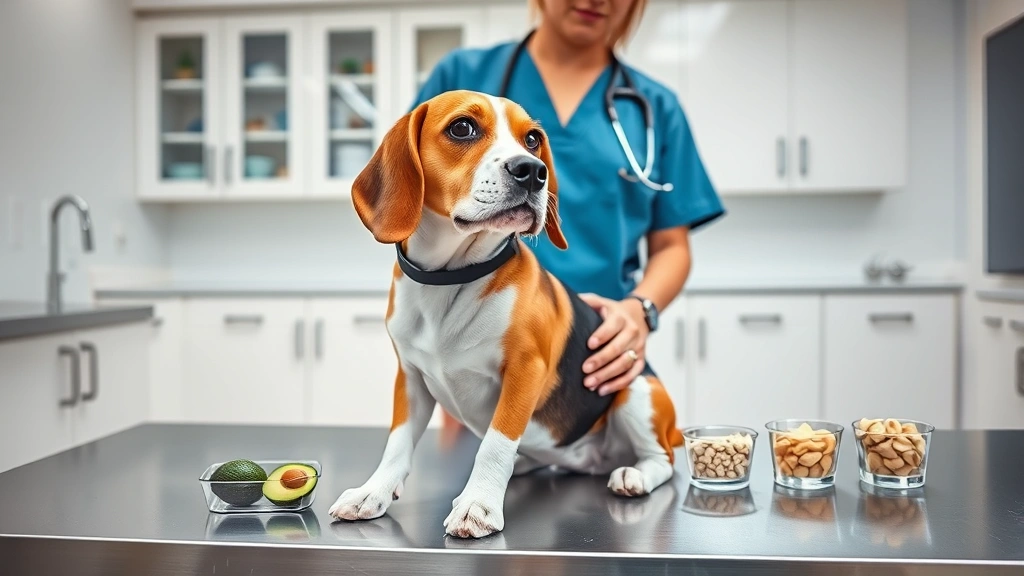
Avocados contain a substance called persin, found in the leaves, skin, fruit, and seed. While harmless to humans, persin may cause vomiting and diarrhoea in dogs. The highest concentrations are in the leaves and bark, but the flesh should also be avoided.
How severely a dog reacts can vary. Some dogs seem to tolerate small amounts, while others become quite unwell. Because of this uncertainty, it is safest to keep avocado away from your dog entirely.
The pit is a separate concern. It is a choking hazard and could cause a blockage in the digestive tract if swallowed — a situation that may need urgent veterinary attention.
Alcohol: Always Dangerous, Even in Small Amounts
Dogs are attracted to the smell of sweet or fermented drinks and may drink alcohol if given the chance. Even a small amount can affect them much more severely than it would a human. Dogs are smaller and do not process alcohol efficiently.
Signs that a dog may have consumed alcohol include:
- Vomiting and disorientation
- Difficulty walking or standing
- Tremors or slow breathing
- In serious cases, loss of consciousness
Alcohol exposure is not limited to drinks. Raw bread dough produces alcohol as yeast ferments in your dog’s stomach. Fermenting fruit, some mouthwashes, and certain medications may also contain alcohol.
If your dog shows any of these signs after possible alcohol exposure, treat it as an emergency and contact your vet straight away.
Coffee and Caffeine: Far More Than Just Jitters
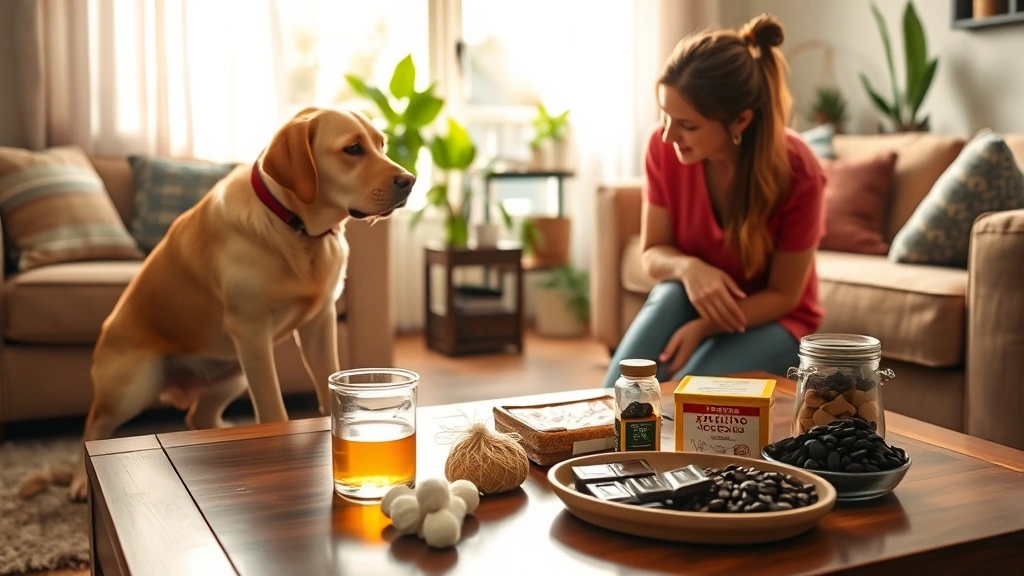
Caffeine overstimulates a dog’s nervous system and heart in a way that is very different from the mild boost humans experience. It is found in more products than most people realise:
- Coffee and tea (including used grounds and tea bags)
- Energy drinks and some soft drinks
- Chocolate
- Some pain relievers and cold medicines
Symptoms may appear within one to two hours and can include:
- Hyperactivity or restlessness
- Vomiting and elevated heart rate
- Tremors or seizures in more serious cases
- Collapse in severe situations
If your dog has eaten or drunk something caffeinated, contact your vet promptly. The sooner you act, the better the outcome is likely to be.
Macadamia Nuts: A Nut to Keep Away from Dogs
Macadamia nuts are known to be toxic to dogs, though the exact compound responsible has not yet been identified. Symptoms typically appear within 12 hours of eating them.
Signs your dog may have eaten macadamia nuts include:
- Weakness, especially in the back legs
- Wobbling or difficulty standing
- Vomiting and tremors
- Fever and apparent joint discomfort
The reassuring news is that most dogs recover fully within 48 hours with supportive veterinary care. That said, the symptoms can be distressing to witness, and your dog will need to be seen by a vet to recover safely.
Other nuts are not necessarily toxic in the same way, but many are high in fat and could contribute to pancreatitis. Walnuts, pecans, and almonds can also be choking hazards or cause digestive blockages.
Raw Yeast Dough: A Double Danger
Raw bread dough poses two separate risks. First, the warm environment inside your dog’s stomach causes the dough to keep rising. This can lead to painful bloating and, in serious cases, the stomach may twist — a life-threatening emergency.
Second, as the yeast ferments, it produces alcohol. Your dog could face both alcohol poisoning and severe bloating from a single exposure.
Symptoms develop quickly and may include:
- A visibly swollen abdomen
- Repeated attempts to vomit without bringing anything up
- Restlessness and weakness
- Signs of disorientation from alcohol production
Do not wait for symptoms to develop. If your dog has eaten raw dough, call your vet immediately.
Cooked Bones: More Dangerous Than Most People Realise
It is a common belief that bones are a natural treat for dogs. In reality, cooking changes the structure of bone, making it brittle. Cooked bones can splinter into sharp fragments that may cause serious internal injuries.
Risks from cooked bones include:
- Cuts or punctures to the mouth, throat, or digestive tract
- Internal bleeding or infection from punctures
- Blockages that may require surgery
Cooked poultry bones — chicken and turkey in particular — are especially prone to splintering. All cooked bones carry similar risks and are best avoided entirely.
If you want to give your dog something to chew, ask your vet about safer alternatives. Raw bones (large enough that they cannot be swallowed whole) or vet-approved chew toys are generally better options.
Salt and Salty Snacks: Too Much Can Be Toxic
Dogs need far less sodium than humans. A salty snack that simply makes you thirsty could make your dog genuinely unwell. Too much salt can disrupt the balance of electrolytes in your dog’s body and affect neurological function.
Common sources of excess salt include:
- Crisps, pretzels, and salted nuts
- Processed meats and fast food
- Homemade play dough (a surprisingly common culprit)
Symptoms of too much salt include:
- Vomiting and diarrhoea
- Excessive thirst and urination
- Lethargy and loss of appetite
- Tremors or seizures in severe cases
Because commercial dog food already provides the sodium your dog needs, there is no reason to supplement with salty human foods.
Fatty and Fried Foods: A Common Cause of Serious Illness
Sharing fatty meat trimmings or fried leftovers might seem like a kind gesture, but high-fat foods are a well-known trigger for pancreatitis in dogs. Pancreatitis is a painful inflammation of the pancreas that can range from mild to life-threatening.
According to the American Kennel Club, fatty meals are one of the most common triggers for this condition. Signs that your dog may be experiencing pancreatitis include:
- Vomiting and loss of appetite
- Abdominal pain, often causing a hunched posture
- Lethargy and fever
- Diarrhoea
Severe cases may need hospitalisation. Some dogs go on to develop a chronic form of the condition, which requires long-term dietary management.
Beyond pancreatitis, a diet regularly high in fat contributes to obesity, which can lead to joint problems, diabetes, and heart disease. Bacon fat, meat trimmings, fried foods, and greasy leftovers are all best kept away from your dog.
Nutmeg: A Hidden Hazard in Holiday Baking
Nutmeg is a common ingredient in holiday recipes, but it contains a compound called myristicin that may cause neurological symptoms in dogs when eaten in significant amounts.
Symptoms can include:
- Disorientation and agitation
- Elevated heart rate
- Abdominal discomfort
- Seizures in more serious cases
A tiny amount in a single biscuit is unlikely to cause harm, but larger quantities — such as those found in baking supplies or essential oils — could be dangerous. Be especially careful during the festive season when nutmeg-containing foods are more likely to be within reach.
Foods that commonly contain nutmeg include pumpkin pie, spice cakes, eggnog, chai tea, and various baked goods.
Fruit Pits and Seeds: A Surprising Risk
Many fruits are perfectly safe for dogs, but certain parts can be harmful. Apple seeds and the pits of stone fruits — such as cherries, peaches, plums, and apricots — contain compounds that can release cyanide when chewed or digested.
Beyond the chemical risk, large pits are also a choking hazard and could cause a digestive blockage if swallowed.
Signs that may suggest cyanide exposure include:
- Difficulty breathing
- Bright red gums
- Dilated pupils
- Collapse
You can still offer your dog fruit safely — just prepare it carefully first:
- Remove all seeds, pits, and cores before offering any fruit
- Cut fruit into appropriately sized pieces to prevent choking
- Safe options include seedless watermelon, blueberries, strawberries, banana slices, and apple pieces with seeds and core removed
Mouldy or Spoiled Food: Why the Bin Is a Danger Zone
Dogs are natural scavengers and will often investigate the bin or compost heap given the chance. Unfortunately, mouldy or spoiled food can contain mycotoxins — substances produced by certain moulds that affect the nervous system.
Foods most likely to carry these toxins include mouldy bread, cheese, pasta, nuts, and compost materials.
Symptoms may appear within one to four hours and can include:
- Tremors and seizures
- Elevated body temperature
- Weakness and disorientation
This is a situation that needs prompt veterinary attention. To prevent it from happening:
- Use a bin with a secure, dog-proof lid
- Keep compost bins in areas your dog cannot reach
- Clean up dropped food promptly
- Never intentionally feed your dog food that is past its best
What to Do Right Now If You’re Worried
If you think your dog has eaten something harmful, it is completely normal to feel anxious. Acting quickly and calmly gives your dog the best chance of a good outcome. Here are five practical steps to take right now:
- Write down exactly what your dog ate, how much, and when. This information is essential for your vet and will help them assess the level of risk quickly.
- Check the packaging or ingredient list of anything your dog may have eaten, and take a photo of it if you can.
- Do not try to make your dog vomit at home unless your vet specifically instructs you to. In some situations, this can make things worse.
- Call your vet or an emergency animal helpline straight away. Save the ASPCA Animal Poison Control Center number (888-426-4435) in your phone for emergencies.
- Keep your dog calm and comfortable while you wait for advice. Note any symptoms you observe and when they started, so you can report them accurately.
If you are unsure whether your pet needs urgent care, a quick telehealth check-in can give you peace of mind — no appointment needed.
Keeping Your Dog Safe: Simple Steps That Make a Difference
Knowing which foods to avoid is one of the most practical things you can do for your dog’s long-term health. The core principle is straightforward: when in doubt, do not share. Your dog’s regular diet provides everything they need — human food treats are not necessary for their wellbeing.
A few simple habits can significantly reduce the risk:
- Set a household rule — no feeding the dog from the table, for anyone
- Store high-risk foods securely out of reach
- Be extra vigilant during holidays and gatherings when dangerous foods are more accessible
- Keep your vet’s number and the ASPCA Poison Control number saved and easy to find
If your dog does eat something concerning, contact your vet promptly rather than waiting to see what happens. Early action consistently leads to better outcomes. With the right knowledge and a few sensible precautions, you can keep your dog safe, healthy, and by your side for many years to come.
Frequently Asked Questions
What should I do if my dog eats chocolate?
Contact your vet or an emergency animal hospital straight away. Be ready to share the type of chocolate, the approximate amount eaten, and when it happened. Acting quickly gives your vet the best chance to help.
Are any human foods safe to share with my dog?
Yes, some human foods are safe in small amounts. Plain cooked chicken, carrots, blueberries, seedless watermelon, and plain cooked sweet potato are generally well tolerated. Always introduce new foods gradually and avoid anything seasoned, sweetened, or containing ingredients from this list.
How much xylitol is dangerous for dogs?
Even a small amount of xylitol may cause a dangerous drop in blood sugar in dogs. A single piece of sugar-free gum could contain enough to affect a small dog. If you suspect your dog has eaten anything containing xylitol, contact your vet immediately without waiting for symptoms.
Can a small amount of onion or garlic really hurt my dog?
It can, because the effects are cumulative. Small amounts eaten over several days may add up to a level that could damage red blood cells and lead to anaemia. Even seemingly minor exposures are worth taking seriously.
What are the signs my dog may have been poisoned?
Common signs include vomiting, diarrhoea, lethargy, loss of appetite, excessive drooling, tremors, seizures, difficulty breathing, and unusual behaviour. If you notice any of these symptoms — or you suspect your dog has eaten something harmful — contact your vet straight away.
This article is for general education and is not a substitute for care from your own veterinarian. Learn about The Pet Vet and our editorial policy.