
If your dog has been diagnosed with hypoalbuminemia in dogs, you’re probably feeling worried and overwhelmed—but you’re not alone, and there are real, effective ways to help your pup feel better. Low albumin levels can sneak up on pet parents because the early signs are often subtle: maybe your dog seems a bit less energetic, or you’ve noticed some puffiness around their belly or legs.
Table of Contents
- What Is Hypoalbuminemia and Why Should You Care?
- Understanding the Root Causes Behind Low Albumin
- Treatment Option 1: High-Quality Protein Diet
- Treatment Option 2: Addressing Underlying Kidney or Liver Disease
- Treatment Option 3: Managing Fluid Buildup and Ascites
- Treatment Option 4: Digestive Support and Enzyme Supplementation
- Treatment Option 5: Plasma or Albumin Transfusions
- Treatment Option 6: Anti-Inflammatory and Immune Support
- Treatment Option 7: Regular Monitoring and Follow-Up Care
- Dietary Adjustments: What to Avoid
- When to Seek Urgent Care
- Summary: Your Action Plan for Hypoalbuminemia Recovery
- Frequently Asked Questions
- What To Do Now
This article is for informational purposes only and is not a substitute for professional veterinary advice. Always consult a licensed veterinarian for diagnosis and treatment.
Albumin is one of the most important proteins in your dog’s blood, responsible for maintaining fluid balance, transporting nutrients, and fighting infection. When levels drop, it creates a domino effect throughout their body. The good news? With the right approach and early intervention, many dogs respond beautifully to treatment. Let’s walk through what hypoalbuminemia really means and the seven proven strategies that can help your dog bounce back.
What Is Hypoalbuminemia and Why Should You Care?
Hypoalbuminemia simply means your dog’s blood albumin levels have fallen below the normal range (typically 2.5–3.5 g/dL). Think of albumin as a workhorse protein—it keeps fluid inside blood vessels where it belongs, carries vitamins and hormones throughout the body, and maintains that healthy, balanced state we want for our pets.
When albumin drops, fluid starts leaking into tissues, causing swelling (edema) and sometimes fluid buildup in the abdomen (ascites). This isn’t just uncomfortable; it can affect your dog’s heart, kidneys, and immune system. Catching this early puts you in a great position to help.
Understanding the Root Causes Behind Low Albumin
Hypoalbuminemia doesn’t appear out of nowhere—it’s always a sign that something else is going on. The most common culprits include liver disease, kidney disease (which leads to protein loss in urine), severe malnutrition, digestive disorders that prevent nutrient absorption, and chronic inflammation or infection.
Your vet will run bloodwork and possibly ultrasound to pinpoint the underlying cause, because treating the root problem is just as important as addressing the low albumin itself. Understanding what’s driving the low levels helps you and your vet create a targeted treatment plan.
Treatment Option 1: High-Quality Protein Diet
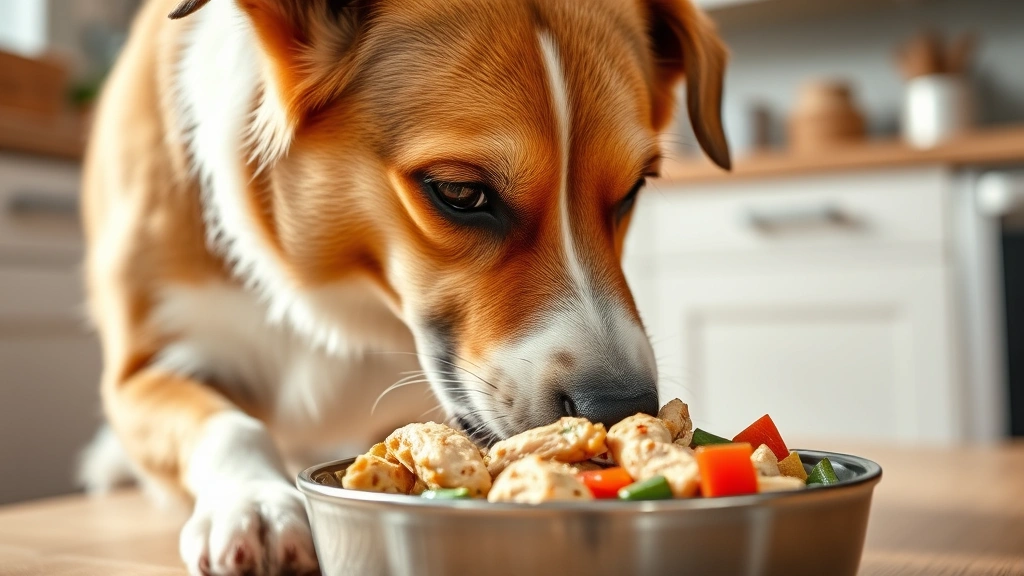
The foundation of recovery starts with nutrition. Your dog needs easily digestible, high-quality protein to rebuild albumin and other plasma proteins. This doesn’t mean just feeding more food—it means feeding better food.
Work with your vet to choose a diet rich in animal-based proteins (chicken, fish, beef, eggs) rather than plant-based sources, which are harder for compromised dogs to absorb. Some vets recommend low-fat dog recipes if liver issues are involved, or homemade renal diet options if kidney disease is the underlying cause. Protein quality matters more than quantity in these cases.
Treatment Option 2: Addressing Underlying Kidney or Liver Disease
If renal failure in dogs or liver disease is causing the protein loss or poor albumin production, treating that condition becomes your top priority. Kidney disease management often involves controlled protein, phosphorus, and sodium intake, while liver support focuses on reducing inflammation and improving function.
Your vet may recommend specific therapeutic diets, supplements like milk thistle or SAM-e for liver support, or medications to manage blood pressure and fluid balance. These targeted interventions help slow disease progression and give your dog’s body a chance to stabilize albumin levels naturally.
Treatment Option 3: Managing Fluid Buildup and Ascites
When hypoalbuminemia causes ascites in dogs (fluid in the belly), your vet may recommend diuretics to help the body shed excess fluid more efficiently. Sodium restriction is also crucial—less salt means less fluid retention, which takes pressure off an already struggling system.
Some dogs benefit from gentle abdominal drainage if the fluid buildup becomes severe and uncomfortable, though this is temporary relief while the underlying cause is being addressed. Your vet will monitor your dog’s weight and comfort level closely to adjust these interventions as needed.
Treatment Option 4: Digestive Support and Enzyme Supplementation
If your dog’s hypoalbuminemia stems from malabsorption—meaning their gut isn’t properly absorbing nutrients—digestive enzymes can be a game-changer. These supplements help break down food into absorbable components, maximizing the nutrition your dog gets from every bite.
Probiotics are another helpful addition, as they support healthy gut flora and improve overall digestive function. Many vets also recommend feeding smaller, more frequent meals to reduce the digestive burden on a compromised system. These changes can make a noticeable difference in how quickly albumin levels rebound.
Treatment Option 5: Plasma or Albumin Transfusions
In severe cases or when albumin levels are dangerously low, your vet may recommend fresh frozen plasma (FFP) or albumin transfusions to provide immediate protein support while the body rebuilds its own reserves. This is typically a short-term intervention used in hospitalized dogs or those with acute, life-threatening hypoalbuminemia.
These transfusions give your dog’s system breathing room to heal and respond to other treatments. They’re not a permanent fix, but they can be lifesaving during critical phases of illness. Catching this early means you may never need this intervention.
Treatment Option 6: Anti-Inflammatory and Immune Support
Chronic inflammation drives albumin loss and prevents new albumin production. Omega-3 fatty acids, antioxidants like vitamin E, and other anti-inflammatory supplements can help calm the immune system and protect remaining protein levels.
Your vet might also recommend specific medications or supplements to support immune function and reduce systemic inflammation. These work best as part of a comprehensive plan rather than standalone treatments, but they’re an important piece of the puzzle for long-term recovery.
Treatment Option 7: Regular Monitoring and Follow-Up Care
Once treatment begins, consistent monitoring is essential. Your vet will recheck bloodwork at regular intervals—usually every 2–4 weeks initially—to track albumin levels and adjust the treatment plan as needed.
This ongoing communication helps catch complications early and celebrate wins as albumin levels climb back to normal. Many dogs show improvement within 4–8 weeks of starting the right treatment, though some take longer depending on the underlying cause. Staying the course and keeping those vet appointments makes all the difference.
Dietary Adjustments: What to Avoid
While you’re working to boost protein intake, it’s equally important to know what to steer clear of. Foods dogs should avoid when dealing with hypoalbuminemia include high-fat treats, excessive salt, and foods that tax the liver or kidneys unnecessarily.
Avoid sudden diet changes, which can upset a sensitive digestive system. Always transition to new foods slowly over 7–10 days, mixing in increasing amounts of the new diet while phasing out the old. Your vet can provide a specific list of safe and beneficial foods tailored to your dog’s condition.

When to Seek Urgent Care
Most cases of hypoalbuminemia develop gradually, but watch for red flags that need immediate attention: severe swelling or difficulty breathing, collapse or extreme lethargy, vomiting or inability to eat, or sudden worsening of existing symptoms. If you are unsure whether your pet needs urgent care, a quick telehealth check-in can give you peace of mind—no appointment needed.
Don’t wait if your gut tells you something is seriously wrong. Early intervention in acute situations can prevent complications and improve outcomes dramatically.
Summary: Your Action Plan for Hypoalbuminemia Recovery
Hypoalbuminemia in dogs is serious, but it’s absolutely manageable with the right approach. The key is addressing the underlying cause, optimizing nutrition, managing fluid buildup, and staying consistent with treatment and monitoring. Most dogs show meaningful improvement within weeks to months when treated properly.
Your role as a pet parent is to stay informed, follow your vet’s recommendations closely, and advocate for your dog’s needs. Recovery is possible, and many dogs go on to live happy, comfortable lives after treatment.
Frequently Asked Questions
Can hypoalbuminemia in dogs be cured?
It depends on the underlying cause. If caught early and the root problem (like kidney or liver disease) can be managed, albumin levels often return to normal. Some chronic conditions require ongoing management, but many dogs achieve stable, healthy levels with proper treatment.
How long does it take to see improvement?
Most dogs begin showing improvement within 4–8 weeks of starting appropriate treatment, though some take longer. Regular bloodwork helps track progress and guides adjustments to the treatment plan.
Is hypoalbuminemia life-threatening?
Severely low albumin can be serious and requires prompt treatment, but it’s not a death sentence. Early detection and proper management give your dog an excellent chance at recovery and a good quality of life.
Do all dogs with low albumin need transfusions?
No. Most dogs respond well to dietary changes, treatment of the underlying condition, and supportive care. Transfusions are reserved for severe cases or acute situations where immediate protein support is critical.
Can I treat hypoalbuminemia at home?
You can support treatment at home through proper nutrition, medication administration, and monitoring, but hypoalbuminemia requires veterinary diagnosis and guidance. Never attempt to treat it without professional input, as the underlying cause must be identified and addressed.
What To Do Now
- Schedule a vet appointment or telehealth consultation if your dog hasn’t been diagnosed yet. Describe any symptoms like swelling, lethargy, or changes in appetite so your vet can run appropriate tests.
- Request bloodwork and urinalysis to confirm albumin levels and identify the underlying cause—kidney disease, liver issues, malabsorption, or something else.
- Discuss dietary changes with your vet and ask for specific food recommendations or recipes tailored to your dog’s condition and any underlying diseases.
- Set up a monitoring schedule with your vet for follow-up bloodwork, typically every 2–4 weeks initially, to track progress and adjust treatment as needed.
- Keep detailed notes on your dog’s appetite, energy level, swelling, and any other symptoms to share with your vet at each visit—this helps them fine-tune treatment and catch changes early.
This article is for general education and is not a substitute for care from your own veterinarian. Learn about The Pet Vet and our editorial policy.