
Overview
A food trial is a controlled 8-12 week elimination diet where dogs eat only novel or hydrolyzed proteins to identify whether food sensitivities or intolerances are causing chronic issues like itching, ear infections, or digestive problems. This diagnostic approach requires strict consistency and careful tracking, but can be life-changing for dogs suffering from diet-related symptoms by helping owners pinpoint and eliminate problematic ingredients.
Table of Contents
- What Is a Food Trial and Why Does Your Dog Need One?
- How to Prepare for Your Dog’s Food Trial
- How to Create a Daily Food Trial Feeding Schedule
- What Your Dog Can and Cannot Eat During the Trial
- How to Track Progress and Spot Improvements
- Common Challenges and How to Handle Them
- What to Do Right Now
- What Happens After the Food Trial?
- Special Considerations for Different Dogs
- Conclusion
If your dog has been scratching constantly, getting repeated ear infections, or struggling with ongoing tummy troubles, you are not alone — and you are right to look for answers. Your vet may have recommended a food trial, which is one of the most effective ways to find out whether your dog’s diet could be contributing to these symptoms.
This article is for informational purposes only and is not a substitute for professional veterinary advice. Always consult a licensed veterinarian for diagnosis and treatment.
A food trial feeding schedule is a controlled elimination diet. It typically runs for 8 to 12 weeks and requires strict consistency. It takes patience, but many pet owners find it genuinely life-changing for their dog.
This guide walks you through everything you need to know to do it well.
What Is a Food Trial and Why Does Your Dog Need One?
A food trial is a diagnostic approach where your dog eats only one carefully chosen protein and carbohydrate source — ideally ingredients they have never eaten before. Sometimes a hydrolyzed protein diet is used instead. These diets contain proteins broken into very small fragments that are less likely to trigger a reaction.
The goal is straightforward: remove all possible dietary triggers and give your dog’s body time to settle. If symptoms improve, food may have been playing a role.
There are two main types of reactions a food trial can help identify:
- Food sensitivity: The immune system may be reacting to certain proteins, leading to skin irritation, itching, or digestive upset
- Food intolerance: The digestive system may struggle to process certain ingredients, causing gas, loose stools, or discomfort
Common signs that your dog could benefit from a food trial include:
- Chronic scratching, especially around the face, paws, ears, and belly
- Recurring ear infections that keep coming back despite treatment
- Red, irritated skin or hot spots
- Excessive paw licking or chewing
- Ongoing vomiting or loose stools
- A dull coat despite regular grooming
It is completely normal to feel worried when your dog is uncomfortable. Recognising these signs early and taking action puts you in a great position to help them feel better.
According to research published in BMC Veterinary Research, food-related reactions may account for around 10 to 15% of allergic skin conditions in dogs. The trial runs for 8 to 12 weeks because the body needs time to clear out any lingering reactions before results can be assessed accurately.
How to Prepare for Your Dog’s Food Trial
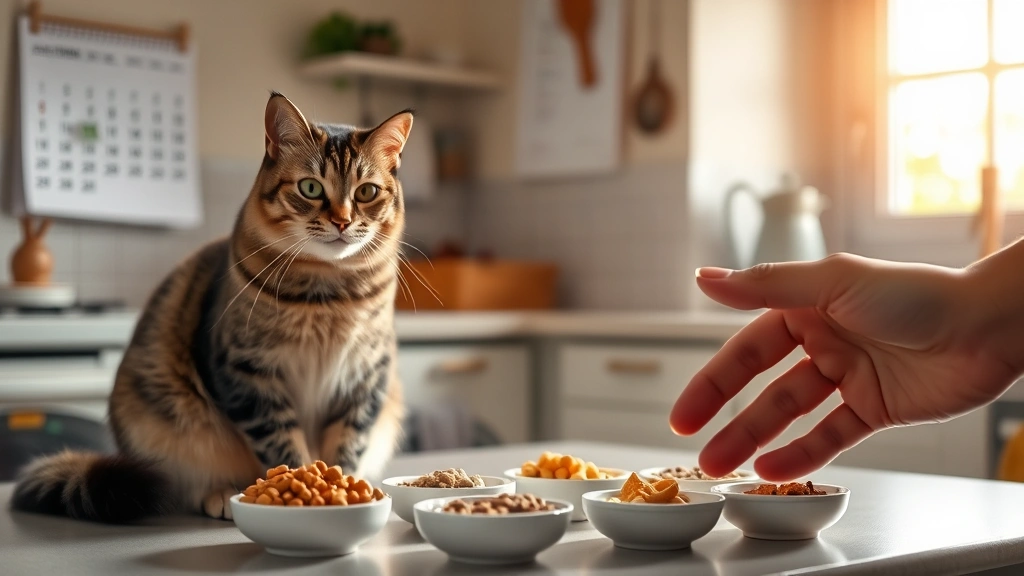
Before starting, your vet will carry out a thorough check-up. This helps rule out other possible causes of your dog’s symptoms, such as parasites, skin infections, or hormonal issues that can look similar to food reactions.
Your vet will also review your dog’s full diet history. This helps identify which proteins and carbohydrates your dog has already been exposed to, so a truly new ingredient can be chosen.
There are two main diet options your vet may recommend:
- Novel protein diet: Features a protein your dog has never eaten before, such as venison, rabbit, duck, or kangaroo, paired with an unfamiliar carbohydrate like sweet potato or peas
- Hydrolyzed diet: Contains proteins broken into tiny fragments that are less likely to cause a reaction
Reading ingredient labels carefully is essential. Many commercial foods contain hidden proteins in flavorings, vitamin premixes, or vague terms like “meat meal.” Look for single-source proteins and avoid anything with unclear labeling.
Before the trial begins, prepare your home:
- Remove other pet foods from areas your dog can reach
- Thoroughly clean food bowls
- Vacuum areas where food may have been dropped
- Secure rubbish bins
Getting everyone in the household on board is just as important. Even a single treat or table scrap can set the trial back significantly. Consider holding a quick family conversation to explain why strict consistency matters, and designate one person as the main feeder if possible.
How to Create a Daily Food Trial Feeding Schedule
A consistent routine makes the trial easier to manage and helps you spot any changes in your dog’s symptoms. Most adult dogs do well with two meals a day, fed at the same times each day.
Portion control matters during the trial. Start with the feeding guidelines on your chosen diet, then adjust based on your dog’s size, activity level, and body condition. Your vet can help calculate the right amount.
A few key habits to follow:
- Use a measuring cup or kitchen scale — do not estimate portions
- Record exact amounts in a food diary each day
- Avoid free feeding, as it makes monitoring harder and increases contamination risk
- Remove the bowl after 20 minutes if your dog has not eaten
Here is a simple sample schedule for adult dogs:
- 7:00 AM — First meal (half the daily portion)
- 6:00 PM — Second meal (remaining half)
- Fresh water available at all times
Consistent timing helps you observe digestive responses and symptom patterns more clearly. It also gives your dog a reassuring sense of routine during the transition.
What Your Dog Can and Cannot Eat During the Trial
The most important rule of any food trial is this: your dog eats only the approved trial diet — nothing else. That means no treats, table scraps, dental chews, rawhides, or flavored supplements unless your vet has specifically approved them.
This can feel difficult, especially when your dog gives you those hopeful eyes at dinnertime. But even a small amount of the wrong ingredient could trigger a reaction and set the trial back by weeks.
Watch out for hidden protein sources that are easy to overlook:
- Flavored heartworm or flea and tick preventatives
- Vitamin supplements with meat flavoring
- Flavored pet toothpaste
- Topical ear or skin treatments your dog might lick
If your dog needs medication during the trial, ask your vet about unflavored options. Some compounding pharmacies can prepare medications without added flavorings. You can also use small portions of the trial diet itself as a pill pocket.
If you have other pets at home, feed them separately. Use different rooms, pick up bowls straight after meals, and wash your hands before handling your trial dog’s food.
You can find more helpful guidance on managing your dog’s health at our comprehensive resource center.
How to Track Progress and Spot Improvements

Keeping a detailed daily record is one of the most useful things you can do during the trial. A dedicated notebook or smartphone app works well. Record the following each day:
- Exact food type and amount at each meal
- Any symptoms noticed, and what time they occurred
- Stool quality and frequency
- Energy levels and general mood
- Any accidental exposures to other foods
Take weekly photos of any visible symptoms such as skin redness, hair loss, or irritation. Use consistent lighting and angles, and date every image. Gradual improvements can be hard to notice day to day — photos make them visible.
Weigh your dog weekly at roughly the same time of day. Note any significant changes and mention them to your vet at check-ins.
Here is a general guide to what you might expect over the course of the trial:
Weeks 1 to 2: Your dog adjusts to the new diet. Some temporary digestive changes are normal. A slight dip in appetite is common but should be mentioned to your vet if it continues.
Weeks 3 to 5: Keep recording carefully even if you do not see big changes yet. Any dietary slip-ups during this phase can reset progress.
Weeks 6 to 8: Many dogs begin to show noticeable improvement if food may have been a contributing factor. You might notice less scratching, calmer skin, or improved digestion. Some dogs need the full 12 weeks, so keep going.
Weeks 9 to 12: By this stage, meaningful improvement should be visible if your dog is likely to respond to dietary change. Your vet will help you review the results and plan next steps.
For additional information on managing your dog’s symptoms, visit our detailed health guides.
Common Challenges and How to Handle Them
Even with the best preparation, you will likely hit some bumps along the way. Here are the most common ones and how to manage them.
Your dog refuses the new food. Try gently warming the food to bring out the aroma. You can also mix in a small amount of low-sodium broth made from the same novel protein. Most dogs will eat when genuinely hungry. If your dog refuses food for more than 24 hours, contact your vet.
Family members want to give treats. Explain that the restriction is temporary and that the goal is to help your dog feel much better. Use small portions of the trial diet as training rewards instead. Extra playtime and cuddles can also help redirect the urge to treat.
An accidental exposure happens. Do not panic. Write down exactly what was eaten and how much. Watch for any symptom changes over the next few days and let your vet know. Depending on what was consumed, you may need to extend the trial slightly.
Children find it hard to stick to the rules. Use age-appropriate explanations — for example, comparing it to a friend who cannot eat certain foods due to allergies. Involve children in preparing meals so they feel part of the process rather than restricted by it.
The American Kennel Club also offers helpful resources on managing food sensitivities in dogs.
What to Do Right Now
If you are reading this because your dog is currently showing symptoms, here are five practical steps you can take today:
- Write down your dog’s symptoms and when they started. Note which areas of the body are affected, how often symptoms occur, and whether anything seems to make them better or worse.
- List every food, treat, supplement, and flavored medication your dog currently receives. Include brand names and flavors where possible. This will be essential information for your vet.
- Book a vet appointment and bring your notes. Ask specifically about whether a food trial is appropriate for your dog’s situation.
- Check your home for potential contamination risks. Look at where other pet foods are stored, whether bins are accessible, and whether family members regularly give your dog extras.
- Take photos of any visible symptoms today. Good lighting, clear angles, and today’s date. These will serve as your baseline for tracking improvement.
If you are unsure whether your pet needs urgent care, a quick telehealth check-in can give you peace of mind — no appointment needed.
What Happens After the Food Trial?
Once the trial period ends, schedule a follow-up appointment with your vet. You will review your food diary together, compare symptoms from the start to now, and look at your photos side by side.
If symptoms improved significantly, food may have been a meaningful contributor to your dog’s discomfort. Your vet will likely recommend one of the following:
- Continuing the trial diet as your dog’s regular food
- Gradually reintroducing ingredients one at a time to identify specific triggers
When reintroducing ingredients, introduce only one new item at a time. Feed it for around two weeks while watching for any return of symptoms. If no reaction occurs, that ingredient is likely safe. If symptoms return, you have identified something worth avoiding long term.
If no improvement occurred despite strict compliance, food may be less likely to be the primary cause. Your vet will explore other possibilities such as environmental triggers, hormonal factors, or other underlying conditions.
For more information on long-term dietary management, explore our nutrition category.
Special Considerations for Different Dogs
Puppies have higher nutritional needs than adult dogs, so any trial diet must still support healthy growth. Work closely with your vet to choose an appropriate option and monitor your puppy’s development carefully throughout.
Senior dogs may face additional challenges. Older dogs can have established eating habits that are harder to shift, and they may have other health conditions that affect which diets are suitable. Your vet may suggest a modified approach that takes these factors into account.
Dogs with multiple health conditions need an individually tailored plan. For example, a dog with both a suspected food sensitivity and kidney disease needs a diet that addresses both concerns. A veterinary nutritionist can be a valuable resource in these cases.
If boarding or travel is unavoidable during the trial, plan ahead. Choose a facility willing to follow your protocol strictly, provide pre-portioned meals in labelled containers, and supply clear written instructions for staff.
Cost is a real consideration. Prescription or specialty trial diets can be more expensive than standard pet food. However, identifying and removing a dietary trigger may reduce ongoing vet visits and symptom management costs over time.
Conclusion
A food trial feeding schedule is a meaningful commitment — but it is one of the most targeted ways to find out whether diet could be behind your dog’s ongoing discomfort.
The restrictions are temporary. The potential benefits are lasting. Many owners describe their dogs as seeming like completely different animals after successfully identifying and removing a problematic ingredient.
Stay consistent, keep detailed records, and lean on your vet team throughout the process. You are doing something genuinely caring for your dog, and that matters.
With the right preparation and support, you have everything you need to see this through — and to give your dog a real chance at feeling comfortable in their own skin.
Frequently Asked Questions
How long does a food trial feeding schedule need to last?
A food trial typically runs for 8 to 12 weeks. The full duration is important because the body needs time to clear any lingering reactions before results can be assessed accurately. Some dogs may show improvement earlier, but completing the full period gives the clearest picture.
Can I give my dog any treats during a food trial?
No treats, table scraps, or flavored medications should be given during the trial unless your vet has specifically approved them. Even a small amount of an unapproved ingredient could trigger a reaction and may require the trial to be extended or restarted.
What should I do if my dog accidentally eats something during the trial?
Write down exactly what was consumed and how much. Watch for any symptom changes over the following days and let your vet know as soon as possible. Depending on what was eaten, you may need to extend the trial slightly.
How do I know if the food trial is working?
Many dogs begin to show improvement between weeks four and eight if food may be a contributing factor. Digestive symptoms often settle before skin symptoms do. Keeping detailed records and weekly photos makes it much easier to spot gradual changes that might otherwise go unnoticed.
What happens after a successful food trial?
If symptoms improved significantly, your vet will help you decide whether to continue the trial diet long term or begin reintroducing ingredients one at a time to identify specific triggers. Either way, you will have a much clearer picture of what works best for your dog.
This article is for general education and is not a substitute for care from your own veterinarian. Learn about The Pet Vet and our editorial policy.