
Overview
This guide explains how meal timing and frequency significantly impact your pet’s energy levels, digestion, and medication effectiveness across different life stages. By understanding your pet’s nutritional needs from puppyhood through their senior years and adjusting feeding schedules accordingly, you can optimize their health and well-being with simple, practical changes.
Table of Contents
- Understanding Your Pet’s Life Stages
- Feeding Puppies and Kittens: The Foundation Years
- Adolescent Pets: Transitioning to Adult Schedules
- Adult Pet Feeding: Building a Routine That Works
- Senior Pets: Caring for Your Pet in Their Golden Years
- Timing Medications with Meals
- Special Medical Conditions and Feeding
- How to Keep Feeding Schedules Consistent
- Signs Your Feeding Schedule May Need to Change
- What to Do Right Now
- Common Feeding Mistakes to Avoid
- Conclusion
- Frequently Asked Questions
If you have ever wondered whether you are feeding your pet at the right times — or worried that their schedule might be affecting their health — you are not alone. How often you feed your dog or cat matters more than most people realise. Meal timing and frequency can affect energy levels, digestion, and even how well medications work.
This article is for informational purposes only and is not a substitute for professional veterinary advice. Always consult a licensed veterinarian for diagnosis and treatment.
The good news is that with a few simple adjustments, most pet owners can get this right. This guide walks you through what to feed, when, and why — at every stage of your pet’s life.
Understanding Your Pet’s Life Stages
Dogs and cats move through distinct life stages. Each stage brings different nutritional needs and energy demands. Knowing which stage your pet is in helps you make smarter decisions about feeding.
Here is a quick overview of typical life stages:
- Puppies and kittens: Birth to around 12 months (up to 18 months for large dog breeds). Rapid growth means high nutritional needs.
- Adolescent pets: Roughly 1 to 2 years. Nearly full-grown but still very active and developing.
- Adult pets: Around 2 to 7 years for dogs; 2 to 11 years for cats. Nutritional needs are more stable during this phase.
- Senior pets: From around 7 to 8 years for dogs (earlier for larger breeds); around 11 years for cats. Metabolism slows and special nutritional needs may emerge.
A growing puppy may burn through calories far faster than a senior dog of the same breed. It is not just about how much they eat — it is about timing meals to keep energy and digestion steady throughout the day.
Feeding Puppies and Kittens: Getting the Early Months Right
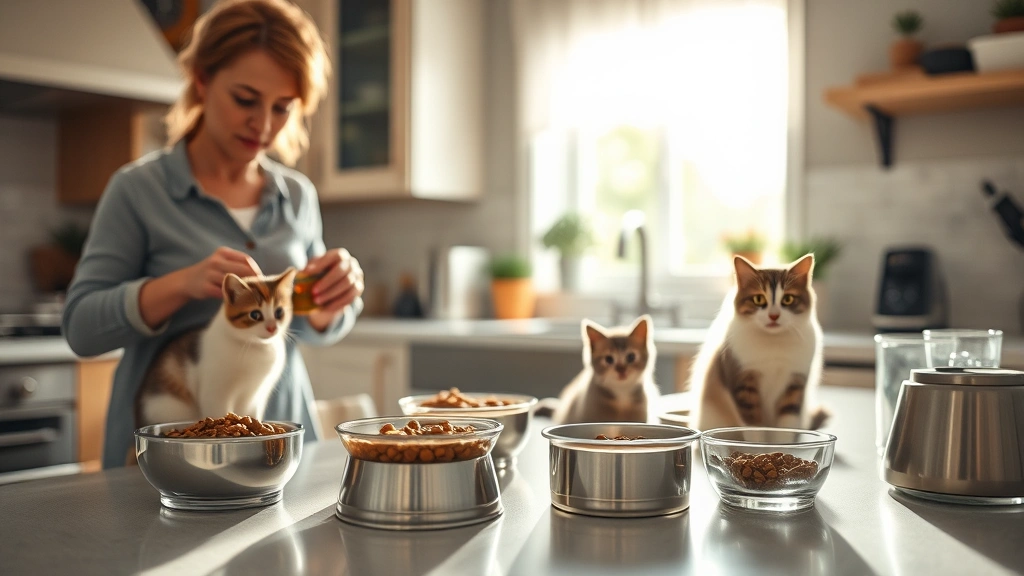
Young pets have tiny stomachs but enormous energy needs. Most veterinary nutritionists recommend feeding puppies and kittens three to four times daily until around six months of age.
Frequent meals help prevent dangerous drops in blood sugar that can happen when young animals go too long without eating. Signs of low blood sugar in young pets may include weakness, disorientation, or in severe cases, seizures. If you notice any of these, contact your vet straight away.
It is completely normal to feel worried when caring for a very young pet — catching any issues early puts you in a great position to help them thrive.
Small, frequent meals also prevent the digestive upset that can happen when a tiny stomach receives too much food at once. According to the American Veterinary Medical Association, puppies and kittens need specially formulated growth diets with the right balance of protein, fat, calcium, and phosphorus.
When it comes to medications, timing matters for young pets too. Many medications are better tolerated with food. Because young pets eat frequently, you will need to choose which meal pairs best with any once- or twice-daily prescriptions.
During weaning — typically between three and eight weeks — feeding frequency may increase to five or six times daily. This transitional period is generally not the easiest time to administer medications. If your young pet needs medication during this phase, speak with your vet about the safest approach.
You can find more guidance on early-life pet care in our comprehensive pet health resources.
Adolescent Pets: Moving to an Adult Schedule
Around six months, puppies and kittens can begin moving from three or four daily meals to two or three. This shift should happen gradually — not overnight.
A common approach is to slowly reduce the midday meal over one to two weeks. At the same time, slightly increase the morning and evening portions. This gives the digestive system time to adjust without causing hunger or stomach upset.
Most adolescent pets do well on twice-daily feeding. Very active or large-breed puppies may benefit from keeping three meals a little longer. The goal is to fuel their energy needs while building the routine they will carry into adulthood.
If your pet takes medication with the midday meal you are phasing out, talk to your vet. They can advise whether the medication should move to breakfast or dinner, or whether meal timing matters for that particular prescription.
This stage is also a good time to keep an eye on weight. Adolescent pets can gain weight quickly as their growth rate slows. Regular weight checks help you stay on top of portions and adjust as needed.
Adult Pet Feeding: Building a Routine That Works
Once your pet reaches adulthood, feeding tends to settle into a predictable pattern. The standard recommendation for adult dogs and cats is two meals per day, spaced roughly 8 to 12 hours apart.
Twice-daily feeding offers several benefits:
- Helps maintain more stable blood sugar throughout the day
- Reduces hunger and begging between meals
- Lowers the risk of digestive issues
- For large, deep-chested dogs, may reduce the risk of bloat — a serious condition worth discussing with your vet
Some adult pets with stable weight and no health concerns may do fine with once-daily feeding. However, this approach needs careful monitoring and is not right for every pet.
Several factors can influence the ideal feeding frequency for your individual pet:
- Size: Smaller dogs often benefit from more frequent meals due to faster metabolisms
- Activity level: Highly active dogs may do better with smaller, more frequent meals
- Breed: Some breeds have specific needs influenced by feeding practices
- Temperament: Some pets handle schedule changes more easily than others
For pets on regular medications, a twice-daily feeding schedule makes coordination straightforward. Many chronic medications are given once or twice daily. Pairing them with meals makes it easier to remember — and when appropriate, food can help improve absorption or reduce stomach irritation.
Our pet health category offers additional guidance on adult pet care and nutrition.
Senior Pets: Caring for Your Pet in Their Golden Years
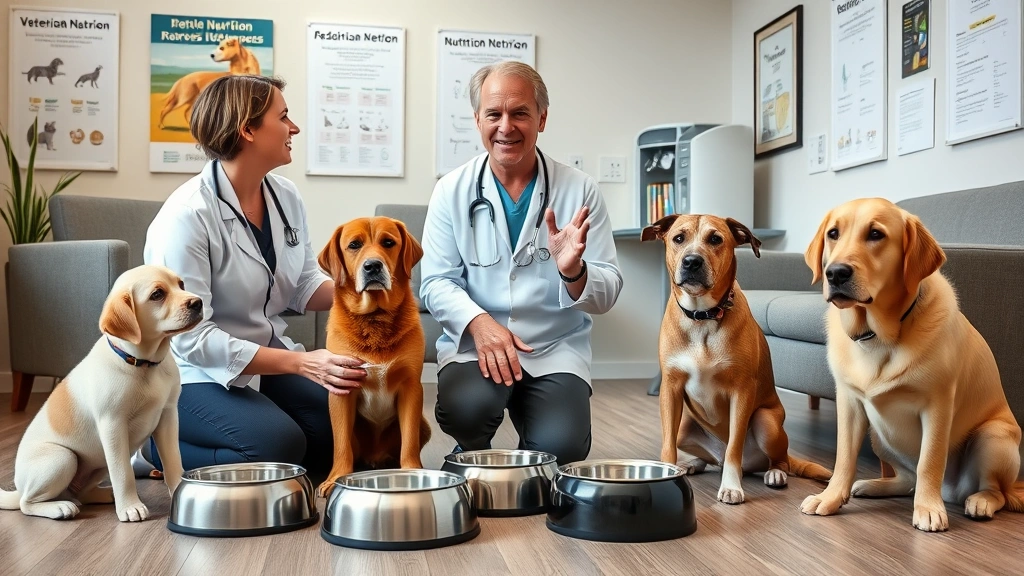
As pets get older, their digestive systems become less efficient. Metabolism slows, activity decreases, and maintaining muscle mass becomes harder. These changes mean that what worked at age three may not work at age ten.
For most senior pets, twice-daily feeding still works well. However, the type and amount of food often needs to change. Some older pets may do better with three or four smaller meals spread through the day.
Senior cats with declining kidney function, for example, may tolerate food better in smaller, more frequent portions. Spreading meals out can reduce the workload on the digestive system and improve comfort.
Managing medications becomes more complex in senior pets. It is common for older dogs and cats to take several different medications for age-related conditions. Some must be given with food, others on an empty stomach, and some need to be spaced apart from each other.
Creating a clear daily schedule that accounts for all of these requirements is essential — both for medication effectiveness and your pet’s comfort. A written chart or phone reminder system can make a real difference.
Appetite challenges are also more common with age. Dental disease, a reduced sense of smell, nausea from medications, or simply less interest in food can all play a role. Strategies that may help include:
- Warming food slightly to bring out the aroma
- Offering more palatable food formulations
- Serving smaller amounts more frequently
- Hand-feeding during periods of particularly poor appetite
Senior pets may also benefit from diets higher in easily digestible protein, lower in phosphorus for kidney support, or formulated to support joint health and cognitive function. Always coordinate any diet changes with your vet, especially if your pet is on medication.
How Meal Timing Affects Your Pet’s Medications
Not all medications interact with food in the same way. Giving a medication at the wrong time relative to a meal could reduce its effectiveness — or increase the chance of side effects.
Some medications work better when given with food. These include:
- Anti-inflammatory pain medications, which can irritate the stomach lining if given without food
- Certain antibiotics that cause less nausea when taken with a meal
- Fat-soluble vitamins and supplements that need food for proper absorption
Other medications may need to be given away from meals for best results. Thyroid medications for dogs, for example, are often recommended on an empty stomach. Some antibiotics may also be less effective if given alongside food. Always follow your vet’s specific instructions for each medication.
When your pet takes multiple medications, a little planning goes a long way. You might give some with breakfast, others with dinner, and some between meals. A written schedule helps ensure nothing is missed — and that each medication is given under the right conditions.
For pets who resist taking pills, hiding medication in a small amount of food can help. Peanut butter, cream cheese, or purpose-made pill pockets are popular options. Use just enough to conceal the pill — not a full meal — especially if the medication needs to be given between regular feeding times.
If your pet vomits shortly after receiving medication, contact your vet before giving another dose. They can advise you on the safest next step based on the timing and the specific medication involved.
Feeding Pets with Special Medical Conditions
Some health conditions require feeding schedules that differ from standard age-based recommendations. Here is what you should know about the most common ones.
Diabetes: Diabetic pets typically need to eat at consistent times each day in consistent amounts. This helps match the action of their insulin. Most diabetic pets are fed twice daily. Insulin is usually given after they have eaten — never before, to avoid the risk of a dangerous blood sugar drop. Always follow your vet’s specific guidance on this.
Kidney disease: Common in older cats and some dog breeds, kidney disease may mean your pet feels nauseous more easily. Smaller, more frequent meals are often better tolerated. Special kidney-support diets also need to be carefully coordinated with any prescribed medications or supplements.
Digestive conditions: Pets with conditions such as inflammatory bowel disease, pancreatitis, or food sensitivities may do best with frequent small meals of easily digestible food. During flare-ups, your vet may recommend increasing meal frequency temporarily to reduce strain on the digestive system.
Thyroid conditions: Cats with an overactive thyroid may have an increased appetite and could benefit from more frequent feeding opportunities. Dogs with an underactive thyroid tend toward weight gain and may need carefully portioned meals on a strict schedule. Thyroid medication for dogs is often given on an empty stomach, which adds another layer of timing to manage.
According to VCA Animal Hospitals, working with your vet to create a schedule that accounts for your pet’s condition, medication timing, and individual preferences is key to successful long-term care.
How to Keep Feeding Schedules Consistent
Consistency is one of the most important factors in managing your pet’s feeding and medication routine. Pets thrive on routine — their bodies actually begin to anticipate mealtimes, with digestion preparing in advance.
Here are practical ways to stay on track:
- Create a feeding and medication chart. A simple paper chart on the fridge works well. Note each meal time and which medications go with it. Colour-coding can make it easier to read at a glance.
- Use an automatic feeder. Programmable feeders can dispense set portions at set times — useful if your schedule varies or you are occasionally delayed.
- Set phone reminders. Pet care apps can send alerts for feeding and medication times. Many also let you log completed tasks, which is helpful in multi-person households.
- Coordinate with family members. Assign clear responsibility for specific feeding times. A visible check-off system prevents double-feeding or missed doses.
- Plan ahead for travel or shift changes. If your schedule changes, shift your pet’s feeding times gradually — by around 15 to 30 minutes per day — to avoid sudden disruption.
For additional resources on maintaining your pet’s health routines, visit our complete pet care guide collection.
Signs Your Feeding Schedule May Need to Change
Even a well-planned schedule may need adjusting over time. Here are the key signs to watch for:
- Weight changes: Gradual weight gain could suggest portions are too large or meals too frequent. Weight loss may mean the opposite — or could be a sign of an underlying health issue worth investigating.
- Behavioural changes around mealtimes: A pet who seems frantic or distressed before meals may be genuinely hungry. A pet who shows little interest in food may be getting too many treats between meals.
- Digestive issues: Vomiting between meals could suggest the gap between feedings is too long. Vomiting or loose stools shortly after eating may suggest portions are too large or meals too infrequent.
- Medication-related concerns: If your pet consistently seems unwell after receiving medication, the timing relative to meals may need adjusting. Speak to your vet before making any changes.
Regular weight checks — ideally monthly for adult pets, and more frequently for puppies, kittens, and seniors — help you catch changes early. Many vet clinics welcome drop-in weight checks at no charge.
If you are unsure whether your pet needs urgent care, a quick telehealth check-in can give you peace of mind — no appointment needed.
What to Do Right Now
If you are concerned about your pet’s feeding schedule or how it interacts with their medications, here are five practical steps you can take today:
- Write down your pet’s current feeding times and portion sizes, including any treats given between meals. Note how long ago you established this routine.
- List all medications your pet currently takes, including whether each one is given with food, without food, or at a specific time of day. Check the label or call your vet if you are unsure.
- Note any symptoms or changes you have noticed, such as weight changes, vomiting, changes in appetite, or unusual behaviour around mealtimes — and record when they started.
- Check whether your pet’s life stage has changed recently. If your puppy is approaching six months, or your adult dog is entering their senior years, their feeding schedule may need a review.
- Book a check-in with your vet to review your pet’s current schedule. Bring your notes. If an in-person visit is not possible right away, a telehealth consultation can be a helpful first step.
Common Feeding Mistakes — and How to Avoid Them
Even the most caring pet owners can fall into habits that work against their pet’s health. Here are the most common pitfalls to be aware of:
- Free feeding (leaving food out all day): This makes portion control very difficult and can lead to weight gain. It also makes it nearly impossible to coordinate medication timing with meals effectively.
- Inconsistent timing: Feeding at very different times each day prevents your pet’s body from establishing healthy rhythms. Aim for consistency most of the time, even if life occasionally gets in the way.
- Too many treats between meals: Treats should make up no more than around 10 percent of your pet’s daily calories. Excessive treats can reduce interest in regular meals and interfere with medication absorption.
- Skipping meals when giving medication: Unless your vet has specifically told you to withhold food, skipping entire meals is not recommended. Medications that need an empty stomach should be given between meals — not in place of them.
- Not adjusting as your pet ages: The schedule that worked for your two-year-old dog will likely not suit them at twelve. Revisit feeding frequency and timing regularly as your pet moves through life stages.
Conclusion: Small Changes, Big Difference
Getting feeding frequency right is one of the most practical things you can do for your pet’s health. Young pets need frequent small meals to support growth and steady energy. Adult pets thrive on a consistent twice-daily routine. Senior pets often benefit from modified schedules that account for slower digestion and more complex medication needs.
Meal timing and medication management are closely linked. Understanding how food affects your pet’s medications — and building a clear daily routine — can make a real difference to how well treatments work and how comfortable your pet feels.
Every pet is different. These guidelines offer a solid starting point, but the best schedule for your pet should be shaped in partnership with a vet who knows their full health history. Stay alert to changes, revisit the schedule as your pet ages, and do not hesitate to ask for help when you need it.
Frequently Asked Questions
How many times a day should I feed my puppy?
Puppies under six months old generally do well with three to four meals daily. This supports rapid growth and helps keep blood sugar stable. After six months, most puppies can move to two to three meals per day.
Can I feed my adult dog once a day instead of twice?
Some adult dogs may manage fine with once-daily feeding, but twice-daily meals are generally recommended. Splitting meals helps maintain steadier energy levels and may reduce the risk of digestive issues. Your vet can advise what suits your specific dog.
Should I give my pet’s medication with food or on an empty stomach?
This depends on the specific medication. Some work best alongside food; others may need to be given away from meals. Always follow your vet’s instructions for each individual prescription.
How do I know if I’m feeding my senior pet often enough?
Watch for signs such as weight loss, lower energy, increased interest in food between meals, or digestive upset. Senior pets with a reduced appetite may do better with smaller, more frequent meals. A vet check can help you find the right balance.
What should I do if my diabetic pet refuses to eat before their insulin is due?
Do not give insulin to a diabetic pet that has not eaten — this could cause a dangerous drop in blood sugar. Contact your vet promptly for guidance on what to do next. This is a situation where a quick telehealth check-in can also be very helpful.