
Overview
Pets often stop eating when moved to new environments due to stress-induced biological responses that suppress their appetite, not pickiness or stubbornness. Veterinarians can prescribe various medications including appetite stimulants, anti-nausea drugs, and anti-anxiety treatments to help pets maintain nutrition while they adjust to their new surroundings.
Table of Contents
- Why Pets Stop Eating in New Places
- When to See Your Veterinarian
- What You Can Do Right Now
- Mirtazapine: A Mood-Boosting Appetite Stimulant
- Maropitant (Cerenia): Helping With Nausea
- Capromorelin: Supporting the Hunger Signal
- Gabapentin: Calming Anxiety to Help Your Pet Eat
- Trazodone: Gentle Anxiety Relief
- Ondansetron (Zofran): Anti-Nausea Support
- Cyproheptadine: An Antihistamine That Boosts Appetite
- Conclusion
If your dog or cat has stopped eating after a move or change of environment, you are not alone — and your concern is completely valid. Stress can shut down a pet’s appetite quickly, and it can feel frightening to watch them turn away from food. The good news is that there are several medications your vet may consider to help your pet eat again while they adjust.
This article is for informational purposes only and is not a substitute for professional veterinary advice. Always consult a licensed veterinarian for diagnosis and treatment.
When animals encounter new surroundings — a boarding facility, a vacation rental, or a new home — their bodies may respond with stress hormones that suppress hunger. Some pets settle within hours. Others may need days or even weeks. For pets who are really struggling, medication can provide important support to keep them nourished during the transition.
Why Pets Stop Eating in New Places
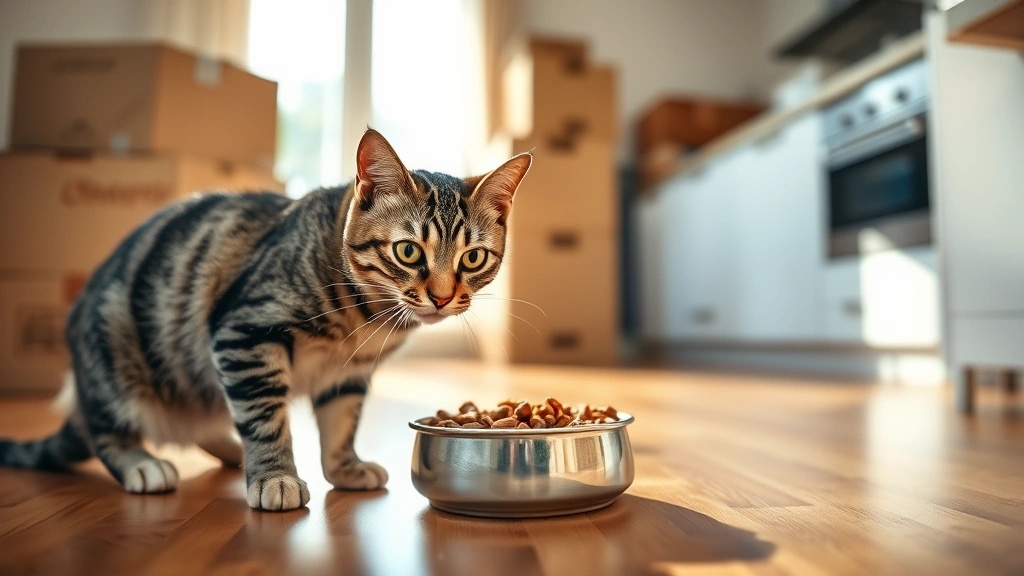
Your pet’s refusal to eat is not stubbornness or pickiness. It is biology. When cats and dogs detect unfamiliar sights, sounds, and smells, their brains may activate a stress response. This can redirect energy away from digestion and suppress hunger.
From your pet’s perspective, everything feels different. The smells are wrong. The sounds are unfamiliar. Their safe spaces have disappeared. In this state of alert, eating may feel unsafe to them.
Common situations that may trigger feeding problems include:
- Moving to a new home or apartment
- Boarding at kennels or pet hotels
- Extended veterinary stays
- Travel by car, plane, or other transport
- Visiting friends or relatives
- Temporary housing during renovations
Watch for signs beyond just skipping meals. Physical signs may include panting, drooling, trembling, vomiting, or loose stools. Behaviourally, your pet might hide, pace, vocalise excessively, or approach their food bowl but not eat.
It is completely normal to feel worried when you see these signs — catching this early puts you in a great position to help your pet through it.
Most pets show some caution in new places. But if your cat has not eaten for around 24 hours, or your dog for around 48 hours, it is worth speaking to a vet. Prolonged fasting can lead to health complications, particularly in cats.
When to See Your Veterinarian
Not all appetite loss is stress-related. Dental disease, kidney problems, infections, digestive issues, and pain can all cause a pet to stop eating. A vet visit helps rule these out before considering appetite medication.
Seek prompt veterinary care if your pet shows any of these signs:
- No food intake for around 24 hours (cats) or 48 hours (dogs)
- Persistent vomiting or bloody diarrhoea
- Lethargy or collapse
- Pale gums or signs of pain
- Difficulty breathing
When you speak to your vet, it helps to have a clear picture ready. Note when the appetite loss started, what changed in your pet’s environment, and whether any other symptoms appeared. Also mention any current medications or supplements your pet is taking.
Your vet may recommend a physical exam and possibly some tests. This helps make sure any medication prescribed is the right fit for your pet’s specific situation. According to the American Veterinary Medical Association, proper diagnosis is essential before using appetite stimulants, to avoid masking an underlying illness.
If you are unsure whether your pet needs urgent care, a quick telehealth check-in can give you peace of mind — no appointment needed.
What You Can Do Right Now
While you arrange veterinary support, here are five practical steps you can take straight away:
- Write down the symptoms and when they started. Note exactly what you have observed — when your pet last ate, how much, and any other changes in behaviour.
- Note any recent environmental changes. List what has changed: a new home, a car journey, a new person in the house. This helps your vet understand the likely trigger.
- Offer a small amount of a favourite food in a quiet space. Remove distractions and try a high-value food your pet already loves, served in a familiar bowl if possible.
- Place a worn item of your clothing near their resting area. Your scent can help reassure an anxious pet in an unfamiliar space.
- Contact your vet or use a telehealth service to describe what you are seeing. Do not wait to see if things improve on their own if your pet has not eaten for 24 hours (cats) or 48 hours (dogs).
Mirtazapine: A Mood-Boosting Appetite Stimulant
Mirtazapine is one of the more commonly recommended options for cats that stop eating in new environments. Originally developed as a human antidepressant, it was found to have a strong appetite-stimulating effect in pets.
It works by influencing neurotransmitters involved in both mood and hunger. Many cats may show renewed interest in food within hours of their first dose. A transdermal gel applied inside the ear is available, which can make giving it to a reluctant cat much easier.
Beyond appetite, mirtazapine may also help pets feel calmer overall. Side effects are generally mild and can include increased vocalisation, extra affection, or mild drowsiness for a few hours after dosing.
Your vet will determine the right dose and schedule for your individual pet. Always follow their guidance, and let them know about any other medications your pet is taking, as interactions are possible.
Maropitant (Cerenia): Helping With Nausea
Maropitant, sold as Cerenia, takes a different approach. Rather than directly stimulating hunger, it may help by reducing nausea. When a pet feels less sick, they are more likely to want to eat.
It is particularly useful when travel or motion sickness could be contributing to appetite loss. It is available in tablet and injectable forms, giving vets flexibility depending on the situation.
Common situations where it may be helpful include:
- Car, plane, or boat travel
- Boarding for pets with a history of stress-related vomiting
- Recovery after anaesthesia
- Digestive upset contributing to appetite loss
Most pets tolerate it well. Your vet will advise on whether it is appropriate for your pet’s age, weight, and health history.
Capromorelin: Supporting the Hunger Signal
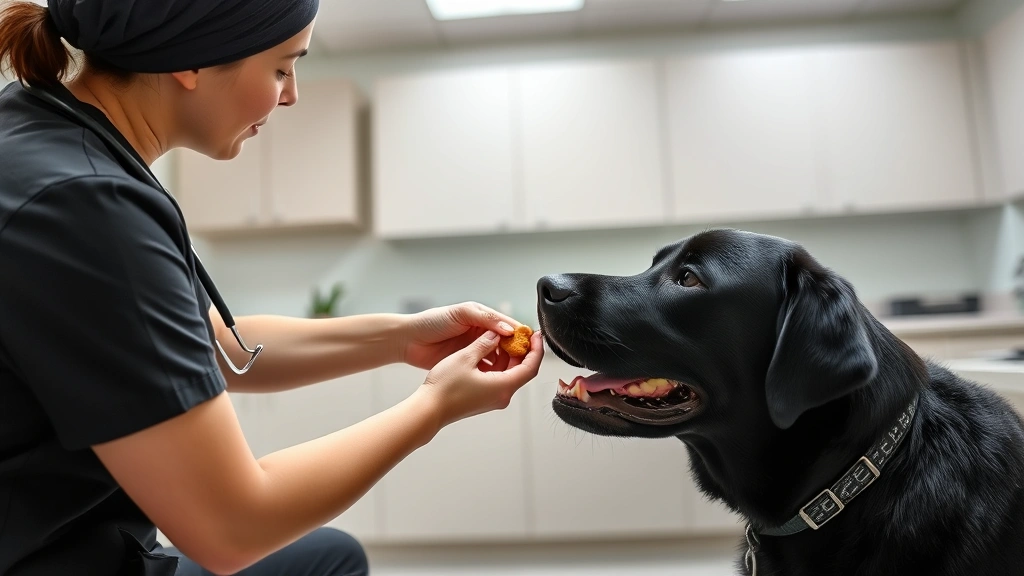
Capromorelin works by mimicking ghrelin, a natural hormone that signals hunger in the body. It is FDA-approved for appetite stimulation in dogs, and some vets use it in cats too.
It comes as a flavoured liquid, which many dogs accept willingly — no pill battles needed. Some pets may show increased interest in food within hours of their first dose.
Possible side effects can include mild increases in thirst and urination, or loose stools initially. Your vet will assess whether this option suits your pet’s overall health, particularly if they have any hormonal or liver conditions.
Gabapentin: Calming Anxiety to Help Your Pet Eat
Gabapentin is widely used to help manage situational anxiety in pets. Originally an anti-seizure medication, it was found to have a calming effect that can help anxious pets relax enough to eat.
When a pet’s stress response settles, digestion can function more normally and natural hunger signals may return. Pets often sleep better and behave more like themselves too.
It is typically given one to two hours before a stressful event. For longer periods of stress, such as a house move, it may be given on a regular schedule. Your vet will advise on the right approach for your pet.
Some pets, especially cats and small dogs, may experience more drowsiness than expected. Pets with kidney conditions may need dose adjustments. Never stop gabapentin abruptly after extended use without veterinary guidance.
Trazodone: Gentle Anxiety Relief
Trazodone is another option for pets whose anxiety is preventing them from eating. It helps reduce reactivity to stressful situations while allowing pets to remain alert and functional.
It does not directly stimulate appetite. Instead, it may help by lowering the anxiety that is blocking your pet’s natural hunger. Pets who have been refusing food while stressed may begin eating once their anxiety is more manageable.
Some sedation is common, especially at first. This is not always a problem — rest during travel, for example, can be helpful. If your pet seems unsteady or disoriented, let your vet know so the dose can be reviewed.
Trazodone can sometimes be used alongside other medications under veterinary supervision for pets with stronger stress responses.
Ondansetron (Zofran): Anti-Nausea Support
Ondansetron is an anti-nausea medication that may help pets whose appetite loss is linked to feeling unwell. It works by blocking certain receptors involved in triggering nausea and vomiting.
It can be particularly useful in situations such as:
- Travel-related nausea
- Air travel discomfort
- Recovery after anaesthesia
- Stress-related digestive upset
- Nausea related to medical treatment
Oral dissolving tablets are available, which can be easier to give to pets who resist pills. Side effects are uncommon but may include mild constipation or slight drowsiness. Your vet will advise on whether it is appropriate alongside any other medications your pet takes.
Research from the National Center for Biotechnology Information supports its general safety profile in veterinary use.
Cyproheptadine: An Antihistamine That Boosts Appetite
Cyproheptadine is an antihistamine that also has appetite-stimulating properties. It tends to work particularly well in cats, and vets may consider it when other options have not been effective or are not suitable.
It may take several doses before the full effect is seen, so patience is important. It is often given 30 to 60 minutes before meals to make the most of its appetite-stimulating effect.
Common side effects can include drowsiness, which many stressed cats actually benefit from. Some cats become more affectionate or vocal. Rarely, pets may show behavioural changes. Your vet will advise on whether it is safe alongside your pet’s other medications.
This option tends to suit longer-term appetite support during extended transitions rather than short, one-off stressful events.
Conclusion
Watching your pet refuse food in a new environment is stressful — but you are not helpless. There are several medications your vet may consider to support your pet’s appetite while they adjust. Each works differently, and the right choice depends on your pet’s individual needs and health history.
Medication works best as part of a broader approach. Familiar items from home, a consistent routine, a quiet feeding space, and your calm presence all make a difference alongside any treatment your vet recommends.
Never start any medication without veterinary guidance. Your vet needs to rule out other causes of appetite loss and make sure any medication is safe for your specific pet. If you are unsure whether your pet needs urgent care, a quick telehealth check-in can give you peace of mind — no appointment needed.
With the right support, most pets do find their feet in new surroundings. Knowing you are taking action — and that help is available — is already a great step forward.
Frequently Asked Questions
How long can a pet safely go without eating in a new environment?
Cats should generally not go more than around 24 hours without food due to the risk of liver complications. Dogs may tolerate up to around 48 hours, but it is best to speak to your vet if appetite has not returned within these timeframes.
Can I give my pet human anti-anxiety medication for travel?
No — never give human medications without veterinary approval. Doses and safety profiles differ significantly between humans and pets, and some human medications can be harmful or toxic to animals.
Will appetite stimulants work if my pet is just being selective about food?
Appetite stimulants are intended for stress-related or medically driven appetite loss, not selective eating habits. Your vet can help work out whether your pet may be experiencing true appetite loss or a behavioural food preference.
How far in advance should I start medication before a move or trip?
This depends on the medication. Some options are given one to two hours before a stressful event, while others may be started earlier. Your vet will advise on the best timing based on what they prescribe.
Can these medications be combined if one does not work alone?
Some medications can be used together safely under veterinary supervision — for example, addressing both anxiety and nausea at the same time. Never combine medications without your vet’s explicit guidance, as interactions are possible.
For more information on pet health and wellness, visit the American Veterinary Medical Association’s pet owner resources.