
Overview
This guide helps pet owners maintain their animals’ medication routines during hotel stays by covering essential pre-travel planning, proper storage solutions, schedule management, and emergency preparedness strategies. With nearly 70% of pet owners now traveling with their animals, the article provides practical advice for managing chronic conditions like diabetes and thyroid disease while away from home.
Table of Contents
- Pre-Travel Medication Planning
- What You Need to Know About Your Pet’s Medications
- Keeping Medications Safe in Your Hotel Room
- Keeping Feeding and Medication Times on Track
- How Hotel Staff Can Help You
- When Your Pet Won’t Eat — Practical Solutions
- Tips by Pet Type
- What to Do in an Emergency
- What to Do Right Now
- Tracking Medications on the Road
- Common Mistakes to Avoid
- Conclusion
- Frequently Asked Questions
If your pet takes regular medication, the idea of traveling with them can feel overwhelming. You are not alone in that worry — and the good news is that with a little preparation, you can keep their routine on track even in a hotel room.
This article is for informational purposes only and is not a substitute for professional veterinary advice. Always consult a licensed veterinarian for diagnosis and treatment.
Nearly 70 percent of pet owners now travel with their animals, according to recent industry surveys. For pets managing ongoing conditions such as diabetes, thyroid disease, or heart problems, keeping medication schedules consistent is essential to their wellbeing during hotel stays.
Hotel stays introduce real challenges — unfamiliar environments, disrupted routines, and limited storage options. Whether your cat needs thyroid medication or your dog takes heart medicine, this guide walks you through everything you need to feel confident and prepared.
Pre-Travel Medication Planning
Schedule a veterinary check-up two to three weeks before you leave. This gives your vet time to assess your pet’s readiness for travel and make any necessary adjustments.
Ask for enough medication to cover your entire trip, plus three to five extra days. This buffer protects against delays, lost luggage, or accidental spills.
Request written instructions for each medication. These should include the drug name, how often to give it, and any food requirements. These documents are invaluable if you need to see an unfamiliar vet while away.
Assemble a dedicated pet medical travel kit containing:
- All medications in their original, labelled containers
- Administration tools such as syringes or pill pockets
- A digital thermometer
- Basic first aid supplies
- Copies of medical records and current prescriptions
- A small cooler bag for temperature-sensitive medications
Create a simple medication schedule listing each drug, the time it is due, food requirements, and any notes. Laminate it or keep it in a plastic sleeve.
Save important contacts before you leave. These should include:
- Your regular veterinarian
- Emergency clinics near your hotel
- The ASPCA Animal Poison Control Center
- Your pet insurance provider
Store these in your phone and keep a printed copy with your medical kit.
What You Need to Know About Your Pet’s Medications
Not all medications are equally strict about timing. Some must be given within a narrow window — often within 30 minutes of the scheduled time. Others allow a broader window of a few hours.
Medications for ongoing conditions tend to need the most consistency. Pets managing diabetes may need insulin timed carefully around meals. Heart medications often require multiple daily doses. Thyroid medications are typically given on an empty stomach at the same time each day.
Travel-related anxiety medications have their own timing needs. These are usually given one to two hours before a stressful event, so plan ahead for journeys and check-ins.
Preventative treatments — such as monthly flea, tick, and heartworm medications — must continue on schedule. Mark your calendar before you leave so nothing gets missed. Some destinations may increase your pet’s exposure to parasites, making these even more important.
Supplements such as probiotics, joint support, or digestive enzymes should also be factored into your travel plan. They may have more flexibility than prescription medications, but consistency still benefits your pet.
If you are unsure whether your pet needs urgent care, a quick telehealth check-in can give you peace of mind — no appointment needed.
Keeping Medications Safe in Your Hotel Room
Most medications should be stored at room temperature, away from direct sunlight and moisture. The bathroom may seem convenient, but shower humidity makes it unsuitable. Use a bedroom dresser drawer or a high closet shelf instead — somewhere your pet cannot reach.
Refrigerated medications need a little more planning. Most hotel mini-fridges work for short-term storage, but temperatures can fluctuate. When you arrive, check that the fridge is cooling properly before placing any medication inside. Bring a small cooler with ice packs as a backup.
If your mini-fridge stops working, contact the front desk straight away. Ask about repair, a room change, or whether the hotel kitchen can store your medication safely.
Keep all medications out of your pet’s reach in the confined hotel space. Cats can climb surprisingly high. Dogs will investigate bags left within reach. Use childproof containers and store everything in a closed suitcase, latched bag, or high drawer.
A few firm rules to follow:
- Never leave medications on nightstands, counters, or tables
- Never leave medications in a car, even briefly in warm weather
- Never flush unused medications or put them in regular hotel bins
For any medications needing disposal, seal them in a container and take them home for proper disposal through a medication take-back programme.
Keeping Feeding and Medication Times on Track
Consistent feeding times are the foundation of good medication management on the road. Most pets thrive on routine, and disruptions can cause stress, appetite changes, and missed doses.
Stick to your pet’s home feeding schedule as closely as possible. If they normally eat at 7 AM and 6 PM, aim to keep those times. This helps your pet feel secure and ensures medications that need food are given correctly.
Know the food requirements for each medication. Some may cause stomach upset without food. Others may not absorb properly if given with a meal. Your vet’s written instructions should make this clear.
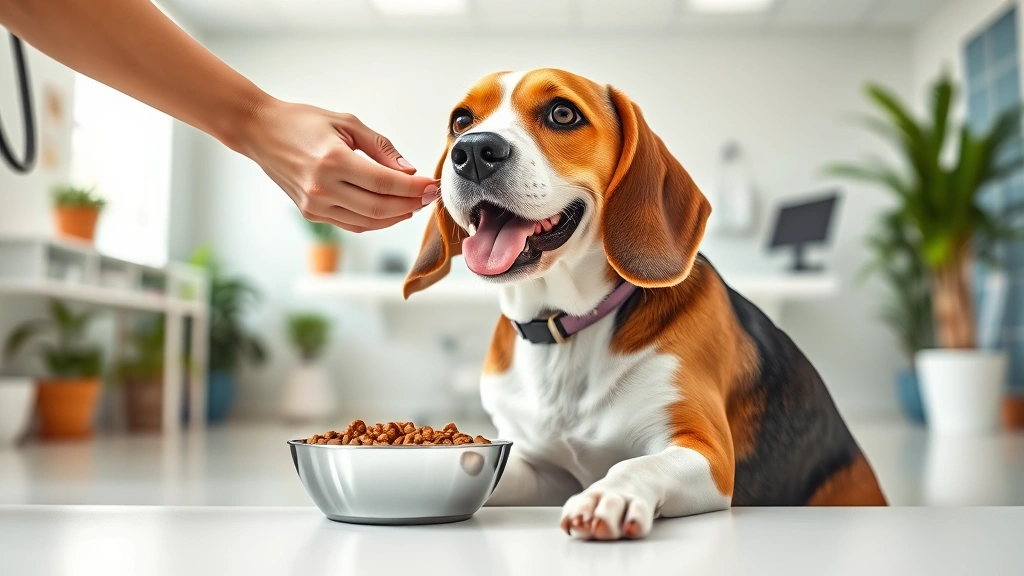
Time zone changes can complicate things. For shorter trips, it is often easiest to maintain your home time zone schedule. For longer stays, a gradual shift may be better for your pet’s natural rhythm. Ask your vet for guidance on any critical medications before you travel.
Use technology to stay on track. Set phone alarms for each medication with a clear label. Calendar apps with recurring reminders are helpful when you are out enjoying activities and lose track of time.
If you miss a dose, refer to your vet’s instructions. For some medications, you should give the dose as soon as you remember. For others, it is better to skip it and resume at the next scheduled time. When in doubt, call your vet before acting.
How Hotel Staff Can Help You
A quick conversation at check-in can make a real difference. Let the front desk know your pet takes medication and whether you have any special storage or scheduling needs.
If your pet needs medication during housekeeping hours, ask to adjust the schedule. Most hotels are happy to accommodate this with a little notice. Requesting housekeeping before 10 AM or after 3 PM can help you avoid interruptions at key times.
Verify your mini-fridge is working as soon as you arrive. If you need more reliable temperature control, ask whether the hotel kitchen can store your medication, clearly labelled with your room number.
Ask the concierge or front desk about nearby veterinary clinics and emergency animal hospitals. Pet-friendly hotels often have this information ready, including directions and estimated travel times.
If your pet receives injectable medications, ask about the hotel’s policy on medical waste disposal. Used syringes should never go in regular bins. If the hotel has no sharps disposal, bring a hard-sided sharps container and take it home for safe disposal.
When administering medication, avoid public hotel spaces such as lobbies or dining areas. If you must do so during transit, be discreet and clean up thoroughly afterwards.
When Your Pet Won’t Eat — Practical Solutions
New environments, unfamiliar sounds, and disrupted routines can all affect your pet’s appetite. Some pets simply refuse to eat when they are stressed — and this becomes a real problem when medications need to be given with food.
It is completely normal to feel worried when this happens. Catching the issue early and having a plan puts you in a great position to help your pet through it.
Make the hotel room feel as familiar as possible. Bring your pet’s regular food and water bowls from home — familiar scents offer real reassurance. Set up their bed or blanket in a quiet corner where they can retreat.
For anxious pets, try feeding in a smaller space like a bathroom or closet with the door slightly ajar. Den-like spaces often feel safer than open hotel rooms. Staying with them during meals can also help.
If your pet is reluctant to take medication, try hiding it in something appealing:
- Pill pockets or soft treats
- A small amount of peanut butter or soft cheese
- Small jars of plain baby food (check there is no onion or garlic)
- Squeeze tubes of meat paste designed for pets
- Small portions of plain boiled chicken
A pet refusing their regular food may still accept a high-value treat — which could be enough to get an essential medication in.
Stress-related appetite changes are usually temporary. A pet eating a little less than usual for one meal is not necessarily a cause for alarm. However, if your pet refuses food for more than 24 hours, seems lethargic, or shows other signs of illness, contact a vet.
If your diabetic pet refuses food before a scheduled insulin dose, treat this as an urgent situation and seek veterinary guidance straight away.
Tips by Pet Type
Dogs
Dogs generally adapt well to hotel routines. Most medications can be hidden in food, and many dogs handle new environments with relative ease. Dogs with separation anxiety may find the comings and goings of hotel life harder — consistent medication times can provide a reassuring anchor.
Cats
Cats often find travel and new environments more stressful than dogs do. This can increase resistance to medication. Cats are also more likely to hide, which may mean missing a scheduled dose.
- Practise medication techniques at home before your trip
- Limit hiding spots in the hotel room by blocking access under beds and behind furniture
Small Animals (Rabbits, Guinea Pigs, Ferrets)
These animals are more sensitive to temperature changes and stress. Their feeding schedules are often more frequent or specific. Rabbits in particular may develop serious digestive problems if their routine is disrupted — which can complicate medication administration that depends on regular eating.
Birds
Avian stress can escalate quickly into serious health problems. Many birds need stable temperature, humidity, and light conditions. Medications are often given through food or water, so monitoring consumption carefully is important. Unfamiliar hotel noise can cause significant distress — a quiet, stable room environment is essential.
Reptiles
Reptiles have some of the most specific medication requirements of any pet. Many medications may only work effectively when your reptile’s body temperature is within a certain range, so maintaining proper heating in your hotel room is critical. Their slower metabolism can also make it harder to spot adverse reactions quickly.
What to Do in an Emergency
Before you leave home, write a brief emergency protocol for your pet. Include:
- Symptoms to watch for after each medication
- What to do if a dose is missed
- When to seek emergency care
- Who to call first
Keep this with your medical travel kit so it is easy to find under pressure.
Research 24-hour emergency veterinary clinics near your hotel before you arrive. Save the address and phone number in your phone and keep a printed copy. If possible, note the travel time during normal hours and overnight.
Pack backup supplies for essential medications where you can. For critical medications, ask your vet whether an emergency backup prescription is possible before you travel.
Watch for signs that may indicate an adverse reaction. These could include:
- Vomiting or diarrhoea
- Excessive drooling
- Difficulty breathing
- Seizures
- Sudden lethargy or unresponsiveness
In an unfamiliar environment, subtle changes in behaviour can be harder to notice. Observe your pet carefully, especially after giving medication.
Keep emergency contacts easy to access. The Pet Poison Helpline is available 24 hours a day. Have your pet insurance emergency line saved and ready.
If you are unsure whether your pet needs urgent care, a quick telehealth check-in can give you peace of mind — no appointment needed.
For trips involving pets with ongoing medication needs, consider pet travel insurance. Many policies cover emergency veterinary care, which can cost significantly more away from your regular vet.
What to Do Right Now
If you are preparing to travel with a pet on medication, here are five practical steps to take straight away:
- Book a vet check-up now. Contact your veterinarian to schedule a pre-travel consultation at least two to three weeks before your departure date.
- Write down every medication your pet takes. Include the name, timing, food requirements, and what to do if a dose is missed. Ask your vet to confirm this information is current.
- Search for emergency vets near your hotel. Look up the nearest 24-hour animal emergency clinic before you travel and save the address and phone number in your phone.
- Pack a dedicated medical kit today. Gather all medications in their original containers, administration tools, a thermometer, and copies of prescriptions into one clearly labelled bag.
- Set up phone alarms for every medication time. Label each alarm clearly with the medication name and any food instructions so you will not need to check your notes each time.
Tracking Medications on the Road
Good documentation prevents accidental double-dosing and gives emergency vets the information they need quickly. Medication tracking apps designed for pet health can simplify this. Many allow you to log doses, set reminders, track symptoms, and store medical records in one place.
If you prefer a paper system, print a simple chart with dates down one side and medications across the top. Tick off each dose as you give it and leave space for notes about any difficulties or changes you notice.
Take photos of all medication labels and written instructions. These are useful if you need an unexpected refill or have to explain your pet’s needs to an unfamiliar vet. Prescription label photos also capture the prescribing vet’s details, pharmacy name, and refill information.
Note any behavioural changes or unusual reactions. A pet that tolerates medication well at home may respond differently under travel stress. Recording what you observe helps you and your vet make better decisions about any adjustments needed.
Keep receipts for any pet-related medical expenses during your trip. These may be reimbursable through pet insurance and can help you plan more accurately for future travel.
Common Mistakes to Avoid
- Forgetting medications when packing. Create a separate written checklist just for your pet’s medical supplies, distinct from your personal packing list.
- Assuming the hotel mini-fridge is reliable. Always bring a backup cooler with ice packs for temperature-sensitive medications.
- Not researching vets before arrival. Identify emergency clinics and local veterinary offices near your hotel before you leave home.
- Expecting your pet to eat normally straight away. Bring familiar foods and high-value treats specifically for hiding medication. Do not rely on finding supplies locally.
- Not telling hotel staff about your pet’s needs. Hotels can often help with refrigeration, housekeeping schedules, and quiet hours — but only if you ask.
- Not planning for time zone changes. Decide before you travel whether you will maintain home times or gradually adjust, and check with your vet for any critical medications.
- Travelling without medical records. Always carry copies of current prescriptions, recent vet records, and a full medication list. This information could be critical in an emergency.
Conclusion
Travelling with a pet on medication takes planning — but it is absolutely manageable. Start by speaking with your vet well before departure, building a thorough medical travel kit, and researching veterinary resources at your destination.
Understanding your pet’s specific medication needs, storage requirements, and feeding schedule gives you the tools to stay consistent even in an unfamiliar environment. Clear communication with hotel staff, realistic expectations about appetite, and good documentation all make a real difference.
Your pet’s health and comfort come first. When in doubt about any symptom or medication question, reach out to a professional. With the right preparation, you and your pet can travel with confidence.
Frequently Asked Questions
Can I skip one dose of my pet’s medication while travelling?
It is best not to skip any dose without speaking to your vet first. Some medications need strict consistency, while others may have a little more flexibility. Your vet can advise based on your pet’s specific condition and medication.
How do I keep insulin cold in a hotel room?
Use the hotel mini-fridge after checking it is cooling properly on arrival. Bring a backup cooler with ice packs in case the fridge is unreliable or unavailable.
What if my pet won’t eat and needs medication with food?
Try offering high-value foods such as plain boiled chicken, a small amount of peanut butter, or plain baby food to encourage eating and hide the medication. If your pet refuses all food for more than 24 hours, contact a vet.
Should I keep my pet’s medications in my carry-on luggage?
Yes — always keep medications in your carry-on bag, never in checked luggage. Temperature fluctuations in the hold and the risk of lost bags could leave you without essential supplies.
How do I handle time zone changes for medication schedules?
For short trips, maintaining your home time zone schedule is often the simplest approach. For longer stays, a gradual shift may suit your pet better. Always check with your vet before making changes to schedules for critical medications.