
Overview
Resource guarding in dogs, where they defensively protect food or valued items, stems from anxiety and fear rather than spite, and can escalate into a safety concern without proper intervention. While behavioral training forms the foundation of treatment, veterinarians may recommend medications such as Fluoxetine, Clomipramine, Trazodone, or other options to support anxious dogs alongside a structured training plan.
Table of Contents
- Understanding Resource Guarding in Dogs
- Signs That Your Dog May Need Extra Support
- Seven Medication Options Your Vet May Consider
- Fluoxetine (Prozac)
- Clomipramine (Clomicalm)
- Trazodone
- Gabapentin
- Buspirone
- Alprazolam (Xanax)
- Sileo (Dexmedetomidine)
- Combining Medication with Training
- Keeping Your Dog Safe While on Medication
- What You Can Do Right Now
- Conclusion
- Frequently Asked Questions
If your dog growls near their food bowl or tenses up when someone walks by at mealtime, it is completely understandable to feel worried. This behaviour — known as resource guarding — goes beyond simple food protectiveness. In some cases, it may escalate into a safety concern for your family. The good news is that with the right support, most dogs improve significantly.
This article is for informational purposes only and is not a substitute for professional veterinary advice. Always consult a licensed veterinarian for diagnosis and treatment.
Resource guarding tends to stem from anxiety and fear rather than stubbornness or spite. When dogs feel their valued resources are threatened, they may react defensively. Behavioural training is usually the foundation of treatment. However, some dogs may also benefit from medication alongside a proper training plan.
Understanding Resource Guarding in Dogs
Recognising the early signs can help you act before the behaviour becomes more serious. Early indicators may include:
- Eating faster when people approach
- Positioning their body over the bowl
- Freezing when someone walks nearby
More noticeable signs could include growling, showing teeth, or snapping. Here is what may help distinguish normal food enthusiasm from guarding behaviour:
- Enthusiastic eaters get excited but tend to welcome your presence
- Dogs who may be guarding actively try to keep you away
- Normal appetite often involves happy, wiggly anticipation
- Guarding behaviour may include defensive postures and warning signals
According to the American Veterinary Medical Association, resource guarding can affect dogs of all breeds and backgrounds. Without support, the behaviour may intensify over time — so early recognition really does matter.
Many cases respond well to training alone. However, when anxiety runs deep and your dog cannot focus on learning, medication may help create the calm foundation needed for behaviour modification to work.
Signs That Your Dog May Need Extra Support
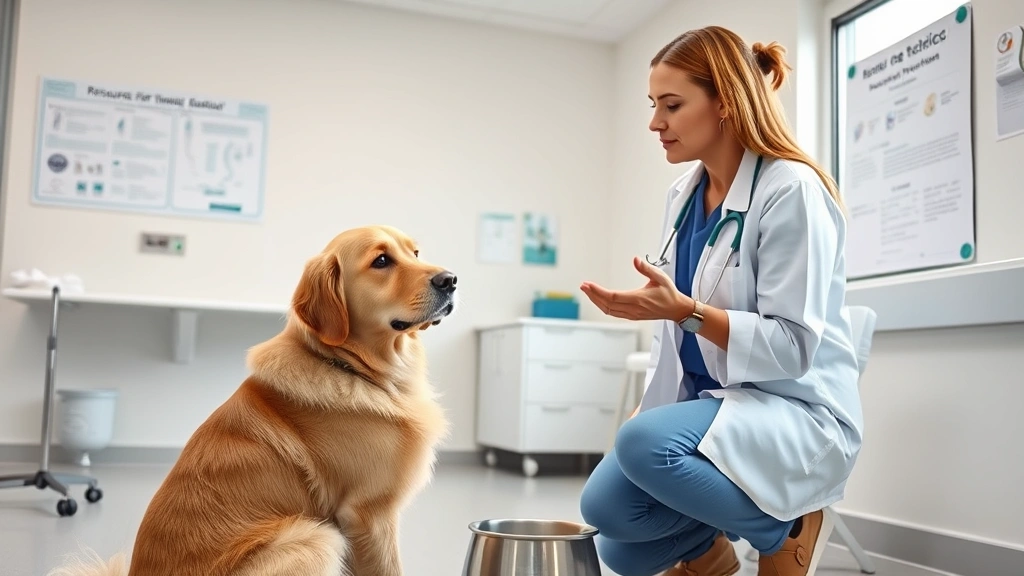
There are several situations where a vet might consider medication as part of your dog’s plan. These include:
- Your dog has snapped or bitten, or escalates with little or no warning
- Children or elderly family members are in the home and safety is a concern
- Training has been consistent for several weeks but progress has stalled
- Your dog shows signs of generalised anxiety or fear-based behaviour beyond mealtimes
It is completely normal to feel worried if your dog is showing any of these signs — catching this early puts you in a great position to get the right help.
For more information about behavioural health in pets, you can explore additional resources at our comprehensive pet care guides.
Seven Medication Options Your Vet May Consider
Below is an overview of medications a veterinarian might discuss with you. Every dog is different. Your vet will determine which option — if any — is appropriate for your dog’s specific needs.
Please do not start any medication without veterinary guidance. This information is intended to help you have a more informed conversation with your vet.
Fluoxetine (Prozac) — A Common First Option for Anxiety
Fluoxetine is one of the most frequently prescribed medications for anxiety-related behaviours in dogs. It works by increasing serotonin availability in the brain, which may help regulate mood and reduce impulsive reactions.
Your vet will determine the appropriate dose for your dog’s weight and needs. One advantage of fluoxetine is that it is typically given once daily, which many owners find easier to manage.
Patience is important with this medication. Initial improvements may appear after a couple of weeks, with fuller effects developing over four to six weeks. It tends to work well for dogs whose guarding may be linked to generalised anxiety.
Possible side effects to watch for include:
- Reduced appetite in the early weeks
- Mild tiredness during the first week
- Digestive changes
- Increased panting in some dogs
Clomipramine (Clomicalm) — Support for Anxiety with Compulsive Elements
Clomipramine may be considered when anxiety has a more compulsive quality. It works on both serotonin and norepinephrine, which gives it a slightly different action compared to fluoxetine.
Your vet will typically start at a low dose and adjust gradually. It can be given with food to help reduce any stomach upset.
Like fluoxetine, this medication takes time. Some improvement may be noticeable within a few weeks, with continued progress over several months. Dogs may become more tolerant of people nearby during meals and show less intensity in defensive behaviour.
Trazodone — Fast-Acting and Flexible
Trazodone is valued for its flexibility. Unlike SSRIs, it may begin working within one to two hours. This makes it useful for managing specific mealtimes or supporting training sessions.
Your vet may recommend it in different ways depending on your dog’s needs:
- Given before meals to reduce anxiety at a predictable trigger point
- Used daily for ongoing anxiety management at a lower dose
- Used as a short-term bridge while waiting for a longer-acting medication to take effect
The calming effect trazodone produces may also help your dog feel more receptive during training.
Gabapentin — Gentle Calming with a Good Safety Profile

Originally developed for seizures, gabapentin is now used to help manage anxiety and fear in dogs. It works by reducing excitatory signals in the nervous system, producing a calming effect without heavy sedation.
It can be used situationally before meals, given multiple times daily, or combined with other medications for more complex cases. Your vet will advise on the right approach for your dog.
Most dogs tolerate gabapentin well. Some may feel a little sleepy at first, but this often settles as they adjust. Mild wobbliness at higher doses is possible but typically resolves as the medication wears off.
Buspirone — A Gentler Alternative to SSRIs
Buspirone targets specific serotonin receptors and may offer anxiety relief without some of the side effects associated with other medications. It does not tend to cause sedation or weight changes.
Some improvement may be noticeable within a few weeks, with continued benefit developing over one to two months. It does need to be given two to three times daily, which requires a consistent routine.
Research published in the Journal of Veterinary Behavior suggests buspirone may be helpful for anxiety-related behaviours when used consistently as part of a broader treatment plan.
Alprazolam (Xanax) — A Short-Term Tool for Specific Situations
Alprazolam works quickly and may be considered for short-term use in specific circumstances. It is not typically a first-line option for resource guarding, but a vet might discuss it for situations such as:
- Managing severe guarding during the early stages of behaviour modification
- Providing short-term support during a significant household change
- Helping prevent injury in a crisis situation
There are important considerations with this medication. It carries a risk of dependency with ongoing use. It can also cause withdrawal effects if stopped suddenly. Your vet will advise carefully if this option is appropriate and will monitor closely throughout.
Sileo (Dexmedetomidine) — Easy to Give, Gentle in Effect
Sileo is a gel applied between your dog’s cheek and gum — no pills required. It works by modifying the nervous system’s stress response and may begin to take effect within 30 to 60 minutes.
Effects typically last a couple of hours, making it well suited to predictable feeding-time anxiety or structured training sessions. It is currently approved for use in dogs only.
Sileo is a newer medication and tends to cost more than older options. However, many owners find the ease of administration makes it a worthwhile consideration. Your vet can help you weigh up whether it suits your situation.
Combining Medication with Training for the Best Results
Medication alone is unlikely to resolve resource guarding. Pharmaceuticals may lower the emotional intensity driving the behaviour — but they do not teach your dog new skills. Training is essential alongside any medication plan.
Two key approaches your trainer or vet behaviourist may use include:
- Systematic desensitisation: Gradually exposing your dog to triggers at a level that does not provoke guarding, then slowly building tolerance over time
- Counterconditioning: Helping your dog associate your approach with something positive — such as a high-value treat added to the bowl — rather than something threatening
Other helpful techniques may include:
- Hand-feeding exercises to build trust
- Trading games where your dog willingly exchanges an item for a better reward
- Teaching your dog to go to a calm, designated spot during mealtimes
- Establishing a predictable, positive feeding routine
Working with a certified professional dog trainer experienced in aggression, or a veterinary behaviourist, can make a real difference. They can tailor a plan to your dog’s specific situation.
Realistic timelines help manage expectations. Early changes may appear within weeks. Lasting improvement typically takes two to four months of consistent effort. More complex cases may take longer — and that is okay.
For additional behavioural support resources, check out our detailed training guides.
Keeping Your Dog Safe While on Medication
All the medications discussed here require a prescription and ongoing veterinary supervision. This is not something to navigate alone — and you do not have to.
Before starting any behavioural medication, your vet will likely carry out a physical examination. This helps rule out any underlying health conditions that could be contributing to the behaviour. Blood work may also be recommended to check organ function, particularly in older dogs.
Signs to watch for once medication begins include:
- Changes in appetite or thirst
- Unusual tiredness or sedation
- Vomiting or diarrhoea
- Increased anxiety or disorientation
Less common but more serious effects can include changes in liver or kidney function, heart rhythm changes, or allergic reactions. Your vet will talk you through what to watch for with your dog’s specific medication.
Always give your vet a full list of any medications or supplements your dog is currently taking. Some combinations can interact in ways that affect safety or effectiveness.
Keeping a simple behaviour journal can also be very helpful. Note the frequency and intensity of guarding episodes, what triggered them, and how your dog responded. This information helps your vet make informed decisions about adjusting or eventually tapering the medication.
You can find more information about pet health monitoring at our pet care category resources.
What You Can Do Right Now
If you are concerned about your dog’s behaviour around food, here are five practical steps you can take today:
- Write down exactly what you are seeing. Note the specific behaviours, when they happen, and what seems to trigger them. Include how long this has been going on.
- Manage the environment to reduce risk. For now, feed your dog in a quiet, low-traffic area. Ask family members — especially children — not to approach the bowl during mealtimes.
- Book an appointment with your vet. Share your written notes. Ask whether a referral to a veterinary behaviourist or a certified trainer experienced in aggression would be appropriate.
- Research qualified trainers in your area. Look for a certified professional dog trainer (CPDT-KA) or a veterinary behaviourist (DACVB). Avoid trainers who use punishment-based methods for fear-related behaviour.
- If you are unsure whether your pet needs urgent care, a quick telehealth check-in can give you peace of mind — no appointment needed. A vet can help you assess the situation and decide on next steps from the comfort of your home.
You Are Not Alone in This
Resource guarding can feel overwhelming — especially when it involves the people you love most at home. But effective support does exist, and most dogs respond well with the right combination of care.
The seven medications covered here — fluoxetine, clomipramine, trazodone, gabapentin, buspirone, alprazolam, and Sileo — each work differently. A vet will help you understand which, if any, may be appropriate for your dog.
Medication works best as part of a broader plan. Combine any pharmaceutical support with consistent behaviour modification, a calm environment, and professional guidance for the best chance of lasting improvement.
Your dog’s guarding behaviour does not define them — or your relationship with them. With patience and the right support, many dogs reach a point where mealtimes feel calm and safe for everyone. That outcome is absolutely worth working towards.
Start by speaking with your veterinarian. They can assess your dog’s individual situation and help you build a plan that is safe, realistic, and right for your family.
Frequently Asked Questions
How long does medication take to work for resource guarding?
It depends on the medication. Some options may begin to take effect within a couple of hours, while others — such as SSRIs — may take several weeks to reach their full effect. Your vet will help set realistic expectations based on what they prescribe.
Can medication replace behaviour training for resource guarding?
No — medication alone is unlikely to resolve resource guarding. It may help reduce anxiety and make your dog more receptive to learning, but behaviour modification is still needed to build new, lasting habits.
Are these medications safe for long-term use in dogs?
Several of these medications may be used long-term under veterinary supervision. Your vet will monitor your dog through regular check-ups and, where appropriate, blood work to ensure ongoing safety.
What should I do if my dog shows side effects?
Contact your veterinarian promptly if you notice anything concerning. Do not adjust or stop medication without professional guidance — sudden changes can cause withdrawal effects or a return of difficult behaviour.
Will my dog need medication forever?
Not necessarily. Many dogs are able to gradually reduce or come off medication after several months of combined treatment. Your vet will guide any tapering process based on your dog’s individual progress.