
Overview
This guide explains how to create a batch cooking feeding schedule that coordinates with your pet’s medication timing, ensuring proper administration and effectiveness of their treatment. It covers how different medications interact with food, provides practical meal-planning strategies, and offers solutions to common challenges pet owners face when managing daily medications alongside feeding routines.
Table of Contents
- How Medication and Feeding Timing Work Together
- Why Batch Cooking Makes Medication Easier
- Building Your Batch Cooking Feeding Schedule
- Recipes That Work With Common Medications
- Setting Up Your Daily Routine
- Solving Common Challenges
- What You Can Do Right Now
- Conclusion
- Frequently Asked Questions
If you have ever juggled pill bottles while your pet stares at you with hungry eyes, you know how stressful this can feel. Managing medications alongside daily feeding is a lot to keep track of — especially when some pills need food and others do not. A batch cooking feeding schedule can make this much more manageable for both of you.
This article is for informational purposes only and is not a substitute for professional veterinary advice. Always consult a licensed veterinarian for diagnosis and treatment.
This guide will show you how to create a batch cooking feeding schedule designed for pets on medication. You will find practical strategies, simple recipes, and solutions to common problems.
How Medication and Feeding Timing Work Together
Food and medication interact in ways that are easy to overlook. Some medications may work best when given with food. Others could be less effective if food is present in the stomach.
Understanding these differences helps ensure your pet gets the full benefit of their treatment. Here is a general overview of common medication categories:
- Antibiotics — often given with food to help reduce the chance of nausea
- NSAIDs — typically given with food to help protect the stomach
- Thyroid medications — may work best on an empty stomach, but always follow your vet’s specific instructions
- Steroids — usually given with food to help minimise stomach upset
- Pain medications — timing varies depending on the specific drug prescribed
According to the FDA’s Center for Veterinary Medicine, inconsistent timing is one of the most common medication mistakes. Giving a dose with breakfast one day and dinner the next could affect how the medication works.
Another easy mistake is assuming all medications should go with food. For some drugs, food could reduce how well they are absorbed. Your vet or the medication label will tell you what applies to your pet’s specific prescription.
Why Batch Cooking Makes Medication Easier
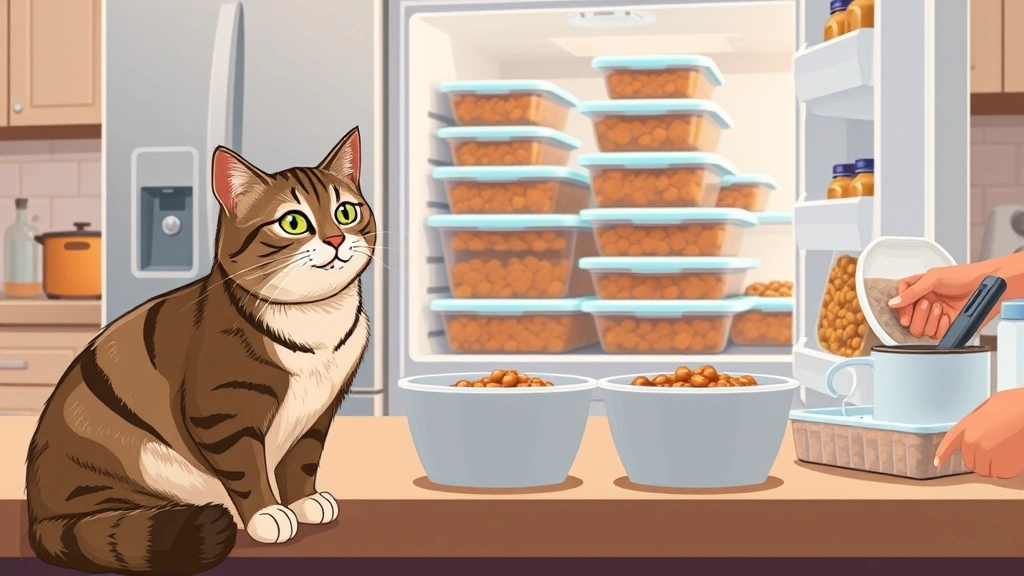
Batch cooking saves time by replacing daily meal prep with one or two focused cooking sessions per week. Many pet owners find this approach actually takes less total time than cooking fresh every day.
Consistency is one of the biggest benefits for pets on medication. When every meal contains a similar amount of food, your pet’s stomach contents are more predictable. This can support more consistent medication absorption.
A reliable routine also helps your pet know what to expect. Pets who are fed at the same times each day often show less anxiety and resistance around medication time.
Here are some other key advantages of batch cooking for medicated pets:
- Fewer missed doses — meals are ready, so there is no temptation to delay feeding
- Cost savings — buying ingredients in bulk reduces the per-serving cost
- Ingredient control — you know exactly what goes into each meal, which matters for pets with allergies or dietary needs
- Less daily mental load — decisions are made in advance, not in the moment
Building Your Batch Cooking Feeding Schedule
Start by listing all of your pet’s medications. For each one, note the name, how often it is given, and whether it should be given with food, without food, or if timing does not matter.
If you are unsure about any of these details, your vet or the dispensing pharmacist can help. Getting this right from the start makes everything else easier.
Choosing the Right Meal Frequency
Most adult dogs and cats on medication do well with two meals a day, roughly twelve hours apart. This works well for medications given twice daily with food.
If your pet takes a medication three times a day, you may need to add a midday meal or a small snack. For medications that need an empty stomach, plan meal times around the required window — your vet can advise on the right gap.
Planning Your Cooking Sessions
Choose a cooking day that fits your schedule. Many pet owners find a Sunday afternoon works well for preparing a full week of meals. Others prefer cooking every two weeks if they have enough freezer space.
Weekly cooking keeps meals fresher and requires less storage. Bi-weekly cooking saves more time overall if your freezer can handle the volume. Pick whichever approach you can stick to consistently.
Storage and Portioning Tips
Use food-safe containers or freezer bags that are clearly labelled with the date and contents. Individual portion containers are especially convenient — just grab one at each mealtime.
Keep three to four days of meals in the refrigerator and store the rest in the freezer. Move frozen portions to the refrigerator the night before you need them to thaw safely. Always let cooked food cool completely before refrigerating or freezing.
Recipes That Work With Common Medications
These recipes are simple starting points. Always check with your vet before making significant changes to your pet’s diet, especially while they are on medication.
According to the American Veterinary Medical Association, professional guidance helps ensure dietary changes support rather than interfere with your pet’s treatment.
For Pets on Antibiotics — Gentle and Easy to Digest
Antibiotics can sometimes disrupt gut bacteria, so a bland, gentle recipe works well during treatment. Try boiled chicken breast with white rice and cooked carrots.
- Roughly 40% protein, 40% rice, 20% vegetables
- Cook chicken thoroughly and dice into appropriate pieces
- Mix with well-cooked white rice and mashed cooked carrots
For Pets on Anti-Inflammatory Medications
NSAIDs can be hard on the stomach, so meals should provide a good buffer. A recipe with ground turkey, sweet potato, and green beans works well.
- Cook lean ground turkey thoroughly and drain excess fat
- Bake or boil sweet potato until soft, then mash into the turkey
- Add steamed green beans chopped into small pieces
Sweet potato provides fibre and complex carbohydrates that may help protect the stomach lining.
For Pets on Thyroid Medication
Thyroid medications may work best on an empty stomach, but your pet still needs consistent nutrition throughout the day. A beef and quinoa mixture with cooked spinach is a good option for their main meal.
- Cook lean ground beef or beef chunks thoroughly
- Prepare quinoa according to package directions and mix with beef
- Add cooked, chopped spinach for additional vitamins and minerals
Your vet will advise on the best timing for thyroid medication relative to meals. Follow their guidance closely for this one.
For Pets on Pain Management Medications
Many pain medications are given with food to help reduce nausea. A versatile recipe with ground chicken, brown rice, and mixed vegetables suits most pets well.
- Cook ground chicken thoroughly
- Use brown rice for sustained energy and fibre
- Add pet-safe vegetables such as carrots, peas, and zucchini, cooked until very soft
Setting Up Your Daily Routine
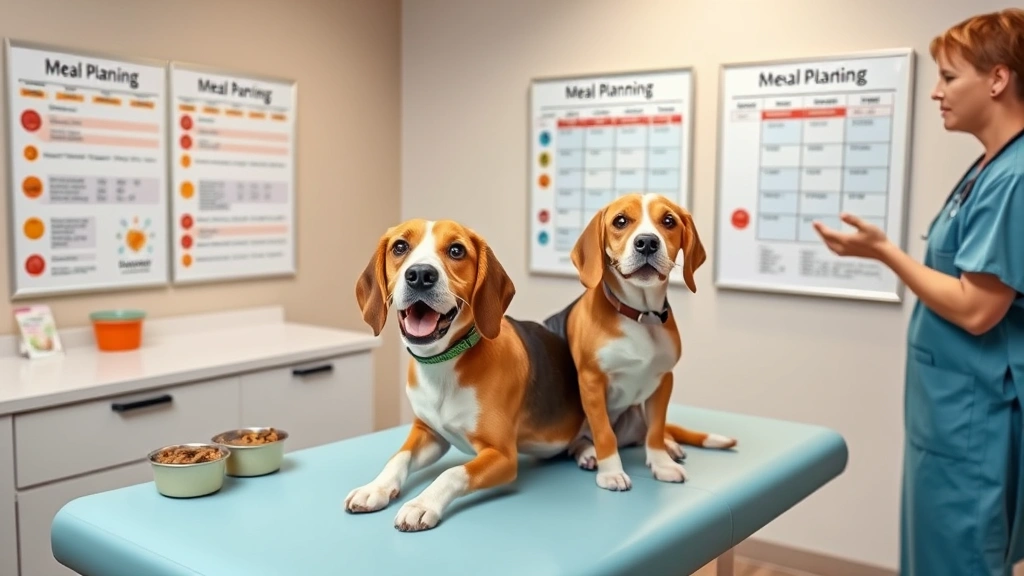
A reliable reminder system is the backbone of good medication management. Even the most organised pet owners benefit from external prompts, especially on busy days.
Smartphone alarms are a simple and effective option. Label each alarm clearly — for example, “Bella morning meds with breakfast” — so there is no guesswork in the moment.
Use a Pill Organiser
A weekly pill organiser lets you prepare all medications in advance. It also gives you a quick visual check of whether each dose has been given. Fill it on your batch cooking day to keep both tasks in one routine.
Organise Your Food Storage
Dedicate a specific shelf in your refrigerator and a section of your freezer to pet food. Use clear containers so you can see contents at a glance. Label everything with the recipe, the date prepared, and — if you have multiple pets — which pet it is for.
Keep a Simple Feeding and Medication Log
A basic notebook or phone note works well. Each day, record the time you gave each meal and each medication dose. This helps you:
- Avoid the common worry of not remembering whether you already gave a dose
- Spot patterns if your pet shows side effects or changes in behaviour
- Share useful observations with your vet at follow-up appointments
Note how your pet is responding to treatment over time. Is their appetite good? Are symptoms improving? These observations can be genuinely helpful for your vet.
Solving Common Challenges
When Your Pet Refuses Medicated Food
Some pets are remarkably skilled at eating around hidden pills. If this is happening, try these approaches:
- Bury the pill completely inside a small amount of food rather than placing it on top
- Use a highly appealing food as the delivery vehicle — a small amount of plain canned pumpkin, wet food, or low-sodium broth can help
- Ask your vet whether the medication is available in a liquid, flavoured, or transdermal form
- Check with your vet before crushing any tablet — some coatings affect how the medication is absorbed
It is completely normal to feel frustrated when this happens — you are not alone, and there are usually good solutions available.
What to Do If You Miss a Dose
Missing a dose happens to even the most careful pet owners. In general:
- If you realise within a few hours, give the dose unless the next one is due very soon
- Never give a double dose to make up for a missed one unless your vet has specifically said this is safe
- If you are unsure what to do, contact your vet or call a telehealth service for quick guidance
If you are unsure whether your pet needs urgent care, a quick telehealth check-in can give you peace of mind — no appointment needed.
Managing Multiple Pets
Different medication schedules for multiple pets require extra organisation, but it is very manageable. Try these strategies:
- Assign each pet a colour and use matching containers, labels, and pill organisers
- Feed pets separately — in different rooms or in crates — to ensure each one eats their own food
- Keep each pet’s medication log on a separate page or in a separate note
Travelling With Batch Cooked Meals
Travelling with homemade pet food is manageable with a little planning:
- For short trips, pack refrigerated portions in an insulated bag with ice packs
- For longer trips, bring frozen portions in a cooler and transfer to a freezer on arrival if possible
- Always carry medications in their original labelled containers
- Bring more medication than you think you will need in case of delays
- Keep a copy of prescriptions and your vet’s contact details with you
Transitioning to Homemade Food
Some pets experience digestive upset when switching to a new diet. Introduce batch cooked meals gradually over seven to ten days:
- Days 1–3: 25% new food, 75% old food
- Days 4–6: 50% new food, 50% old food
- Days 7–9: 75% new food, 25% old food
- Day 10 onwards: 100% homemade meals
Research from the National Center for Biotechnology Information supports gradual dietary transitions to reduce the risk of gastrointestinal upset in dogs and cats.
What You Can Do Right Now
If you are feeling overwhelmed, start here. These five steps will help you build a solid foundation without trying to do everything at once.
- Write down every medication your pet takes — include the name, frequency, and whether it should be given with food or on an empty stomach.
- Note the date and time symptoms or concerns first appeared — this information is valuable if you need to speak with a vet.
- Choose one simple recipe from the list above that suits your pet’s current medication and prepare a small test batch this week.
- Set up labelled alarms on your phone for each medication time so nothing gets missed during busy days.
- Book a vet check-in to confirm your feeding and medication plan — or if you have questions right now, a telehealth consultation can help you get answers quickly without waiting for an appointment.
It is completely normal to feel worried when your pet is on medication. Catching these details early and building a routine puts you in a genuinely strong position to support their recovery.
Conclusion
A batch cooking feeding schedule turns a stressful daily task into a calm, manageable routine. You gain control over your pet’s nutrition, reduce the risk of missed doses, and free up mental energy for the parts of pet ownership you actually enjoy.
You do not need to get everything right from day one. Start small — perhaps just three or four days of meals and a simple reminder system. Build from there as the routine becomes familiar.
The core principles of planning, consistency, and organisation stay the same. How you apply them can flex to fit your lifestyle. Throughout the process, your vet remains your most important resource — especially when medications are involved.
If you are unsure whether your pet needs urgent care, a quick telehealth check-in can give you peace of mind — no appointment needed.
Frequently Asked Questions
How long can I safely store batch cooked pet food in the refrigerator?
Cooked pet food stored in airtight containers typically stays fresh for three to four days in the refrigerator. For longer storage, freeze portions and move them to the refrigerator the night before use to thaw safely.
Can I crush my pet’s medication and mix it into their food?
Some medications can be mixed into food, but others have special coatings that affect how they are absorbed. Always check with your vet before crushing any tablet to make sure it is safe for your pet’s specific prescription.
What is the best way to transition my pet to a batch cooking feeding schedule?
Introduce homemade meals gradually over seven to ten days, starting with about 25% new food mixed with 75% of their current food. Slowly increase the ratio to allow their digestive system to adjust.
How do I know if my pet’s medication needs to be given with food or on an empty stomach?
Check the medication label and ask your vet for specific instructions. They can advise on timing, food requirements, and any interactions to be aware of for each medication your pet is taking.
Can I prepare different recipes in one batch cooking session?
Yes. Preparing more than one recipe in a single session can add variety to your pet’s meals. Just label each recipe clearly and make sure all options are appropriate for your pet’s specific medication requirements.