
Overview
Proper defrosting of raw pet food is crucial for preventing harmful bacterial growth like Salmonella and E. coli, which can multiply rapidly when food is left in the danger zone between 40°F and 140°F. Following a consistent defrosting schedule protects both your pet’s health—especially vulnerable puppies, kittens, and senior animals—and maintains the nutritional integrity of their raw diet while reducing contamination risks for your household.
Table of Contents
- Why Your Defrosting Schedule for Raw Food Actually Matters
- Bacterial Risks You Need to Know About
- Safe Defrosting Methods That Actually Work
- How to Build a Simple Weekly Defrosting Routine
- How Long Different Portion Sizes Take to Defrost
- Smart Storage Practices to Keep Food Safe
- How to Tell If Raw Food Has Gone Off
- What to Do Right Now
- Common Mistakes to Avoid
- Conclusion
- Frequently Asked Questions
If you feed your pet a raw diet, you already care deeply about their health. But one of the most common — and easily fixed — mistakes raw feeders make is how they defrost the food. Getting this right is simpler than you might think, and this guide will walk you through it step by step.
This article is for informational purposes only and is not a substitute for professional veterinary advice. Always consult a licensed veterinarian for diagnosis and treatment.
Raw feeding may offer real benefits for dogs and cats — including improved digestion, healthier coats, and better energy levels. But those benefits depend on handling the food safely. A consistent defrosting schedule for raw food helps protect your pet from harmful bacteria and keeps their meals nutritious.
Why Your Defrosting Schedule for Raw Food Actually Matters
Raw meat naturally contains bacteria such as Salmonella, E. coli, and Listeria. When frozen, these bacteria stay dormant. When defrosted incorrectly, they can multiply quickly.
Bacteria thrive between 40°F and 140°F. According to FDA food safety guidelines, bacterial counts can double every 20 minutes in this range. Food left on the counter to defrost may spend hours in exactly this zone.
Healthy adult pets can often tolerate some bacterial exposure. However, puppies, kittens, senior pets, and those with weakened immune systems may be more vulnerable. It is worth taking a few extra steps to reduce that risk.
Improper defrosting can also affect nutrition. Rapid temperature changes may break down certain B vitamins and vitamin E. Microwave defrosting can create hot spots that partially cook the food — which defeats the purpose of raw feeding entirely.
Bacterial Risks You Need to Know About
It is important to know that improper handling of raw pet food can also affect the humans in your home. Young children, elderly family members, and anyone with a compromised immune system may be at increased risk from cross-contamination.
The CDC recommends specific precautions when handling raw pet food. Bacteria from improperly defrosted food can spread to countertops, dishes, and hands. A consistent defrosting routine is one of the most effective ways to reduce this risk for everyone in your household.
Safe Defrosting Methods That Actually Work
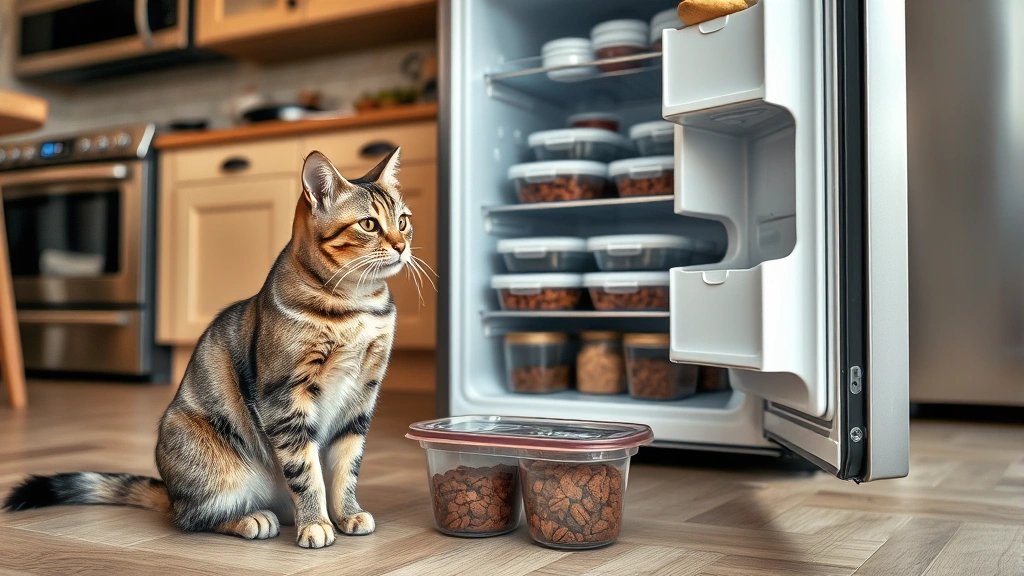
The refrigerator method is the safest and most reliable option. Transfer frozen food to your refrigerator 24 to 48 hours before feeding. Place it in a container to catch any liquid. That is really all there is to it.
Your refrigerator keeps food below 40°F throughout the entire process. There is no bacterial danger zone, and no nutritional damage. Once defrosted, food stays safe in the refrigerator for another 24 to 48 hours — giving you some flexibility if your schedule changes.
If you need to defrost food more quickly, the cold water method is a safe alternative:
- Place frozen food in a sealed, leak-proof bag
- Submerge it in cold water
- Change the water every 30 minutes
- Feed immediately once fully defrosted — do not refrigerate and reheat
Small portions typically defrost in 1 to 2 hours using this method. Larger portions may take 3 to 4 hours. It works well in a pinch, but planning ahead with the refrigerator method is always preferable.
Avoid these methods entirely:
- Counter defrosting — bacteria multiply rapidly at room temperature
- Warm or hot water — raises the surface temperature into the danger zone
- Microwave defrosting — creates hot spots and may destroy nutrients
One practical tip: portion food into meal-sized amounts before freezing. You will only defrost what you need, reduce waste, and cut defrosting time significantly. For more helpful feeding tips, check out additional resources on pet nutrition.
How to Build a Simple Weekly Defrosting Routine
A consistent routine makes raw feeding much easier to manage. Once you find a rhythm that works for your household, it quickly becomes second nature.
Start by working out your pet’s weekly food needs. Most adult dogs do well on roughly 2 to 3 percent of their ideal body weight per day. Cats typically need around 2 to 4 percent. A 50-pound dog, for example, may eat approximately 1 to 1.5 pounds daily — or 7 to 10.5 pounds per week.
A simple rotating schedule works well for most families:
- Choose one day as your weekly meal prep day — Sunday is popular
- Transfer three days’ worth of portions from the freezer to the refrigerator
- On day three, transfer the next three days’ worth of portions
- Repeat the cycle each week
This keeps food defrosting continuously without sitting too long. Another approach is to dedicate one refrigerator drawer to pet food and label sections by day of the week. As you remove each day’s portion, move the next one into that spot. A visual system like this makes it easy to stay on track.
For containers, choose shallow, BPA-free plastic or glass options with tight-fitting lids. Label them clearly for pet food only — never share containers with human food, even after washing. Always store defrosting food on the lowest refrigerator shelf to prevent drips from reaching other items. You will find more organisation strategies here.
How Long Different Portion Sizes Take to Defrost
Defrosting times vary depending on portion size. Knowing what to expect helps you avoid serving partially frozen food — or food that has been sitting too long.
- Small portions (under 8 oz) — medallions and thin patties defrost in around 8 to 12 hours. Transfer before bed for morning feeding, or in the morning for an evening meal.
- Medium portions (8 to 16 oz) — standard patties and small chubs need 12 to 24 hours. An overnight schedule works well here.
- Large portions (over 1 lb) — big chubs or bulk packaging may need 24 to 48 hours. Always check the centre before serving to confirm it has fully thawed.
- Whole prey items — whole fish, rabbit, or poultry may need 48 to 72 hours depending on size. Do not rush these — their structure makes even defrosting especially important.
Use a simple touch test: gently press the centre of the portion through the packaging. If it feels hard or icy, it needs more time. If it feels uniformly soft and cold, it is ready to serve.
Smart Storage Practices to Keep Food Safe
Good freezer organisation makes your defrosting routine much smoother. It also helps prevent waste and cross-contamination.
- Designate a specific section of your freezer exclusively for pet food
- Use the first-in, first-out principle — oldest items at the front, newest at the back
- Store different proteins separately — keep poultry away from red meat and fish
- Most raw pet food stays safe frozen for up to six months — always check packaging for brand-specific guidance
- Label everything with the food type, freezing date, and defrosting date
- Always place defrosting food on the lowest refrigerator shelf to prevent drips
- Keep pet food away from produce drawers and ready-to-eat items
For comprehensive pet care guidance, explore our complete category of articles.
How to Tell If Raw Food Has Gone Off
Even with a careful defrosting routine, it is worth inspecting food before serving it. Knowing what to look for helps you catch a problem before it affects your pet.
Look at the colour. Fresh raw meat holds its natural colour. Some darkening from oxidation is normal. Watch for green, grey, or rainbow-like patches — these could be a sign of bacterial growth. Visible mould means the food should be discarded immediately.
Trust your nose. Fresh raw meat has a mild, slightly metallic smell. If the food smells sour, putrid, or ammonia-like, do not serve it. If the odour makes you recoil, that instinct is worth listening to.
Check the texture. Defrosted meat should be softer than frozen but still hold its structure. Meat that feels unusually mushy or falls apart easily may indicate bacterial breakdown or significant freezer burn.
It is completely normal to feel uncertain at first — raw food does look and smell different from cooked food. With a little experience, you will quickly learn to tell normal variation from a genuine concern. When in doubt, it is always safer to discard the food rather than risk your pet’s wellbeing.
What to Do Right Now
If you are worried about whether you have been defrosting your pet’s raw food safely, here are five practical steps you can take today:
- Check what is currently defrosting. If food has been sitting at room temperature for more than two hours, discard it and start fresh using the refrigerator method.
- Write down your pet’s daily portion size and calculate how much food you need to defrost each week. Keep this note somewhere visible in your kitchen.
- Set a recurring reminder on your phone for your chosen meal prep day — for example, every Sunday evening — to transfer the next batch of portions from freezer to refrigerator.
- Check your storage containers. Make sure they have tight-fitting lids, are labelled for pet food only, and are stored on the lowest refrigerator shelf.
- Inspect today’s portion before serving. Check the colour, smell, and texture using the guidance above. If anything seems off, discard it and use a fresh portion.
It is completely normal to feel worried when you realise something in your routine may not have been quite right. Catching this now and making a simple adjustment puts you in a great position to keep your pet safe going forward.
If you are unsure whether your pet needs urgent care, a quick telehealth check-in can give you peace of mind — no appointment needed.
Common Mistakes to Avoid
Even experienced raw feeders can fall into these habits. Being aware of them makes it easier to avoid them.
- Refreezing thawed food. Once defrosted, do not refreeze raw food. Bacterial counts may have increased even with proper refrigerator defrosting. If you have defrosted too much, use it within the safe window or discard it.
- Leaving food out too long. Set a timer when you put food down. If your pet has not finished within 30 to 60 minutes, refrigerate or discard what remains. Raw food should not sit at room temperature for more than two hours — or one hour if the room is above 90°F.
- Using warm water to speed things up. This raises the surface temperature into the danger zone while the centre stays frozen. Keep freeze-dried raw food on hand as an emergency backup instead.
- Defrosting without a container. Raw meat releases liquid as it thaws. Always use a container that catches drips and prevents contamination of other refrigerator contents.
Conclusion
A safe defrosting schedule for raw food does not need to be complicated. It just needs to be consistent.
The refrigerator method is your most reliable option. Pair it with a simple weekly routine — one prep day, pre-portioned meals, and a rotating schedule — and raw feeding becomes far less stressful.
You are already doing something positive by looking into this. A few small adjustments to your routine can make a real difference to your pet’s safety and your own peace of mind.
Frequently Asked Questions
How long can defrosted raw food stay in the refrigerator?
Defrosted raw pet food is generally considered safe in the refrigerator for 24 to 48 hours. Many commercial brands recommend using it within 24 hours for the best safety margin. Always check the packaging for brand-specific guidance.
Can I defrost raw food on the counter if I am in a hurry?
This is not recommended. Counter defrosting allows bacteria to multiply rapidly in the temperature danger zone. If you need to defrost quickly, the cold water method is a safer alternative — submerge the sealed food in cold water and change the water every 30 minutes.
Is it safe to refreeze raw food after defrosting?
It is best to avoid refreezing raw food once it has been defrosted. Bacterial counts may increase during the defrosting process, and refreezing and rethawing gives bacteria further opportunity to multiply.
What is the fastest safe way to defrost raw pet food?
The cold water method is the quickest safe option. Place the food in a sealed, leak-proof bag, submerge it in cold water, and change the water every 30 minutes. Small portions can defrost in as little as 1 to 2 hours.
How do I know if my defrosting routine is working?
Food should be fully defrosted with no ice crystals remaining, cold to the touch, and smell fresh when it is ready to serve. If you are consistently able to serve food on time without scrambling or discarding spoiled portions, your routine is working well.