
When your dog or cat feels warm to the touch and seems unusually lethargic, finding the right pet fever reducer becomes your immediate concern. A fever in pets isn’t always a sign of something serious, but it’s definitely your cue to take action and get professional guidance. Understanding which medications vets recommend most often can help you feel more confident during these worrying moments.
Table of Contents
- What Is a Fever in Pets and When Should You Worry?
- Signs Your Pet May Be Running a Fever
- How Fever-Reducing Medications Work in Pets
- Common Veterinary-Approved Fever Reducers for Dogs and Cats
- What About Over-the-Counter Options?
- When to Seek Emergency Care for Your Pet’s Fever
- Supporting Your Pet Through Fever Recovery
- The Role of Telehealth in Fever Management
- Frequently Asked Questions
- What To Do Now
- Summary: Finding the Right Pet Fever Reducer for Your Companion
This article is for informational purposes only and is not a substitute for professional veterinary advice. Always consult a licensed veterinarian for diagnosis and treatment.
What Is a Fever in Pets and When Should You Worry?
A pet’s normal body temperature ranges from 100.5°F to 102.5°F, which is naturally higher than humans. When your pet’s temperature climbs above this range, they’re experiencing a fever—their body’s way of fighting infection or responding to inflammation.
Fevers serve an important purpose: they help your pet’s immune system combat bacteria, viruses, or other invaders. However, a sustained high fever can become dangerous and may indicate a serious underlying condition like an infection, inflammatory disease, or even heat stroke.
Catching a fever early puts you in a great position to help your pet recover quickly and comfortably.
Signs Your Pet May Be Running a Fever
Before reaching for any medication, it’s helpful to recognize the common signs that your pet could be experiencing a fever:
- Warm ears or nose to the touch
- Lethargy or unusual tiredness
- Loss of appetite or reduced interest in food
- Shivering or trembling
- Dry nose (though this isn’t always reliable)
- Excessive panting or rapid breathing
- Behavioral changes like hiding or restlessness
If you notice several of these signs together, it’s time to check your pet’s temperature with a digital thermometer and contact your veterinarian. Your vet can determine the underlying cause and recommend the most appropriate treatment.
How Fever-Reducing Medications Work in Pets
Most pet fever reducer medications work by lowering the body’s temperature set point through the hypothalamus, the brain’s thermostat. They also reduce inflammation and discomfort, helping your pet feel better faster.
It’s important to understand that fever reducers address the symptom, not necessarily the cause. Your veterinarian will work to identify what’s triggering the fever—whether it’s an infection, inflammation, or another condition—and treat that underlying issue alongside fever management.
Never give your pet over-the-counter human medications without explicit veterinary approval, as many common fever reducers are toxic to cats and dogs.
Common Veterinary-Approved Fever Reducers for Dogs and Cats
Veterinarians have several safe and effective options when it comes to managing pet fevers. The following medications are commonly prescribed, though your vet will choose based on your pet’s specific situation, age, and health history.
1. NSAIDs (Nonsteroidal Anti-Inflammatory Drugs)
NSAIDs are among the most frequently recommended fever reducers for pets. These medications reduce inflammation and fever while also providing pain relief—a triple benefit for uncomfortable animals. Common veterinary NSAIDs include carprofen, meloxicam, and firocoxib, which are specifically formulated for pet safety.
NSAIDs work well for fever caused by inflammation or mild infections, though your vet may recommend additional treatments for bacterial infections. Always follow your veterinarian’s dosing instructions carefully, and watch for any side effects like decreased appetite or vomiting. If you’re concerned about NSAID safety, learn more about meloxicam overdose in cats to understand proper administration.
2. Acetaminophen (Tylenol)
While acetaminophen is safe for dogs in appropriate doses prescribed by a veterinarian, it’s generally avoided in cats due to their liver’s limited ability to process it. This medication can effectively reduce fever and discomfort in dogs when used under professional guidance.
Never administer acetaminophen to your pet without explicit veterinary direction and dosing instructions. The margin between a safe and toxic dose is relatively narrow, making professional oversight essential.
3. Dipyrone (Metamizole)
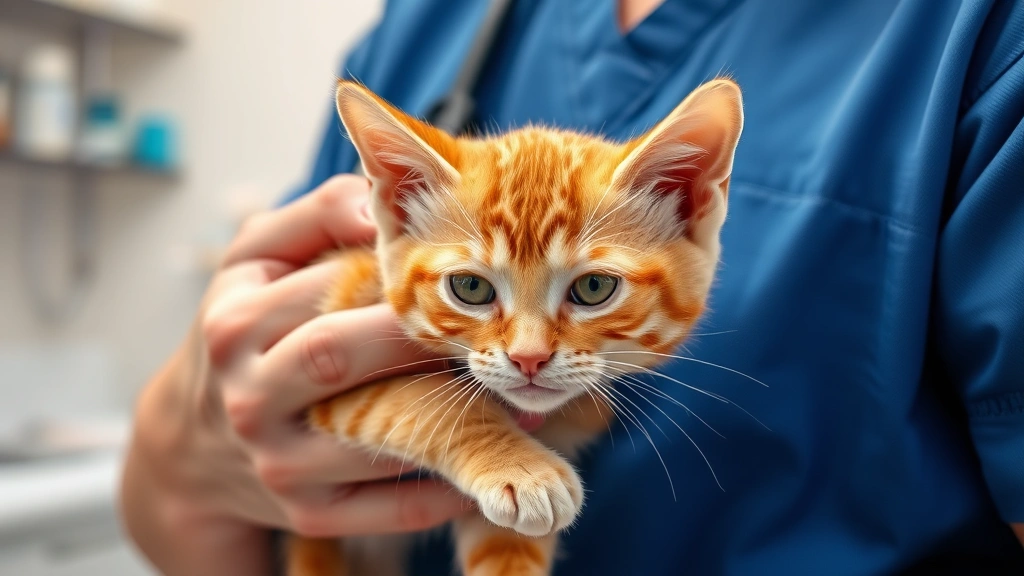
Dipyrone is a powerful fever and pain reducer used in many countries, though its availability varies by region. Veterinarians may recommend it for short-term fever management when other options are less suitable. This medication works quickly and is often well-tolerated by both dogs and cats.
Your vet will determine if dipyrone is appropriate for your pet’s situation and will monitor for any adverse reactions during treatment.
4. Corticosteroids
In some cases, particularly when fever is related to inflammatory or immune-mediated conditions, your veterinarian may prescribe corticosteroids like prednisone or dexamethasone. These powerful anti-inflammatory medications reduce fever by suppressing the immune response.
Corticosteroids are typically reserved for specific conditions and aren’t used as first-line fever reducers for routine infections. Your vet will explain why this medication is necessary for your pet’s particular situation.
5. Ibuprofen (Limited Use)
Ibuprofen is occasionally prescribed by veterinarians for short-term fever and pain management in dogs, though it carries more risk than veterinary-specific NSAIDs. Cats should not receive ibuprofen under any circumstances, as it’s highly toxic to feline kidneys and livers.
If your vet recommends ibuprofen, follow dosing instructions precisely and never exceed the prescribed amount or duration.
6. Aspirin
Low-dose aspirin may be recommended by your veterinarian for fever management in dogs, particularly when anti-inflammatory benefits are also desired. Aspirin has a long history of safe use in veterinary medicine when properly dosed and monitored.
Cats are sensitive to aspirin and should only receive it under close veterinary supervision, as their bodies metabolize it slowly. Always use veterinary-grade aspirin rather than human formulations.
7. Supportive Care and Fluid Therapy
Sometimes the best “medication” for a fever is supportive care combined with intravenous or subcutaneous fluids. Keeping your pet hydrated, cool, and comfortable accelerates recovery and helps their body fight the underlying infection naturally.
Your veterinarian may recommend cool (not cold) compresses, increased water intake, and rest alongside any medications. This holistic approach often works better than medication alone.
What About Over-the-Counter Options?
The market is flooded with over-the-counter “natural” fever reducers and supplements for pets, but most lack scientific evidence and veterinary endorsement. Products containing herbs, essential oils, or unregulated compounds may interact with prescription medications or cause unexpected side effects.
Always consult your veterinarian before giving your pet any over-the-counter product. What seems safe might actually interfere with proper diagnosis or treatment of the underlying condition causing the fever.
When to Seek Emergency Care for Your Pet’s Fever
While most fevers resolve with appropriate treatment, certain situations require immediate veterinary attention. If your pet’s temperature exceeds 104°F, they’re showing signs of severe illness like difficulty breathing or unresponsiveness, or if the fever persists longer than 48 hours, seek emergency care right away.
Don’t wait for an appointment if your pet seems critically ill. Emergency veterinary clinics are equipped to handle serious fever cases and can provide intensive supportive care when needed.

Your quick action during these critical moments can truly make a difference in your pet’s outcome.
Supporting Your Pet Through Fever Recovery
Beyond medication, your comfort and care play a huge role in helping your pet recover from a fever. Keep your pet in a cool, quiet space away from stressors, and ensure fresh water is always available—dehydration often accompanies fever.
Monitor your pet’s appetite and behavior closely, and don’t be alarmed if they seem less interested in food initially. This is normal during illness. Offer small, frequent meals of their regular diet unless your vet recommends otherwise.
Related conditions like vomiting in dogs or nasal congestion in dogs may accompany fever and should be reported to your veterinarian for comprehensive treatment planning.
The Role of Telehealth in Fever Management
If you’re unsure whether your pet needs urgent in-person care, a quick telehealth check-in can give you peace of mind—no appointment needed. The Pet Vet and similar telehealth platforms allow you to describe your pet’s symptoms to a licensed veterinarian who can advise whether an in-person exam is necessary or if home care is appropriate.
This can be particularly helpful during evenings or weekends when your regular vet’s office is closed, and it often helps reduce anxiety while you’re waiting for an appointment.
Frequently Asked Questions
Can I give my pet ibuprofen or acetaminophen from my medicine cabinet?
No—never give human medications without explicit veterinary approval and dosing instructions. Many common pain relievers are toxic to pets, especially cats, and can cause serious organ damage even in small amounts.
How long does it take for fever-reducing medication to work?
Most veterinary fever reducers begin working within 30 minutes to 2 hours, with full effects typically seen within 4-6 hours. Your pet should start showing improvement in energy and appetite as the fever subsides.
Is a fever always bad for my pet?
Fevers are actually your pet’s immune system fighting infection, so they’re not inherently harmful. However, very high fevers (above 104°F) or prolonged fevers indicate a serious problem requiring veterinary care.
What’s the difference between a fever and heat stroke?
A fever is an internal temperature increase triggered by illness or inflammation, while heat stroke results from environmental overheating. Heat stroke is a medical emergency and requires immediate cooling and veterinary care.
Should I use ice packs or cool water to lower my pet’s fever at home?
Cool (not cold) compresses on the ears, paws, or belly can help, but avoid ice packs as extreme cold can cause discomfort and potentially harmful vasoconstriction. Focus on keeping your pet in a cool environment and ensuring adequate hydration.
What To Do Now
- Check your pet’s temperature using a digital thermometer designed for pets (typically inserted rectally) to confirm a fever exists before seeking treatment.
- Contact your veterinarian immediately with your pet’s temperature reading and a description of any other symptoms like lethargy, loss of appetite, or behavioral changes.
- Keep your pet comfortable by providing a cool, quiet resting space with fresh water available at all times while you await veterinary guidance.
- Document symptoms and note when they started—this information helps your vet identify the underlying cause more quickly and choose the right treatment approach.
- Follow your vet’s medication instructions exactly, including dosage and frequency, and report any side effects immediately rather than stopping medication on your own.
Summary: Finding the Right Pet Fever Reducer for Your Companion
A pet fever reducer is an essential tool in managing your pet’s discomfort, but it’s just one part of comprehensive fever treatment. The most important step is getting your pet to a veterinarian who can identify what’s causing the fever and recommend appropriate medication based on your pet’s age, health history, and specific situation.
NSAIDs, acetaminophen, dipyrone, and other veterinary-approved medications have helped countless pets recover from fever-causing illnesses. Never attempt to treat fever with human medications, and always prioritize professional veterinary guidance over over-the-counter options.
Your pet depends on you to recognize the signs of illness and act quickly. By staying informed about fever management and maintaining a strong relationship with your veterinarian, you’re already giving your furry friend the best chance at a speedy recovery. Trust your instincts, reach out for help when you’re unsure, and remember that seeking early treatment often makes all the difference in your pet’s outcome.