
If your cat is limping, reluctant to jump, or seems to be in pain, a torn ligament in cats might be what’s causing their discomfort—and knowing how to help can make all the difference in their recovery.
Table of Contents
- Understanding Torn Ligaments in Cats
- Common Signs Your Cat May Have a Torn Ligament
- How Vets Diagnose Ligament Injuries
- Treatment Options for Torn Ligaments in Cats
- Medications for Pain and Inflammation Management
- Supporting Recovery at Home
- Nutrition’s Role in Healing
- Recovery Timeline and Expectations
- Preventing Future Ligament Injuries
- When to Seek Immediate Veterinary Care
- Frequently Asked Questions
- What To Do Now
- Summary: Helping Your Cat Heal
This article is for informational purposes only and is not a substitute for professional veterinary advice. Always consult a licensed veterinarian for diagnosis and treatment.
Understanding Torn Ligaments in Cats
A torn ligament in cats is a common orthopedic injury that happens when the fibrous tissue connecting bones in a joint stretches beyond its limits or ruptures. Cats are naturally athletic, but sometimes a misstep, fall, or sudden movement can cause these injuries. The most frequently affected areas are the knees, ankles, and shoulders.
Unlike dogs, cats often hide pain remarkably well. You might notice subtle changes in behavior before you spot obvious limping. Early detection gives your cat the best chance at a smooth recovery.
Common Signs Your Cat May Have a Torn Ligament
The symptoms of a torn ligament in cats can vary depending on the severity and location of the injury. Here’s what to watch for:
- Limping or favoring one leg – Your cat may put less weight on the affected limb
- Reluctance to jump or climb – Cats with torn ligaments often avoid activities that stress the injured joint
- Swelling around the joint – You might notice puffiness or heat in the area
- Licking or chewing at the leg – Cats may focus attention on the injured spot
- Decreased activity or lethargy – Pain makes cats less playful and more withdrawn
- Difficulty bearing weight – In severe cases, your cat may refuse to use the leg at all
- Behavioral changes – Irritability or reluctance to be touched near the injury
Catching these signs early puts you in a great position to help your cat heal faster and avoid long-term complications.
How Vets Diagnose Ligament Injuries
Your veterinarian will start with a physical examination, gently manipulating the affected joint to assess stability and pain response. They’ll ask about when you first noticed symptoms and whether your cat had any known trauma or falls.
Imaging is often necessary for a definitive diagnosis. X-rays can show bone fractures, while ultrasound or MRI may be recommended to visualize soft tissue damage like torn ligaments. Some cats may need sedation during these procedures, so your vet will discuss the safest approach for your pet.
Treatment Options for Torn Ligaments in Cats
Treatment depends on the severity of the tear, your cat’s age, and overall health. Your veterinarian will create a personalized plan, but here are the main approaches:
Conservative Management (Rest and Rehabilitation)
For mild to moderate tears, rest is often the foundation of recovery. This means keeping your cat confined to a small, quiet space for several weeks to prevent re-injury. Most cats recover well with appropriate rest, restricted activity, and pain management.
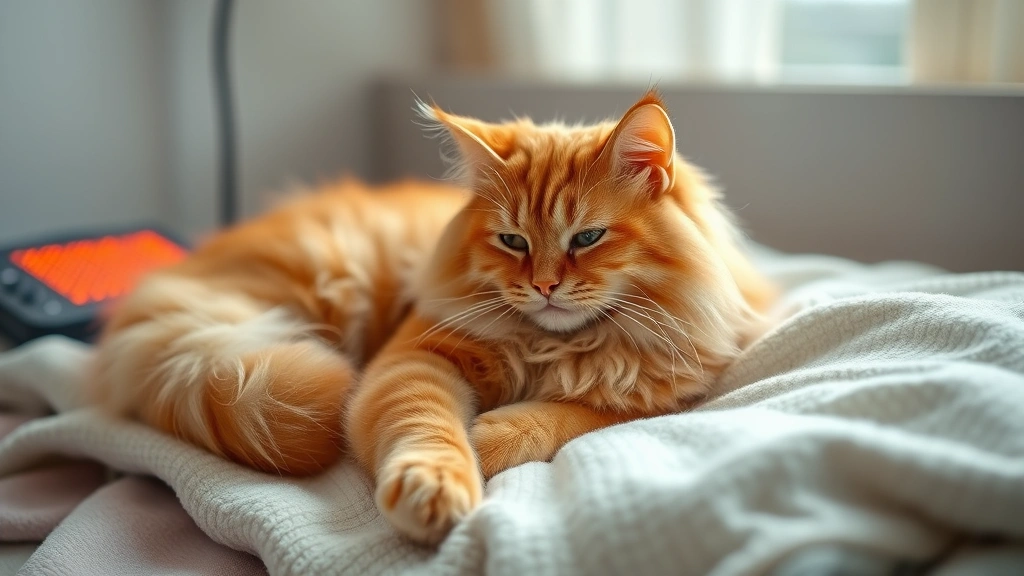
Physical therapy exercises—guided by your vet—can help rebuild strength and mobility as healing progresses. You might use senior cat heating pads to ease discomfort and improve circulation during recovery.
Surgical Intervention
Severe ligament tears, particularly of the anterior cruciate ligament (ACL), often require surgery. Surgical repair stabilizes the joint and allows for faster, more complete healing. Your vet will discuss surgical options and recovery timelines with you.
Medications for Pain and Inflammation Management
Pain management is crucial for your cat’s comfort and willingness to participate in recovery. Your veterinarian may recommend several types of medications to support healing.
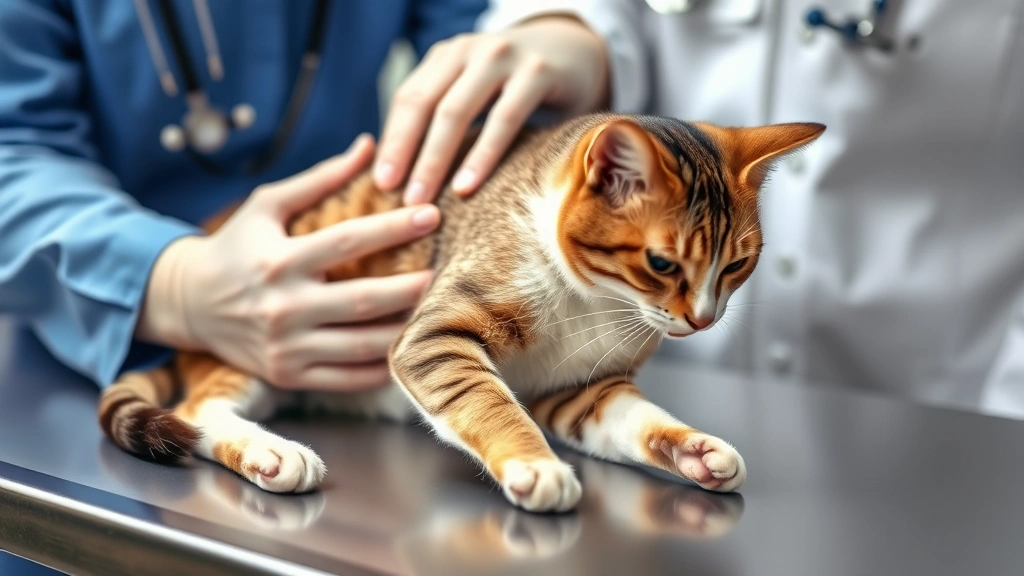
Non-steroidal anti-inflammatory drugs (NSAIDs) help reduce inflammation and pain. These are commonly prescribed for ligament injuries and allow cats to move more comfortably during recovery.
Joint supplements containing glucosamine and chondroitin may support cartilage health and joint function over time. While not a quick fix, these can be beneficial as part of long-term management.
Pain relief medications might include other options your vet considers appropriate for your cat’s specific situation. Always follow your vet’s dosing instructions and watch for any side effects.
Never give your cat over-the-counter pain relievers without veterinary guidance—many human medications are toxic to cats. Your vet will prescribe medications specifically formulated and dosed for feline safety.
Supporting Recovery at Home
Your role in your cat’s recovery is just as important as veterinary treatment. Here are practical ways to support healing:
- Create a comfortable recovery space – Set up a quiet area with easy access to food, water, and litter box to minimize unnecessary movement
- Limit jumping and climbing – Use baby gates or close doors to prevent your cat from accessing high spaces during early recovery
- Use ramps or steps – Help your cat reach favorite spots without jumping, reducing strain on the injured ligament
- Keep litter box accessible – Place it on the same floor as your cat’s recovery area to avoid stairs
- Monitor activity levels – Gradually increase activity only as your vet advises; too much too soon can set back progress
- Apply warmth carefully – Gentle heat can ease discomfort, but avoid anything that might cause burns
Nutrition’s Role in Healing
A balanced diet supports tissue repair and recovery. While you don’t need special foods for ligament healing, ensure your cat receives adequate protein and essential nutrients. Proper nutrition strengthens muscles that support injured joints.
If your cat’s mobility issues affect eating habits, consider elevated food bowls or wet food options that are easier to access. Good nutrition paired with appropriate rest accelerates the healing timeline.
Recovery Timeline and Expectations
Most cats with mild to moderate torn ligaments show improvement within 4 to 8 weeks with proper rest and treatment. However, complete healing can take 3 to 6 months or longer, depending on the severity.
Surgical repairs typically require 8 to 12 weeks for initial healing, with gradual return to normal activity over several months. Your vet will provide specific milestones to watch for and will schedule follow-up exams to monitor progress.
Remember: patience during recovery prevents chronic joint problems. Rushing your cat back to full activity before healing is complete can lead to recurring injuries or arthritis.
Preventing Future Ligament Injuries
Once your cat recovers, prevention becomes important. Keep your cat at a healthy weight—excess weight stresses joints and increases injury risk. Provide safe spaces for climbing and jumping with sturdy cat trees and ramps.
Regular, moderate play keeps muscles strong and flexible, supporting joint stability. Avoid rough play that involves sudden twisting or jumping from extreme heights. Environmental safety—removing hazards and securing loose rugs—reduces fall risks.
Senior cats or those with a history of ligament issues may benefit from joint supplements like those containing glucosamine. Related injuries, such as carpal hyperextension in cats or fractured rib in cats, share similar recovery principles.
When to Seek Immediate Veterinary Care
While most torn ligaments aren’t life-threatening emergencies, certain situations warrant urgent attention. Seek immediate care if your cat cannot bear any weight on the leg, shows signs of severe pain, has an open wound, or if the injury involved a high-impact trauma.
If you’re unsure whether your cat’s condition is urgent, a quick telehealth check-in with The Pet Vet can give you peace of mind—no appointment needed. Our veterinarians can help you determine whether in-person evaluation is necessary right away or if conservative home care is appropriate.
Frequently Asked Questions
Can a torn ligament in cats heal on its own?
Mild tears often heal with rest and pain management, but moderate to severe tears typically require professional treatment. Your vet will determine what’s best for your cat’s specific injury.
How much does surgery for a torn ligament cost?
Surgical costs vary widely depending on your location, the specific procedure, and your veterinary hospital. Discuss pricing options and payment plans with your vet during the consultation.
Is my indoor cat at risk for torn ligaments?
Yes—indoor cats can injure themselves jumping from furniture, playing too vigorously, or even slipping on floors. Any cat can experience a torn ligament.
What’s the difference between a torn ligament and a sprain?
A sprain is a stretch or partial tear of a ligament, while a complete ligament tear is a full rupture. Both cause pain and limping, but complete tears often need more aggressive treatment.
Will my cat have arthritis after a torn ligament?
Some cats develop arthritis in the injured joint over time, especially if the ligament wasn’t properly stabilized during healing. Proper treatment and rehabilitation reduce this risk significantly.
What To Do Now
If you suspect your cat has a torn ligament, here are your next steps:
- Schedule a veterinary examination – Contact your vet or emergency clinic to get your cat evaluated as soon as possible. Describe the symptoms you’ve observed and when they started.
- Restrict your cat’s activity – Keep your cat in a quiet, confined space while you arrange the vet visit to prevent further injury and manage pain.
- Document what you observe – Note which leg is affected, when limping started, and any changes in behavior. This information helps your vet make an accurate diagnosis.
- Prepare questions for your vet – Ask about treatment options, expected recovery time, medication side effects, and activity restrictions specific to your cat’s situation.
- Set up a recovery plan – Once diagnosed, work with your vet to create a detailed recovery timeline and understand your role in supporting healing at home.
Summary: Helping Your Cat Heal
A torn ligament in cats is a challenging situation, but with prompt veterinary care and dedicated home support, most cats recover well. The key is recognizing symptoms early, following your vet’s treatment plan closely, and being patient during the healing process.
Your cat depends on you to notice changes in their behavior and movement. By taking action quickly and providing appropriate care, you’re giving your feline friend the best chance at a full recovery and a pain-free future. The Pet Vet is here to support you every step of the way—whether through telehealth consultations or guidance as you care for your cat at home.
Your cat’s comfort and wellbeing matter. Don’t hesitate to reach out to your veterinarian with questions or concerns during recovery. You’re doing great by seeking information and taking your cat’s health seriously.
This article is for general education and is not a substitute for care from your own veterinarian. Learn about The Pet Vet and our editorial policy.