
If your dog is experiencing vomiting, loss of appetite, or yellowing of the gums and eyes, gallbladder disease in dogs might be what’s happening behind the scenes. This condition affects the small organ responsible for storing and releasing bile to help digest fats, and it’s more common than many pet owners realize.
Table of Contents
- What Is Gallbladder Disease in Dogs?
- Common Signs Your Dog May Have Gallbladder Issues
- Why Does Gallbladder Disease Develop?
- How Vets Diagnose Gallbladder Disease
- Understanding Medication Options for Gallbladder Disease
- Dietary Changes That Support Gallbladder Health
- When Surgery Becomes Necessary
- Supporting Your Dog’s Recovery at Home
- Long-Term Management and Prevention
- When to Seek Emergency Care
- Frequently Asked Questions
- What To Do Now
- Summary: Taking Action on Gallbladder Disease in Dogs
This article is for informational purposes only and is not a substitute for professional veterinary advice. Always consult a licensed veterinarian for diagnosis and treatment.
The good news? When caught early and managed properly, most dogs with gallbladder issues can improve significantly with the right care plan. Let’s walk through what you need to know to help your furry friend feel better.
What Is Gallbladder Disease in Dogs?
The gallbladder is a small, pear-shaped organ tucked under your dog’s liver. Its job is to store bile—a digestive fluid that helps break down fats during meals. When something goes wrong with the gallbladder, it can lead to inflammation, infection, or even rupture if left untreated.
Gallbladder disease encompasses several conditions: cholecystitis (inflammation), cholelithiasis (gallstones), and cholecystitis with rupture (the most serious). Some dogs develop these issues suddenly, while others have chronic, low-grade problems that simmer for months.
Common Signs Your Dog May Have Gallbladder Issues
Dogs with gallbladder problems often show similar symptoms to other digestive conditions, which is why veterinary diagnosis is so important. Watch for these red flags:
- Vomiting (especially after eating fatty foods)
- Loss of appetite or refusing meals
- Abdominal pain or a hunched posture
- Lethargy and unusual tiredness
- Jaundice (yellowing of the eyes, gums, and ears)
- Diarrhea or pale, clay-colored stools
- Fever (a sign of infection)
Catching these signs early puts you in a great position to help your dog avoid serious complications. If you notice any combination of these symptoms, a vet visit should be your next step.
Why Does Gallbladder Disease Develop?
Several factors increase a dog’s risk of developing gallbladder problems. Older dogs, particularly females, face higher rates of this condition. Certain breeds like Shetland Sheepdogs and Chihuahuas seem predisposed.
High-fat diets, obesity, and liver disease (including liver failure in dogs) can trigger gallbladder inflammation. Additionally, infections, hormonal imbalances, and even genetics play roles in whether your dog develops this condition.
How Vets Diagnose Gallbladder Disease
Your veterinarian won’t rely on symptoms alone. A thorough diagnosis typically includes blood work to check liver and pancreatic enzymes, along with imaging studies.
Ultrasound is the gold standard for gallbladder assessment—it shows inflammation, stones, and whether the bile ducts are blocked. In some cases, your vet might recommend X-rays or advanced imaging to rule out other conditions affecting the abdomen.
Understanding Medication Options for Gallbladder Disease
While the title mentions “7 proven medications,” it’s crucial to understand that medication alone rarely cures gallbladder disease. Instead, medications support the gallbladder’s function and manage symptoms while your dog heals. Your veterinarian will tailor the approach based on whether your dog has inflammation, infection, or bile flow problems.
Here’s what your vet might consider:
Ursodeoxycholic Acid (Ursodiol)
This medication helps dissolve gallstones and improve bile flow. It’s often used for dogs with cholecystitis or bile duct obstruction. Your vet will determine the appropriate dosing schedule based on your dog’s condition.
Antibiotics
If infection is suspected, antibiotics become essential. They target bacterial overgrowth that can worsen inflammation and lead to serious complications. Your veterinarian chooses specific antibiotics based on culture results when possible.
Anti-Nausea Medications
Dogs with gallbladder disease often feel queasy. Anti-nausea medications help your dog maintain appetite and nutrition during recovery, which is vital for healing.
Pain Management
Abdominal pain from gallbladder inflammation is real and uncomfortable. Pain relief medications improve quality of life and help your dog rest properly while the gallbladder heals.
Hepatoprotectants (Liver-Support Supplements)
Medications like S-adenosyl methionine (SAMe) and milk thistle support liver function, which is closely linked to gallbladder health. These work alongside other treatments to optimize digestive organ function.
Pancreatic Enzyme Supplements
When gallbladder disease affects digestion, pancreatic enzymes can help your dog properly break down food and absorb nutrients.
Probiotics and Digestive Aids
Restoring healthy gut bacteria supports overall digestive health and can reduce inflammation throughout the gastrointestinal tract.
Important note: Never give your dog any medication without explicit veterinary guidance. Dosages, combinations, and duration depend entirely on your individual dog’s condition, age, and other health factors.
Dietary Changes That Support Gallbladder Health
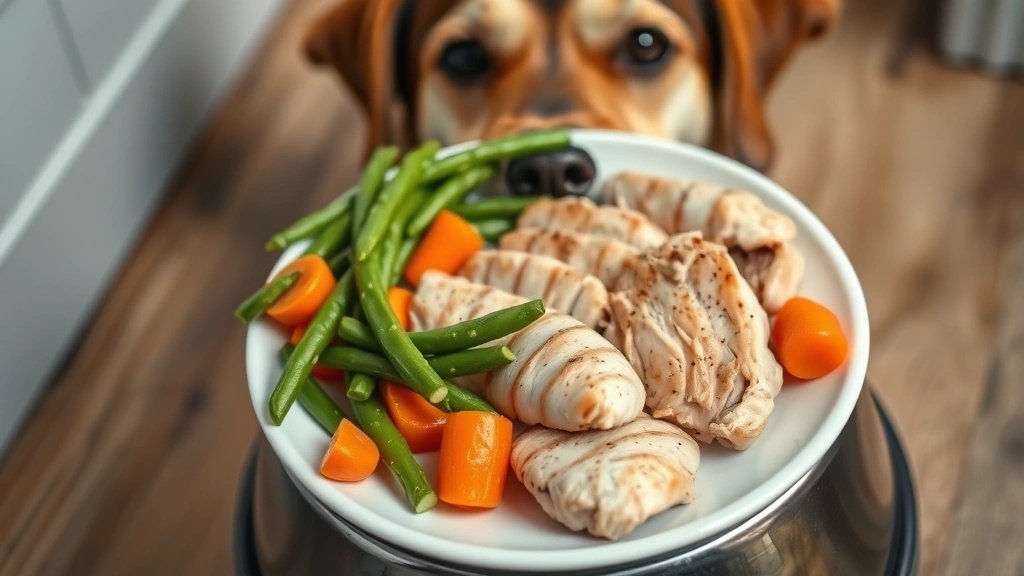
Diet is one of the most powerful tools for managing gallbladder disease. Most vets recommend a low-fat diet during recovery—typically less than 10-15% fat content. High-fat foods trigger bile release and can worsen symptoms.
Consider these dietary adjustments:
- Switch to prescription or therapeutic diets formulated for digestive or liver health
- Feed smaller, more frequent meals (3-4 times daily) instead of one large meal
- Avoid table scraps and fatty treats completely during recovery
- Choose lean protein sources like chicken breast or fish
- Add fiber through vegetables to support digestive health
You might also explore homemade renal diet options with your vet’s guidance, or consider feeding for immune support to help your dog’s body fight inflammation naturally.
When Surgery Becomes Necessary
In some cases, medical management isn’t enough. If the gallbladder ruptures, becomes severely infected, or if stones completely block the bile ducts, surgery may be the best option. Cholecystectomy (gallbladder removal) is a procedure many dogs recover from well, especially when caught before rupture occurs.
Your vet will discuss surgical options only if they believe medication and diet alone won’t resolve the issue. Recovery typically takes 2-4 weeks, with most dogs returning to normal activity afterward.
Supporting Your Dog’s Recovery at Home
Beyond medication and diet, your care at home makes a real difference. Keep your dog calm and rested—avoid strenuous exercise during the acute phase. Monitor water intake and ensure your dog stays hydrated, as vomiting can lead to dehydration.
Track your dog’s appetite, stool quality, and energy levels daily. Note any changes to share with your vet at follow-up appointments. These details help your veterinarian adjust treatment as needed.
If you’re unsure whether your pet needs urgent care or has questions about recovery, a quick telehealth check-in with The Pet Vet can give you peace of mind—no appointment needed. Our vets can review your dog’s symptoms and help you decide next steps from the comfort of your home.
Long-Term Management and Prevention
Once your dog recovers from an acute gallbladder episode, prevention becomes the focus. Maintaining a healthy weight reduces strain on the digestive system. Regular exercise (appropriate for your dog’s age and health) keeps metabolism steady.
Continue feeding a low-fat diet long-term, even after symptoms resolve. Some dogs are prone to recurrent gallbladder issues, so consistency matters. Schedule regular vet checkups—annual visits help catch problems early before they become serious.
If your dog has muscle wasting in dogs or other signs of nutritional deficiency from chronic gallbladder disease, your vet might recommend supplements or dietary adjustments to support overall body condition.
When to Seek Emergency Care
Some situations demand immediate veterinary attention. If your dog shows signs of severe abdominal pain, persistent vomiting, fever, collapse, or sudden jaundice, head to an emergency clinic right away. A ruptured gallbladder is life-threatening and requires emergency surgery.
Don’t wait it out hoping symptoms improve on their own. Early intervention can mean the difference between a full recovery and serious complications.
Frequently Asked Questions
Can gallbladder disease in dogs go away on its own?
Mild cases caught very early might improve with dietary changes and rest, but most require veterinary treatment. Without intervention, the condition typically worsens over time.
Is gallbladder disease painful for dogs?
Yes, inflammation and infection cause real abdominal discomfort. Your vet can prescribe pain relief to help your dog feel better during recovery.
Can dogs live normally after gallbladder removal?
Absolutely. Many dogs thrive after cholecystectomy, though they may need to stay on a low-fat diet long-term to prevent digestive upset.
What’s the difference between gallbladder disease and liver disease?
The gallbladder stores bile; the liver produces it. While separate organs, they work closely together, and problems in one can affect the other. Your vet can distinguish between them through imaging and blood work.
How much does gallbladder disease treatment cost?
Costs vary widely depending on severity, diagnostics needed, and whether surgery is required. Initial exams and ultrasounds might cost $500-$1500, while surgery can range $2000-$5000 or more. Discuss costs with your vet upfront.
What To Do Now
- Schedule a vet appointment immediately if your dog shows symptoms like vomiting, loss of appetite, or jaundice. Bring a detailed list of when symptoms started and any changes you’ve noticed.
- Avoid fatty foods and treats starting today. Switch to a bland, low-fat diet (boiled chicken and rice) while awaiting your vet visit to reduce gallbladder strain.
- Document your dog’s symptoms in a notebook or phone notes—include timing, severity, and any triggers you notice. This helps your vet make an accurate diagnosis.
- Ask your vet about follow-up care after diagnosis, including medication schedules, dietary recommendations, and when to expect improvement.
- Consider a telehealth consultation if you need quick guidance before an in-person appointment. The Pet Vet’s vets can help you assess urgency and plan your next steps.
Summary: Taking Action on Gallbladder Disease in Dogs
Gallbladder disease in dogs is serious but manageable when caught early and treated properly. Medications, dietary changes, and veterinary care work together to help your dog recover and prevent recurrence. While the condition requires commitment from you as a pet owner, most dogs respond well to a comprehensive treatment plan tailored to their specific needs.
The key is recognizing symptoms early, getting professional diagnosis, and following your vet’s recommendations consistently. Your dog is counting on you to notice when something’s off—and you’re already on the right track by learning about this condition. Trust your instincts, ask your vet questions, and remember that you’re not alone in navigating this health challenge.
Your dog’s health and comfort are worth the effort. With proper care, most dogs with gallbladder disease go on to live happy, normal lives.