
If your dog is showing signs of sepsis in dogs, you’re likely feeling frightened and unsure what comes next. Sepsis is a life-threatening condition that occurs when your dog’s body has an extreme reaction to an infection, and recognizing it early can make all the difference in their recovery.
Table of Contents
- What Is Sepsis in Dogs?
- Common Causes of Sepsis in Dogs
- Early Warning Signs Your Dog May Be Experiencing Sepsis
- How Vets Diagnose Sepsis in Dogs
- Medications Used to Treat Sepsis in Dogs
- The Role of Intensive Care and Hospitalization
- Recovery and Long-Term Outlook After Sepsis
- Prevention: Reducing Your Dog’s Sepsis Risk
- When to Seek Emergency Care for Your Dog
- Frequently Asked Questions
- What To Do Now
- Summary: Sepsis in Dogs Requires Swift Action
This article is for informational purposes only and is not a substitute for professional veterinary advice. Always consult a licensed veterinarian for diagnosis and treatment.
What Is Sepsis in Dogs?
Sepsis develops when bacteria, fungi, or other pathogens enter your dog’s bloodstream and trigger a cascade of inflammatory responses throughout their body. Unlike a localized infection that stays in one area, sepsis spreads systemically and can damage multiple organs within hours.
Think of it as your dog’s immune system going into overdrive. While the body is trying to fight off the infection, the inflammatory response itself becomes dangerous, potentially leading to organ failure, shock, and even death if left untreated.
Early recognition and aggressive treatment are your best tools. Catching this early puts you in a great position to help your dog recover.
Common Causes of Sepsis in Dogs
Sepsis doesn’t appear out of nowhere—it typically develops from an existing infection that has spread. Understanding the source helps you recognize warning signs faster.
Common causes include:
- Untreated wounds or abscesses in dogs: A bite wound or puncture that becomes infected can rapidly progress to sepsis.
- Urinary tract infections: Especially if they ascend to the kidneys and bloodstream.
- Pneumonia or respiratory infections: Lung infections can seed bacteria into the blood.
- Gastrointestinal perforations: A ruptured intestine allows bacteria to flood the abdomen.
- Swollen lymph nodes and related infections: Systemic lymphatic involvement can progress to sepsis.
- Dental infections: Untreated tooth root infections can enter the bloodstream.
- Post-surgical complications: Infections following surgery or wound contamination.
Any infection that goes untreated has the potential to become sepsis. This is why prompt veterinary care for even “minor” wounds matters so much.
Early Warning Signs Your Dog May Be Experiencing Sepsis
The symptoms of sepsis in dogs can develop rapidly, sometimes within 24 to 48 hours. Your dog may seem fine one moment and critically ill the next.
Watch for these red flags:
- Fever or abnormally low body temperature: A temperature above 103°F (39.4°C) or below 98.6°F (37°C) is concerning.
- Lethargy and weakness: Your dog seems unusually tired and unresponsive.
- Rapid or difficult breathing: Panting or labored breaths at rest.
- Elevated heart rate: You may notice their heart racing or weak pulses.
- Pale or bluish gums: A sign of poor circulation.
- Vomiting or diarrhea: Gastrointestinal upset is common.
- Shaking or tremors: Chills and involuntary muscle contractions.
- Confusion or disorientation: Your dog seems “out of it” or doesn’t recognize you.
- Reluctance to eat or drink: Loss of appetite is a major red flag.
If you notice any combination of these symptoms, don’t wait. Your dog needs immediate veterinary evaluation. Catching this early puts you in a great position to help.
How Vets Diagnose Sepsis in Dogs
Diagnosing sepsis requires a combination of clinical observation and laboratory work. Your veterinarian will perform a thorough physical examination and ask detailed questions about your dog’s recent health history.
Diagnostic tools typically include:
- Blood cultures: Samples taken to identify the specific pathogen causing infection.
- Complete blood count (CBC): Checks white blood cell levels and other indicators of infection.
- Blood chemistry panel: Evaluates organ function, particularly the kidneys and liver.
- Urinalysis: Screens for urinary tract involvement.
- Imaging (X-rays or ultrasound): Helps identify the source of infection.
- Lactate levels: Elevated lactate indicates tissue damage and poor perfusion.
Speed matters here. Many emergency veterinary clinics can run these tests within hours, allowing treatment to begin immediately.
Medications Used to Treat Sepsis in Dogs
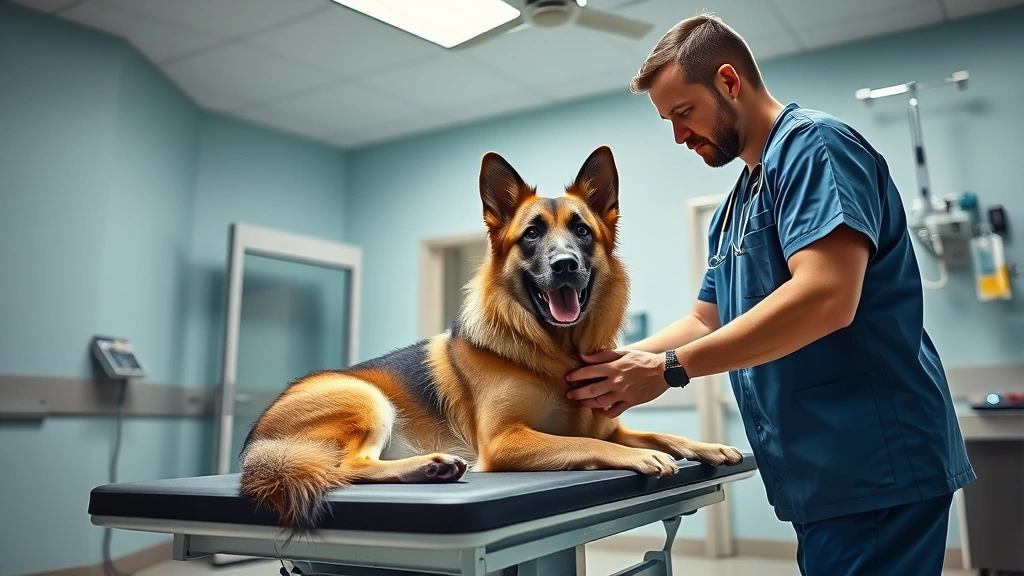
Treatment for sepsis in dogs is aggressive and multifaceted. While medications are crucial, they work best alongside supportive care like IV fluids and oxygen therapy.
Antibiotics and Antimicrobials
Broad-spectrum antibiotics are the cornerstone of sepsis treatment. Your veterinarian will likely start treatment before culture results come back, using medications that cover a wide range of bacteria.
Once the specific pathogen is identified, antibiotics may be adjusted for targeted therapy. Treatment typically continues for 7 to 14 days, depending on the severity and source of infection.
Vasopressors and Cardiovascular Support
Sepsis causes blood vessels to dilate and blood pressure to drop dangerously. Your veterinarian may use medications to maintain adequate blood pressure and ensure organs receive sufficient oxygen and nutrients.
These medications help stabilize your dog’s circulation during the critical early hours of treatment.
Anti-Inflammatory Medications
While fighting infection is essential, controlling the excessive inflammatory response is equally important. Your vet may use medications to reduce inflammation without suppressing the immune response needed to fight the infection.
Supportive Medications
Your dog may also receive anti-nausea medication to manage vomiting, pain relievers for comfort, and medications to protect the gastrointestinal tract.
Each medication serves a specific purpose in helping your dog’s body recover.
The Role of Intensive Care and Hospitalization
Most dogs with sepsis require hospitalization in an intensive care unit. This isn’t optional—it’s where your dog gets the constant monitoring and rapid interventions needed to survive.
During hospitalization, your dog will receive:
- Continuous IV fluid therapy to maintain hydration and blood pressure.
- Oxygen therapy if breathing is compromised.
- Frequent monitoring of vital signs and laboratory values.
- Pain management and comfort measures.
- Nutritional support, sometimes through feeding tubes if oral intake isn’t possible.
The cost of intensive care is significant, but the alternative—losing your dog—makes the investment worthwhile for many families. Ask your veterinarian about payment options if cost is a concern.
Recovery and Long-Term Outlook After Sepsis
Recovery from sepsis is possible, but it requires time and patience. Dogs who survive the acute phase may still experience complications like muscle wasting in dogs or lingering weakness.
Your dog’s recovery will include:
- Follow-up veterinary visits: Regular check-ins to monitor healing and adjust medications.
- Gradual activity increase: Rest is crucial; your dog shouldn’t resume normal exercise immediately.
- Nutritional support: High-quality diet to support tissue repair and immune function.
- Medication management: Completing the full course of antibiotics as prescribed.
- Monitoring for complications: Watch for signs of organ damage or secondary infections.
Some dogs recover fully and return to their normal lives. Others may have lingering effects that require ongoing management and permanent feeding routine adjustments or activity restrictions.
Prevention: Reducing Your Dog’s Sepsis Risk
While you can’t prevent every infection, you can significantly reduce your dog’s risk of developing sepsis by addressing infections promptly.

Here’s how:
- Treat wounds immediately: Clean any cuts, bites, or punctures and have your vet evaluate them.
- Don’t ignore signs of infection: Swelling, discharge, heat, or odor around a wound means veterinary attention is needed.
- Keep up with preventive care: Regular check-ups help catch infections early.
- Maintain dental health: Brush your dog’s teeth and have professional cleanings as recommended.
- Manage chronic conditions: Diabetes and other conditions increase infection risk; keep them well-controlled.
- Use flea and tick prevention: These parasites can introduce infections.
- Ensure proper post-surgical care: Follow all wound care instructions after surgery or dental procedures.
Prevention is always easier than treatment, especially with a condition as serious as sepsis.
When to Seek Emergency Care for Your Dog
Trust your instincts. If your dog seems seriously ill—especially if you notice multiple symptoms from the list above—seek emergency care immediately. Don’t wait for an appointment with your regular veterinarian.
Go to an emergency veterinary clinic if your dog has:
- High fever (above 104°F or 40°C) or very low temperature.
- Difficulty breathing or gasping for air.
- Unresponsiveness or severe lethargy.
- Pale or blue-tinged gums.
- Collapse or inability to stand.
- Severe vomiting or diarrhea with fever.
- Any combination of fever, weakness, and rapid heart rate.
If you are unsure whether your pet needs urgent care, a quick telehealth check-in with The Pet Vet can give you peace of mind — no appointment needed. Our veterinarians can help you assess the situation and guide you toward the right level of care.
Frequently Asked Questions
How quickly can sepsis develop in dogs?
Sepsis can develop within 24 to 48 hours of initial infection. In some cases, symptoms may appear even faster, which is why recognizing early warning signs is so critical.
What is the survival rate for dogs with sepsis?
Survival rates vary based on the source of infection, how quickly treatment begins, and your dog’s overall health. Early intervention and aggressive treatment significantly improve outcomes, with many dogs surviving when treated promptly in intensive care settings.
Can sepsis in dogs be treated at home?
No. Sepsis is a medical emergency requiring hospitalization and intensive monitoring. Attempting home treatment will likely result in your dog’s death. Your dog needs IV medications, fluids, and constant veterinary supervision.
Will my dog need antibiotics forever after sepsis?
No. Antibiotics are typically prescribed for 7 to 14 days to clear the infection. Your veterinarian will determine the appropriate duration based on your dog’s response and recovery.
What causes sepsis to be fatal in dogs?
Sepsis becomes fatal when the inflammatory response damages vital organs beyond repair, leading to organ failure and shock. This is why early treatment and intensive care are so important—they prevent this cascade of damage.
What To Do Now
If you’re concerned your dog may have sepsis or another serious infection, here are your next steps:
- Monitor your dog’s temperature and behavior: Take note of any fever, lethargy, or difficulty breathing, and document when symptoms started.
- Contact your veterinarian or emergency clinic immediately: Describe your dog’s symptoms and ask for urgent evaluation. Don’t delay.
- Prepare for possible hospitalization: Have a plan in place for your dog to stay overnight or longer if recommended by your vet.
- Ask about telehealth support: If you’re unsure whether your dog needs emergency care right now, The Pet Vet’s telehealth service can provide guidance within minutes.
- Follow all post-treatment instructions: Complete medications as prescribed, attend follow-up appointments, and report any new symptoms immediately.
Summary: Sepsis in Dogs Requires Swift Action
Sepsis in dogs is a life-threatening emergency, but it is treatable when caught early and managed aggressively. Recognizing the warning signs—fever, lethargy, rapid breathing, and weakness—and seeking immediate veterinary care can save your dog’s life.
Treatment involves antibiotics, cardiovascular support, anti-inflammatory medications, and intensive supportive care. Hospitalization is essential, and recovery requires patience and careful follow-up.
You know your dog best. If something feels wrong, trust that instinct and seek help immediately. The hours you save by acting quickly could be the difference between recovery and tragedy.
Your dog is counting on you to be their advocate. You’ve got this.