
If your cat has been diagnosed with a liver shunt in cats, you’re likely feeling worried and overwhelmed by the medical terminology and treatment options ahead. A liver shunt—also called a portosystemic shunt—is a condition where blood bypasses the liver instead of flowing through it, which means your cat’s body isn’t filtering toxins the way it should. The good news? Many cats with this condition can live happy, comfortable lives with the right management plan and your dedication to their care.
Table of Contents
- What Exactly Is a Liver Shunt in Cats?
- Common Signs Your Cat May Be Experiencing a Liver Shunt
- How Vets Diagnose Liver Shunt Conditions
- Medication Options for Managing Liver Shunt Symptoms
- Dietary Management: Feeding Your Cat With a Liver Shunt
- Supplements and Liver Support for Feline Health
- Managing Ammonia Levels Naturally
- When Surgery Might Be Recommended
- Supporting Your Cat’s Quality of Life
- What To Do Now
- Frequently Asked Questions
- Summary: Managing Your Cat’s Liver Shunt With Confidence
This article is for informational purposes only and is not a substitute for professional veterinary advice. Always consult a licensed veterinarian for diagnosis and treatment.

What Exactly Is a Liver Shunt in Cats?
A liver shunt occurs when a blood vessel (or sometimes multiple vessels) allows blood to flow around the liver instead of through it. Think of your cat’s liver as a filter—when blood bypasses it, toxins and waste products aren’t removed from the bloodstream as efficiently. This can lead to a buildup of ammonia and other harmful substances that affect your cat’s brain, digestion, and overall health.

The condition can be present from birth (congenital) or develop later in life (acquired). Congenital shunts are more common in cats and are often discovered when kittens or young cats show unusual symptoms. Acquired shunts typically develop due to liver disease or cirrhosis.

Common Signs Your Cat May Be Experiencing a Liver Shunt
Recognizing symptoms early is crucial for your cat’s wellbeing. Here are the signs that could indicate your cat is experiencing a liver shunt:

- Neurological symptoms: Lethargy, confusion, disorientation, or “drunken” behavior
- Digestive issues: Vomiting, diarrhea, poor appetite, or weight loss
- Behavioral changes: Aggression, excessive drooling, or unusual vocalization
- Physical signs: Jaundice (yellowing of the eyes and ears), pale gums, or an unusually small body size
- Seizures or tremors: In more severe cases
Catching these symptoms early puts you in a great position to help your cat feel better. If you’ve noticed any of these signs, your veterinarian can run blood tests and imaging to confirm whether a liver shunt is the culprit.

How Vets Diagnose Liver Shunt Conditions
Your veterinarian will typically start with a physical exam and blood work, looking for elevated ammonia levels and liver enzymes. Specialized imaging like ultrasound or CT scans can help visualize the shunt itself and determine its severity. Some cats may need advanced imaging such as nuclear scintigraphy to pinpoint exactly where the abnormal blood vessel is located.

The diagnostic process can feel lengthy, but each test gives your vet crucial information about your cat’s specific situation. This helps them create the most effective treatment plan tailored to your cat’s needs.
Medication Options for Managing Liver Shunt Symptoms
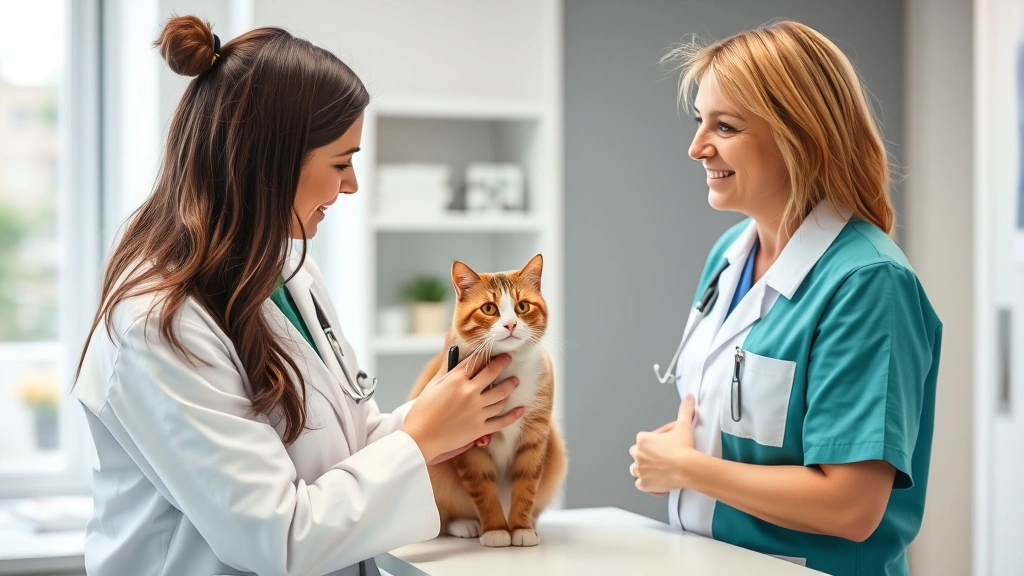
While surgery is sometimes an option for congenital shunts, many cats are managed successfully with medications and dietary changes. Your veterinarian may recommend several types of medications to support your cat’s liver function and reduce ammonia levels.

Lactulose is commonly prescribed to help reduce ammonia absorption in the intestines. Antibiotics may be used to decrease ammonia-producing bacteria in the gut. Liver support supplements containing ingredients like milk thistle or SAMe can help protect liver cells. Your vet might also suggest medications to manage specific symptoms like nausea or seizures, depending on your cat’s individual presentation.

Never start or stop any medication without consulting your veterinarian first. The right medication combination is highly individual and depends on your cat’s age, weight, kidney function, and overall health status. If you’re unsure whether your pet needs urgent care or want to discuss medication options, a quick telehealth check-in with The Pet Vet can give you peace of mind—no appointment needed.

Dietary Management: Feeding Your Cat With a Liver Shunt
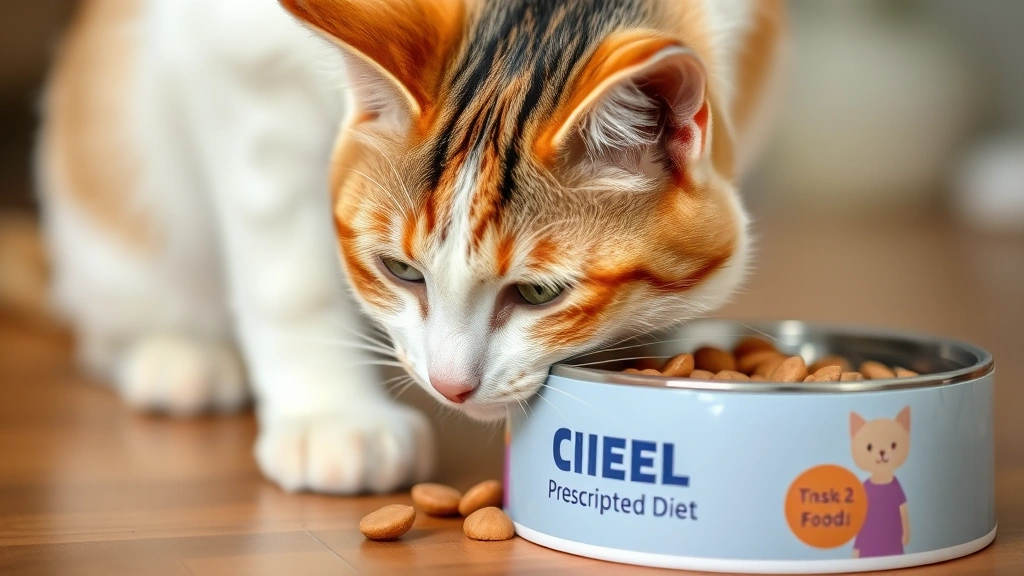
Diet plays a major role in managing liver shunt symptoms. A specialized diet can reduce the workload on your cat’s liver and help minimize ammonia production. Many vets recommend a diet that is:
- Lower in protein (but not protein-deficient—your cat still needs adequate amino acids)
- Higher in digestible, high-quality proteins
- Limited in copper and iron
- Enriched with vitamins and minerals that support liver health
Your vet may recommend prescription diets specifically formulated for liver support, or they might suggest home-cooked meals with their guidance. Consistency is key—sudden diet changes can upset your cat’s sensitive system. Learn more about foods cats should avoid to protect their liver health.

Small, frequent meals are often better tolerated than larger ones. Some cats do well with a structured feeding schedule that helps regulate their digestive system and ammonia levels.

Supplements and Liver Support for Feline Health
Beyond prescription medications, certain supplements can support your cat’s liver function. SAMe (S-adenosylmethionine) is an amino acid derivative that may help protect liver cells and improve liver function. Milk thistle contains silymarin, which has been studied for its potential liver-protective properties. Vitamin E acts as an antioxidant to reduce cellular damage.

However, not all supplements are appropriate for every cat with a liver shunt. Some may even be harmful if your cat has certain types of liver disease. Always discuss supplements with your veterinarian before adding them to your cat’s routine. Similar to how liver support options work for dogs, cats benefit from a comprehensive approach that combines medication, diet, and targeted supplementation.

Managing Ammonia Levels Naturally
Beyond medication, several lifestyle strategies can help keep ammonia levels in check. Maintaining a stress-free environment is important—stress can worsen symptoms. Ensure your cat has access to fresh water at all times, as hydration supports kidney and liver function.
Regular, gentle exercise appropriate for your cat’s energy level can help maintain muscle mass, which plays a role in ammonia metabolism. Monitor your cat’s litter box habits closely—constipation can increase ammonia absorption, so keeping your cat regular is important. Discuss any digestive changes with your vet immediately.
When Surgery Might Be Recommended
For some cats with congenital liver shunts, surgical correction may be an option. This procedure involves closing or reducing the abnormal blood vessel so blood flows through the liver normally. However, surgery isn’t appropriate for all cats—age, overall health, and the type of shunt all factor into this decision.
Your veterinarian will discuss whether your cat is a surgical candidate and what the risks and benefits might be. Some cats do remarkably well after shunt surgery, while others continue to need medication and dietary management. The decision is highly individual and should be made in close consultation with your vet.
Supporting Your Cat’s Quality of Life
Living with a liver shunt doesn’t mean your cat can’t enjoy a good quality of life. Many cats thrive with consistent management. Create a calm, comfortable space where your cat can rest. Keep their environment predictable and minimize stressors like loud noises or frequent changes.
Monitor your cat closely for any changes in behavior, appetite, or litter box habits. Keep a symptom journal—this information is invaluable for your vet in adjusting treatment as needed. Regular veterinary check-ups (usually every 3-6 months, depending on severity) help catch any complications early.
Remember, you’re not alone in this journey. Your veterinary team is there to support you and your cat every step of the way.
What To Do Now
- Schedule a comprehensive veterinary exam: If your cat hasn’t been recently evaluated, book an appointment to discuss symptoms and get baseline blood work and imaging done.
- Request a detailed treatment plan: Ask your vet to explain the specific medications, diet, and supplements they recommend for your cat’s situation, including how to administer them and what to watch for.
- Discuss dietary changes: Work with your vet to transition your cat to an appropriate diet, and ask for written feeding guidelines you can reference at home.
- Set up a monitoring system: Create a simple chart to track your cat’s symptoms, appetite, behavior, and litter box habits so you can report changes at your next visit.
- Explore telehealth options: Consider having The Pet Vet’s contact information handy for quick questions between regular appointments—it can help you feel more confident in your cat’s care.
Frequently Asked Questions
Can a cat with a liver shunt live a normal lifespan?
Many cats with a liver shunt can live for years with proper management through medication, diet, and regular veterinary care. The prognosis depends on the severity of the shunt and how well your cat responds to treatment.
Is a liver shunt in cats painful?
A liver shunt itself isn’t typically painful, but the symptoms it causes—like nausea, digestive upset, or neurological issues—can make your cat uncomfortable. Proper treatment helps minimize these discomforts.
Do all cats with liver shunts need surgery?
No. Many cats are successfully managed with medication and dietary changes alone. Surgery is considered on a case-by-case basis and isn’t appropriate for all cats.
What foods should I avoid giving my cat with a liver shunt?
Avoid high-protein treats, fatty foods, and anything high in copper or iron. Your vet can provide a specific list of foods to avoid based on your cat’s individual needs. See our guide on foods cats should avoid for more details.
How often does my cat need veterinary check-ups with a liver shunt?
Most cats with a liver shunt need check-ups every 3-6 months, though your vet may recommend more frequent visits initially or if symptoms worsen. Regular monitoring helps catch complications early.
Summary: Managing Your Cat’s Liver Shunt With Confidence
A diagnosis of liver shunt in cats can feel daunting, but it’s absolutely manageable with the right approach. Understanding the condition, working closely with your veterinarian, and committing to medication, diet, and lifestyle adjustments can significantly improve your cat’s quality of life and comfort.
The key is consistency and vigilance. Stay alert to symptom changes, keep up with veterinary appointments, and don’t hesitate to reach out to your vet with questions. Your dedication to your cat’s care makes all the difference. Many cats with liver shunts go on to live happy, fulfilling lives surrounded by the love and support of owners like you.
This article is for general education and is not a substitute for care from your own veterinarian. Learn about The Pet Vet and our editorial policy.