
Overview
This guide provides seven practical methods to help pet owners successfully administer medication to reluctant cats and dogs who naturally resist pills and liquids due to survival instincts and past negative experiences. Techniques range from hiding pills in food and treats to direct administration, offering solutions tailored to different pet personalities and situations.
Table of Contents
- Why Pets Resist Medication
- The Pill Pocket Technique
- Hiding Medication in Food
- The Butter or Peanut Butter Method
- Direct Administration Technique
- Compounding Medications
- Medication Treats and Chews
- The Two-Treat Method
- Tips for Success
- When Nothing Works
- Common Mistakes to Avoid
- What To Do Right Now
- Conclusion
- Frequently Asked Questions
If you are struggling to get your pet to take their medication, you are not alone — and you are not failing them. Getting a pill or liquid into a reluctant cat or dog is genuinely hard, and it is completely normal to feel frustrated.
This article is for informational purposes only and is not a substitute for professional veterinary advice. Always consult a licensed veterinarian for diagnosis and treatment.
The good news is that there are several proven techniques that can help. This guide walks you through seven practical methods so you can find what works best for your pet’s personality.
Why Your Pet Refuses Medication — And Why It Is Not Their Fault
Your pet is not being stubborn on purpose. Their resistance comes from natural instincts that helped their wild ancestors avoid harmful substances.
A bitter pill or unfamiliar smell can trigger those deeply wired survival responses. Animals are naturally cautious about anything that tastes or smells unusual.
Past experiences also play a role. If a previous medication was unpleasant, your pet may have learned to associate the pill bottle — or even your approach — with that memory.
A few other common reasons pets resist medication:
- Texture sensitivity — even a small pill can feel uncomfortable in their mouth
- Genuinely bitter or chemical tastes that are hard to mask
- Picking up on your anxiety, which makes them more alert and cautious
It is completely normal to feel worried when your pet will not take a medication they need. Knowing why it happens is the first step toward fixing it.
The Pill Pocket Technique
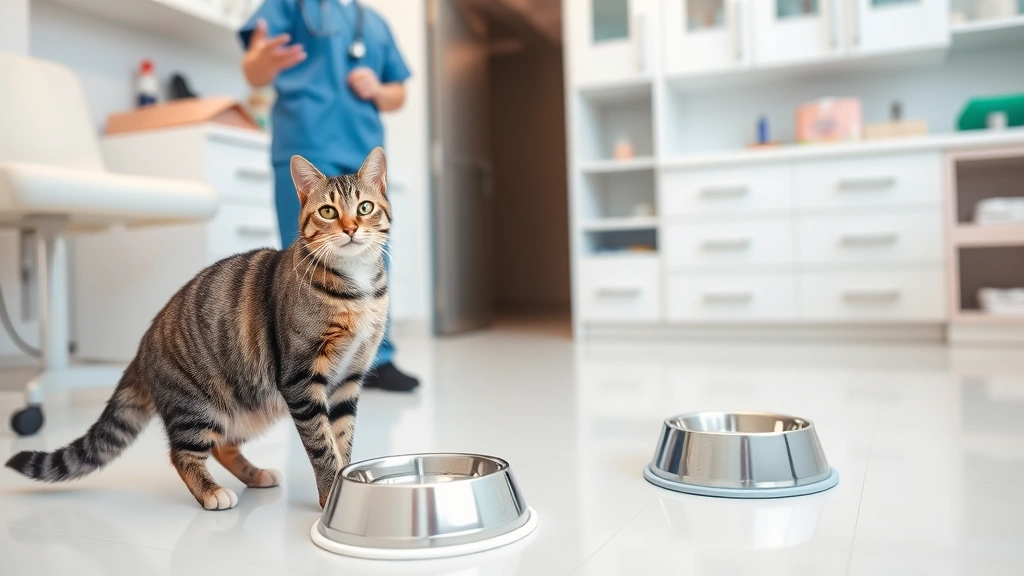
Pill pockets are soft treats with a hollow center designed to hide a pill inside. You press the pill in, pinch the treat closed, and offer it like any other snack.
The strong flavour masks the medication completely. Store-bought options come in chicken, beef, salmon, and duck. You can also make a simple version at home using cream cheese, canned pet food, or peanut butter mixed with a little flour.
To get the best results:
- Offer empty pill pockets as regular treats for a few days before introducing medication
- At medication time, give one empty treat first, then the medicated one, then another empty one immediately after
- This “sandwich” approach keeps your pet focused on the next treat rather than inspecting the current one
According to the American Veterinary Medical Association, varying techniques and locations during medication time helps reduce stress for pets. The pill pocket method is a great example of turning medicine time into treat time.
This technique works best with tablets and capsules. Always check with your veterinarian about whether your pet’s specific medication can be given with food.
Hiding Medication in Food That Your Pet Loves
Concealing medication in food is one of the most effective approaches, especially for pets who eat enthusiastically. The key is choosing the right food and using the right amount.
Soft, moldable foods work best because they fully encase the pill. Good options include:
- Small pieces of cheese
- Lunch meat or hot dog slices
- Canned pet food
- Soft bread rolled into a small ball
- Plain yogurt (useful for mixing liquid medications)
For liquid medications, mix them into a small amount of wet food, tuna juice, or low-sodium chicken broth.
Foods to always avoid — these are toxic to pets:
- Chocolate
- Grapes and raisins
- Onions and garlic
- Anything containing xylitol
One important tip: use only a tiny amount of food. Mixing medication into a full meal means you may not know how much your pet actually received if they do not finish it.
Instead, offer just one or two bites of something highly appealing with the medication. Give this first when your pet is hungriest, then follow with their regular meal.
The Butter or Peanut Butter Method
Sticky foods are surprisingly effective for hiding medication. The thick texture coats the pill completely, masking both taste and smell while making it easier to swallow.
Take a small amount of peanut butter or butter — roughly the size of a grape. Press the pill into the centre and work it until fully covered. Offer it on your finger, a spoon, or a small plate.
Most dogs lick it up eagerly. For cats, place a small dab on their paw — grooming instincts will do the rest.
Important safety note: Always check peanut butter ingredients for xylitol, an artificial sweetener that can be very dangerous for dogs. Use natural peanut butter containing only peanuts and salt.
Other sticky alternatives that work well:
- Plain cream cheese
- Cheez Whiz
- Liverwurst
- Canned pumpkin puree
- Meat-based baby food (check there is no onion or garlic)
- Coconut oil
For cats especially, meat-based baby food combines a sticky texture with flavours most felines find irresistible.
How To Give Medication Directly — Step by Step
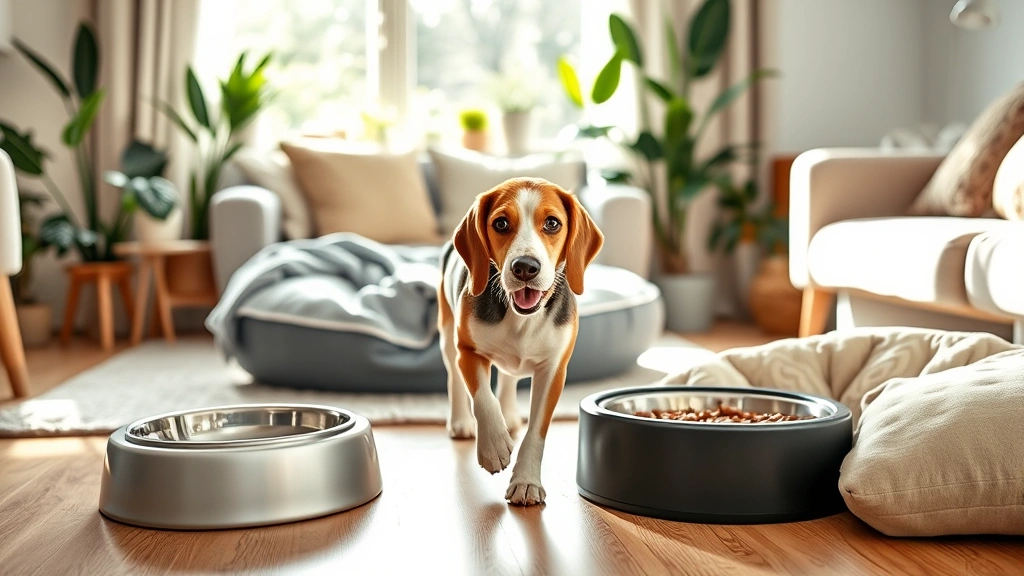
Sometimes direct administration is necessary — for example, when a medication must be given on an empty stomach, or when your pet has figured out every other trick.
Once you feel confident with this method, it ensures your pet receives their full dose every time.
For dogs:
- Position your dog sitting or standing in front of you
- Approach from the side rather than head-on — this feels less threatening
- Place your dominant hand over the top of the muzzle, with your thumb on one side and fingers on the other
- Gently tilt the head back at a comfortable angle
- Use your other hand to hold the pill and your middle finger to gently open the lower jaw
- Place the pill as far back on the tongue as possible
- Close the mouth and stroke the throat gently downward to encourage swallowing
- Watch for a lip lick — this usually means they have swallowed
For cats:
- If needed, wrap your cat loosely in a towel with just the head exposed
- Hold the pill between your thumb and index finger
- With your other hand, gently grip behind the whiskers on both sides of the mouth
- Tilt the head back until the nose points toward the ceiling
- Press gently on the lower incisors to open the mouth wider
- Drop the pill as far back as possible
- Close the mouth and stroke the throat gently
Following up with a small amount of water can help prevent pills from sitting in the throat. For liquid medications, insert the syringe into the side of the mouth between the cheek and teeth. Give it slowly in small amounts, allowing time to swallow between each.
Always move with calm confidence. If your pet becomes very stressed or starts to struggle, stop and speak with your veterinarian about alternatives.
Compounding: Custom Medication Made for Your Pet
Many pet owners do not realise that medications can be specially prepared to suit their pet’s needs. This is called compounding.
A compounding pharmacy can transform a bitter pill into something your pet may actually enjoy — such as a flavoured liquid, a chewable treat, or a gel applied to the skin.
Common compounded formats include:
- Flavoured liquids that can be mixed into food or given directly
- Chewable treats pets willingly eat
- Transdermal gels applied to the inner ear flap
- Flavoured capsules that are easier to hide
To access compounded medication, your veterinarian sends the prescription to a specialist pharmacy. You can discuss your pet’s preferences and any previous challenges at that point.
Compounding does typically cost more than standard medications. However, many owners find it worthwhile when it eliminates daily stress. Some pet insurance plans may cover compounded medications — it is worth checking your policy.
Medication Treats and Chews — When Medicine Is the Treat
Some medications are now formulated as palatable chews or treats. The active ingredient is built into the treat itself, so your pet cannot separate the medicine from the tasty part.
This approach is particularly helpful for long-term medications given daily or monthly. Many dogs take these happily, thinking they are getting a special reward.
Common examples include:
- Heartworm preventatives
- Flea and tick treatments
- Certain joint and pain medications
Not every medication is available in chewable form, but options are growing. Ask your veterinarian whether a chewable version exists for any medication your pet needs regularly — ideally at the time of the initial prescription.
For cats, topical spot-on treatments such as Revolution Plus or Bravecto Plus eliminate oral administration entirely, which can be a relief for owners of particularly resistant cats.
For additional resources on pet health and care strategies, visit our comprehensive pet care articles.
The Two-Treat Method: Use Excitement to Your Advantage
This technique uses your pet’s natural enthusiasm to carry them through medication time before they have a chance to think about it.
Here is how it works:
- Prepare three treats — the middle one contains the medication
- Let your pet see all three treats to build anticipation
- Give the first plain treat quickly
- The moment they swallow it, immediately offer the medicated treat
- As soon as they take it, enthusiastically give the third treat as a reward
Timing is everything. The treats must follow each other rapidly, with no pause that gives your pet time to sniff or inspect the medicated one. Use an upbeat voice and act excited — your energy is contagious.
This method works best for food-motivated pets who have not yet become suspicious of all treats. It is a great starting point for pets new to medication.
Simple Habits That Make Medication Time Easier
Whichever method you choose, these habits will improve your chances of success:
- Build positive associations. Always follow medication with something your pet loves — a treat, a game, or extra cuddles.
- Keep a consistent routine. Try to give medication at the same time each day. Predictability reduces anxiety for pets.
- Stay calm. Pets mirror your emotional state. If you feel tense, they will too. Take a breath before you begin.
- Vary the location. Giving medication in different rooms or settings can prevent your pet from developing a negative association with one specific spot.
- Reward success. Praise, play, or a favourite activity can be just as effective as a food reward — especially for pets on restricted diets.
For more information on pet wellness strategies, explore our pet health resources.
When Nothing Is Working — You Still Have Options
If your pet consistently refuses medication or becomes very distressed, it is important to know that you are not out of options. This is a legitimate concern worth raising with your veterinary team.
Steps to take when you are stuck:
- Talk to your veterinarian. Be specific about what you have tried and how your pet responded. They have likely seen this before and may have suggestions you have not considered.
- Ask about alternative formats. The same medication may be available as a liquid, gel, injection, or chewable form.
- Consider professional administration. Some clinics offer medication administration as a service for short-term situations where home administration is not possible.
- Ask about transdermal options. For some medications, a gel applied to the inner ear flap may be available. This removes the need for your pet to swallow anything.
- Explore long-acting injectable options. For certain conditions, a veterinarian-administered injection every few weeks may replace daily oral medication entirely.
If you are unsure whether your pet needs urgent care, a quick telehealth check-in can give you peace of mind — no appointment needed.
Find additional support and information through our pet care categories.
Common Mistakes That Can Make Things Harder
Even the most caring pet owners can accidentally make medication time more difficult. Here are the most common pitfalls to avoid:
- Crushing pills without checking first. Some medications have coatings that must stay intact. Always ask your veterinarian before altering any pill.
- Mixing medication into a large meal. If your pet does not finish their food, you will not know how much medication they received. Use a small, highly appealing portion instead.
- Giving up after one refusal. Pets can surprise you. A technique that fails once may work the next time, especially as your pet settles into a routine.
- Chasing or forcing your pet. This creates fear and makes future attempts harder. If your pet runs away, take a break and try again calmly.
- Skipping doses. If giving a dose is genuinely not possible, contact your veterinarian rather than skipping it. Inconsistent dosing can affect how well treatment works.
- Stopping medication early. Many pets feel better before a course of medication is finished. Always complete the full course unless your veterinarian advises otherwise.
What To Do Right Now — Practical Steps for Today
If you are struggling to give your pet their medication, here are five specific steps you can take straight away:
- Write down exactly what is happening. Note which methods you have tried, how your pet reacted, and whether they have taken any doses successfully. This information will be useful for your vet.
- Check the medication label. Confirm whether it can be given with food. If you are unsure, call your veterinary clinic — this one detail can open up several new options.
- Try a different food carrier today. If cheese has not worked, try a small piece of lunch meat or a dab of plain cream cheese. Sometimes a new flavour is all it takes.
- Change the location. If you always give medication in the kitchen, try the living room or outside. A fresh setting can reduce your pet’s alertness and resistance.
- Contact your veterinarian if you have missed more than one dose. Let them know what is happening so they can suggest an alternative format or approach before treatment is affected.
If you are unsure whether your pet needs urgent care, a quick telehealth check-in can give you peace of mind — no appointment needed.
You Can Get Through This — A Quick Summary
Getting medication into a reluctant pet does not have to feel like a battle every single day. With the right technique for your pet’s personality, it can become a calm and manageable part of your routine.
The key points to remember:
- Try several methods — what works for one pet may not work for another
- Stay calm and consistent, and always reward success
- Vary your approach and location to keep things fresh
- Talk openly with your veterinarian — they are your partner in this
- If oral medication is not working, alternatives may exist
Your commitment to getting this right is already making a difference for your pet. With a little patience and the right strategy, medication time can go from stressful to straightforward.
Frequently Asked Questions
Can I crush my pet’s medication and mix it with food?
Not always. Some medications have special coatings that must remain intact for proper absorption. Always ask your veterinarian or pharmacist before crushing or opening any capsule or tablet.
What should I do if my pet vomits shortly after taking medication?
Contact your veterinarian for guidance. They will advise whether to re-administer the dose based on the specific medication and how much time passed before vomiting occurred.
Is it safe to use peanut butter to give my dog medication?
It can be, as long as the peanut butter does not contain xylitol — an artificial sweetener that can be very dangerous for dogs. Always check the ingredients and choose a natural peanut butter with only peanuts and salt.
How can I tell if my pet actually swallowed the pill?
Watch for a lip lick or tongue movement after giving the medication. Offering a small treat or a little water immediately after can also help ensure the pill moves down rather than sitting in the mouth.
What does varying location mean for medication time?
It means giving medication in different rooms or settings rather than always the same spot. This helps prevent your pet from developing a negative association with one particular place, which can reduce resistance over time.
This article is for general education and is not a substitute for care from your own veterinarian. Learn about The Pet Vet and our editorial policy.