
Finding out that your cat has fibrosarcoma in cats can feel overwhelming, but you’re not alone—and there are real, evidence-based treatment paths forward. This aggressive soft tissue cancer develops beneath the skin and requires prompt veterinary attention, yet many cats respond well when caught early and treated decisively.
Table of Contents
- What Is Fibrosarcoma in Cats?
- Signs Your Cat May Have Fibrosarcoma
- How Vets Diagnose Fibrosarcoma
- Treatment Option 1: Surgical Removal
- Treatment Option 2: Radiation Therapy
- Treatment Option 3: Chemotherapy
- Treatment Option 4: Immunotherapy and Targeted Drugs
- Treatment Option 5: Palliative Care and Pain Management
- Treatment Option 6: Combination Therapy Approaches
- Treatment Option 7: Nutritional Support and Immune Boosting
- Prognosis and Survival Rates
- Managing Side Effects During Treatment
- Monitoring and Follow-Up Care
- When to Seek a Second Opinion
- Emotional Support for You and Your Cat
- Frequently Asked Questions
- What To Do Now
- Summary
This article is for informational purposes only and is not a substitute for professional veterinary advice. Always consult a licensed veterinarian for diagnosis and treatment.
What Is Fibrosarcoma in Cats?
Fibrosarcoma is a malignant tumor that arises from fibrous connective tissue, most commonly found on a cat’s limbs, chest, or abdomen. It’s one of the more serious soft tissue cancers in felines and tends to grow quickly and invade surrounding tissues. Early detection makes a tremendous difference in your cat’s prognosis and quality of life.
These tumors often start small—sometimes appearing as a firm lump under the skin that doesn’t seem to bother your cat at first. Over weeks or months, they can grow larger and become more problematic. The good news? Catching this early puts you in a great position to help your cat.
Signs Your Cat May Have Fibrosarcoma
Being aware of what to look for is your first line of defense. Here are key warning signs:
- A firm, immovable lump or swelling under the skin
- Limping or reluctance to put weight on a limb
- Excessive licking or grooming of one area
- Loss of appetite or weight loss
- Lethargy or decreased activity levels
- Open sores or ulceration over the tumor site
- Behavioral changes such as irritability or hiding
If you notice any of these signs, don’t panic—but do schedule a veterinary appointment soon. Many benign lumps exist, and only a vet can determine what you’re dealing with.
How Vets Diagnose Fibrosarcoma
Your veterinarian will begin with a physical exam, feeling the lump and assessing your cat’s overall health. To confirm fibrosarcoma diagnosis, they typically perform a fine needle aspirate or biopsy—a small tissue sample examined under a microscope.
Imaging like ultrasound or CT scans may also be recommended to determine how deep the tumor extends and whether it has spread. These diagnostic steps are essential for planning the best treatment approach. This comprehensive evaluation takes time, but it ensures your cat receives the most appropriate care.
Treatment Option 1: Surgical Removal
Surgery is often the first-line treatment for fibrosarcoma in cats. Your vet will aim to remove the entire tumor along with a wide margin of healthy tissue around it—typically 2-3 centimeters in all directions.
Wide surgical margins significantly reduce the risk of recurrence. Recovery usually takes 10-14 days, with suture removal around two weeks post-op. Most cats tolerate surgery well, and many experience excellent long-term outcomes when the tumor is caught early.
Treatment Option 2: Radiation Therapy
Radiation therapy uses focused beams of energy to destroy cancer cells. It’s particularly useful after surgery to eliminate any remaining microscopic cancer cells that surgical margins might have missed.
Typically administered over 3-4 weeks in multiple sessions, radiation requires your cat to be sedated for each treatment. While it demands a time commitment, many cats show improved survival rates when radiation follows surgery. Ask your vet whether a veterinary oncology center near you offers this option.
Treatment Option 3: Chemotherapy
Chemotherapy may be recommended, especially if the tumor is large, has spread, or has recurred after surgery. Common chemotherapy agents used in feline fibrosarcoma include doxorubicin and carboplatin.
Unlike in human cancer treatment, chemotherapy in cats is often better tolerated with fewer severe side effects. Treatments are typically spaced weeks apart to allow your cat’s body to recover between sessions. Your oncologist will monitor your cat closely throughout the process.
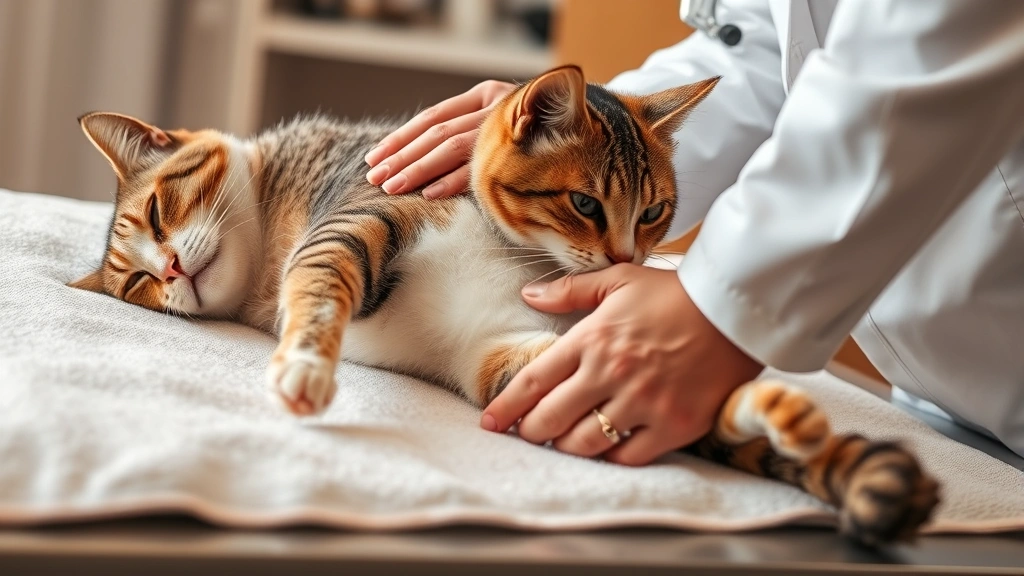
Treatment Option 4: Immunotherapy and Targeted Drugs
Newer immunotherapy approaches are emerging in veterinary oncology. These treatments work by boosting your cat’s own immune system to fight cancer cells more effectively.
While still evolving, some targeted therapies show promise in clinical settings. Your veterinary oncologist can discuss whether your cat might be a candidate for these cutting-edge options. Advances in this field continue to expand treatment possibilities.
Treatment Option 5: Palliative Care and Pain Management
If your cat is not a surgical candidate or if you choose to focus on quality of life, palliative care becomes the priority. This approach emphasizes comfort, pain relief, and maintaining your cat’s dignity.
Pain management may include non-steroidal anti-inflammatory drugs (NSAIDs), other analgesics, or even acupuncture. Many cats live comfortably for months or longer with thoughtful palliative care. Your vet can help you create a comfort plan tailored to your cat’s needs.
Treatment Option 6: Combination Therapy Approaches
Often, the most effective treatment combines multiple modalities. For instance, surgery followed by radiation therapy significantly outperforms surgery alone in many cases.
Some vets recommend surgery, radiation, and chemotherapy together for aggressive tumors. Your oncology team will design a customized plan based on your cat’s age, health status, tumor characteristics, and your family’s goals. Combination approaches require more commitment but often deliver better results.
Treatment Option 7: Nutritional Support and Immune Boosting
While not a standalone cure, proper nutrition plays a crucial supporting role during cancer treatment. High-quality protein, omega-3 fatty acids, and antioxidants help maintain muscle mass and support immune function.
Some cats benefit from specialized cancer-fighting diets or supplements designed to support immune function. Work with your vet to ensure your cat receives optimal nutrition throughout treatment. A well-nourished cat often tolerates therapy better and maintains better quality of life.
Prognosis and Survival Rates
Prognosis depends on several factors: tumor size, location, how deeply it has invaded surrounding tissue, and whether it has spread. Cats treated with surgery alone have median survival times ranging from 6-12 months, though some live much longer.
When surgery is combined with radiation therapy, survival times often extend significantly. Early detection and aggressive treatment offer the best chances for extended survival. Your vet will provide realistic expectations based on your cat’s specific situation.
Managing Side Effects During Treatment
Different treatments come with different side effects. Surgical recovery involves managing incision care and activity restriction. Radiation may cause temporary skin irritation or fatigue.
Chemotherapy can occasionally cause nausea, decreased appetite, or mild gastrointestinal upset. Your veterinary team will provide detailed instructions for managing these effects and will adjust treatment if side effects become problematic. Most side effects are manageable and temporary.
Monitoring and Follow-Up Care
After initial treatment, regular follow-up appointments are essential. Your vet will examine the surgical site, check for signs of recurrence, and monitor your cat’s overall health and comfort.

Imaging studies may be repeated periodically to ensure the tumor hasn’t returned. These check-ins give you early warning if recurrence occurs and allow your vet to adjust the care plan. Staying vigilant with follow-ups is one of the best ways to support your cat’s long-term health.
When to Seek a Second Opinion
If your cat has been diagnosed with fibrosarcoma, seeking a second opinion from a veterinary oncologist is often a wise investment. Oncologists have specialized training in cancer treatment and may recommend approaches your general practitioner hadn’t considered.
Many pet owners find that a consultation with an oncology specialist gives them confidence in their treatment plan and provides additional peace of mind. If you’re unsure whether your pet needs specialized care, a quick telehealth check-in can give you peace of mind—no appointment needed.
Emotional Support for You and Your Cat
Dealing with your cat’s cancer diagnosis is emotionally taxing. It’s normal to feel fear, sadness, and uncertainty. Remember that you’re making informed decisions to give your cat the best chance possible.
Connect with your veterinary team, ask questions, and don’t hesitate to discuss your fears and goals. Many pet owners find support groups or online communities helpful. Your cat needs your calm, loving presence—and that matters more than you might realize.
Frequently Asked Questions
Can fibrosarcoma in cats be prevented?
While there’s no guaranteed prevention, keeping your cat at a healthy weight, minimizing unnecessary injections, and maintaining regular vet check-ups may help. Early detection of any lumps is your best defense.
Is fibrosarcoma contagious to other cats?
No, fibrosarcoma is not contagious. Your other cats cannot catch this cancer from an affected cat, so there’s no need to isolate your pet.
How much does fibrosarcoma treatment cost?
Costs vary widely depending on location and treatment type. Surgery may range from $1,000-$3,000, radiation therapy $3,000-$6,000, and chemotherapy $500-$2,000 per session. Discuss financial options with your vet.
Can older cats undergo fibrosarcoma treatment?
Age alone isn’t a barrier. Many older cats tolerate surgery and other treatments well. Your vet will assess your cat’s overall health to determine suitability for treatment.
What’s the difference between fibrosarcoma and lipoma?
Lipomas are benign fatty tumors that grow slowly and rarely cause problems, while fibrosarcomas are malignant and grow aggressively. Only a biopsy can definitively distinguish between them.
What To Do Now
- Schedule a veterinary appointment immediately if you’ve noticed any lumps, behavioral changes, or signs listed above. Don’t wait—early intervention dramatically improves outcomes.
- Prepare a list of questions for your vet about diagnosis, staging, and treatment options. Ask about referral to a veterinary oncologist if needed.
- Research local veterinary oncology centers in your area. Having options for specialized care ensures your cat receives the best possible treatment.
- Document your cat’s symptoms and timeline—when you first noticed the lump, any changes in behavior, and how it’s progressed. This information helps your vet make the best decisions.
- Discuss your cat’s quality of life goals with your vet. Be honest about what matters most to your family, whether that’s aggressive treatment or comfort-focused care.
Summary
Fibrosarcoma in cats is serious, but it’s far from a hopeless diagnosis. With seven proven treatment options—from surgery and radiation to chemotherapy and palliative care—your veterinary team has multiple strategies to fight this cancer and support your cat’s wellbeing.
Early detection, combined with aggressive treatment when appropriate, offers the best prognosis. Whether your cat undergoes surgery, radiation, chemotherapy, or a combination approach, the key is working closely with your vet and making decisions aligned with your cat’s health and your family’s values.
Your cat is counting on you to be their advocate. By staying informed, asking tough questions, and maintaining open communication with your veterinary team, you’re already giving your beloved pet the greatest gift: a fighting chance. Catching this early puts you in a great position to help.
If you have questions about your cat’s diagnosis or need guidance navigating treatment options, don’t hesitate to reach out to your veterinarian or consider a telehealth consultation for additional perspective and peace of mind.