
If your cat is experiencing feline diarrhea, you’re probably feeling worried and maybe a little frustrated. Digestive upset in cats can happen suddenly, and it’s natural to want fast relief for your furry friend. The good news? Most cases of feline diarrhea respond well to treatment when caught early, and understanding your options puts you in the driver’s seat.
Table of Contents
- What Causes Feline Diarrhea?
- How Medications Help Manage Feline Diarrhea
- Common Treatment Approaches for Feline Diarrhea
- The Role of Probiotics and Prebiotics
- Anti-Inflammatory Medications for Persistent Cases
- Addressing Parasites and Infections
- Dietary Modifications That Support Recovery
- When to Seek Urgent Veterinary Care
- The Importance of Hydration During Feline Diarrhea
- Home Care Tips While Your Cat Recovers
- Working With Your Veterinarian on a Treatment Plan
- Preventing Future Episodes of Feline Diarrhea
- Frequently Asked Questions
- What To Do Now
- Summary
This article is for informational purposes only and is not a substitute for professional veterinary advice. Always consult a licensed veterinarian for diagnosis and treatment.
What Causes Feline Diarrhea?
Feline diarrhea can stem from many different sources, and identifying the root cause is the first step toward relief. Common culprits include dietary changes, food sensitivities, stress, parasites, and infections. Sometimes it’s something simple like a sudden switch to a new food brand.
Other times, underlying health conditions—like inflammatory bowel disease, hyperthyroidism, or pancreatitis—might be at play. Your veterinarian can help pinpoint what’s really going on through a thorough examination and, if needed, diagnostic testing.
How Medications Help Manage Feline Diarrhea
Medications for feline diarrhea work in different ways depending on what’s causing the problem. Some slow down intestinal movement, others reduce inflammation, and some fight bacterial or parasitic infections. The right medication depends entirely on your cat’s specific situation.
That’s why it’s crucial to work with your veterinarian rather than guessing. A vet can recommend medications tailored to your cat’s needs and monitor progress over time. Catching this early puts you in a great position to help your cat feel better fast.
Common Treatment Approaches for Feline Diarrhea
When your vet evaluates your cat, they’ll consider several treatment pathways. Anti-motility agents may be suggested to slow intestinal movement, while probiotics can help restore healthy gut bacteria. In some cases, anti-inflammatory medications reduce irritation in the digestive tract.
Your veterinarian might also recommend dietary adjustments alongside medication. For example, switching to a limited ingredient diet or gradually introducing a new food can prevent future episodes. Some cats benefit from rotating protein feeding schedules to avoid sensitivities.
The Role of Probiotics and Prebiotics
Probiotics are live beneficial bacteria that support healthy digestion in cats. They’re often one of the first things vets recommend because they’re gentle and generally well-tolerated. Prebiotics, which feed the good bacteria already in your cat’s gut, work alongside probiotics for better results.
Many cats see improvement within a few days of starting probiotics, especially if stress or dietary changes triggered the diarrhea. These supplements are available in powders, treats, and capsules designed specifically for feline digestive health.
Anti-Inflammatory Medications for Persistent Cases
If feline diarrhea persists beyond a few days or becomes severe, your vet may recommend anti-inflammatory medications. These are particularly helpful when inflammation in the intestinal lining is causing the problem. They work by calming the immune response in the digestive tract.
Anti-inflammatory treatments are often used for chronic diarrhea or conditions like inflammatory bowel disease. Your veterinarian will determine the appropriate option and monitor your cat’s response carefully over time.
Addressing Parasites and Infections
Parasitic infections and bacterial overgrowth are common causes of feline diarrhea, especially in younger cats or those with outdoor access. Your vet may recommend deworming medications or antibiotics if these are suspected. A stool sample can confirm whether parasites are present.
Once parasites are ruled out or treated, other causes can be addressed more confidently. This is why diagnostic testing is so valuable—it narrows down the possibilities and leads to faster recovery.
Dietary Modifications That Support Recovery
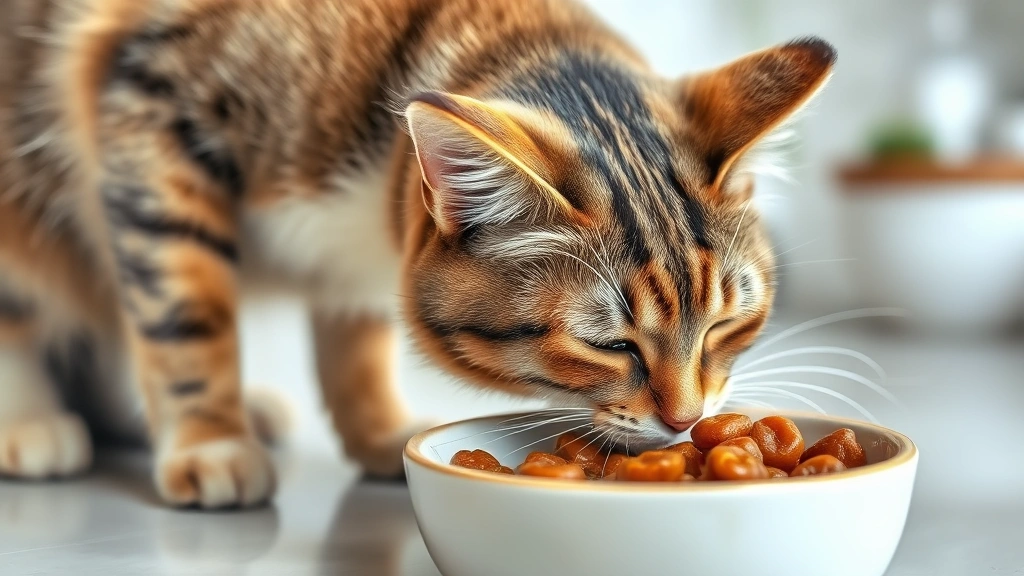
Food plays a huge role in managing feline diarrhea. Bland, easily digestible diets—often recommended during recovery—give the intestines a chance to heal. Once your cat improves, your vet may suggest transitioning to a higher-quality diet with limited ingredients.
Some cats do better on grain-free formulas, while others thrive on novel protein sources. Seasonal allergies and feeding adjustments can also play a role in digestive upset. Work with your vet to find what works best for your cat’s unique needs.
When to Seek Urgent Veterinary Care
Most cases of feline diarrhea are manageable, but certain signs warrant immediate attention. If your cat shows lethargy, vomiting, blood in stool, severe dehydration, or refuses to eat, contact your veterinarian right away. Kittens and senior cats are more vulnerable to complications from diarrhea.
Diarrhea lasting more than 48 hours also deserves professional evaluation. The sooner you get help, the sooner your cat can feel better and the lower the risk of secondary problems.
The Importance of Hydration During Feline Diarrhea
Diarrhea causes rapid fluid loss, and dehydration in cats can become serious quickly. Make sure fresh water is always available, and monitor whether your cat is drinking normally. Some cats prefer running water from a fountain, which encourages more drinking.
If your cat seems dehydrated—signs include dry gums, lethargy, or skin that doesn’t spring back when gently pinched—seek veterinary care immediately. Your vet can provide IV fluids if needed to restore hydration and electrolyte balance.
Home Care Tips While Your Cat Recovers
Supporting your cat at home is just as important as medication. Here are practical steps to help:
- Provide a quiet, stress-free environment—stress can worsen digestive upset
- Ensure clean litter boxes and frequent access to bathroom areas
- Offer small, frequent meals rather than large portions
- Keep water bowls filled and consider a cat water fountain
- Monitor stool consistency daily and note any changes for your vet
Patience is key during recovery. Most cats improve within 3–7 days once the right treatment plan is in place, though some cases take longer depending on the underlying cause.
Working With Your Veterinarian on a Treatment Plan
Your vet will create a personalized treatment plan based on your cat’s age, health history, and the severity of diarrhea. Follow-up appointments help track progress and adjust medications if needed. If you’re unsure whether your cat needs urgent care, a quick telehealth check-in can give you peace of mind—no appointment needed.
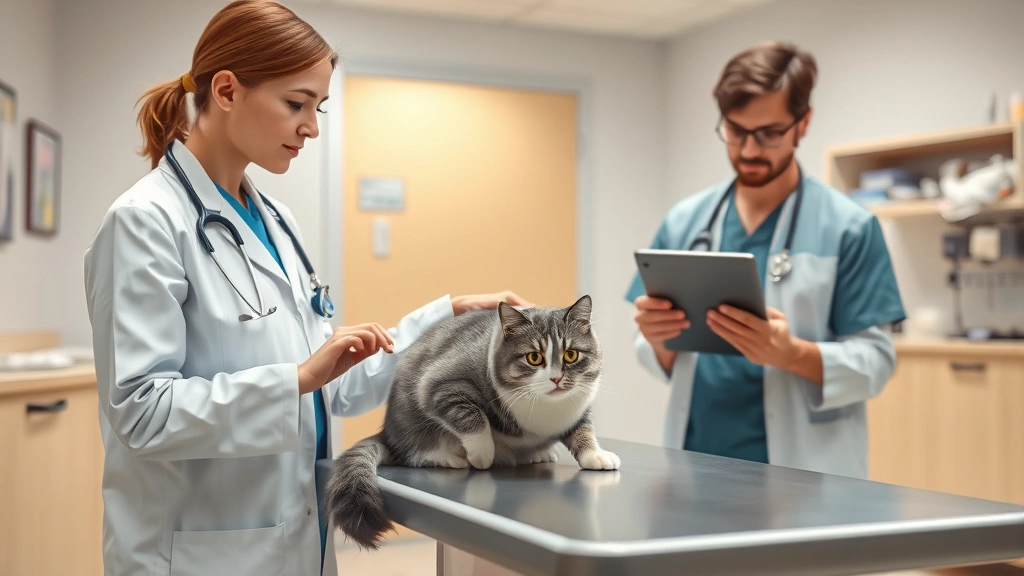
Communication with your vet is essential. Report any changes in your cat’s condition, whether improvements or new symptoms emerge. This feedback helps your veterinarian fine-tune the treatment approach for the best outcome.
Preventing Future Episodes of Feline Diarrhea
Once your cat recovers, prevention becomes important. Avoid sudden dietary changes by introducing new foods gradually over 7–10 days. Keep your cat’s environment stable and minimize stress when possible.
Regular veterinary check-ups catch underlying health issues before they cause problems. Maintaining a consistent feeding schedule, providing high-quality nutrition, and keeping parasite prevention current all reduce the risk of future diarrhea episodes. Some cats also benefit from ongoing probiotic supplementation for digestive support.
Frequently Asked Questions
How long does it take for feline diarrhea to resolve?
Most cases improve within 3–7 days once treatment begins, though chronic conditions may take longer. Your vet will monitor progress and adjust the plan if needed.
Can I give my cat over-the-counter medications for diarrhea?
It’s best to avoid over-the-counter treatments without veterinary guidance, as some can be harmful to cats. Your vet will recommend safe, appropriate options for your cat’s specific situation.
Is feline diarrhea contagious to other cats?
If parasites or infections cause the diarrhea, it can spread to other cats. This is another reason diagnostic testing is important—it helps prevent spread in multi-cat households.
What should I feed my cat during a diarrhea episode?
Your vet may recommend a bland, easily digestible diet during recovery. Once your cat improves, gradually transition back to regular food over several days.
When should I call the vet about my cat’s diarrhea?
Contact your vet if diarrhea lasts more than 48 hours, is severe, or is accompanied by vomiting, lethargy, or loss of appetite. Kittens and senior cats should be evaluated sooner.
What To Do Now
- Schedule a veterinary appointment if your cat’s diarrhea has lasted more than 24 hours or is severe—or use a telehealth service for a quick initial assessment.
- Collect a fresh stool sample to bring to your appointment, as this helps your vet identify parasites or infections quickly.
- Note any dietary changes or stressors from the past week and share these details with your veterinarian—they’re crucial clues.
- Start keeping a symptom log documenting stool consistency, frequency, and any other changes to track progress during treatment.
- Ensure your cat has constant access to fresh water and monitor hydration status while awaiting your vet appointment.
Summary
Feline diarrhea is concerning, but it’s highly treatable when you act promptly and work closely with your veterinarian. Understanding the potential causes—from dietary sensitivity to parasites to stress—helps you recognize patterns and prevent future episodes. Medications, dietary adjustments, and supportive home care work together to get your cat feeling better fast.
Remember, your vet is your best resource. They can diagnose the underlying cause, recommend appropriate medications, and monitor your cat’s recovery. With patience, proper treatment, and preventive care, most cats bounce back from diarrhea completely. Your cat is counting on you to notice the signs and take action—and you’re already doing that by seeking information.
If you have any concerns or questions about your cat’s digestive health, don’t hesitate to reach out to your veterinarian or explore a quick telehealth consultation with The Pet Vet. Your peace of mind matters, and so does your cat’s well-being.