
Discovering that your beloved cat has giardia in cats can feel overwhelming, but understanding the treatment options and what to expect will help you navigate this common parasitic infection with confidence. Giardia is a microscopic parasite that affects the intestines, and while it sounds scary, it’s highly treatable when caught early.
Table of Contents
- What Is Giardia and How Does Your Cat Get It?
- Recognizing the Signs: Common Symptoms of Giardia in Cats
- How Your Vet Diagnoses Giardia in Cats
- Treatment Options: Medications and Proven Approaches
- The Importance of Environmental Cleaning During Treatment
- Dietary Support During and After Giardia Treatment
- Preventing Reinfection and Protecting Other Cats
- When to Seek Emergency Care for Giardia Complications
- Recovery Timeline: What to Expect
- Medication Safety: What You Need to Know
- Frequently Asked Questions
- What To Do Now
- Summary: Moving Forward With Confidence
This article is for informational purposes only and is not a substitute for professional veterinary advice. Always consult a licensed veterinarian for diagnosis and treatment.
If your cat has been experiencing persistent diarrhea, weight loss, or a dull coat, giardia might be the culprit. The good news? Catching this early puts you in a great position to help your feline friend recover fully.
What Is Giardia and How Does Your Cat Get It?
Giardia is a single-celled parasite that lives in the small intestine of cats and many other animals. Your cat may become infected by drinking contaminated water, eating contaminated food, or through contact with infected feces—even from other cats in the household.
This parasite is particularly common in multi-cat households, shelters, and environments where sanitation is challenging. Kittens and senior cats are especially vulnerable because their immune systems are either still developing or naturally declining with age.
The parasite attaches to the intestinal lining and interferes with nutrient absorption, which is why affected cats often show signs of malnutrition despite eating normally.
Recognizing the Signs: Common Symptoms of Giardia in Cats
The most obvious sign of giardia in cats is chronic diarrhea, often watery or greasy in appearance. You might also notice your cat straining in the litter box or having accidents outside the box.
Beyond digestive issues, watch for these additional symptoms:
- Weight loss despite normal appetite
- A dull, unkempt coat
- Lethargy and reduced playfulness
- Vomiting or loss of appetite
- Abdominal discomfort or bloating
- Mucus or blood in stool (in severe cases)
Some cats are asymptomatic carriers, meaning they have the parasite but show no signs. These cats can still transmit giardia to other animals, making diagnosis important even when symptoms seem mild.
How Your Vet Diagnoses Giardia in Cats
Your veterinarian will typically perform a fecal test to diagnose giardia. This involves examining a stool sample under a microscope to look for giardia cysts or trophozoites (the parasite’s different life stages).
Because giardia shedding can be inconsistent, your vet may recommend multiple fecal tests over several days for accuracy. Some veterinary clinics also use specialized antigen tests that detect giardia proteins in the stool, which can be more reliable than traditional microscopy.
Catching this diagnosis early makes treatment more straightforward and prevents the parasite from spreading to other pets in your home.
Treatment Options: Medications and Proven Approaches
Once your vet confirms giardia in cats, treatment typically involves antiparasitic medications prescribed specifically for your cat’s weight and health status. Your veterinarian will determine the most appropriate medication and treatment duration based on your cat’s individual needs.
Common treatment approaches include:

- Antiparasitic medications: Your vet may prescribe medications designed to eliminate the giardia parasite. Treatment typically lasts 5-10 days, though duration varies.
- Supportive care: If your cat is dehydrated or malnourished, your vet may recommend fluids or dietary adjustments to support recovery.
- Follow-up testing: After treatment completes, your vet will likely recommend a recheck fecal test to confirm the parasite is gone.
Never attempt to dose your cat with medication without veterinary guidance. Your vet will provide precise instructions tailored to your cat’s specific situation.
The Importance of Environmental Cleaning During Treatment
Medication alone isn’t enough to eliminate giardia. The parasite’s cysts can survive in the environment for weeks, so thorough cleaning is essential to prevent reinfection.
Here’s what you should do:
- Wash all bedding, blankets, and toys in hot water regularly
- Disinfect litter boxes daily with a dilute bleach solution (one part bleach to ten parts water)
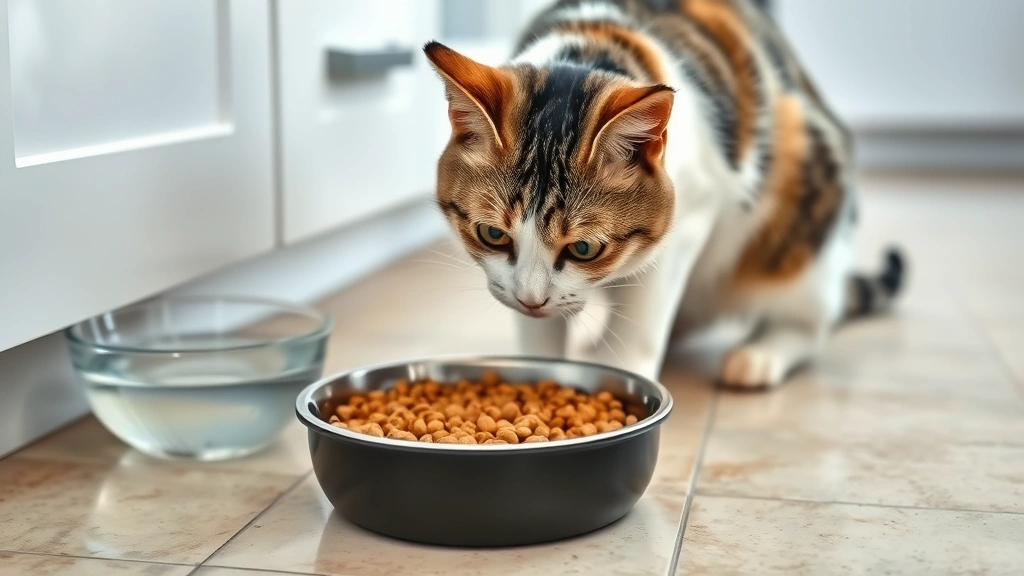
- Clean food and water bowls thoroughly after each use
- Sanitize any areas where your cat has had accidents
- Wash your hands frequently, especially after handling your cat or cleaning the litter box
This multi-pronged approach—medication plus environmental control—gives your cat the best chance of a complete recovery without reinfection.
Dietary Support During and After Giardia Treatment
While your cat recovers from giardia, nutrition plays a crucial role. A damaged intestinal lining needs time to heal, and easily digestible food can reduce stress on the digestive system.
Your vet may recommend a temporary switch to a highly digestible diet or a limited ingredient diet. Some cats benefit from IBD diet for cats formulations designed to support intestinal health.
Avoid foods cats should avoid during recovery, including dairy, fatty treats, and foods with artificial additives. Once your cat has fully recovered and testing confirms the parasite is gone, you can gradually reintroduce their regular diet.
Consider discussing a food trial feeding schedule with your vet to identify any dietary sensitivities that may have been masked by the infection.
Preventing Reinfection and Protecting Other Cats
Giardia can be stubborn, and reinfection is possible if preventive measures aren’t maintained. Keep your cat indoors during treatment and recovery to minimize exposure to contaminated water or feces.
If you have multiple cats, isolate the infected cat in a separate area with its own litter box, food, and water bowls until treatment is complete and follow-up testing confirms clearance.
Regular handwashing between handling different cats, daily litter box cleaning, and fresh water daily all help prevent the spread of giardia in multi-cat households.
When to Seek Emergency Care for Giardia Complications
While giardia is usually manageable at home with medication and care, certain situations warrant immediate veterinary attention. Severe dehydration, persistent vomiting, or signs of secondary bacterial infection require urgent evaluation.
If you’re unsure whether your pet needs urgent care, a quick telehealth check-in with The Pet Vet can give you peace of mind—no appointment needed. This is especially helpful if you notice your cat’s condition worsening despite treatment or if side effects from medication seem concerning.
Recovery Timeline: What to Expect
Most cats begin showing improvement within 3-5 days of starting treatment, though complete recovery typically takes 1-2 weeks. Diarrhea usually resolves first, followed by gradual weight gain and improved energy levels.
Your cat’s coat will gradually regain its shine as nutrition absorption improves. Don’t be discouraged if recovery seems slow—some cats need additional time, especially if they were severely malnourished before diagnosis.
Follow-up fecal testing is critical. Your vet will want to confirm the parasite is completely gone before you consider your cat fully recovered.
Medication Safety: What You Need to Know
Always administer medications exactly as your veterinarian prescribes. Store medications in a cool, dry place away from children and other pets. If you’re concerned about potential pet medication overdose or accidental ingestion, contact your vet or poison control immediately.
Some cats may experience mild side effects from antiparasitic medications, such as decreased appetite or mild gastrointestinal upset. These typically resolve quickly, but inform your vet if symptoms persist or worsen.
Frequently Asked Questions
Can humans catch giardia from cats?
While the giardia species affecting cats is different from the one that typically infects humans, practicing good hygiene—especially handwashing after handling an infected cat—is still important as a precaution.
How long does giardia treatment take?
Antiparasitic treatment typically lasts 5-10 days, but your cat may need additional support and follow-up testing to ensure complete clearance of the parasite.
Can giardia in cats go away on its own?
While some cats’ immune systems may eventually clear giardia naturally, treatment significantly speeds recovery and reduces the risk of spreading the parasite to other animals.
Is giardia in cats contagious to other pets?
Yes, giardia is highly contagious between cats and can also affect dogs and other animals. Isolation and strict hygiene are essential during treatment.
What should I do if my cat tests positive for giardia?
Contact your veterinarian for prescribed medication, begin thorough environmental cleaning immediately, and isolate your cat from other pets until treatment is complete and follow-up testing confirms clearance.
What To Do Now
- Schedule a vet appointment: If your cat shows signs of diarrhea or weight loss, book a veterinary visit for fecal testing. If you prefer a quick initial consultation, The Pet Vet’s telehealth service can help you determine if in-person testing is needed.
- Prepare for treatment: Once diagnosed, gather all prescribed medications and set reminders for administration. Have your vet’s contact information readily available for questions.
- Deep clean your home: Begin washing all bedding, disinfecting litter boxes, and sanitizing areas where your cat spends time. Don’t wait for medication to arrive—start immediately.
- Isolate if needed: If you have multiple cats, set up a separate space with its own litter box, food, and water for your infected cat to prevent spread.
- Schedule follow-up testing: Ask your vet when to schedule the recheck fecal test. This typically happens 1-2 weeks after treatment ends and is crucial for confirming your cat is parasite-free.
Summary: Moving Forward With Confidence
Giardia in cats is a treatable condition that responds well to the right combination of medication, environmental management, and supportive care. While the diagnosis might feel stressful, remember that your proactive response gives your cat the best chance for a full recovery.
Work closely with your veterinarian, maintain strict hygiene protocols, and be patient with your cat’s recovery timeline. Most cats bounce back beautifully once the parasite is eliminated and their intestines have time to heal.
Don’t hesitate to reach out to your vet or a telehealth service if you have questions during treatment. Your cat’s health is worth the extra attention, and you’re doing everything right by seeking information and taking action.
This article is for general education and is not a substitute for care from your own veterinarian. Learn about The Pet Vet and our editorial policy.