
If you’re worried about your cat’s dental health, you’re not alone—and cat dental treats might be exactly what you need to add to your pet care routine. Many cat owners don’t realize that dental disease is one of the most common health issues affecting cats, yet it’s often preventable with the right combination of care and nutrition. The good news? There are excellent treats designed specifically to support feline oral health while your cat enjoys a tasty snack.
Table of Contents
- Why Cat Dental Treats Matter More Than You Think
- How Cat Dental Treats Work: The Science Behind the Snack
- Key Ingredients to Look For in Quality Dental Treats
- The 7 Best Cat Dental Treats: Our Top Picks
- How to Introduce Dental Treats to Your Cat’s Routine
- Combining Dental Treats with Other Oral Care Strategies
- Warning Signs Your Cat Needs Professional Dental Care
- Budget-Friendly Tips for Maintaining Feline Dental Health
- Common Questions About Cat Dental Treats Answered
- Frequently Asked Questions
- Creating Your Cat’s Personalized Dental Health Plan
- Summary: Making Dental Treats Part of Your Cat’s Wellness Routine
- What To Do Now
This article is for informational purposes only and is not a substitute for professional veterinary advice. Always consult a licensed veterinarian for diagnosis and treatment.
In this guide, we’ll explore seven of the best cat dental treats on the market, discuss how they work, and help you understand what makes a treat truly effective for your cat’s teeth and gums.
Why Cat Dental Treats Matter More Than You Think
Your cat’s teeth face constant challenges from plaque and tartar buildup. Unlike dogs, cats are pickier eaters and often won’t tolerate traditional brushing, making dental treats a practical alternative. These treats work by mechanically scraping away buildup as your cat chews, while many also contain ingredients that actively fight bacteria.
Dental disease in cats can lead to serious complications including pain, tooth loss, and even infections that affect the heart and kidneys. Starting with preventative measures like dental treats early can save you from expensive vet bills and your cat from unnecessary suffering.
How Cat Dental Treats Work: The Science Behind the Snack
Most effective cat dental treats operate on two principles: mechanical cleaning and chemical support. The texture of the treat creates friction against the tooth surface as your cat chews, physically removing soft plaque before it hardens into tartar. This is similar to how a toothbrush works, but in a form cats actually enjoy.
Beyond mechanical action, many premium dental treats contain ingredients like enzymes (such as glucose oxidase and lactoperoxidase) that inhibit bacterial growth. Some also include chlorhexidine or zinc, both known for their antimicrobial properties. Together, these components create a multi-pronged approach to oral health.
Key Ingredients to Look For in Quality Dental Treats
When shopping for cat dental treats, certain ingredients signal a higher-quality product. Look for:
- Enzymatic blends: Glucose oxidase, lactoperoxidase, and lactoferrin work together to reduce harmful bacteria
- Natural abrasives: Seaweed, silica, and cellulose provide gentle mechanical cleaning
- Zinc: Supports gum health and reduces plaque formation
- Poultry or fish protein: Keeps treats palatable while supporting overall nutrition
- Minimal fillers: Avoid treats with excessive grains or by-products
Always check the ingredient list for artificial preservatives, colors, or flavors that could upset your cat’s digestive system.
The 7 Best Cat Dental Treats: Our Top Picks
1. Virbac C.E.T. Oral Hygiene Chews
These veterinarian-formulated treats contain the enzymatic trio of glucose oxidase, lactoperoxidase, and lactoferrin. They’re designed to reduce plaque and tartar while freshening breath. Many cats find the poultry flavor irresistible, making daily dental care feel like a reward rather than a chore.
2. Greenies Feline Dental Treats
Made with natural ingredients and a unique texture, Greenies dental treats work through mechanical action combined with their proprietary formula. They’re grain-free and contain no artificial colors or flavors, making them suitable for cats with sensitivities.
3. Oxyfresh Pet Dental Treats
These treats feature a patented formula with stabilized chlorine dioxide, which targets odor-causing bacteria. They’re particularly good for cats with bad breath, though they also support overall gum health. The salmon flavor appeals to most feline palates.

4. Purina Pro Plan Dental Chewz
Formulated with a special texture that encourages chewing, these treats help reduce plaque and tartar buildup. They’re backed by research and recommended by many veterinarians, though they do contain some grains that sensitive cats might not tolerate.
5. Royal Canin Dental Treats
These premium treats combine mechanical cleaning with a specialized formula designed to support oral health. They’re often recommended by veterinarians and work well for cats that prefer smaller, bite-sized snacks.
6. Vetoquadrat Plaque Off Treats
Made with a unique seaweed extract, these treats offer a natural approach to dental health. The natural abrasive action combined with the seaweed’s antimicrobial properties makes them an excellent choice for health-conscious pet owners.
7. Hill’s Prescription Diet Dental Treats
If your cat has specific dietary needs or health conditions, Hill’s prescription dental treats might be the right choice. They’re formulated to work alongside other therapeutic diets and are available through veterinarians.
How to Introduce Dental Treats to Your Cat’s Routine
Start slowly when introducing any new treat to your cat’s diet. Offer just one or two pieces on the first day and observe for any digestive upset or allergic reactions. Most cats warm up to dental treats within a few days once they realize they’re tasty.
For best results, aim to give dental treats daily or at least 4-5 times per week. Even occasional use provides some benefit, though consistency is key. Make it part of your evening routine or use it as a post-meal reward.
Combining Dental Treats with Other Oral Care Strategies
While dental treats are valuable, they work best as part of a comprehensive oral health plan. Consider pairing them with a dental water additive for pets to provide 24/7 support for your cat’s mouth. These additives dissolve in drinking water and help reduce bacteria throughout the day.
Additionally, feeding your cat high-quality nutrition supports overall immune function and gum health. Learn more about feeding for immune support to create a foundation for strong teeth and healthy gums.
If your cat shows signs of dental disease despite using treats, professional dental cleaning by your veterinarian may be necessary. Regular check-ups allow your vet to catch problems early before they become serious.
Warning Signs Your Cat Needs Professional Dental Care
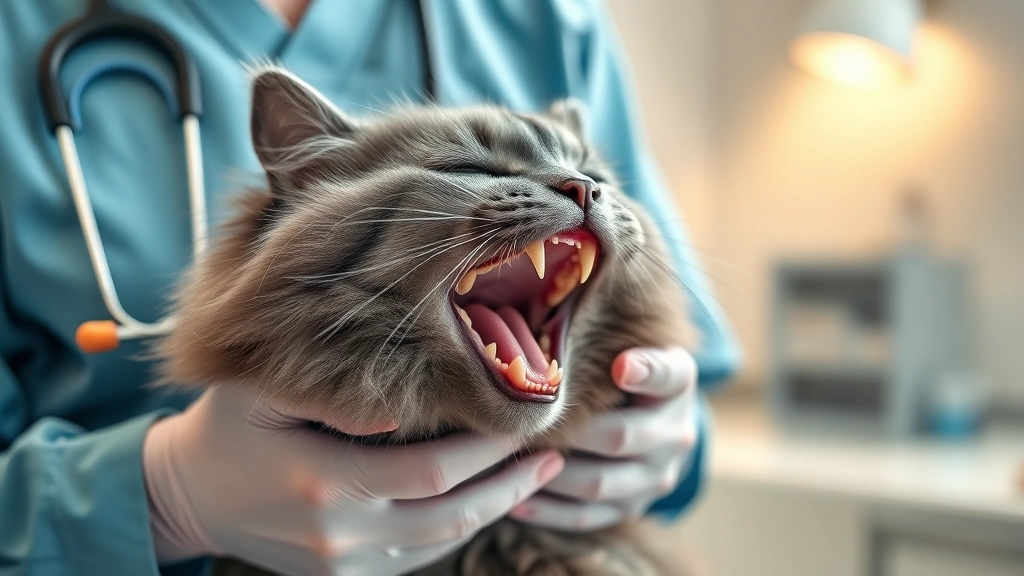
Dental treats are preventative, not curative. If you notice any of these signs, schedule a veterinary appointment promptly:
- Bad breath that’s noticeably worse than usual
- Visible tartar or discoloration on teeth
- Swollen or bleeding gums
- Difficulty eating or dropping food
- Excessive drooling
- Behavioral changes like hiding or lethargy
Catching dental issues early puts you in a great position to help your cat avoid pain and serious complications. If you’re unsure whether your pet needs urgent care, a quick telehealth check-in can give you peace of mind—no appointment needed.
Budget-Friendly Tips for Maintaining Feline Dental Health
Quality dental treats don’t have to break the bank. Here are some cost-effective strategies:
- Buy in bulk during sales to stock up on your cat’s favorite treats
- Combine affordable dental treats with other preventative measures like water additives
- Ask your veterinarian about prescription options that may be covered by pet insurance
- Focus on consistency over premium brands—regular use of any quality treat beats sporadic expensive options
Common Questions About Cat Dental Treats Answered
Frequently Asked Questions
Are dental treats safe for all cats?
Most cats can safely enjoy dental treats, but those with difficulty chewing, missing teeth, or certain health conditions should consult their vet first. Always introduce new treats gradually.
How long before I see results from dental treats?
Some cats show improved breath quality within a few weeks, though significant plaque reduction typically takes 4-8 weeks of consistent use. Results vary based on your cat’s starting dental health.
Can dental treats replace professional cleaning?
No. Dental treats are preventative and can reduce the frequency of professional cleanings, but they cannot remove tartar that’s already hardened below the gum line.
What if my cat refuses dental treats?
Try different flavors or brands—cats have individual preferences. If your cat consistently refuses treats, focus on water additives and discuss other options with your veterinarian.
Do dental treats help with bad breath?
Yes, many dental treats reduce odor-causing bacteria and can noticeably improve breath quality. However, persistent bad breath may indicate underlying dental disease requiring professional evaluation.
Creating Your Cat’s Personalized Dental Health Plan
Every cat’s dental needs are unique. Some cats are naturally prone to tartar buildup while others maintain healthy teeth with minimal intervention. Work with your veterinarian to assess your cat’s individual risk factors and create a tailored plan.
Your plan might include daily dental treats, weekly water additives, and annual professional cleanings—or it might be less intensive depending on your cat’s genetics and overall health. The key is consistency and regular monitoring.
Summary: Making Dental Treats Part of Your Cat’s Wellness Routine
Cat dental treats are a practical, effective way to support your feline friend’s oral health without the stress of brushing. By choosing high-quality treats with proven ingredients and using them consistently, you’re taking an important step toward preventing painful dental disease.
The seven treats we’ve reviewed—from Virbac’s enzymatic formula to Hill’s prescription options—offer something for every cat and budget. Pair your chosen treat with complementary strategies like dental water additives for maximum benefit.
Remember, dental treats are just one piece of the puzzle. Regular veterinary check-ups, observation for warning signs, and a commitment to your cat’s overall nutrition create the strongest foundation for lifelong oral health.
What To Do Now
- Review your cat’s current diet and treats to identify which dental option would be the best fit for their preferences and any dietary restrictions
- Select one of the seven treats mentioned above and introduce it gradually to your cat over the next 3-5 days, watching for any digestive upset
- Schedule a dental check-up with your veterinarian to establish a baseline of your cat’s current oral health status and get personalized recommendations
- Set a daily reminder to offer your cat their dental treat at the same time each day to build consistency into your routine
- Combine dental treats with a complementary product like a dental water additive for enhanced protection throughout the day
Your cat’s smile—and their long-term health—will thank you for taking action today.
This article is for general education and is not a substitute for care from your own veterinarian. Learn about The Pet Vet and our editorial policy.