
When your senior cat is diagnosed with kidney disease, a senior cat renal diet becomes one of the most powerful tools you have to slow progression and keep your beloved companion comfortable for years to come. If your vet has mentioned chronic kidney disease (CKD) or you’ve noticed your older cat drinking more water than usual, you’re probably feeling overwhelmed—but the good news is that dietary changes can make a real difference.
Table of Contents
- Why Kidney Disease Requires Dietary Changes
- Key Nutrients in a Renal Diet for Senior Cats
- The 7 Best Foods for Senior Cats with Kidney Disease
- How to Transition Your Senior Cat to a Renal Diet
- Wet vs. Dry Food for Renal Cats
- Monitoring Your Cat’s Response to a Renal Diet
- Common Challenges and How to Overcome Them
- Supplements and Additional Support
- When to Seek Veterinary Help
- What To Do Now
- Summary: The Power of a Senior Cat Renal Diet
- Frequently Asked Questions
This article is for informational purposes only and is not a substitute for professional veterinary advice. Always consult a licensed veterinarian for diagnosis and treatment.
Kidney disease in senior cats is heartbreaking to hear, but catching it early and making the right nutritional choices puts you in a great position to help your cat live well with the condition. Let’s walk through what makes a renal diet effective, which foods veterinarians recommend, and how to transition your cat smoothly.
Why Kidney Disease Requires Dietary Changes
Healthy kidneys filter waste and regulate minerals like phosphorus and potassium. When kidneys fail, these minerals build up in your cat’s bloodstream, making them feel sick and accelerating further damage.
A senior cat kidney diet is specifically formulated to reduce the workload on failing kidneys. By lowering phosphorus and protein (while keeping protein high-quality), these diets help slow disease progression and reduce symptoms like nausea, loss of appetite, and lethargy.
The earlier you switch to a renal diet, the better the long-term outcomes. Many cats on appropriate renal nutrition live comfortably for years after diagnosis.
Key Nutrients in a Renal Diet for Senior Cats
Not all senior cat foods are created equal. A truly supportive renal diet includes:
- Low phosphorus – The most critical factor. Phosphorus restriction slows kidney decline and reduces secondary hyperparathyroidism.
- High-quality, moderate protein – Reduces nitrogen waste while maintaining muscle mass. Think fish and poultry over plant-based proteins.
- Omega-3 fatty acids – Support kidney health and reduce inflammation.
- Increased moisture content – Wet food encourages hydration, which is vital for kidney function.
- Controlled sodium – Helps manage blood pressure in cats with CKD.
- Adequate B vitamins – Kidneys lose water-soluble vitamins; supplementation prevents deficiency.
Your veterinarian may also recommend cat liver supplements or kidney-specific supplements to round out your cat’s nutrition plan.
The 7 Best Foods for Senior Cats with Kidney Disease
These options are trusted by veterinarians and formulated specifically for feline renal health:
1. Hill’s Prescription Diet k/d
The gold standard for renal diets. Available in wet and dry forms, k/d is low in phosphorus and sodium while providing high-quality protein. Many cats find the taste palatable, which matters when appetite is a concern.
2. Royal Canin Renal Support
Another veterinary prescription option with carefully balanced minerals and enhanced palatability. The wet formula is especially good for cats who need extra hydration.
3. Purina Pro Plan Veterinary Diets NF (Kidney Function)
A solid prescription alternative with added omega-3s and controlled phosphorus levels. Some cats tolerate this better than other brands.
4. Iams Veterinary Formula Renal Plus
A budget-friendly prescription option that doesn’t compromise on renal support. Good for owners seeking lower-cost alternatives without sacrificing quality.
5. Forza10 Renal Active
A grain-free, limited-ingredient option for cats with sensitivities. It’s lower in phosphorus and includes probiotics to support digestive health during kidney disease.
6. Tanya’s Feline Kidney Diet (Homemade Recipe)
If your cat refuses commercial diets, a veterinary nutritionist can formulate a homemade renal diet tailored to your cat’s needs. This requires professional guidance to ensure proper mineral balance.
7. Weruva Kidney + Mobility (Limited Options)
For cats who won’t eat prescription foods, some premium, grain-free wet foods offer lower phosphorus profiles. Always verify phosphorus content with your vet before switching.
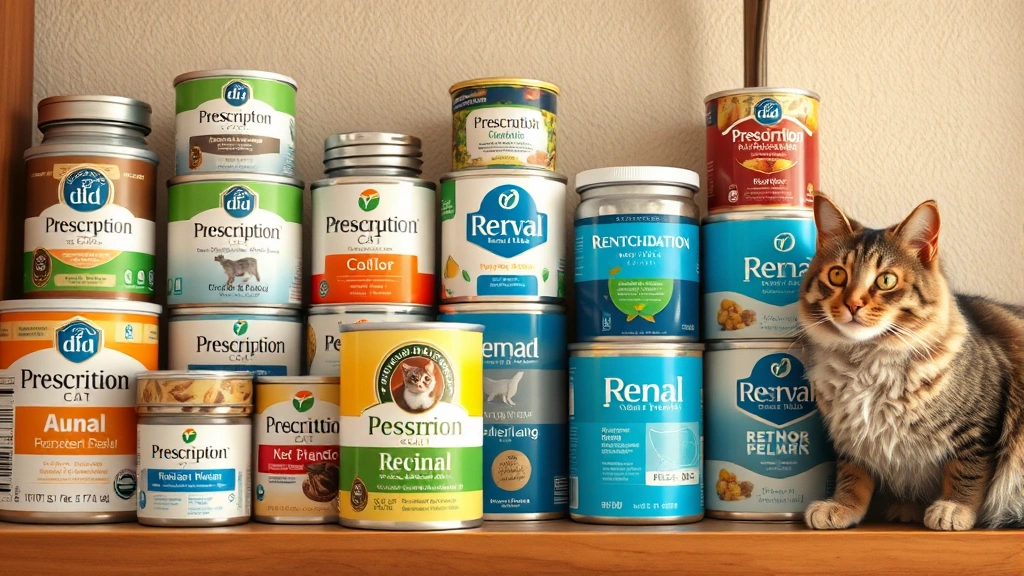
Pro tip: Prescription renal diets require a veterinary order. Your vet may recommend starting with a senior cat kidney diet prescription formula first, then exploring other options if your cat refuses it.
How to Transition Your Senior Cat to a Renal Diet
Cats are notoriously picky eaters, and a sudden diet change can backfire. A slow transition prevents digestive upset and increases acceptance:
- Days 1-3: Mix 25% new food with 75% current food.
- Days 4-6: Increase to 50% new, 50% old.
- Days 7-9: Move to 75% new, 25% old.
- Day 10+: Serve 100% new renal diet.
If your cat refuses the new food, slow the transition even more over 2-3 weeks. Some cats need creative tricks—warming wet food, adding a tiny amount of low-sodium broth, or feeding at different times of day.
If your cat still won’t eat after 2 weeks, contact your vet. Anorexia in cats with kidney disease is serious and requires intervention.
Wet vs. Dry Food for Renal Cats
Wet food is generally superior for cats with kidney disease because it provides hydration, which supports kidney function. Cats with CKD often drink inadequately, and wet food helps compensate.
That said, some cats prefer dry kibble. The ideal approach is mixed feeding: wet food as the primary diet, with a small amount of renal dry food available for cats who want variety.
Avoid non-prescription wet foods marketed as “senior” or “kidney support.” These often don’t meet the strict phosphorus and protein standards that prescription diets do. Check the guaranteed analysis on the label—phosphorus should be below 0.5% on a dry matter basis.
Monitoring Your Cat’s Response to a Renal Diet
Once your cat is eating a renal diet consistently, watch for these positive signs:
- Improved appetite and energy levels
- Reduced vomiting or nausea
- More normal drinking and urination patterns
- Better coat condition and weight maintenance
- Slower increase in creatinine and BUN levels (shown in bloodwork)
Your vet will recommend blood and urine testing every 3-6 months to track kidney function. These labs tell you whether the diet is working and whether adjustments are needed.
If your cat’s bloodwork worsens despite a renal diet, your vet may recommend low phosphorus cat food with additional supplements or medications to support kidney function further.
Common Challenges and How to Overcome Them
Challenge: Your cat refuses prescription renal food.
Try warming wet food to body temperature, mixing in a tiny amount of tuna juice or broth, or offering it on a different plate or location. Some cats respond to feeding at specific times or in a quiet space away from other pets.
Challenge: Multiple cats, only one needs a renal diet.
Feed the renal cat separately in a different room. Renal diets aren’t harmful to healthy cats, but it’s easier to monitor intake if they’re fed apart. Consider permanent feeding routine adjustments that work for your household.
Challenge: Cost of prescription renal food.
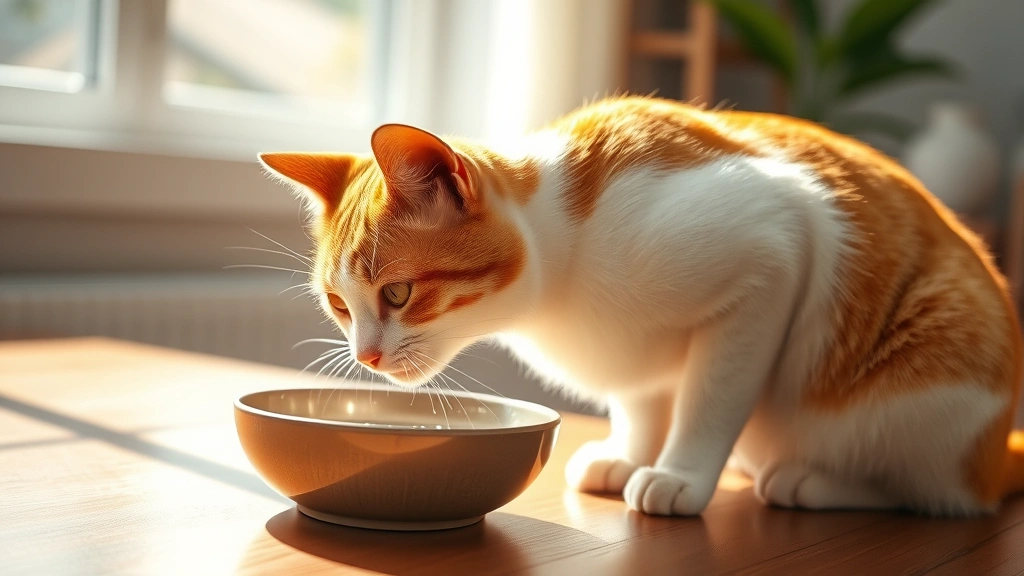
Renal diets are pricier, but they extend life and reduce emergency vet visits. Ask your vet about generic alternatives or less expensive prescription brands. Some veterinary clinics offer discounts for long-term prescriptions.
Challenge: Cats with other health conditions (diabetes, hyperthyroidism).
Managing multiple conditions requires a specialized diet. Work closely with your vet or a veterinary nutritionist to balance all dietary needs. Sometimes a compromise diet is better than perfect adherence to one condition at the expense of another.
Supplements and Additional Support
Beyond diet, several supplements support kidney health in senior cats:
- Phosphate binders – Reduce phosphorus absorption in the gut. Your vet may prescribe these if diet alone isn’t enough.
- Omega-3 supplements – Reduce inflammation and support renal blood flow.
- Potassium binders – For cats with high potassium levels (hyperkalemia).
- Appetite stimulants – If nausea prevents your cat from eating the renal diet.
Always discuss supplements with your vet before adding them. Some interact with medications or aren’t appropriate for advanced kidney disease.
When to Seek Veterinary Help
Contact your vet immediately if your cat shows:
- Severe lethargy or collapse
- Persistent vomiting or inability to eat
- Difficulty urinating or blood in urine
- Extreme thirst and urination despite diet changes
- Bad breath (sign of uremia)
If you’re unsure whether your cat needs urgent care, a quick telehealth check-in can give you peace of mind—no appointment needed. The Pet Vet’s telehealth service connects you with a licensed veterinarian within minutes to assess your senior cat’s symptoms.
What To Do Now
- Schedule a consultation with your veterinarian to confirm your cat’s kidney disease stage and discuss which renal diet is best for your specific situation.
- Request a prescription for one of the recommended senior cat renal diets and ask about sample packs or trial sizes so your cat can taste it before you buy a full supply.
- Plan a gradual transition over 7-10 days, mixing the new renal food with your cat’s current diet to increase acceptance and prevent digestive upset.
- Set up a monitoring schedule with your vet for bloodwork every 3-6 months to track kidney function and adjust the diet or medications as needed.
- Consider complementary strategies like age appropriate feeding frequency adjustments and feline urinary tract infection (UTI) prevention, as kidney disease cats are prone to complications.
Summary: The Power of a Senior Cat Renal Diet
A diagnosis of kidney disease in your senior cat is serious, but it’s not a death sentence. A well-formulated senior cat renal diet is one of the most evidence-based interventions available to slow disease progression and improve quality of life.
The best renal diet is the one your cat will eat consistently. Whether that’s Hill’s k/d, Royal Canin, a homemade recipe, or another option, work closely with your vet to find the right fit. Pair dietary management with regular bloodwork monitoring, supplements as recommended, and plenty of love—and many cats thrive for years after a kidney disease diagnosis.
Your cat is lucky to have an owner who’s taking the time to learn about renal nutrition. That commitment makes all the difference.
Frequently Asked Questions
How long can a cat live with kidney disease on a renal diet?
With early diagnosis and a quality renal diet, many cats live 2-5+ years after diagnosis. Advanced cases may have shorter lifespans, but diet significantly improves outcomes and quality of life regardless of stage.
Can a renal diet cure kidney disease in cats?
No, kidney disease is progressive and irreversible. However, a renal diet slows progression and manages symptoms, giving your cat a longer, more comfortable life.
Is prescription renal food necessary, or can I use over-the-counter senior food?
Prescription renal diets are formulated to strict standards for phosphorus and protein that over-the-counter foods don’t meet. Your vet may recommend prescription food as the primary diet, though some high-quality commercial foods can supplement it.
What if my cat refuses to eat the renal diet?
Try warming the food, mixing it with broth, feeding in a quiet space, or transitioning more slowly. If refusal persists beyond 2 weeks, contact your vet—anorexia in kidney disease cats requires intervention.
Should I give my cat supplements along with a renal diet?
Many cats benefit from omega-3 supplements or phosphate binders, but only add supplements your vet recommends. Some can interfere with medications or complicate kidney disease management.