
When your senior cat is struggling with dehydration, elderly cat subcutaneous fluids can be a game-changer for their quality of life and comfort. If your veterinarian has mentioned this treatment, you’re probably feeling a mix of worry and relief—worry about whether you can handle giving fluids at home, and relief that there’s a concrete way to help your aging companion feel better.
Table of Contents
- What Are Subcutaneous Fluids and Why Do Senior Cats Need Them?
- Signs Your Senior Cat May Benefit From Subcutaneous Fluids
- How Subcutaneous Fluid Administration Works at Home
- Step-by-Step: Administering Subcutaneous Fluids Safely
- Common Concerns and How to Address Them
- Nutrition and Hydration: Supporting Kidney Health
- Managing Nausea and Appetite Loss
- Monitoring Your Cat’s Progress and Adjusting Care
- When to Seek Immediate Veterinary Care
- Long-Term Outlook and Quality of Life
- What To Do Now
- Frequently Asked Questions
- Summary: Giving Your Senior Cat the Care They Deserve
This article is for informational purposes only and is not a substitute for professional veterinary advice. Always consult a licensed veterinarian for diagnosis and treatment.
Subcutaneous fluid therapy is one of the most effective tools we have for managing chronic dehydration in older cats, especially those dealing with kidney disease or other age-related conditions. The good news? With a little guidance and practice, most pet owners find the process becomes routine and stress-free for both them and their cats.
What Are Subcutaneous Fluids and Why Do Senior Cats Need Them?
Subcutaneous fluids—sometimes called “sub-q fluids” or “SQ fluids”—are administered just under the skin, creating a small pocket of fluid that the body gradually absorbs over several hours. This method delivers hydration directly where it’s needed without requiring a needle in a vein.

Senior cats often develop chronic kidney disease, which reduces their ability to concentrate urine and retain water. This leads to increased thirst and urination, but paradoxically, many older cats don’t drink enough to compensate. The result is chronic, low-level dehydration that can worsen kidney function and make your cat feel awful.
Subcutaneous fluid therapy addresses this by maintaining hydration between vet visits, supporting kidney function, and helping your cat feel more energetic and comfortable. Catching this early puts you in a great position to help slow the progression of kidney disease and improve your cat’s day-to-day wellbeing.
Signs Your Senior Cat May Benefit From Subcutaneous Fluids
Not every older cat needs sub-q fluids, but several signs suggest your veterinarian might recommend them. These include excessive thirst and urination, lethargy or decreased appetite, poor coat quality, or elevated kidney markers on blood work.
If your senior cat seems withdrawn, eats less than usual, or has lost weight despite eating, dehydration could be the culprit. Some cats also develop nausea related to kidney disease, which further reduces their desire to eat and drink.
Your vet will perform bloodwork and assess your cat’s overall condition to determine whether sub-q fluids are appropriate. This personalized approach ensures your elderly cat gets exactly what they need.
How Subcutaneous Fluid Administration Works at Home
Your veterinarian will provide you with sterile IV bags (usually containing a balanced electrolyte solution), IV tubing with a needle, and detailed instructions tailored to your cat. The process involves inserting a small needle under the loose skin on your cat’s back or neck, allowing gravity to pull the fluid into the subcutaneous space.
Most cats tolerate this remarkably well once they adjust to the routine. The needle is thin, the process is quick (usually 10-15 minutes), and many cats actually seem to feel better after receiving fluids—they become more alert and eat with better appetite within hours.
Your vet will recommend a specific schedule: some cats receive fluids twice weekly, others three times weekly, depending on their kidney function and how well they’re maintaining hydration on their own. You’ll learn exactly how much fluid to administer and how to recognize when you’ve given enough.
Step-by-Step: Administering Subcutaneous Fluids Safely
The process becomes second nature with practice. Here’s the general approach:
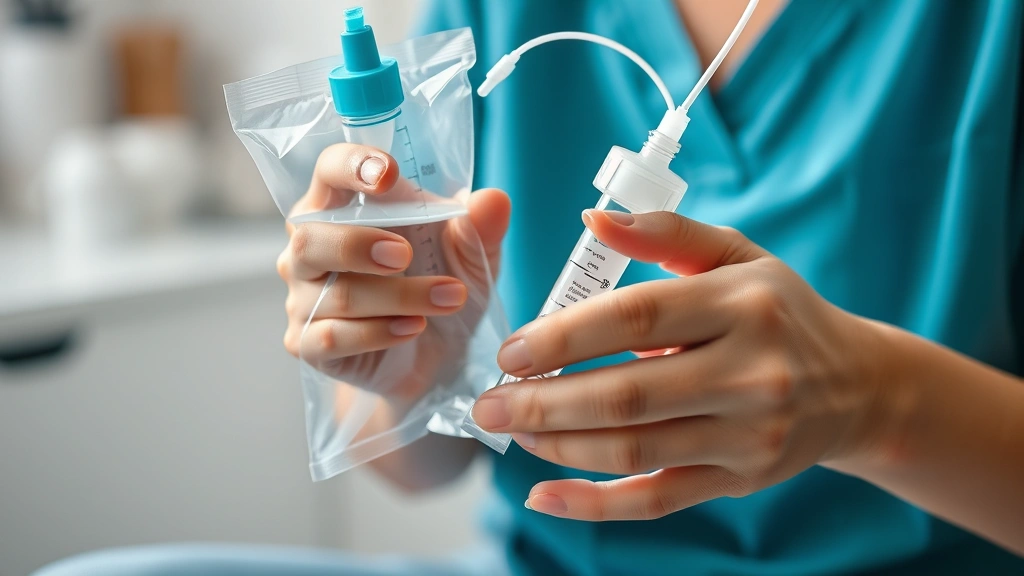
- Prepare your supplies: Gather the IV bag, tubing, needle, and any other materials your vet provided. Wash your hands thoroughly.
- Warm the fluids: Hold the bag under warm (not hot) water for a few minutes. Warm fluids are more comfortable for your cat and absorb faster.
- Prime the line: Your vet will show you how to fill the tubing with fluid so no air bubbles enter your cat’s skin.
- Position your cat: Have your cat sit or stand calmly. Many owners give treats or use a favorite toy to keep their cat relaxed and still.
- Find the injection site: Gently lift the skin on your cat’s back or neck to create a “tent.” Your vet will show you the best location.
- Insert the needle: With one smooth motion, insert the needle under the lifted skin at a shallow angle. You should feel minimal resistance.
- Secure and monitor: Hold the needle steady while the fluid flows in. Watch for any signs of discomfort, though most cats remain calm throughout.
- Remove and comfort: Once the prescribed amount has infused, gently remove the needle and offer praise and treats.
Common Concerns and How to Address Them
Many pet owners worry they’ll hurt their cat or do something wrong. The truth is, veterinarians wouldn’t recommend home administration if it weren’t safe and manageable for typical pet owners. Your vet’s training and follow-up appointments ensure your technique stays on track.
Some cats develop a small lump or swelling at the injection site—this is normal and usually resolves within a few hours as the fluid absorbs. If you notice redness, warmth, or swelling that persists or worsens, contact your veterinarian.
Occasionally, a cat may seem reluctant or anxious about the process. Patience, positive reinforcement, and sometimes a calm environment (or a helper) can make a huge difference. If you’re genuinely struggling, discuss concerns with your vet—they may adjust the schedule or technique.

Nutrition and Hydration: Supporting Kidney Health
Subcutaneous fluids work best alongside a supportive diet. Many vets recommend a senior cat renal diet that’s lower in protein and phosphorus, which reduces the workload on aging kidneys.
Some cats benefit from feline kidney support diets formulated with specific nutrients and lower sodium. Additionally, low phosphorus cat food can help slow kidney disease progression.
Encourage your senior cat to drink more by offering fresh water in multiple locations, using a cat water fountain, or providing wet food alongside dry kibble. Every bit of hydration helps reduce the burden on your cat’s kidneys.
Managing Nausea and Appetite Loss
Kidney disease often causes nausea, which makes cats eat less and feel miserable. As your cat receives subcutaneous fluids and feels better hydrated, appetite often improves naturally. However, some cats need additional support.
Warming food slightly, offering smaller, more frequent meals, and ensuring a calm eating environment all help. If nausea persists despite fluid therapy, discuss cat vomiting medication or other appetite-support options with your vet.
Many owners find that their cat’s personality and energy return once hydration improves—it’s one of the most rewarding aspects of this treatment.

Monitoring Your Cat’s Progress and Adjusting Care
Regular bloodwork helps your vet track kidney function and determine whether the current fluid schedule is working. Most cats on subcutaneous fluids have blood tests every 4-12 weeks initially, then less frequently once stable.
Keep notes on your cat’s appetite, energy level, coat quality, and litter box habits. These observations help your vet fine-tune the treatment plan. If your cat seems more lethargic, stops eating, or shows other changes, contact your veterinarian promptly.
Adjustments to fluid volume, frequency, or electrolyte composition are common as your cat’s condition evolves. This is normal and shows your vet is actively managing your cat’s health.
When to Seek Immediate Veterinary Care
While subcutaneous fluid therapy is generally very safe, contact your vet immediately if your cat shows signs of infection at the injection site (increasing redness, warmth, discharge, or swelling), becomes suddenly lethargic or unresponsive, stops eating entirely, or has difficulty breathing.
If you’re unsure whether your pet needs urgent care, a quick telehealth check-in can give you peace of mind—no appointment needed. The Pet Vet’s telehealth platform lets you reach a licensed veterinarian quickly for guidance on whether your cat needs an emergency visit.
Long-Term Outlook and Quality of Life
Many senior cats thrive on subcutaneous fluid therapy for months or even years. The goal isn’t to cure kidney disease—it’s to slow its progression and keep your cat comfortable and hydrated.
Owners often report that their elderly cats become more playful, eat better, and seem to enjoy life more once they’re properly hydrated. The effort you invest in home fluid administration pays dividends in your cat’s comfort and wellbeing.
This treatment allows you to actively participate in your senior cat’s care, which many owners find deeply rewarding. You’re not just managing a disease; you’re actively extending and improving your cat’s quality of life during their golden years.
What To Do Now
- Schedule a consultation with your veterinarian if you suspect your senior cat may benefit from subcutaneous fluids. Bring any recent bloodwork or notes about changes in appetite, thirst, or energy.
- Ask your vet for a hands-on training session before starting home administration. Request a demonstration, then practice the technique under their supervision until you feel confident.
- Set up a consistent schedule and gather all supplies in one designated location. Many owners find it helpful to keep a log of each fluid administration and their cat’s response.
- Discuss diet options with your vet, including whether your cat would benefit from a senior renal diet or kidney support formula to complement fluid therapy.
- Plan for regular follow-up bloodwork and check-ins with your veterinarian to monitor your cat’s kidney function and adjust the treatment plan as needed.
Frequently Asked Questions
Does subcutaneous fluid administration hurt my cat?
Most cats tolerate sub-q fluids very well. The needle is thin and the insertion quick. Many owners report their cats barely react, especially once they adjust to the routine. Warm fluids and a calm environment help minimize any discomfort.
How often does my senior cat need subcutaneous fluids?
The frequency depends on your cat’s kidney function and hydration status. Your vet will recommend a schedule—typically 2-3 times weekly—and adjust it based on bloodwork and how your cat responds to treatment.
Can I give subcutaneous fluids if my cat has other health conditions?
Subcutaneous fluids are generally safe alongside other treatments, but always inform your vet about all of your cat’s health conditions and medications. Your vet will ensure fluid therapy complements your cat’s overall treatment plan.
What type of fluid will my vet recommend?
Your vet will choose a balanced electrolyte solution tailored to your cat’s specific needs. The most common options contain sodium, potassium, and other electrolytes that support kidney health and overall hydration.
Is home administration of subcutaneous fluids difficult?
With proper training from your veterinarian, most pet owners find the process straightforward and become comfortable with it quickly. Your vet will ensure you’re confident before you administer fluids independently at home.
Summary: Giving Your Senior Cat the Care They Deserve
Elderly cat subcutaneous fluids represent one of the most effective, manageable ways to support a senior cat’s health and comfort during their final years. Whether your cat is managing kidney disease, chronic dehydration, or other age-related challenges, this treatment can significantly improve their quality of life.
The process becomes routine with practice, and most owners feel empowered knowing they’re actively helping their beloved companion. Combined with a supportive diet, regular veterinary monitoring, and attentive home care, subcutaneous fluid therapy allows many senior cats to enjoy their golden years with improved energy, appetite, and overall wellbeing.
Your veterinarian is your partner in this journey. Don’t hesitate to ask questions, request additional training, or reach out if you notice any changes in your cat’s condition. With the right support and care, your elderly cat can continue to be a cherished part of your family for as long as possible.
Ready to learn more about supporting your senior cat’s health? Connect with a licensed veterinarian through The Pet Vet’s telehealth platform for personalized guidance on subcutaneous fluid therapy and comprehensive senior cat care.