
If you’ve noticed your dog acting unusually lethargic, refusing food, or running a fever, you might be wondering if dengue fever in dogs could be the culprit—and understandably so. Dengue is a mosquito-borne viral infection that can affect our canine companions, and knowing what to look for can make all the difference in getting your pup the care they need quickly.
Table of Contents
- What Is Dengue Fever in Dogs?
- How Do Dogs Contract Dengue Fever?
- Common Symptoms of Dengue Fever in Dogs
- Diagnostic Process for Dengue in Dogs
- Treatment Approaches for Dengue Fever in Dogs
- Nutritional Support During Recovery
- Preventing Dengue Fever in Dogs
- When to Seek Emergency Care
- Recovery Timeline and Prognosis
- Frequently Asked Questions
- What To Do Now
- Summary
This article is for informational purposes only and is not a substitute for professional veterinary advice. Always consult a licensed veterinarian for diagnosis and treatment.
What Is Dengue Fever in Dogs?
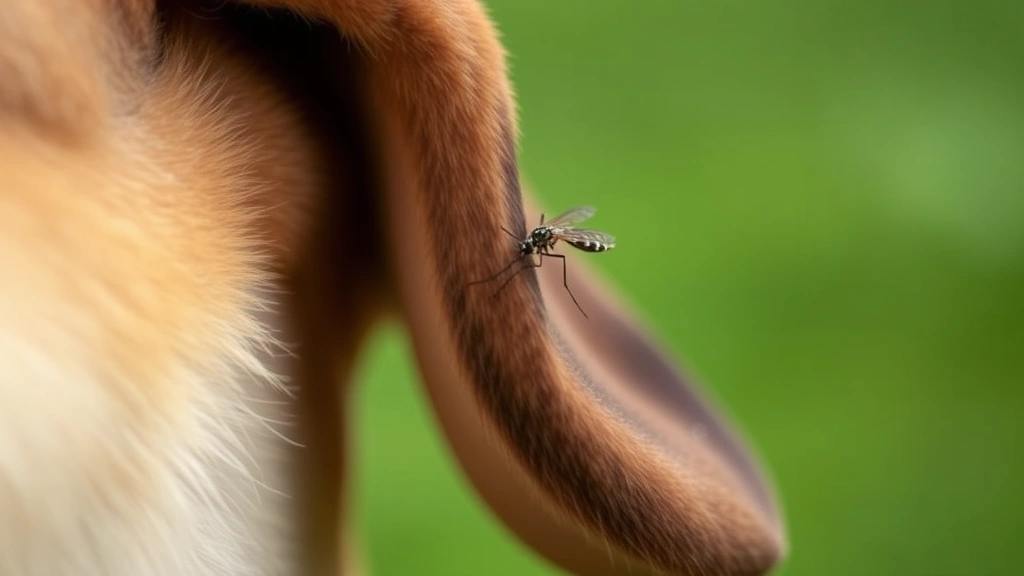
Dengue fever is a viral infection transmitted primarily through mosquito bites, particularly from the Aedes mosquito species. While dengue is more commonly associated with human infections, dogs can contract this virus and experience their own set of health challenges.
The virus works by entering your dog’s bloodstream through a mosquito bite and then replicating in various tissues throughout the body. This triggers an immune response that can lead to inflammation and a range of symptoms you’ll want to catch early.
How Do Dogs Contract Dengue Fever?
The primary transmission route is through infected mosquito bites. If your dog spends time outdoors—especially in warm, humid climates where mosquitoes thrive—they’re at greater risk of exposure.
Dengue doesn’t spread directly from dog to dog or from dogs to humans through casual contact. However, if an infected dog is bitten by a mosquito, that mosquito could potentially transmit the virus to other animals or people. This makes prevention all the more important for your household.
Common Symptoms of Dengue Fever in Dogs
Recognizing the early signs of dengue fever in dogs is crucial. Your pup may be experiencing a range of symptoms that seem vague at first but warrant immediate veterinary attention.
- Fever: A body temperature above 103°F (39.4°C) is a red flag
- Lethargy: Unusual tiredness or lack of interest in play and walks
- Loss of appetite: Refusing meals or treats they normally enjoy
- Vomiting or diarrhea: Gastrointestinal upset that persists
- Joint or muscle pain: Limping or reluctance to move
- Swollen lymph nodes: Noticeable lumps under the jaw or behind the legs
- Nasal or gum bleeding: Petechiae (small red spots) on gums or mucous membranes
- Weakness: Difficulty standing or moving around normally
Catching these symptoms early puts you in a great position to help your dog recover. Many dogs show improvement with prompt veterinary care and supportive treatment.
Diagnostic Process for Dengue in Dogs
Your veterinarian will take a comprehensive approach to diagnosing dengue fever in dogs. They’ll start with a thorough physical examination and detailed history of your dog’s recent activities and symptoms.
Blood tests are essential for confirming dengue. Your vet may recommend serological tests to detect dengue antibodies or PCR (polymerase chain reaction) testing to identify the virus directly. Additionally, they might perform a pet fine needle aspirate to examine cells from swollen lymph nodes and rule out other conditions.
Urinalysis is another valuable diagnostic tool. Changes in pet urinalysis color or the presence of pet urine bilirubin can indicate how the virus is affecting your dog’s liver and kidneys, helping your vet tailor treatment accordingly.
Treatment Approaches for Dengue Fever in Dogs
There’s no specific antiviral medication that targets dengue directly, so treatment focuses on supporting your dog’s immune system while managing symptoms. Think of it as helping your pup’s body fight the infection on its own timeline.

Supportive care is the cornerstone of dengue treatment in dogs. This includes maintaining proper hydration through intravenous fluids if your dog cannot drink adequately, providing nutritional support, and managing fever and discomfort as needed.
Your veterinarian may recommend rest and confinement to prevent further mosquito exposure while your dog recovers. Most dogs show gradual improvement over 1-2 weeks with consistent care and monitoring.
Nutritional Support During Recovery
Proper nutrition plays a vital role in helping your dog bounce back from dengue. When your pup is feeling under the weather, feeding for immune support becomes especially important.
Offer easily digestible, nutrient-dense foods that won’t upset an already sensitive stomach. Bone broth, lean proteins, and foods rich in antioxidants can help support recovery. Always introduce dietary changes gradually and under your vet’s guidance.
If your dog refuses solid food, discuss liquid nutrition options with your veterinarian. Maintaining caloric intake supports healing, even if meals look different than usual.
Preventing Dengue Fever in Dogs
Prevention is always better than treatment when it comes to dengue fever in dogs. Mosquito control is your first line of defense.
- Apply veterinarian-approved mosquito repellents designed for dogs
- Limit outdoor time during peak mosquito hours (dawn and dusk)
- Remove standing water from your yard where mosquitoes breed
- Use screens on windows and doors to keep mosquitoes out
- Consider using mosquito netting in outdoor dog areas during high-risk seasons
Regular flea and tick prevention often includes mosquito protection, so discuss comprehensive parasite prevention with your vet. If you live in an area with dengue activity, staying proactive about mosquito prevention protects your entire household.
When to Seek Emergency Care
While many cases of dengue in dogs can be managed on an outpatient basis, certain signs warrant immediate veterinary attention. If your dog shows severe bleeding, difficulty breathing, collapse, or signs of shock, head to an emergency clinic right away.
Prolonged vomiting, inability to keep fluids down, or worsening lethargy despite initial treatment also require urgent evaluation. If you are unsure whether your pet needs urgent care, a quick telehealth check-in can give you peace of mind — no appointment needed.
Recovery Timeline and Prognosis
Most dogs recover from dengue fever with appropriate supportive care, though the timeline varies. Some pups bounce back within a week, while others may take 2-3 weeks to return to normal energy levels.
The prognosis is generally favorable, especially when treatment begins early. However, dogs with severe dengue or those with underlying health conditions may have a longer recovery period or require more intensive care.
Your veterinarian will monitor your dog’s progress through follow-up appointments and bloodwork to ensure they’re truly on the mend. This reassurance helps you feel confident in your dog’s recovery journey.
Frequently Asked Questions
Can dengue fever in dogs spread to humans?
Dengue doesn’t spread directly from dogs to people. However, if a mosquito bites an infected dog and then bites a human, transmission is theoretically possible. This is another reason to focus on mosquito prevention for your whole household.
How long does dengue fever last in dogs?
Most dogs recover within 1-3 weeks with proper supportive care. Some may experience lingering fatigue for a bit longer, but full recovery is typical in otherwise healthy dogs.
Is there a vaccine for dengue in dogs?
Currently, there is no widely available dengue vaccine specifically for dogs. Prevention through mosquito control remains the best strategy for protecting your pet.
What’s the difference between dengue and other mosquito-borne illnesses in dogs?
Other mosquito-borne diseases like heartworm have different transmission patterns and symptoms. Your vet can distinguish between these through appropriate testing and help you understand which prevention strategies matter most for your area.
Can my dog get dengue more than once?
Immunity after dengue infection is complex. While dogs typically develop some immunity to the specific dengue strain they contracted, protection against other dengue strains varies. Ongoing mosquito prevention remains important.
What To Do Now
- Schedule a veterinary appointment: If you suspect your dog has dengue or any unusual symptoms, contact your vet or use telehealth for a quick assessment to rule out serious conditions.
- Implement mosquito prevention: Start using veterinarian-approved mosquito repellents and reduce standing water around your home immediately.
- Monitor your dog closely: Keep a symptom log noting fever, appetite changes, energy levels, and any other concerns to share with your vet.
- Prepare supportive care supplies: Stock easily digestible foods, ensure fresh water is always available, and have a comfortable rest area ready for your dog’s recovery.
- Discuss your location’s dengue risk: Talk with your veterinarian about whether dengue is prevalent in your area and what additional preventive measures make sense for your household.
Summary
Dengue fever in dogs is a serious but manageable condition when caught early and treated appropriately. While there’s no specific cure, supportive care—including hydration, rest, nutrition, and monitoring—helps most dogs recover fully within a few weeks.
Your role as a pet owner is to stay vigilant about symptoms, work closely with your veterinarian, and prioritize mosquito prevention to protect your pup. By understanding dengue fever in dogs and taking proactive steps, you’re giving your beloved companion the best chance at a speedy recovery and a healthy future.
Remember, you’re not alone in this journey. Your veterinary team is here to support you every step of the way, whether through in-person visits or convenient telehealth consultations.