
If your cat is displaying signs of stress—spraying, excessive meowing, or hiding—the Feliway Classic cat calming diffuser starter kit vs alternatives comparison might be exactly what you need to make an informed decision. Many cat owners find themselves overwhelmed when their beloved feline suddenly becomes anxious, destructive, or withdrawn, and they’re not sure which calming solution will actually work.
Table of Contents
- What Is Feliway Classic and How Does It Work?
- Common Reasons Cats Need Calming Solutions
- Feliway Classic vs. Feliway Multicat: Key Differences
- Natural and Herbal Alternatives to Feliway
- Prescription Calming Medications: When to Consider Them
- Comparing Cost and Long-Term Value
- Environmental Modifications Work Best Alongside Any Product
- What Pet Owners Actually Report: Real-World Experiences
- Making Your Final Decision: A Practical Framework
- Potential Side Effects and Safety Considerations
- When to Consult Your Veterinarian
- Frequently Asked Questions
- Summary: Finding the Right Solution for Your Anxious Cat
- What To Do Now
This article is for informational purposes only and is not a substitute for professional veterinary advice. Always consult a licensed veterinarian for diagnosis and treatment.
The good news? You’re not alone in this struggle, and there are several effective options available. Understanding how Feliway Classic compares to other calming solutions can help you choose the right path forward for your cat’s emotional well-being.
What Is Feliway Classic and How Does It Work?
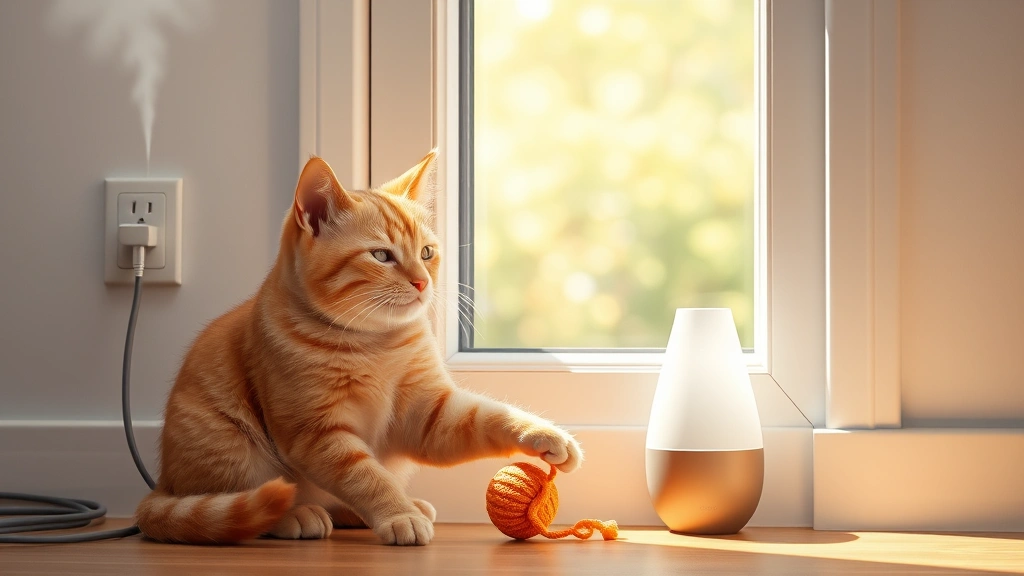
Feliway Classic is a synthetic pheromone diffuser designed to mimic the natural calming pheromones that cats release from glands on their face. When your cat rubs their face on furniture or people, they’re actually marking their territory as safe—and Feliway replicates this exact signal.
The starter kit typically includes a plug-in diffuser and a 30-day refill vial. Unlike medications, Feliway is non-pharmaceutical and odorless to humans, making it a gentle first-line option for anxious cats. It works best in enclosed spaces like a single room or bedroom.
Most cat owners report noticing changes within 24-48 hours, though full effects may take up to two weeks. The diffuser covers approximately 700 square feet, so placement matters significantly.
Common Reasons Cats Need Calming Solutions
Before comparing products, it’s helpful to understand why your cat might be stressed. Anxiety in cats can stem from environmental changes, loud noises, new pets, or underlying medical conditions.
- Moving to a new home or rearranging furniture
- Introduction of a new family member or pet
- Loud noises (fireworks, construction, thunderstorms)
- Changes in routine or schedule
- Medical issues like urinary tract infections or hyperesthesia syndrome
- Inadequate environmental enrichment
Catching stress early puts you in a great position to help your cat feel secure again. If you suspect your cat’s anxiety stems from a medical issue, a quick telehealth check-in with a veterinarian can give you peace of mind—no appointment needed.
Feliway Classic vs. Feliway Multicat: Key Differences
Feliway offers multiple formulations, and understanding the differences is crucial. Feliway Classic targets general anxiety, fear, and urine marking. Feliway Multicat, on the other hand, is specifically designed for multi-cat households and includes additional pheromones that reduce tension between cats.
If you have one cat, Feliway Classic is typically the better choice. However, if you’re managing multiple cats with territorial disputes or conflict, Multicat may be worth the extra investment. Both use the same diffuser hardware, so you can switch between formulations easily.
The cost difference is minimal—usually just a few dollars per refill—but the behavioral outcomes can be significant in multi-cat homes.
Natural and Herbal Alternatives to Feliway
Some cat owners prefer exploring natural calming options before trying synthetic pheromones. Cat calming supplements containing ingredients like L-theanine, chamomile, or valerian root are increasingly popular and widely available.
Pros of herbal alternatives:
- Often more affordable than Feliway refills
- Can be combined with other calming methods
- No plug-in required—works anywhere
- Many cats find them palatable
Cons of herbal alternatives:
- Less clinical evidence than Feliway
- Results vary widely between individual cats
- Require consistent daily administration
- Some cats refuse treats or supplements
Herbal supplements work best when combined with environmental modifications and behavioral enrichment rather than used alone.
Prescription Calming Medications: When to Consider Them
For severely anxious cats, your veterinarian might recommend prescription medications like fluoxetine or alprazolam. These are pharmaceutical interventions that work differently than pheromones or supplements.
Prescription options are typically reserved for cases where behavioral and environmental modifications haven’t worked, or when anxiety is severely impacting your cat’s quality of life. They require veterinary oversight and regular monitoring.
Many vets recommend starting with Feliway or supplements, then escalating to medication if needed. This stepped approach helps identify the least invasive solution that works for your individual cat.
Comparing Cost and Long-Term Value
Let’s break down the financial reality of each option:
- Feliway Classic Starter Kit: $25-40 upfront, then $15-20 per monthly refill
- Herbal Supplements: $10-25 per month depending on brand and format
- Prescription Medications: $20-50 per month plus veterinary consultation fees
- Combination Approach: Often most effective but requires budgeting for multiple products
The most cost-effective option depends on your cat’s specific needs and response. Some cats respond beautifully to Feliway alone, while others benefit from a combination of pheromones and supplements. Trial and error is often necessary.
Environmental Modifications Work Best Alongside Any Product
Here’s something many cat owners overlook: no calming product works optimally without addressing the underlying environment. Whether you choose Feliway, supplements, or medication, environmental enrichment dramatically improves outcomes.
Essential environmental modifications:
- Provide multiple vertical spaces (cat trees, shelves) for escape and observation
- Ensure adequate litter boxes—the rule is one per cat plus one extra
- Create quiet, safe zones where your cat can retreat
- Use window perches for stimulation and natural light
- Maintain consistent daily routines and feeding schedules
- Offer interactive toys and puzzle feeders for mental engagement
Think of calming products as support tools, not standalone solutions. They work best when combined with a thoughtfully designed environment that meets your cat’s physical and psychological needs.
What Pet Owners Actually Report: Real-World Experiences
Feliway Classic receives consistently positive reviews from cat owners, with many reporting noticeable behavioral improvements within days. Common success stories include reduced spraying, decreased destructive behavior, and cats becoming more social and playful.
However, not every cat responds identically. Some owners find that herbal supplements work just as well at a lower cost, while others swear that only prescription medication truly helped their severely anxious cat.
The variability in results highlights why consulting with a veterinarian is valuable—they can help you select the most promising option based on your cat’s specific situation and past responses to treatments.
Making Your Final Decision: A Practical Framework
Choosing between Feliway Classic and alternatives doesn’t have to be complicated. Consider these questions:
- How severe is your cat’s anxiety? (Mild = start with Feliway; Severe = consider medication)
- Are you managing multiple cats with conflict? (Yes = consider Multicat formula)
- What’s your budget for ongoing treatment? (Limited = herbal supplements may work)
- Does your cat respond well to supplements or treats? (Yes = herbal options viable)
- Have environmental modifications alone helped? (No = pheromones or medication likely needed)
Most veterinarians recommend starting with Feliway Classic or environmental enrichment, then adding supplements or medication if needed. This approach balances effectiveness with safety and cost.
Potential Side Effects and Safety Considerations
Feliway Classic is exceptionally safe—it’s a synthetic pheromone with no known adverse effects or toxicity concerns. Even if your cat ingests the liquid directly, it won’t cause harm.
Herbal supplements are generally safe but may interact with certain medications. Always inform your veterinarian about any supplements you’re giving your cat, especially if they’re on prescription medications.
Prescription medications carry more potential for side effects and require veterinary monitoring. Your vet will discuss these risks and benefits thoroughly before recommending any pharmaceutical intervention.
When to Consult Your Veterinarian
Don’t wait to reach out to your vet if your cat shows sudden behavioral changes. While anxiety is common, sudden aggression, excessive vocalization, or inappropriate elimination could indicate underlying medical issues like inflammatory bowel disease or other conditions requiring treatment.
If you’re unsure whether your pet needs urgent care or just some behavioral support, a quick telehealth check-in can give you peace of mind—no appointment needed. Your vet can help rule out medical causes and recommend the most appropriate calming strategy.
Frequently Asked Questions
How long does a Feliway Classic refill last?
A single 30-day refill vial typically lasts about one month of continuous use in a single room. Refills are available monthly or in multi-packs for cost savings.
Can I use Feliway Classic alongside prescription medications?
Yes, Feliway is often used alongside medications. In fact, combining pheromones with prescription treatment often produces better results than either approach alone. Always confirm with your veterinarian first.
Is Feliway Classic safe for kittens?
Absolutely. Feliway Classic is safe for cats of all ages, including kittens and senior cats. It’s particularly helpful during the stressful kitten-to-adult transition period.
Why isn’t my cat responding to Feliway?
Some cats need 2-4 weeks to show response, while others may simply not respond to pheromones. Environmental factors, medical issues, or the need for a different product type might be at play. Consult your vet for guidance.
Are diffusers or spray versions of Feliway more effective?
Diffusers provide continuous, consistent coverage and are generally more effective for ongoing anxiety. Spray versions work better for targeted, short-term stress (like vet visits). Most experts recommend diffusers for chronic anxiety.
Summary: Finding the Right Solution for Your Anxious Cat
The Feliway Classic cat calming diffuser starter kit remains one of the most effective, safest, and most affordable options for managing feline anxiety. Its synthetic pheromone technology is backed by research and trusted by veterinarians worldwide.
However, it’s not the only solution. Depending on your cat’s specific needs, herbal supplements, prescription medications, or a combination approach might be more appropriate. The key is starting with a thoughtful assessment of what’s driving your cat’s anxiety and then selecting tools that address those root causes.
Environmental enrichment and behavioral modifications amplify the effectiveness of any product you choose. When combined with a calm, enriched environment, most anxious cats show significant improvement within 2-4 weeks.
What To Do Now
- Schedule a brief telehealth consultation with a veterinarian to rule out medical causes of anxiety and get personalized product recommendations based on your cat’s situation.
- Assess your cat’s environment using the enrichment checklist above—identify 2-3 modifications you can make this week to reduce stress triggers.
- Start with Feliway Classic or herbal supplements if your vet gives the green light, and commit to a full 4-week trial before evaluating effectiveness.
- Keep a simple log of your cat’s behavior (spraying incidents, hiding duration, social interaction) to track improvement objectively.
- Follow up with your vet after 4 weeks to discuss results and adjust your approach if needed—escalating to combination therapy or medication if indicated.