
The cost of cat dental cleaning can feel like sticker shock when your vet mentions it, but understanding what goes into that price tag helps you make the best decision for your feline friend’s health. Most cat owners are surprised to learn that dental disease is one of the most common health issues affecting cats, yet it’s often overlooked until problems become serious.
Table of Contents
- Why Cat Dental Cleaning Costs What It Does
- Average Cat Dental Cleaning Prices in 2024
- Breaking Down the Cost Components
- How to Reduce the Cost of Cat Dental Cleaning
- When Extractions Increase the Cost
- Age and Health Status Impact on Pricing
- Finding Affordable Dental Care Without Sacrificing Quality
- Insurance and Dental Coverage
- Red Flags That Your Cat Needs Dental Cleaning
- What Happens During a Professional Dental Cleaning
- Long-Term Savings Through Prevention
- Frequently Asked Questions
- What To Do Now
- Summary
This article is for informational purposes only and is not a substitute for professional veterinary advice. Always consult a licensed veterinarian for diagnosis and treatment.
Why Cat Dental Cleaning Costs What It Does
When you see a quote for professional cat dental cleaning, you’re not just paying for a quick scrub. The procedure involves anesthesia, pre-operative bloodwork, scaling, polishing, and sometimes tooth extractions if decay is advanced. Your vet is also covering equipment sterilization, monitoring equipment, and trained staff time.
Anesthesia alone accounts for a significant portion of the bill because it requires careful assessment of your cat’s health beforehand. This is actually a safety feature—your vet wants to make sure your kitty can handle the procedure safely.
Average Cat Dental Cleaning Prices in 2024
Across the United States, professional cat dental cleaning typically ranges from $200 to $600 for a routine cleaning without extractions. In major metropolitan areas like New York, Los Angeles, and San Francisco, you might see prices climbing toward $800 to $1,200.
The variation depends on several factors:
- Your geographic location and local cost of living
- Your cat’s age and overall health status
- The complexity of the cleaning needed
- Whether extractions are required
- Your veterinary clinic’s experience level and reputation
Rural areas typically charge less, while specialty veterinary dental clinics charge more than general practice veterinarians.
Breaking Down the Cost Components
Understanding what you’re paying for can help you feel more confident about the investment. Pre-operative bloodwork usually costs $75 to $150 and is essential for older cats or those with health concerns. Anesthesia and monitoring add another $100 to $200 to the total.
The actual cleaning procedure—ultrasonic scaling, hand scaling, and polishing—typically runs $150 to $300. If your cat needs tooth extractions, each extraction adds $50 to $200 depending on complexity. Some clinics charge a flat procedure fee that includes basic extractions, while others charge per tooth.
Post-operative pain management and antibiotics may add another $30 to $75 to your final bill.
How to Reduce the Cost of Cat Dental Cleaning
Prevention is genuinely the most cost-effective approach. Starting dental care early means fewer problems down the road and significantly lower cleaning costs.
Here are practical ways to keep costs down:
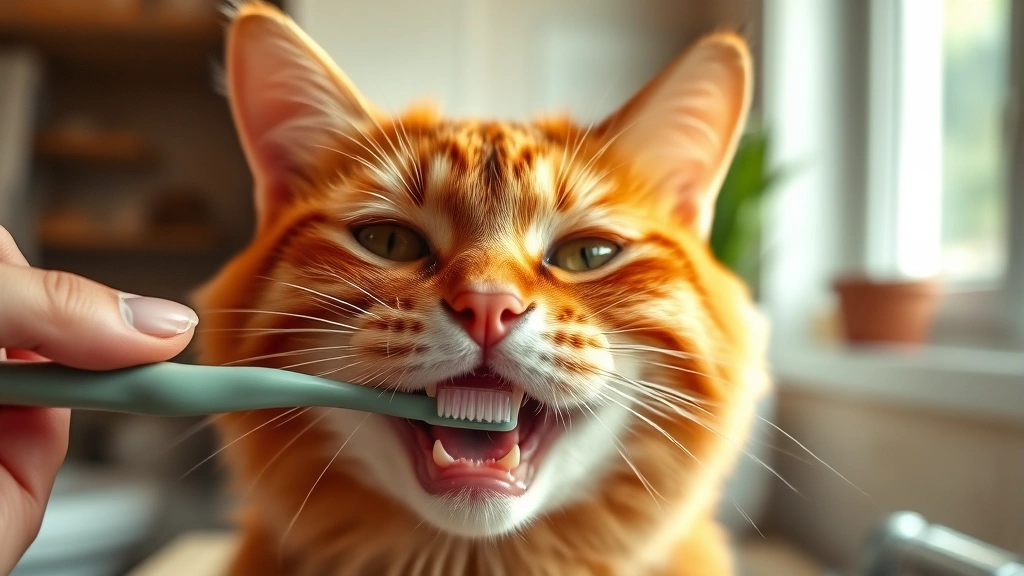
- Start preventive care now. Regular brushing at home can reduce the need for professional cleanings. Even a few times per week makes a difference.
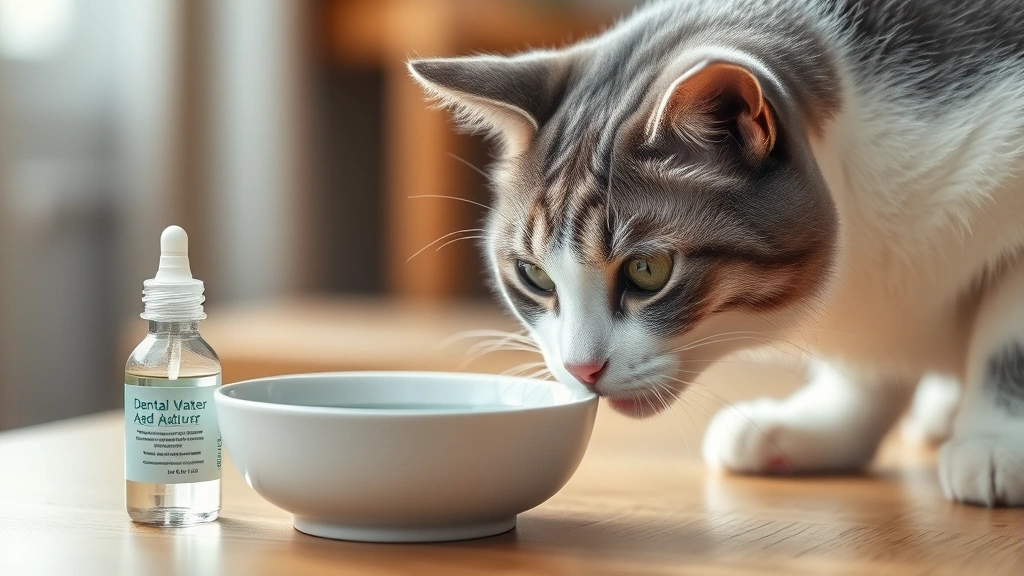
- Use dental water additives. Adding a dental water additive for pets to your cat’s drinking water can help reduce plaque buildup naturally.
- Schedule annual dental checkups. Catching problems early prevents expensive extractions later.
- Ask about payment plans. Many veterinary clinics offer financing options or payment plans to spread costs over time.
- Compare local pricing. Call several clinics in your area to understand the range. Don’t automatically choose the cheapest option, but do shop around.
Preventive care isn’t just about saving money—it’s about keeping your cat comfortable and avoiding serious complications.
When Extractions Increase the Cost
If your cat has advanced dental disease, extractions become necessary. This significantly increases the overall cost, sometimes doubling or tripling the base cleaning price. A cat with severe feline stomatitis or multiple decayed teeth may need numerous extractions, which can push the total bill to $1,000 or more.
The good news? Cats adapt remarkably well to missing teeth. They can eat, play, and live completely normal lives without them. Your vet will only recommend extraction if it’s truly in your cat’s best interest.
Age and Health Status Impact on Pricing
Senior cats often require more extensive pre-operative testing because they’re at higher risk during anesthesia. This means additional bloodwork, possibly chest X-rays, and longer monitoring during the procedure. You might pay $100 to $300 more for a senior cat’s cleaning compared to a younger cat’s.
Cats with kidney disease, diabetes, or heart conditions need specialized anesthesia protocols, which also increases costs. Your vet will discuss these factors transparently before proceeding.
Finding Affordable Dental Care Without Sacrificing Quality
Lower cost doesn’t mean lower quality. Many general practice veterinarians perform excellent dental cleanings at reasonable prices. Specialty veterinary dental clinics charge premium prices but may be necessary for complex cases.
Ask your vet about their experience with dental procedures. Request before-and-after photos of their dental work. A clinic that takes time to explain what they found and why treatment is needed is usually a good choice, regardless of price point.
If you’re unsure whether your pet needs urgent dental care or want to discuss options before committing to a procedure, a quick telehealth check-in can give you peace of mind—no appointment needed.
Insurance and Dental Coverage
Unfortunately, most pet insurance plans don’t cover routine dental cleanings, though some offer partial coverage. However, if your cat develops a dental disease that’s classified as an illness or injury, some policies may help with treatment costs.
When shopping for pet insurance, specifically ask about dental coverage. A few plans do offer it, though premiums are higher. Even without insurance, setting aside $20 to $30 monthly in a pet health fund can help you manage unexpected dental costs.
Red Flags That Your Cat Needs Dental Cleaning
Don’t wait for a routine checkup if you notice these signs. Bad breath is the most common indicator—it’s not normal for cats to have stinky breath. Difficulty eating, drooling, pawing at the mouth, or swollen jaw are also concerning symptoms.
Catching these issues early puts you in a great position to help your cat avoid serious complications like tooth loss or infection spreading to vital organs.
If you notice any of these signs, schedule a veterinary exam promptly. Early intervention typically costs less than waiting for problems to worsen.
What Happens During a Professional Dental Cleaning
Understanding the process can help you feel more confident about the cost. Your cat arrives early for pre-operative assessment. Blood work is drawn and reviewed to ensure safety during anesthesia.
Once anesthesia takes effect, your vet uses ultrasonic scalers to remove tartar and plaque from tooth surfaces and below the gumline. Hand instruments then smooth the tooth surface. Finally, each tooth is polished to help prevent future plaque adhesion.
Your vet examines each tooth carefully, takes X-rays if needed, and removes any teeth that are too damaged to save. The entire procedure typically takes 30 minutes to an hour.
Long-Term Savings Through Prevention
A single professional cleaning costs $200 to $600, but prevention costs pennies per day. Dental water additives cost less than $1 monthly. A soft toothbrush and cat-safe toothpaste cost about $15 and last months.
By investing in prevention now, you avoid multiple expensive cleanings over your cat’s lifetime. A cat that never develops dental disease might never need professional cleaning at all.
Think of it this way: spending 30 minutes weekly on brushing your cat’s teeth could save you thousands of dollars and prevent your cat from experiencing pain and tooth loss.
Frequently Asked Questions
How often does my cat need dental cleaning?
Most cats benefit from annual dental checkups with professional cleaning every 1 to 2 years if they have good oral health. Cats with dental disease may need more frequent cleanings. Your vet will recommend a schedule based on your individual cat’s needs.
Is anesthesia safe for older cats?
Modern anesthesia is very safe, even for senior cats. Pre-operative bloodwork identifies any health concerns beforehand, allowing your vet to choose the safest anesthesia protocol. Most older cats recover beautifully from dental procedures.
Can I brush my cat’s teeth at home instead of professional cleaning?
Home brushing is excellent for prevention and significantly reduces the need for professional cleanings. However, brushing cannot remove tartar buildup below the gumline where disease starts. Professional cleaning is still important periodically.
What if I cannot afford the dental cleaning right now?
Talk to your vet about payment plans, which many clinics offer. Ask if there are less expensive options, like cleaning without extractions if not immediately necessary. In the meantime, start preventive care at home with dental water additives and gentle brushing.
Will my cat eat normally after tooth extractions?
Yes. Cats are incredible adapters and eat normally without teeth. Soft food may be recommended for a few days after extractions, but most cats return to their regular diet within a week.
What To Do Now
- Schedule a dental checkup. Call your veterinarian and ask about your cat’s current dental health status. Request a quote for any recommended cleaning.
- Start preventive care today. Begin brushing your cat’s teeth gently a few times per week, or add a dental water additive to their drinking water as an easy first step.
- Ask about payment options. If cost is a concern, discuss payment plans or financing options with your vet’s office before committing to the procedure.
- Get a second opinion if needed. If the recommended cost seems high, it’s perfectly reasonable to call another clinic for comparison pricing and recommendations.
- Set up a pet health fund. Open a savings account specifically for pet health expenses to make future dental care more manageable.
Summary
The cost of cat dental cleaning in 2024 typically ranges from $200 to $600 for routine cleanings, with higher costs in major cities or for complex cases requiring extractions. While this investment might feel significant, it’s far less expensive than treating advanced dental disease or complications from untreated infections.
Prevention through home care—brushing, dental additives, and regular checkups—is the most cost-effective long-term strategy. Most cats adapt beautifully to dental procedures and extractions, and the relief from pain and infection is invaluable.
Your cat’s dental health directly impacts their overall wellbeing, quality of life, and longevity. By understanding what drives these costs and taking preventive action now, you’re making a smart investment in your feline friend’s future health and happiness.
This article is for general education and is not a substitute for care from your own veterinarian. Learn about The Pet Vet and our editorial policy.