
If your dog has experienced severe dehydration, significant blood loss, or internal bleeding, they may be experiencing hypovolemic shock in dogs—a life-threatening condition where the body doesn’t have enough fluid to maintain proper circulation. This is one of the most critical emergencies a pet owner can face, and understanding what happens, why it matters, and how vets respond can help you act quickly if your beloved companion ever finds themselves in this frightening situation.
Table of Contents
- What Is Hypovolemic Shock in Dogs?
- Common Causes of Hypovolemic Shock
- Recognizing the Warning Signs
- How Vets Diagnose Hypovolemic Shock
- The Role of IV Fluids and Supportive Care
- Medications Used in Hypovolemic Shock Treatment
- What Happens During Recovery
- Long-Term Prognosis and Complications
- Preventing Hypovolemic Shock
- Frequently Asked Questions
- What To Do Now
- Summary: Hypovolemic Shock Requires Immediate Action
This article is for informational purposes only and is not a substitute for professional veterinary advice. Always consult a licensed veterinarian for diagnosis and treatment.
What Is Hypovolemic Shock in Dogs?
Hypovolemic shock occurs when a dog’s body loses so much fluid—whether blood, water, or both—that the circulatory system can’t deliver oxygen and nutrients to vital organs. Think of it like a car engine running on empty: eventually, it simply stops working.
This type of shock is different from other shock types because it’s specifically about volume loss. Your dog’s heart is still beating, but there’s not enough “fuel” (blood and fluid) circulating to keep everything running smoothly. Without rapid intervention, organs begin to fail, and the outcome can be devastating.
Common Causes of Hypovolemic Shock
Several situations can trigger hypovolemic shock in dogs. Understanding these helps you recognize when your pup needs emergency care immediately.
- Severe dehydration: Prolonged vomiting, diarrhea, or heat stroke can deplete your dog’s fluid reserves faster than you’d expect.
- Trauma and bleeding: Car accidents, falls, or puncture wounds cause internal or external blood loss that rapidly destabilizes your dog’s system.
- Ruptured organs: A bleeding spleen or liver injury may not show obvious signs until shock develops.
- Severe burns: Burned skin loses massive amounts of fluid, which is why burn victims need urgent fluid replacement.
- Bloat (gastric dilatation-volvulus): This surgical emergency traps fluid in the stomach and can cause rapid shock.
- Severe infections: Conditions like sepsis in dogs can lead to fluid shifts that trigger shock.
Catching these early puts you in a great position to help your dog recover.
Recognizing the Warning Signs
Hypovolemic shock develops in stages, and recognizing early signs can be the difference between life and death. Your dog may seem confused, restless, or unusually quiet—behavior changes are often the first clue something’s wrong.
As shock progresses, you might notice:
- Pale or white gums (a critical sign of poor circulation)
- Weak or rapid pulse
- Cold ears, paws, or nose
- Shallow, rapid breathing
- Loss of consciousness or unresponsiveness
- Collapse or inability to stand
If you see any combination of these signs, your dog needs emergency veterinary care right now—not in an hour, but immediately. Don’t wait to see if symptoms improve on their own.
How Vets Diagnose Hypovolemic Shock
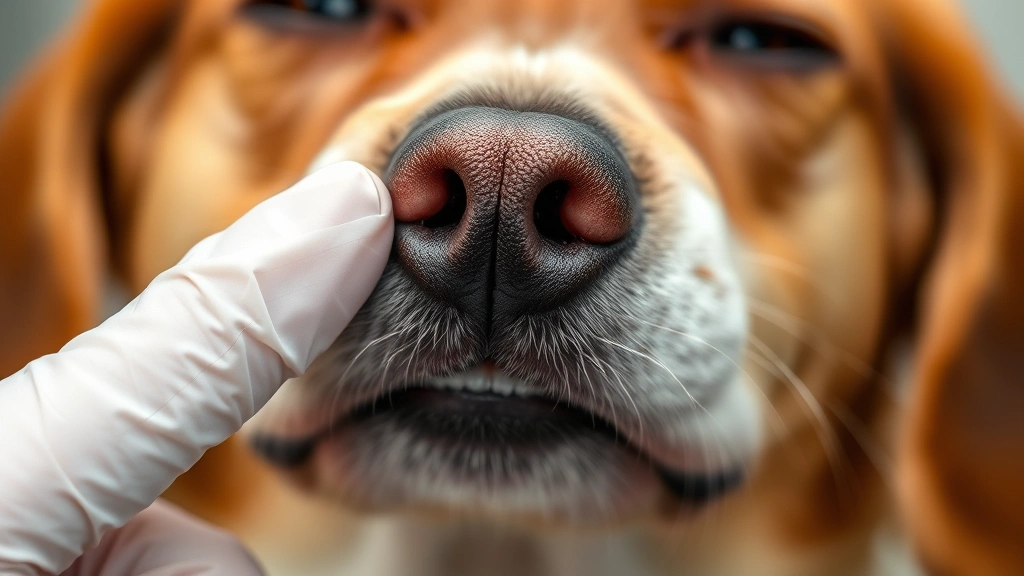
When you bring your dog to the emergency clinic, the vet will work quickly. They’ll assess your dog’s gum color, capillary refill time (how fast color returns when they press the gums), heart rate, and blood pressure.
Blood work may reveal:
- Low red blood cell count (indicating blood loss)
- Elevated kidney values (showing organ stress)
- Abnormal electrolyte levels
- Lactate levels (a marker of tissue damage)
Ultrasound or X-rays help identify internal bleeding or organ rupture. The vet needs to find the underlying cause to treat it effectively alongside managing the shock itself.
The Role of IV Fluids and Supportive Care
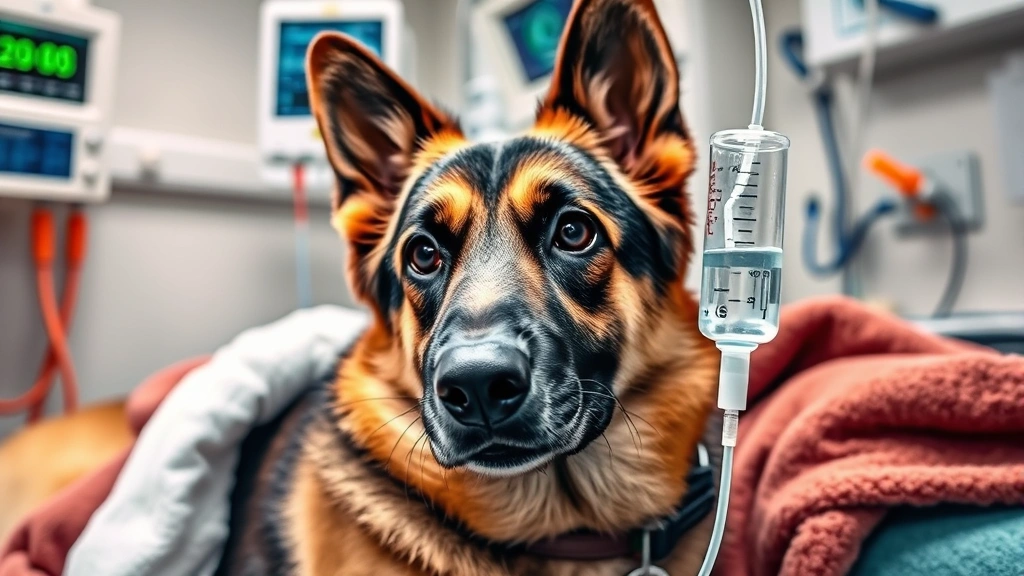
The cornerstone of hypovolemic shock treatment is rapid fluid replacement. Your vet will place an IV catheter and begin administering fluids—usually crystalloid solutions like saline or lactated Ringer’s solution—to restore circulating volume.
In severe cases, your dog may receive plasma or blood transfusions if blood loss is significant. The goal is to get oxygen back to those struggling organs before permanent damage occurs.
Beyond fluids, your dog may need oxygen therapy, warmth, and close monitoring of heart rate, blood pressure, and urine output. Some dogs require ICU-level care with continuous monitoring equipment.
Medications Used in Hypovolemic Shock Treatment
While fluid replacement is primary, specific medications support your dog’s recovery and address underlying causes. Your vet may use medications to:
- Support blood pressure: Certain medications help maintain adequate circulation when fluids alone aren’t enough.
- Fight infection: If sepsis or infection triggered the shock, antibiotics become critical. Learn more about how sepsis in dogs is managed.
- Manage pain: Shock is extremely painful, and appropriate pain relief supports recovery.
- Protect organs: Some medications reduce inflammation and protect the kidneys, liver, and heart from further damage.
- Address underlying conditions: If your dog has swollen lymph nodes in dogs or other immune system involvement, those issues need treatment too.
Your vet will customize medications based on your dog’s specific situation—there’s no one-size-fits-all approach.
What Happens During Recovery
If your dog survives the initial shock phase, recovery involves careful monitoring and gradual stabilization. This typically means several days to a week in the hospital, with frequent blood work and vital sign checks.
As your dog improves, the vet will:
- Gradually reduce IV fluid rates while monitoring urine output
- Begin introducing food once your dog is stable and alert
- Transition from IV medications to oral medications if needed
- Address the underlying cause (surgery for bleeding organs, treatment for infection, etc.)
Even after hospital discharge, your dog will need strict rest, limited activity, and close follow-up appointments. Some dogs recover fully; others may have lasting effects on organ function.
Long-Term Prognosis and Complications
The outlook for hypovolemic shock depends on how quickly treatment started, the underlying cause, and your dog’s overall health. Dogs treated within the first few hours have significantly better survival rates than those with delayed care.
Potential long-term complications include:
- Kidney damage requiring ongoing management (see dog kidney supplements for supportive care)
- Heart problems from prolonged low blood flow
- Liver dysfunction
- Cognitive changes if the brain was affected
- Chronic pain or mobility issues if trauma caused other injuries
Regular veterinary check-ups help catch and manage these complications early.
Preventing Hypovolemic Shock
While you can’t prevent every emergency, you can reduce risks:
- Keep your dog hydrated: Fresh water should always be available, especially in warm weather.
- Prevent heat stroke: Never leave your dog in a hot car, and limit outdoor time on extremely hot days.
- Manage GI issues promptly: Persistent vomiting or diarrhea needs veterinary attention before dehydration becomes severe.
- Use preventive care: Vaccinations, parasite prevention, and regular check-ups catch infections early.
- Minimize trauma risk: Keep your dog on a leash in unfamiliar areas, use car restraints, and provide a safe home environment.
- Know the signs of bloat: This condition is a medical emergency—call your vet immediately if your dog’s abdomen looks distended or they’re retching without vomiting.
Being proactive is your best defense.
Frequently Asked Questions
Can hypovolemic shock be reversed?
Yes, if treated quickly. Early intervention with fluids and addressing the underlying cause gives dogs the best chance of recovery, though some may experience lasting organ effects.
How long does hypovolemic shock treatment take?
Initial stabilization may take hours, but full recovery typically requires days to weeks of hospitalization and aftercare, depending on severity.
Is hypovolemic shock painful for my dog?
Yes, shock is extremely uncomfortable. Vets provide pain management as part of treatment to support recovery and reduce suffering.
What’s the survival rate for dogs with hypovolemic shock?
Survival rates vary widely based on cause and treatment timing, but early aggressive care significantly improves outcomes compared to delayed treatment.
Can I treat hypovolemic shock at home?
No. This is a medical emergency requiring hospital care, IV fluids, and professional monitoring. Home care alone will not save your dog’s life.
What To Do Now
If you suspect your dog is experiencing shock, follow these steps immediately:
- Call your emergency vet clinic right now. Don’t wait—describe your dog’s symptoms and let them know you’re on the way. They’ll prepare for your arrival.
- Keep your dog warm and calm during transport. Use blankets and minimize stress; avoid unnecessary handling.
- Note what happened: If you know the cause (trauma, known blood loss, prolonged vomiting), tell the vet. This information guides treatment decisions.
- Bring any relevant medical records if your dog has pre-existing conditions that might affect treatment choices.
- If you’re unsure whether your pet needs urgent care, a quick telehealth check-in can give you peace of mind—no appointment needed. The Pet Vet can help you assess whether emergency clinic care is necessary right now.
Summary: Hypovolemic Shock Requires Immediate Action
Hypovolemic shock in dogs is a life-threatening emergency where the body loses critical fluid volume, preventing proper oxygen delivery to vital organs. Recognizing pale gums, weakness, rapid breathing, and unresponsiveness as warning signs can save your dog’s life.
Treatment centers on rapid IV fluid replacement, identification and treatment of the underlying cause, and supportive medications tailored to your dog’s needs. Early intervention dramatically improves survival rates and recovery outcomes.
Your role as a pet owner is to recognize something is seriously wrong and act immediately—don’t second-guess yourself or wait. Your dog is counting on you to get them to emergency care fast. With prompt professional care, many dogs do recover and return to their normal lives.
This article is for general education and is not a substitute for care from your own veterinarian. Learn about The Pet Vet and our editorial policy.