
Noticing changes in your dog’s behavior or habits can be unsettling, especially when you’re worried about their health. Dog kidney disease symptoms often develop gradually, which means catching them early gives you the best chance to help your furry friend live comfortably for years to come.
Table of Contents
- Why Kidney Disease Is So Common in Dogs
- Warning Sign #1: Increased Thirst and Urination
- Warning Sign #2: Loss of Appetite and Weight Loss
- Warning Sign #3: Lethargy and Decreased Activity
- Warning Sign #4: Bad Breath or Mouth Odor
- Warning Sign #5: Vomiting and Gastrointestinal Issues
- Warning Sign #6: Pale Gums and Weakness
- Warning Sign #7: Behavioral Changes or Confusion
- What Causes Dog Kidney Disease?
- How Vets Diagnose Kidney Disease
- Managing Kidney Disease: Nutrition and Care
- What To Do Now If You’re Concerned
- Frequently Asked Questions
- The Bottom Line: Early Detection Saves Lives
This article is for informational purposes only and is not a substitute for professional veterinary advice. Always consult a licensed veterinarian for diagnosis and treatment.

Kidney disease in dogs is more common than many pet owners realize, particularly in senior dogs. The kidneys are vital organs that filter waste from the blood and regulate hydration, electrolytes, and red blood cell production. When they start to struggle, your dog’s whole body feels the impact. The good news? Understanding the early warning signs means you can take action before things worsen.

In this guide, we’ll walk through the seven most important symptoms to watch for, what they mean, and exactly what steps you should take if you notice them in your own dog.

Why Kidney Disease Is So Common in Dogs
Chronic kidney disease (CKD) affects roughly one in ten dogs at some point in their lives. Older dogs are at higher risk—the condition is particularly prevalent in senior pups over age seven. Certain breeds, like German Shepherds, Cocker Spaniels, and Bull Terriers, also show a genetic predisposition.

The challenge with kidney disease is that dogs often don’t show obvious symptoms until significant damage has already occurred. This is why regular vet checkups and knowing what to look for at home are so important.

Warning Sign #1: Increased Thirst and Urination
One of the earliest and most noticeable signs of kidney problems is a sudden increase in how much water your dog drinks. You might notice your pup asking to go outside more frequently, or having accidents in the house despite being housetrained for years.

This happens because damaged kidneys lose their ability to concentrate urine, so your dog’s body tries to compensate by drinking more water. It’s your dog’s way of trying to flush out the waste their kidneys can’t filter properly. If your dog is drinking significantly more than usual—especially if it’s paired with more frequent bathroom trips—this is worth mentioning to your vet right away.
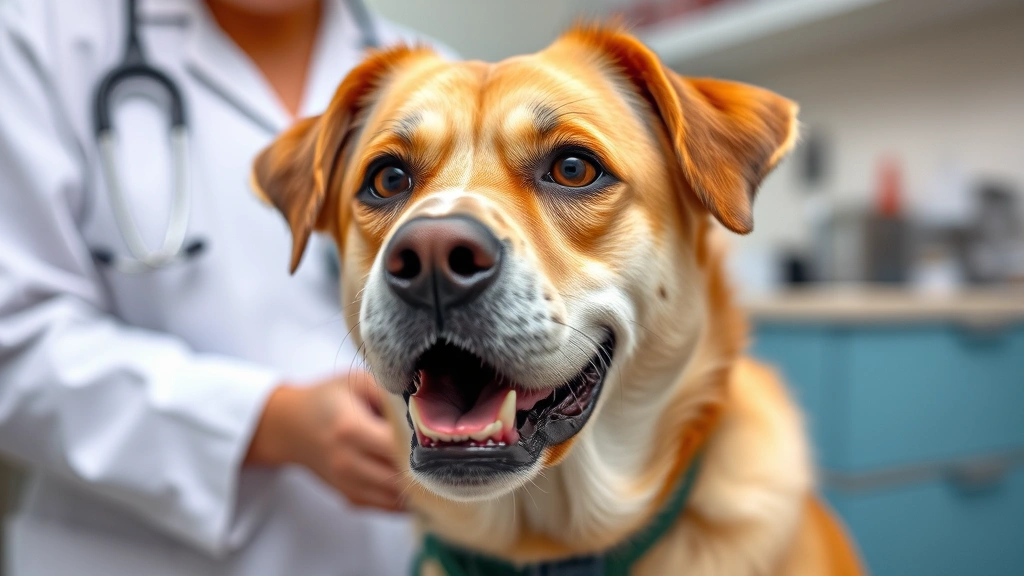
Catching this early puts you in a great position to slow the disease’s progression.
Warning Sign #2: Loss of Appetite and Weight Loss
Dogs with kidney disease often experience a buildup of toxins in their bloodstream, which can make them feel nauseous and uninterested in food. You might notice your normally enthusiastic eater turning their nose up at meals or only picking at their bowl.

Gradual weight loss typically follows as your dog eats less over time. This is particularly concerning because proper nutrition is essential for managing kidney disease. A dog that’s losing weight and eating poorly needs veterinary attention to rule out kidney issues and other serious conditions.

If your dog has skipped meals for more than a day or two, don’t wait to reach out to your vet.

Warning Sign #3: Lethargy and Decreased Activity
Does your normally playful pup seem unusually tired or withdrawn? Kidney disease causes anemia (low red blood cell count) and the accumulation of uremic toxins, both of which drain your dog’s energy.

Your dog may sleep more than usual, show less interest in walks or playtime, or seem generally “off.” This subtle shift in energy levels can be easy to miss, especially in older dogs where we sometimes assume slower activity is just part of aging. However, a sudden or noticeable change warrants a vet visit.

Warning Sign #4: Bad Breath or Mouth Odor
A distinctive ammonia-like smell on your dog’s breath can be a red flag for kidney disease. As the kidneys fail to filter waste effectively, uremic compounds build up in the bloodstream and are exhaled through the lungs, creating that unpleasant odor.

You might also notice your dog drooling more than usual or having difficulty eating. Some dogs develop mouth ulcers or sores due to the toxin buildup. If your dog’s breath has changed noticeably or smells chemical-like, schedule a vet appointment soon.

Warning Sign #5: Vomiting and Gastrointestinal Issues
Nausea and vomiting are common in dogs with kidney disease because of the toxic waste accumulating in their system. Your dog may vomit occasionally or seem to retch without producing anything. Some dogs also experience diarrhea or constipation.

These digestive issues can quickly lead to dehydration and further complications, so they shouldn’t be ignored. If your dog is vomiting more than once or twice a week, or if vomiting is paired with other symptoms on this list, contact your veterinarian.

Warning Sign #6: Pale Gums and Weakness
Healthy dog gums should be pink and firm. In dogs with kidney disease, anemia caused by reduced erythropoietin production leads to pale or whitish gums. You might also notice your dog’s energy plummets or they seem unusually weak, especially after exercise.

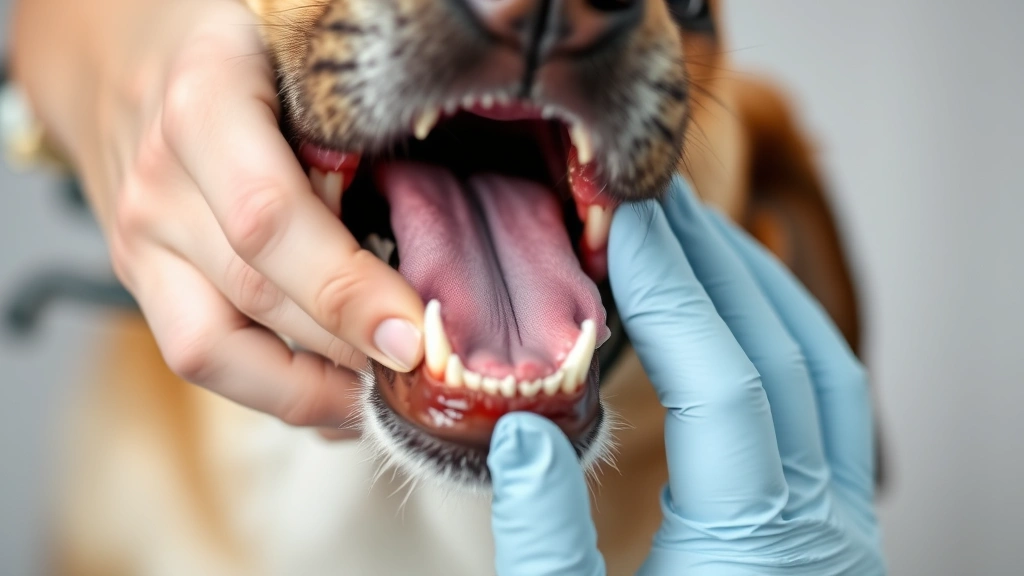
A quick way to check your dog’s gum color at home: gently lift their lip and look at the gums. Press your finger on the gum for a second, then release. The color should return to pink within a second or two. If the gums stay pale, this is worth discussing with your vet.
Your dog’s overall weakness combined with pale gums suggests their body isn’t getting enough oxygen, which is a sign of anemia.
Warning Sign #7: Behavioral Changes or Confusion
In advanced kidney disease, the buildup of toxins can affect your dog’s brain function. You might notice your dog seems confused, disoriented, or doesn’t respond to their name the way they used to. Some dogs become restless or anxious.
These neurological signs suggest significant kidney dysfunction and require immediate veterinary care. Don’t delay if you notice your dog acting confused or “not themselves” in a way that’s clearly different from their normal personality.
What Causes Dog Kidney Disease?
Kidney disease can develop for many reasons. Age is a major factor—as dogs get older, their kidneys naturally become less efficient. Genetic predisposition plays a role in certain breeds. Chronic infections, high blood pressure, certain medications, and even some human foods can damage the kidneys over time.
Additionally, conditions like liver failure in dogs and urinary tract infections can increase kidney stress. Diabetes and Cushing’s disease also raise the risk. Understanding these risk factors helps you stay vigilant about your dog’s health.
How Vets Diagnose Kidney Disease
Your veterinarian will typically start with a physical exam and ask detailed questions about your dog’s symptoms and medical history. Blood work and urinalysis are essential diagnostic tools—they measure kidney function markers like creatinine and BUN (blood urea nitrogen).
Ultrasound or X-rays may be recommended to look at the kidneys’ size and structure. The earlier kidney disease is caught, the more treatment options are available to slow its progression. This is why regular wellness exams, especially for senior dogs, are so important.
Managing Kidney Disease: Nutrition and Care
Once diagnosed, kidney disease is managed rather than cured. Diet plays a huge role—many vets recommend a renal-specific diet lower in protein and phosphorus. A homemade renal diet may be an option for some dogs, though it must be carefully formulated under veterinary guidance.
Maintaining proper hydration, monitoring blood pressure, and managing pain are all part of a comprehensive kidney disease care plan. Your vet may recommend supplements, medications to manage blood pressure, or other supportive therapies. Regular follow-up appointments help track your dog’s kidney function over time.
For cats, similar dietary approaches apply—check out our guide on feline kidney support diet for more specialized information.
What To Do Now If You’re Concerned
- Monitor and document symptoms: Keep a simple log of any changes you’ve noticed—increased drinking, appetite loss, lethargy, or bathroom habit changes. Write down when you first noticed each symptom.
- Schedule a vet appointment: If your dog is showing two or more of the symptoms listed above, contact your veterinarian. Bring your symptom log along.
- Ask about bloodwork: Request a complete blood panel and urinalysis, especially if your dog is over seven years old or showing multiple signs of kidney stress.
- Consider a telehealth check-in: If you are unsure whether your pet needs urgent care, a quick telehealth check-in can give you peace of mind—no appointment needed. The Pet Vet offers convenient online consultations to discuss your concerns with a licensed veterinarian.
- Start planning ahead: Once you have answers, work with your vet to develop a management plan that fits your dog’s needs and your lifestyle.
Frequently Asked Questions
Can kidney disease in dogs be cured?
Chronic kidney disease cannot be cured, but it can be managed effectively with the right diet, medications, and monitoring. Early detection and treatment slow the disease’s progression significantly.
How long can a dog live with kidney disease?
Life expectancy depends on the stage of disease and how well it’s managed. Some dogs live several years or more after diagnosis, especially if caught early. Your vet can give you a better estimate based on your individual dog’s situation.
Is kidney disease painful for dogs?
Kidney disease itself isn’t typically painful, but the symptoms (nausea, mouth ulcers, weakness) can cause discomfort. Pain management and supportive care help keep your dog comfortable.
Should I change my dog’s diet if they have kidney disease?
Yes, dietary changes are a cornerstone of kidney disease management. Your vet will recommend a renal-specific diet tailored to your dog’s needs and kidney function stage.
Can young dogs get kidney disease?
While less common, young dogs can develop kidney disease due to genetic factors, infections, or toxin exposure. Any dog showing kidney disease symptoms should be evaluated by a vet, regardless of age.
The Bottom Line: Early Detection Saves Lives
Dog kidney disease symptoms can sneak up on you, but now you know what to watch for. Increased thirst and urination, loss of appetite, lethargy, bad breath, vomiting, pale gums, and behavioral changes are all red flags worth taking seriously.
Your dog depends on you to notice when something isn’t right. The moment you spot one or more of these warning signs, reach out to your vet. Early intervention makes a real difference in your dog’s quality of life and how long you get to spend together. You’ve got this, and your vet is here to help.
This article is for general education and is not a substitute for care from your own veterinarian. Learn about The Pet Vet and our editorial policy.