
Discovering that your beloved dog has kidney disease can feel overwhelming, but the good news is that dog kidney disease home treatment combined with veterinary guidance can significantly improve your pet’s quality of life and slow disease progression. Many pet owners don’t realize how much they can do at home to support their dog’s kidney health, and taking action today could mean extra months or even years with your furry companion.
Table of Contents
- Understanding Canine Kidney Disease: The Basics
- Why Home Treatment Matters for Kidney Health
- Remedy 1: Optimize Hydration and Water Intake
- Remedy 2: Feed a Kidney-Friendly Diet
- Remedy 3: Monitor and Manage Phosphorus Levels
- Remedy 4: Create a Stress-Free Home Environment
- Remedy 5: Support with Targeted Supplements
- Remedy 6: Maintain Consistent Monitoring and Record-Keeping
- Remedy 7: Manage Blood Pressure and Related Conditions
- Signs Your Dog Needs Immediate Veterinary Attention
- Working With Your Veterinarian on Home Treatment Plans
- Frequently Asked Questions
- What To Do Now
- Final Thoughts: You’ve Got This
This article is for informational purposes only and is not a substitute for professional veterinary advice. Always consult a licensed veterinarian for diagnosis and treatment.
Understanding Canine Kidney Disease: The Basics
Kidney disease in dogs happens when the kidneys gradually lose their ability to filter waste from the bloodstream. Your dog’s kidneys are working overtime, and they’re struggling to keep up. This is especially common in senior dogs, but it can affect dogs of any age.
The condition progresses through stages, and catching it early gives you the best chance to slow things down. Many dogs live comfortably for years after diagnosis when their owners implement proper home care strategies. Catching this early puts you in a great position to help your dog feel better and live longer.
Why Home Treatment Matters for Kidney Health
While your veterinarian provides essential medical oversight, what happens at home is equally important. Your dog spends most of their time with you, and the daily choices you make about diet, hydration, and monitoring directly impact kidney function.
Home-based dog kidney disease home treatment focuses on reducing the workload on damaged kidneys while maintaining your dog’s comfort and nutrition. Think of it as creating an environment where your dog’s kidneys can do their job more efficiently.
Remedy 1: Optimize Hydration and Water Intake
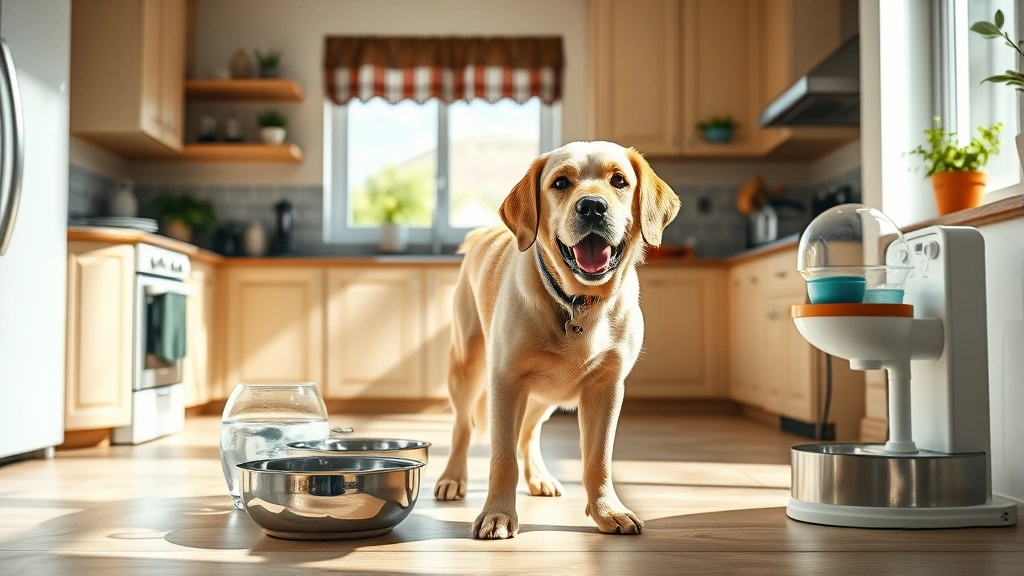
Proper hydration is one of the most powerful home treatments for kidney disease. Your dog needs consistent access to fresh, clean water throughout the day—more than you might typically provide.
Consider these hydration strategies:
- Place multiple water bowls in different rooms so your dog always has easy access
- Use a cat water fountain if your dog enjoys running water (many dogs drink more from fountains)
- Offer water-rich foods like low-sodium broth or wet food to increase fluid intake
- Monitor daily water consumption and report changes to your vet
- Ensure water bowls are cleaned daily to encourage drinking
Some veterinarians recommend subcutaneous fluid therapy at home for advanced cases, which your vet can teach you to administer. Proper hydration supports overall pet wellness and becomes even more critical when kidney function declines.
Remedy 2: Feed a Kidney-Friendly Diet
Diet is fundamental to managing dog kidney disease home treatment. A kidney-friendly diet is specifically formulated to be lower in protein, phosphorus, and sodium—nutrients that stressed kidneys struggle to regulate.
Your veterinarian may recommend a prescription renal diet, which is the gold standard for kidney disease management. These diets are carefully balanced to support kidney function while maintaining adequate nutrition.
Key dietary adjustments include:
- Switching to a vet-approved renal diet formula
- Reducing sodium intake to help manage blood pressure
- Controlling phosphorus levels to protect remaining kidney function
- Ensuring high-quality, digestible proteins in appropriate amounts
- Adding omega-3 fatty acids for anti-inflammatory benefits
Transitioning to a new diet should happen gradually over 7-10 days to avoid digestive upset. If your dog is picky, work with your vet to find a palatable option they’ll actually eat.
Remedy 3: Monitor and Manage Phosphorus Levels
Phosphorus control is critical in kidney disease because damaged kidneys can’t excrete phosphorus effectively, and elevated phosphorus accelerates kidney deterioration. This is where home monitoring becomes your secret weapon.
Your veterinarian may recommend phosphate binders—supplements that help reduce phosphorus absorption from food. These are given with meals and can significantly slow disease progression.

To manage phosphorus at home:
- Feed only vet-approved kidney diet foods with controlled phosphorus
- Avoid high-phosphorus treats like bones, organ meats, and certain commercial treats
- Give phosphate binders exactly as prescribed with meals
- Have regular blood work done to monitor phosphorus levels
- Keep detailed records of your dog’s diet and supplement intake
Remedy 4: Create a Stress-Free Home Environment
Stress impacts kidney function and overall health. Dogs with kidney disease benefit enormously from a calm, predictable home environment where they feel safe and secure.
Simple environmental adjustments make a real difference:
- Maintain a consistent daily routine for feeding, walks, and rest
- Create a comfortable resting area away from household chaos
- Minimize loud noises and sudden changes when possible
- Keep your dog’s exercise moderate and age-appropriate
- Spend quality time together to reduce anxiety
A relaxed dog has better appetite, sleeps more restfully, and experiences less strain on their kidneys. Your calm presence is therapeutic medicine.
Remedy 5: Support with Targeted Supplements
Certain supplements may help support kidney health when used appropriately. Always discuss supplements with your veterinarian before starting, as some can be harmful in kidney disease.
Supplements that may be beneficial include:
- Omega-3 fatty acids (fish oil) for their anti-inflammatory properties
- Probiotics to support digestive health and reduce uremia
- Vitamin E as an antioxidant
- Specialized renal support supplements formulated for kidney disease
Avoid supplements high in potassium or phosphorus, as these can worsen kidney disease. Your vet will guide you toward options that truly benefit your individual dog’s situation.
Remedy 6: Maintain Consistent Monitoring and Record-Keeping
One of the most underrated aspects of dog kidney disease home treatment is detailed monitoring. You know your dog better than anyone, and tracking changes helps your veterinarian make informed decisions.
Keep a simple log tracking:
- Daily water intake and urination frequency
- Appetite and food consumption
- Energy levels and activity
- Vomiting or digestive changes
- Weight fluctuations
- Any behavioral changes
Share this information with your vet at appointments. Regular blood work and urinalysis help catch complications early. Understanding comprehensive kidney disease treatment options helps you partner effectively with your veterinary team.
Remedy 7: Manage Blood Pressure and Related Conditions
High blood pressure often accompanies kidney disease and accelerates kidney damage. Managing blood pressure at home is an essential part of slowing disease progression.
Blood pressure management strategies include:
- Reducing sodium in your dog’s diet significantly
- Maintaining a healthy weight through appropriate exercise
- Managing stress through a calm environment
- Ensuring consistent medication compliance if prescribed
- Regular monitoring through veterinary check-ups
If your dog has diabetes or other conditions alongside kidney disease, managing those conditions also protects kidney function. Your vet may recommend specific medications to support blood pressure control.
Signs Your Dog Needs Immediate Veterinary Attention
While home treatment is valuable, certain symptoms indicate your dog needs urgent professional care. Don’t wait if you notice:
- Severe lethargy or inability to stand
- Persistent vomiting or inability to eat
- Difficulty breathing or extreme restlessness
- Seizures or loss of consciousness
- Sudden changes in urination patterns
- Signs of severe pain or distress
If you are unsure whether your pet needs urgent care, a quick telehealth check-in can give you peace of mind — no appointment needed. The Pet Vet’s telehealth service connects you with veterinarians who can assess whether your dog needs emergency care or if home management adjustments might help.
Working With Your Veterinarian on Home Treatment Plans
The most successful dog kidney disease home treatment combines your daily care efforts with professional veterinary guidance. Your vet provides diagnosis, monitoring, and medical interventions while you execute the daily care plan.
Regular communication ensures your home treatment strategy stays aligned with your dog’s changing needs. As kidney disease progresses, treatment plans may need adjustment. Staying in touch with your vet means your dog always gets appropriate support.
Schedule check-ups every 3-6 months initially, then adjust frequency based on disease stage and your dog’s response to treatment. Blood work typically happens annually or more frequently as disease advances.
Frequently Asked Questions
Can kidney disease in dogs be cured with home treatment?
Unfortunately, kidney disease cannot be cured, but home treatment can significantly slow progression and improve quality of life. Most dogs live comfortably for years with proper management.
How long can a dog live with kidney disease?
Dogs can live months to several years after diagnosis depending on disease stage and how well it’s managed. Early detection and consistent home care extend lifespan significantly.
Is prescription kidney diet food necessary?
Prescription renal diets are specifically formulated for kidney disease and are considered the gold standard. While not absolutely required, they’re highly recommended and provide the best nutritional support.
Can I treat my dog’s kidney disease at home without vet involvement?
No—veterinary oversight is essential for diagnosis, monitoring, and adjusting treatment as needed. Home treatment works best as a complement to professional care, not a replacement.
What supplements are safe for dogs with kidney disease?
Always ask your veterinarian before giving supplements, as some can be harmful in kidney disease. Omega-3s and specialized renal support supplements are often recommended, but individual needs vary.
What To Do Now
- Schedule a veterinary appointment if your dog hasn’t been evaluated recently. Bring any symptoms you’ve noticed and ask about kidney disease screening, especially for senior dogs.
- Request blood work and urinalysis to establish baseline kidney function. These tests are essential for determining your dog’s kidney disease stage and creating an appropriate home treatment plan.
- Discuss diet options with your vet and ask about prescription kidney diets or dietary modifications that would benefit your specific dog’s situation.
- Start a monitoring log today, tracking water intake, appetite, urination, and energy levels. This information becomes invaluable for your vet during appointments.
- Set up a telehealth consultation with The Pet Vet if you need quick answers about symptoms or want guidance on implementing home treatment strategies between regular appointments.
Final Thoughts: You’ve Got This
Learning that your dog has kidney disease is scary, but you’re already taking the right step by researching dog kidney disease home treatment options. The fact that you’re here, reading and learning, shows how much you care about your companion’s wellbeing.
Remember that kidney disease management is a partnership between you and your veterinary team. The daily care you provide at home—the fresh water, the kidney-friendly meals, the calm environment, and the close monitoring—these actions directly improve your dog’s health and comfort.
Many dogs with well-managed kidney disease enjoy good quality of life for extended periods. Your dedication to home treatment, combined with regular veterinary care, gives your dog the best possible chance at a longer, happier life together.
Start with one or two changes this week, then gradually implement the others. Small, consistent steps lead to significant improvements. Your dog is lucky to have someone who cares enough to do this work.
This article is for general education and is not a substitute for care from your own veterinarian. Learn about The Pet Vet and our editorial policy.