
Discovering that your dog might be at risk for kidney disease can feel overwhelming, but the good news is that dog kidney disease prevention tips can make a real difference in your pet’s long-term health and quality of life. Kidney disease is one of the most common health challenges in dogs, especially as they age, but many cases can be delayed or even prevented with the right approach.
Table of Contents
- Understanding Canine Kidney Disease: Why Prevention Matters
- Strategy 1: Maintain Optimal Hydration and Water Intake
- Strategy 2: Feed a High-Quality, Kidney-Friendly Diet
- Strategy 3: Prioritize Dental Health and Prevent Infections
- Strategy 4: Maintain a Healthy Weight
- Strategy 5: Regular Veterinary Monitoring and Early Detection
- Strategy 6: Manage Blood Pressure and Underlying Health Conditions
- Strategy 7: Limit Exposure to Nephrotoxic Substances
- Special Considerations for Young Dogs and Genetic Risk
- When to Seek Professional Help
- Frequently Asked Questions
- What To Do Now
- Summary: Taking Control of Your Dog’s Kidney Health
This article is for informational purposes only and is not a substitute for professional veterinary advice. Always consult a licensed veterinarian for diagnosis and treatment.
If you’re reading this because you’ve heard about kidney disease or noticed changes in your dog’s behavior, you’re already taking a step in the right direction. Prevention starts with understanding what puts your dog at risk and what you can do about it today.
Understanding Canine Kidney Disease: Why Prevention Matters
Your dog’s kidneys work hard every single day, filtering waste from the blood and regulating hydration, electrolytes, and blood pressure. When kidney function declines, these vital processes break down—and unfortunately, once kidney damage occurs, it’s often irreversible.
The encouraging part? Many of the factors that lead to kidney disease are manageable. Whether it’s diet, hydration, dental health, or regular monitoring, prevention strategies can significantly extend your dog’s healthy years.
Understanding the dog kidney disease causes is the first step toward protecting your pet. Common culprits include chronic infections, high blood pressure, obesity, and certain genetic predispositions.
Strategy 1: Maintain Optimal Hydration and Water Intake
Proper hydration is one of the most powerful prevention tools you have. Adequate water intake helps flush your dog’s kidneys and reduces the concentration of waste products in the urine.
Here’s what you can do:
- Provide fresh, clean water available 24/7 in multiple locations around your home
- Monitor your dog’s water intake—most dogs need about 1 ounce per pound of body weight daily
- Consider a pet water fountain; many dogs drink more from moving water
- During hot weather or after exercise, encourage extra water breaks
- Track changes in drinking habits and report unusual increases or decreases to your vet
If your dog seems reluctant to drink, you might try adding low-sodium broth to their water or offering ice cubes as a treat. Small adjustments can lead to meaningful improvements in kidney function over time.
Strategy 2: Feed a High-Quality, Kidney-Friendly Diet
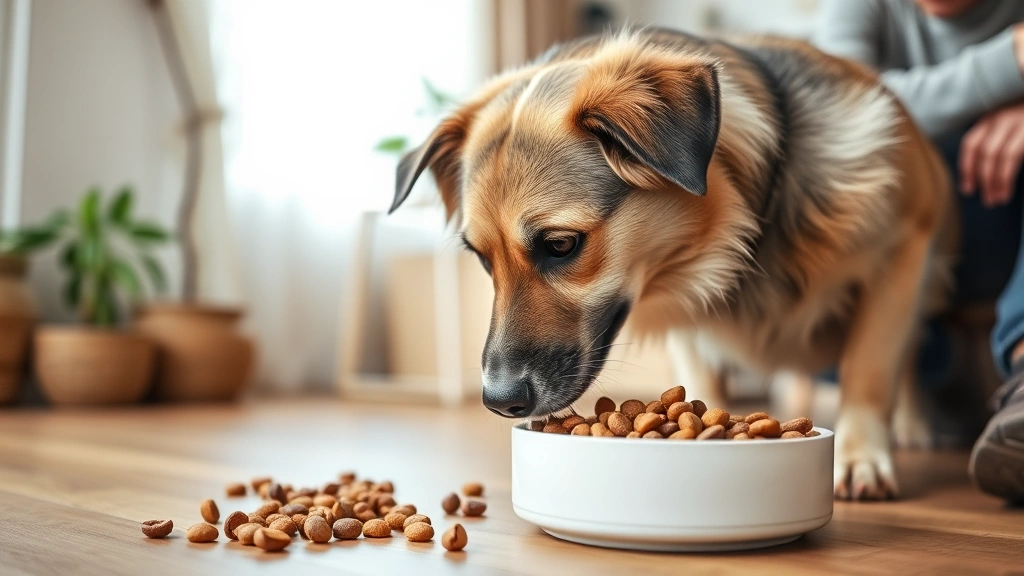
Diet plays a crucial role in kidney health. The right nutrition can slow the progression of kidney disease and support overall wellness. Look for foods formulated with balanced protein levels and controlled phosphorus and sodium content.
Consider these dietary guidelines:
- Choose high-quality commercial dog foods that meet AAFCO standards
- Ask your veterinarian about prescription kidney-support diets if your dog is at risk
- Avoid excessive table scraps and high-sodium human foods
- Monitor your dog’s weight—obesity puts extra stress on the kidneys
- Ensure adequate omega-3 fatty acids, which support kidney function
Your vet can recommend specific formulas tailored to your dog’s age, size, and health status. Nutritional management is one of the most evidence-based prevention strategies available.
Strategy 3: Prioritize Dental Health and Prevent Infections
This one might surprise you, but dental disease is closely linked to kidney health. Bacteria from infected teeth and gums can enter the bloodstream and damage kidney tissue over time.
To protect your dog’s dental health:
- Brush your dog’s teeth daily or at least 3-4 times per week
- Schedule professional dental cleanings as recommended by your veterinarian
- Watch for signs of dental disease: bad breath, difficulty eating, or visible tartar
- Use dental treats or water additives approved by the Veterinary Oral Health Council
- Address any infections promptly to prevent systemic complications
Prevention of dental disease directly translates to better kidney health. Catching dental problems early prevents the cascade of infections that can harm your dog’s kidneys.
Strategy 4: Maintain a Healthy Weight
Obesity is a silent threat to your dog’s kidneys. Extra weight increases blood pressure and puts strain on the entire urinary system, accelerating kidney damage.
Here’s how to keep your dog at an ideal weight:
- Work with your vet to determine your dog’s ideal body condition score
- Measure food portions carefully—use a measuring cup, not free-feeding
- Choose low-calorie treats like carrots, green beans, or apple slices
- Aim for at least 30 minutes of moderate exercise daily
- Avoid using food as a reward; try praise or playtime instead
Weight management is one of the most controllable prevention factors. Even modest weight loss in overweight dogs can improve kidney function and overall health.
Strategy 5: Regular Veterinary Monitoring and Early Detection
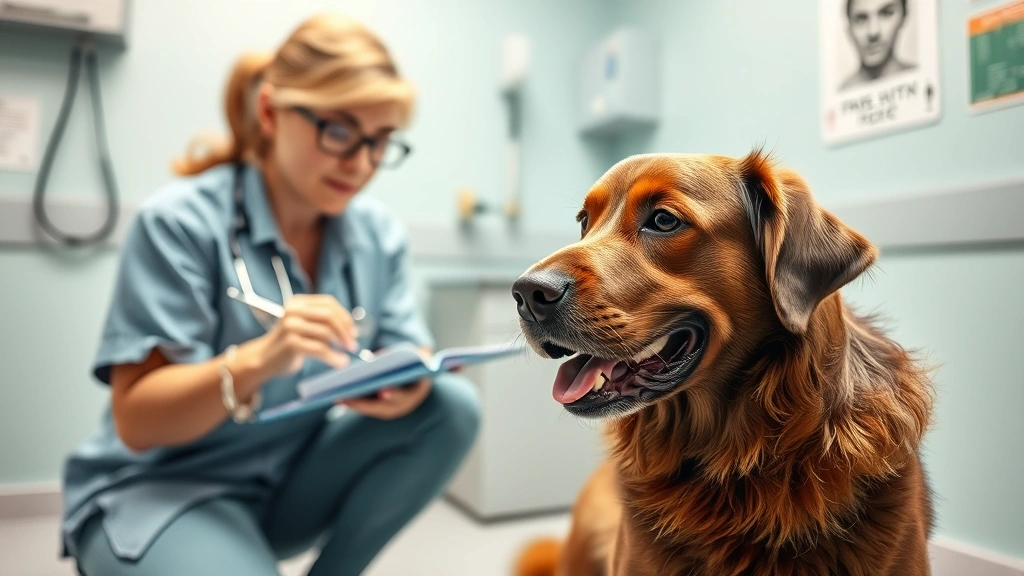
Regular check-ups allow your vet to catch early signs of kidney disease before symptoms appear. This is where prevention truly saves lives, because early intervention can slow or halt progression.
Schedule veterinary visits strategically:
- Annual wellness exams for dogs under 7 years old
- Twice-yearly visits for senior dogs (age 7 and older)
- Blood and urine tests to monitor kidney function—especially important if your dog is at risk
- Blood pressure checks, which can indicate kidney stress
- Discuss your dog’s individual risk factors with your vet
Understanding the dog kidney disease stages explained helps you recognize what early intervention looks like. Catching kidney disease in stage 1 or 2 puts you in a powerful position to manage the condition effectively.
Strategy 6: Manage Blood Pressure and Underlying Health Conditions
High blood pressure damages kidney tissue over time. If your dog has hypertension or other chronic conditions like diabetes, managing these proactively protects the kidneys.
Take these steps to manage underlying conditions:
- Have your dog’s blood pressure checked regularly, especially if over age 7
- Follow your vet’s treatment plan for diabetes, Cushing’s disease, or other endocrine disorders
- Keep medications on schedule—consistency matters for long-term kidney protection
- Monitor for symptoms of infection and address them promptly
- Maintain open communication with your vet about any new symptoms
Managing systemic health conditions is preventive medicine at its best. Each condition you control reduces the overall burden on your dog’s kidneys.
Strategy 7: Limit Exposure to Nephrotoxic Substances
Certain substances are toxic to the kidneys. Protecting your dog from these hazards is a critical prevention step that many owners overlook.
Keep your dog away from:
- Antifreeze (extremely toxic even in small amounts)
- Certain medications and supplements without vet approval
- Grapes and raisins, which can cause acute kidney injury
- Excessive salt or processed foods
- Lilies and other toxic plants
- Contaminated water sources
Prevention here is straightforward: awareness and vigilance. Store hazardous materials safely, monitor what your dog has access to, and always consult your vet before giving new supplements or medications.
Special Considerations for Young Dogs and Genetic Risk
Some dog breeds are genetically predisposed to kidney disease. If your dog falls into a high-risk category, prevention becomes even more important from an early age.
Certain breeds like Cocker Spaniels, Bull Terriers, and Shih Tzus may benefit from earlier and more frequent screening. Learn more about dog kidney disease in young pets to understand if your dog needs specialized prevention strategies.
Starting prevention early—even in young, healthy dogs—can delay or prevent kidney disease from developing. It’s an investment in your dog’s future quality of life.
When to Seek Professional Help
Certain signs warrant immediate veterinary attention. These include persistent vomiting, extreme lethargy, loss of appetite, or sudden changes in urination patterns.
If you notice any concerning symptoms or simply want peace of mind about your dog’s kidney health, professional guidance is invaluable. If you are unsure whether your pet needs urgent care, a quick telehealth check-in can give you peace of mind—no appointment needed. The Pet Vet’s telehealth service makes it easy to get expert advice without the hassle of scheduling or travel.
Don’t wait for symptoms to appear. Proactive monitoring is the cornerstone of prevention.
Frequently Asked Questions
At what age should I start focusing on kidney disease prevention?
Start prevention strategies immediately—good nutrition, hydration, and dental care benefit dogs at any age. However, screening becomes especially important after age 7, when senior dogs are at higher risk.
Can kidney disease be completely prevented?
While you can’t guarantee prevention in all cases (especially with genetic predisposition), following these strategies can significantly delay onset or prevent disease entirely in many dogs.
How often should my dog’s kidney function be tested?
For healthy adult dogs, annual testing is standard. Senior dogs or those at risk may benefit from twice-yearly blood work and urinalysis to catch early changes.
What’s the connection between diet and kidney health?
A balanced diet with controlled protein, phosphorus, and sodium supports kidney function. Your vet can recommend specific diets based on your dog’s individual needs and risk factors.
Are there warning signs I can watch for at home?
Watch for increased thirst and urination, weight loss, vomiting, poor appetite, or lethargy. These may indicate kidney stress and warrant a veterinary evaluation.
What To Do Now
- Schedule a wellness exam: Contact your veterinarian to discuss your dog’s kidney health risk factors and establish a baseline with blood work and urinalysis if appropriate.
- Evaluate your dog’s current diet: Review the ingredients and ask your vet whether your dog’s food supports kidney health or if a prescription diet might be beneficial.
- Start a dental care routine: Begin brushing your dog’s teeth regularly and schedule a professional cleaning if your vet recommends one.
- Assess hydration and weight: Ensure fresh water is always available and calculate your dog’s ideal weight with your vet’s guidance—adjust portions if needed.
- Set up a prevention calendar: Mark your calendar for regular vet visits and lab work so you stay on track with monitoring and early detection.
Summary: Taking Control of Your Dog’s Kidney Health
Dog kidney disease prevention tips aren’t complicated, but they do require consistency and commitment. The seven strategies outlined here—hydration, nutrition, dental care, weight management, regular monitoring, managing underlying conditions, and avoiding toxins—work together to give your dog the best chance at a long, healthy life.
The most important takeaway? Start today. Whether your dog is young and healthy or already showing signs of age, prevention and early detection matter. Your veterinarian is your partner in this journey, and resources like The Pet Vet telehealth make it easier than ever to get professional guidance whenever you need it.
Your dog depends on you to make informed health decisions. By following these prevention strategies, you’re giving your beloved companion the gift of better health and more quality time together.
This article is for general education and is not a substitute for care from your own veterinarian. Learn about The Pet Vet and our editorial policy.