
When your dog is diagnosed with liver disease, choosing the right dog liver disease best diet becomes one of the most powerful tools you have to support their recovery and quality of life. It’s natural to feel overwhelmed—you want to do everything right, and nutrition is where you can make an immediate, meaningful difference.
Table of Contents
- Understanding Liver Disease in Dogs: Why Diet Matters
- The Foundation: What Makes a Liver-Friendly Diet
- Food #1: Lean Chicken Breast—The Protein Foundation
- Food #2: White Fish—Omega-3 Rich and Gentle
- Food #3: Sweet Potatoes—Nutrient-Dense Carbs
- Food #4: Carrots—Liver-Protective Vegetables
- Food #5: Brown Rice—Digestible Energy Source
- Food #6: Eggs—Complete Protein with Choline
- Food #7: Green Beans—Nutrient Density Without Burden
- Foods to Avoid When Managing Liver Disease
- Creating a Sustainable Feeding Schedule
- Implementing a Food Trial Safely
- Supplements That Support Liver Healing
- Monitoring Progress and Adjusting the Diet
- When to Seek Telehealth Support
- Frequently Asked Questions
- What To Do Now
- Summary: Your Dog’s Liver Disease Best Diet Is a Healing Tool
This article is for informational purposes only and is not a substitute for professional veterinary advice. Always consult a licensed veterinarian for diagnosis and treatment.
Understanding Liver Disease in Dogs: Why Diet Matters
Your dog’s liver is their body’s detoxification powerhouse. When it’s compromised, every system feels the impact. A damaged liver struggles to process nutrients, filter toxins, and regulate blood sugar—which is exactly why diet becomes treatment, not just maintenance.
The right nutrition reduces the workload on the liver while providing essential nutrients to support healing. Think of it as giving your dog’s liver a break while simultaneously fueling recovery from within.
Research shows that dietary management can slow disease progression and improve clinical signs significantly. This isn’t just about feeding; it’s about strategic healing through food.
The Foundation: What Makes a Liver-Friendly Diet
Before we dive into specific foods, let’s talk principles. A liver-supportive diet typically emphasizes high-quality, easily digestible proteins while keeping fat moderate. Copper content matters too—the liver stores copper, and excess amounts can worsen damage.
You’ll want foods rich in antioxidants and vitamins that support liver regeneration. Carbohydrates should come from whole sources, not fillers. And consistency? That’s non-negotiable when managing liver disease.
Every ingredient choice sends a signal to your dog’s body: we’re supporting healing, not adding stress. That mindset guides everything we recommend here.
Food #1: Lean Chicken Breast—The Protein Foundation
Lean chicken breast is the gold standard for liver disease diets because it’s highly digestible and provides complete amino acids without excessive fat or copper. Most dogs find it palatable too, which matters when appetite is already compromised.
Prepare it simply: boil or bake without seasoning, skin removed. A dog with liver disease needs protein, but the liver can’t process heavy, complex meals efficiently. Chicken breast respects that limitation while delivering nutrition.
Catching dietary issues early puts you in a great position to help your dog recover. Start with small portions—about 2-3 ounces per meal for a medium dog—and watch for tolerance.
Food #2: White Fish—Omega-3 Rich and Gentle
Cod, tilapia, and other white fish offer lean protein plus omega-3 fatty acids that reduce inflammation throughout the body, including the liver. Unlike fatty fish, white varieties won’t overwhelm a compromised digestive system.
Steam or bake white fish plain, removing all bones carefully. The delicate texture makes it ideal for dogs with reduced appetite or nausea—common companions to liver disease.
Incorporate fish 2-3 times weekly, rotating it with chicken to provide variety while maintaining digestive stability. Your vet can advise on portion sizes specific to your dog’s weight and condition.
Food #3: Sweet Potatoes—Nutrient-Dense Carbs
Sweet potatoes are complex carbohydrates that provide sustained energy without spiking blood sugar. They’re also packed with beta-carotene, an antioxidant that supports liver cell regeneration.
Cook them thoroughly—boil or bake until soft—and serve plain without any butter or seasoning. The soft texture aids digestion, which is crucial when the liver can’t handle processing challenges.
Mix small amounts (1-2 tablespoons for a medium dog) into their protein-based meals. Sweet potatoes also help with digestive regularity, supporting overall wellness during recovery.
Food #4: Carrots—Liver-Protective Vegetables
Raw or cooked carrots provide beta-carotene and fiber while being extremely low in fat and copper. They’re also naturally sweet, which can appeal to dogs with diminished appetite.
For easier digestion, cook carrots until tender and chop into small pieces. Some dogs enjoy them raw and cold, which can soothe inflammation in the digestive tract.
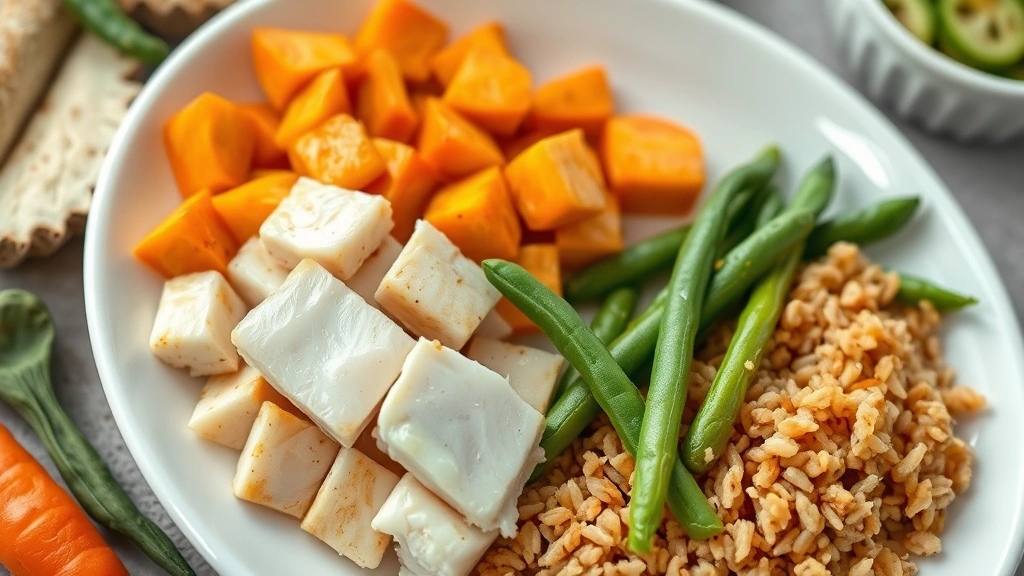
Carrots work beautifully as a meal filler—they add volume and nutrition without adding stress to the liver. Aim for 1-2 tablespoons per meal, depending on your dog’s size.
Food #5: Brown Rice—Digestible Energy Source
Brown rice offers B vitamins and digestible carbohydrates that support liver function without being hard to process. It’s bland enough to suit sensitive systems yet nutritious enough to matter.
Cook rice thoroughly until very soft, using a 1:3 ratio of rice to water. Some vets recommend rinsing cooked rice to reduce starch content, making it even gentler on the liver.
Combine rice with your protein source—about 1 part rice to 2 parts protein by volume. This creates balanced, liver-friendly meals that most dogs tolerate beautifully.
Food #6: Eggs—Complete Protein with Choline
Eggs are one of nature’s most complete proteins and contain choline, a nutrient that specifically supports liver health and regeneration. They’re also highly digestible and nutrient-dense.
Serve eggs cooked (boiled or scrambled, no oil or butter) 2-3 times weekly. The yolk contains the liver-supportive compounds, so don’t skip it—just keep portions moderate.
One egg per meal (for a medium dog) provides significant nutritional support without overwhelming the digestive system. Many dogs with liver disease show improved appetite and energy when eggs are introduced.
Food #7: Green Beans—Nutrient Density Without Burden
Green beans are low in calories, high in vitamins, and extremely gentle on compromised livers. They provide fiber for digestive health and are naturally low in copper—crucial for liver disease management.
Steam or boil green beans until soft, then chop into bite-sized pieces. They work wonderfully as a meal base or mixed throughout other foods.
Green beans can comprise up to 25-30% of your dog’s meal volume without causing digestive upset. They’re filling, nutritious, and support the healing process at every level.
Foods to Avoid When Managing Liver Disease
Certain foods actively harm dogs with liver disease and must be eliminated completely:
- High-fat meats (beef, pork, lamb) overwhelm the liver’s processing capacity
- Organ meats (especially liver) concentrate copper and other minerals the liver struggles to handle
- Processed foods contain additives that burden detoxification
- Garlic and onions damage red blood cells and complicate liver function
- High-sodium foods worsen fluid retention and liver stress
- Fatty fish (salmon, mackerel) provide too much fat for efficient processing
Reading labels becomes essential. Many commercial dog foods contain hidden copper or excessive fat that can accelerate liver damage. Your veterinarian can recommend prescription diets specifically formulated for liver disease if home cooking feels overwhelming.
Creating a Sustainable Feeding Schedule
Dogs with liver disease often benefit from smaller, more frequent meals rather than one or two large ones. Smaller portions reduce the digestive burden and help maintain stable blood sugar.
Aim for 3-4 meals daily, each containing balanced portions of protein, carbohydrate, and vegetable. This approach also helps monitor appetite and catch any changes early—important signals about your dog’s condition.
For meal prep efficiency, check out our guide on meal prep for pets to learn batch cooking strategies that save time while maintaining nutritional consistency.
Implementing a Food Trial Safely
When introducing new foods to a dog with liver disease, go slowly. Sudden dietary changes can trigger digestive upset or mask symptoms you need to monitor.
Introduce one new food every 3-5 days in small amounts. Watch for changes in appetite, energy, stool quality, or any signs of nausea. Your dog’s response guides what stays and what goes.
Our food trial feeding schedule provides a structured approach to safely testing new foods while managing liver disease. This systematic method removes guesswork and keeps your dog’s health stable.

Supplements That Support Liver Healing
While food is primary, certain supplements can amplify healing when recommended by your vet. Milk thistle, SAMe, and vitamin E have research supporting their liver-protective properties in dogs.
Never add supplements without veterinary approval—some can interact with medications or worsen certain liver conditions. Your vet understands your dog’s specific situation and can recommend what actually helps.
Quality matters enormously with supplements. Choose brands that provide third-party testing and veterinary-grade formulations designed for dogs.
Monitoring Progress and Adjusting the Diet
The best liver disease diet is one you can sustain consistently while your dog shows improvement. Monitor weight, energy levels, appetite, and how your dog feels overall.
Blood work every 6-8 weeks helps track liver enzyme levels and other markers. These results guide whether your current diet is working or needs adjustment. Some dogs improve dramatically; others progress more slowly—both responses are important information.
Keep detailed notes: what you’re feeding, how much, when, and how your dog responds. These observations become invaluable during vet visits and help you spot patterns.
When to Seek Telehealth Support
If you’re uncertain about your dog’s diet or notice changes in their condition, professional guidance helps tremendously. If you are unsure whether your pet needs urgent care, a quick telehealth check-in can give you peace of mind—no appointment needed.
Telehealth works beautifully for nutrition consultations, symptom monitoring, and adjusting feeding plans based on how your dog responds. You get expert input without the stress of travel or waiting room time.
Frequently Asked Questions
Can I feed my dog with liver disease commercial dog food instead of homemade meals?
Yes—prescription diets formulated specifically for liver disease can work well. Your vet can recommend brands that meet your dog’s nutritional needs while supporting liver health.
How long does it take to see improvement after changing to a liver-supportive diet?
Some dogs show improvement within 2-4 weeks; others take 8-12 weeks. Blood work helps confirm whether the diet is working, regardless of visible changes.
Is it safe to give my dog treats while managing liver disease?
Yes, but treats must fit the diet guidelines—low fat, low copper, easily digestible. Plain cooked chicken or carrots work perfectly as occasional rewards.
What if my dog refuses the new liver-friendly diet?
Appetite loss is common with liver disease. Warming food slightly, adding a bit of low-sodium broth, or hand-feeding can help. Contact your vet if refusal continues.
Should I give my dog supplements alongside the new diet?
Only with veterinary approval. Some supplements help liver disease; others can cause harm. Your vet will recommend what’s appropriate for your dog’s specific condition.
What To Do Now
- Schedule a veterinary consultation to confirm your dog’s liver disease status and get specific dietary recommendations tailored to their condition, weight, and any other health factors.
- Start with one protein source—lean chicken breast is ideal—and introduce it for 3-5 days while monitoring your dog’s appetite and digestion before adding other foods.
- Plan your feeding schedule using our batch cooking feeding schedule to make meal prep sustainable and ensure consistent nutrition throughout the week.
- Keep detailed feeding notes tracking what you feed, portion sizes, and how your dog responds—this information is invaluable for vet visits and helps you spot patterns quickly.
- Schedule follow-up blood work in 6-8 weeks to measure liver enzyme levels and confirm whether your dietary changes are supporting improvement.
Summary: Your Dog’s Liver Disease Best Diet Is a Healing Tool
A dog liver disease best diet isn’t just about nutrition—it’s about actively supporting your dog’s body in healing. The seven foods we’ve covered—lean chicken, white fish, sweet potatoes, carrots, brown rice, eggs, and green beans—work together to reduce liver stress while providing the nutrients needed for regeneration.
Your commitment to dietary management puts your dog in the best possible position to manage this condition and maintain quality of life. Changes don’t happen overnight, but consistency compounds into real improvement over weeks and months.
Work closely with your veterinarian, monitor your dog’s response, and don’t hesitate to reach out for support when questions arise. You’re doing everything right by taking this seriously and seeking knowledge. Your dog is lucky to have someone fighting so hard for their health.
For additional support on managing liver disease naturally, explore our guide on dog liver disease natural remedies, and check out our low fat dog recipes for specific meal ideas you can prepare at home.