
When your dog shows signs of dog liver disease sudden onset, it can feel like your world has shifted overnight. One day your pup is their usual self, and the next you’re noticing yellowing of the eyes, unexplained vomiting, or a dramatic loss of appetite. This sudden change is understandably frightening, and you’re probably wondering what happens next and how to help your beloved companion.
Table of Contents
- What Causes Sudden Liver Disease in Dogs?
- Early Warning Signs You Shouldn’t Ignore
- How Vets Diagnose Liver Disease
- Understanding Liver-Supportive Medications
- Common Medication Approaches for Acute Liver Disease
- The Role of Nutritional Support
- What To Do Now
- Managing Treatment at Home
- Supporting Your Dog’s Recovery Journey
- When to Seek Emergency Care
- Long-Term Management and Prognosis
- Frequently Asked Questions
- Summary: Taking Action for Your Dog’s Liver Health
This article is for informational purposes only and is not a substitute for professional veterinary advice. Always consult a licensed veterinarian for diagnosis and treatment.
The liver is one of your dog’s most vital organs, responsible for filtering toxins, producing proteins, and managing digestion. When liver function declines rapidly, your dog’s entire system can be affected. Understanding what medications your vet might recommend can help you feel more prepared and informed as you navigate this challenging situation.
What Causes Sudden Liver Disease in Dogs?
Sudden-onset liver disease in dogs can stem from various triggers. Toxin exposure—whether from medications, foods like xylitol or certain plants, or environmental hazards—is a common culprit. Some dogs may experience acute liver injury from infections, autoimmune conditions, or even trauma.
Other causes include pesticide poisoning in dogs, certain medications, or underlying metabolic disorders that suddenly worsen. In some cases, the cause remains unclear even after testing, which is why working closely with your veterinarian is so important. Catching this early puts you in a great position to help your dog recover.
Early Warning Signs You Shouldn’t Ignore
Recognizing sudden liver disease symptoms early can make a real difference. Watch for these red flags:
- Yellowing of the skin, gums, or whites of the eyes (jaundice)
- Persistent vomiting or loss of appetite
- Extreme lethargy or unusual behavior changes
- Pale or gray-colored stools
- Increased thirst and urination
- Abdominal swelling or tenderness
- Diarrhea or constipation
If you notice even one or two of these signs appearing suddenly, don’t wait. Your vet needs to evaluate your dog as soon as possible. If you are unsure whether your pet needs urgent care, a quick telehealth check-in can give you peace of mind — no appointment needed.
How Vets Diagnose Liver Disease
Your veterinarian will start with a physical exam and detailed history of your dog’s recent behavior and diet. Blood work is essential—specifically liver enzyme tests, bilirubin levels, and albumin measurements—to confirm liver dysfunction.
Ultrasound or abdominal imaging helps visualize the liver’s structure and rule out blockages or tumors. In some cases, your vet may recommend a liver biopsy for a definitive diagnosis. These diagnostic steps guide treatment decisions and help determine which medications will be most effective for your dog’s specific situation.
Understanding Liver-Supportive Medications
When your vet discusses treatment options for sudden liver disease, several medication categories may come up. These aren’t cures, but rather tools to support your dog’s liver function, reduce inflammation, and manage symptoms while the liver heals.
The specific medications recommended depend on your dog’s bloodwork results, the underlying cause, and how severely the liver is affected. Your vet will create a customized treatment plan rather than using a one-size-fits-all approach. This personalized care gives your dog the best chance at recovery.
Common Medication Approaches for Acute Liver Disease
Your veterinarian may recommend medications that fall into several categories. Hepatoprotective agents help shield liver cells from further damage and support regeneration. Anti-nausea medications ease your dog’s discomfort and encourage eating, which is crucial for recovery.
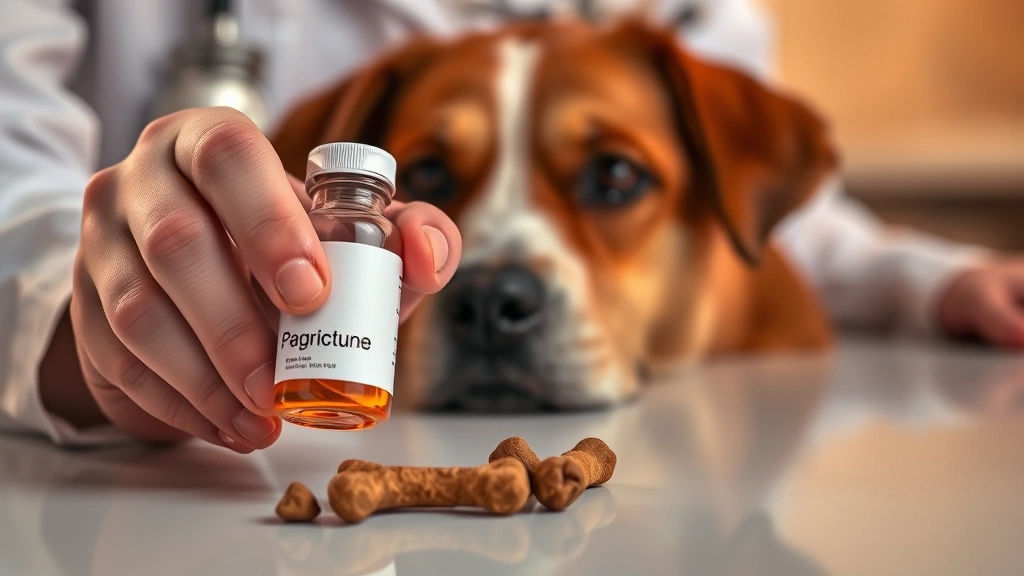
Antibiotics may be prescribed if bacterial infection is suspected or if your dog’s weakened state puts them at risk. Antioxidants and supplements work to reduce oxidative stress on liver tissue. Additionally, your vet might recommend medications to manage secondary issues like fluid retention or electrolyte imbalances that often accompany liver disease.
Each medication serves a specific purpose in your dog’s recovery plan, and your vet will explain why each one is included. Never adjust doses or stop medications without veterinary guidance.
The Role of Nutritional Support
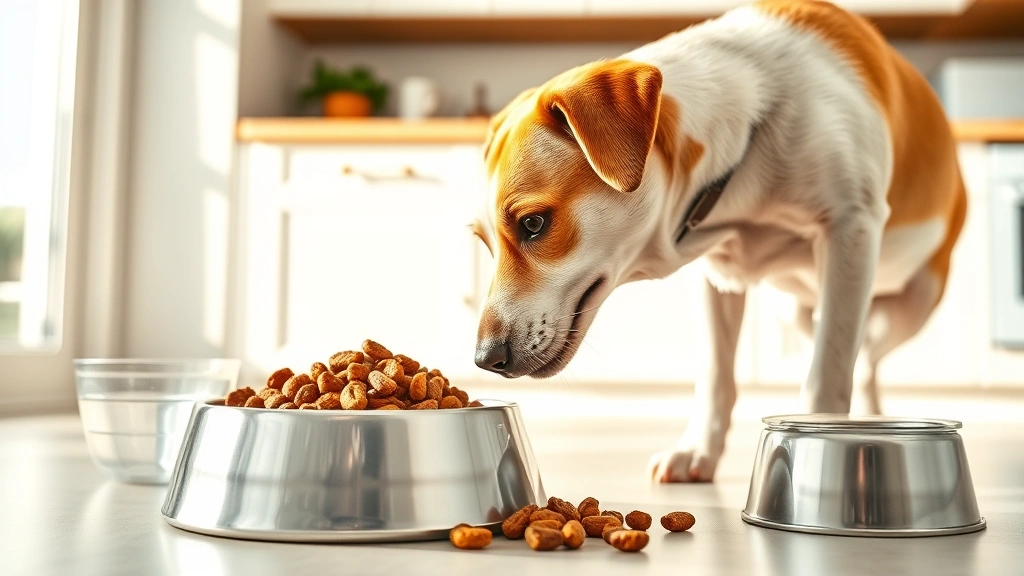
Medication is only part of the picture. Proper nutrition is equally critical during liver recovery. Your vet may recommend a specialized liver disease diet that’s lower in protein (but still adequate), easy to digest, and rich in specific nutrients.
Some dogs benefit from small, frequent meals rather than one or two large feedings. Supplements like milk thistle, SAM-e, or omega-3 fatty acids may support liver health alongside prescribed medications. Your vet will guide you on which supplements are safe and beneficial for your dog’s specific situation.
What To Do Now
- Schedule an urgent veterinary appointment if you haven’t already. Describe all symptoms you’ve noticed and when they started. Bring any recent medication or supplement bottles to help your vet identify possible toxins.
- Keep detailed notes of your dog’s eating, drinking, bathroom habits, and energy levels. This information helps your vet monitor progress and adjust treatment as needed.
- Ask your vet about medication options specific to your dog’s diagnosis. Request a written treatment plan that includes medication names, purposes, and administration instructions.
- Discuss telehealth follow-ups with your vet practice. Regular check-ins via video can help monitor your dog’s recovery without unnecessary stress or travel.
- Prepare your home for recovery by creating a quiet, comfortable space where your dog can rest. Keep food, water, and medications easily accessible.
Managing Treatment at Home
Once your vet prescribes medications, consistency is key. Set phone reminders for medication times to ensure nothing is missed. Keep medications in their original bottles with clear labels, and store them according to your vet’s instructions.
Monitor your dog closely for any side effects and report them to your vet immediately. Some dogs experience mild digestive upset or behavioral changes when starting new medications. Your vet may need to adjust the treatment plan based on how your dog responds.
Supporting Your Dog’s Recovery Journey
Recovery from sudden liver disease takes time and patience. Your dog may not bounce back immediately, and that’s normal. Celebrate small improvements—a dog eating a full meal, showing more energy, or playing briefly—these are signs the treatment is working.
Minimize stress in your dog’s environment, maintain a consistent routine, and provide gentle comfort. Avoid strenuous exercise until your vet gives the all-clear. Your calm, supportive presence is medicine in itself.
When to Seek Emergency Care
While many cases of sudden liver disease can be managed with outpatient care and medications, some situations require immediate emergency attention. Seek emergency care if your dog experiences severe vomiting or diarrhea, collapse or difficulty breathing, seizures, or signs of internal bleeding.
Trust your instincts. If something feels seriously wrong, don’t wait for a scheduled appointment. Emergency veterinary clinics are equipped to provide intensive care and stabilization when your dog needs it most.
Long-Term Management and Prognosis
The outlook for sudden liver disease varies widely depending on the cause and how quickly treatment begins. Some dogs recover remarkably well with appropriate medication and care. Others may need long-term management to maintain quality of life.
Your vet will discuss realistic expectations based on your dog’s specific situation. Regular follow-up bloodwork helps track liver function and guides ongoing treatment adjustments. Many dogs live happy, comfortable lives with proper medication management and dietary support. For more information on what to expect, explore dog liver disease life expectancy resources.
Frequently Asked Questions
How quickly can liver disease develop in dogs?
Acute liver disease can develop within days or even hours, which is why sudden symptoms warrant immediate veterinary evaluation. Chronic liver disease develops slowly over months or years.
Can my dog recover from sudden liver disease?
Many dogs recover well with prompt treatment and appropriate medications, especially if the underlying cause is identified and addressed. Recovery depends on the severity and cause of the disease.
Are there side effects from liver disease medications?
Most liver-supportive medications are well-tolerated, though some dogs may experience mild digestive upset. Always report any concerning changes to your veterinarian.
How often will my dog need follow-up appointments?
Initial follow-ups are typically scheduled within 1-2 weeks, then adjusted based on your dog’s progress. Blood work may be repeated every 2-4 weeks to monitor improvement.
Can I give my dog supplements alongside prescribed medications?
Some supplements support liver health, but always ask your vet before adding anything. Some supplements can interact with medications or stress the liver further.
Summary: Taking Action for Your Dog’s Liver Health
Discovering that your dog has sudden liver disease is scary, but you’re not alone in this journey. Understanding the medications your vet recommends, supporting proper nutrition, and maintaining consistent care at home all contribute to the best possible outcome.
Your veterinarian is your partner in this process. Don’t hesitate to ask questions, request clarification on medication purposes, or discuss your concerns about your dog’s recovery. Whether through in-person visits or convenient telehealth consultations, staying connected with professional guidance gives your dog the strongest chance to heal.
Remember: many dogs bounce back from sudden liver disease with the right treatment plan. Stay positive, stay consistent, and give your beloved companion the time and care they need. You’re already doing the right thing by seeking information and taking action.
This article is for general education and is not a substitute for care from your own veterinarian. Learn about The Pet Vet and our editorial policy.