
If you’ve ever worried about your dog’s health, you know how scary it can be when something goes wrong with their liver. Dog liver disease prevention tips are essential for every responsible pet owner because catching problems early—or better yet, preventing them altogether—can add years to your dog’s life. Your dog’s liver is like a silent workhorse, filtering toxins and supporting nearly every bodily function, so protecting it should be a priority.
Table of Contents
- Why Your Dog’s Liver Health Matters More Than You Think
- Prevention Method #1: Feed a High-Quality, Liver-Friendly Diet
- Prevention Method #2: Maintain a Healthy Weight Through Exercise
- Prevention Method #3: Limit Exposure to Toxins and Medications
- Prevention Method #4: Schedule Regular Veterinary Check-ups
- Prevention Method #5: Provide Proper Hydration and Fresh Water
- Prevention Method #6: Consider Liver-Supporting Supplements Wisely
- Prevention Method #7: Know the Risk Factors and Watch for Early Warning Signs
- Creating Your Dog’s Personalized Prevention Plan
- What To Do Now: Your Action Plan for Liver Health
- Understanding Treatment Options If Prevention Isn’t Enough
- Frequently Asked Questions
- Final Thoughts: You’re Already Doing Great
This article is for informational purposes only and is not a substitute for professional veterinary advice. Always consult a licensed veterinarian for diagnosis and treatment.
Why Your Dog’s Liver Health Matters More Than You Think
Your dog’s liver handles hundreds of tasks every single day—from breaking down food and storing nutrients to filtering out harmful substances. When the liver isn’t working properly, your dog’s entire body suffers. The tricky part is that liver disease often develops silently, with no obvious symptoms until significant damage has occurred.
The good news? Many cases of liver disease are preventable through smart lifestyle choices and regular monitoring. By understanding the risks and taking proactive steps now, you’re giving your dog the best chance at a long, healthy life.
Prevention Method #1: Feed a High-Quality, Liver-Friendly Diet
What your dog eats directly impacts liver health. A nutritionally balanced diet reduces the workload on your dog’s liver and provides the nutrients it needs to function optimally. Look for dog foods that are complete and balanced, with appropriate protein levels for your dog’s age and activity level.
Here’s what to prioritize:
- High-quality protein sources (chicken, fish, beef) rather than by-products
- Limited artificial additives, preservatives, and fillers
- Appropriate fat content—too much can stress the liver
- Foods rich in antioxidants like vitamins E and C
If your dog has existing liver concerns, your vet may recommend a specialized diet. Permanent feeding routine adjustments can make a dramatic difference in how well your dog’s liver functions over time.
Prevention Method #2: Maintain a Healthy Weight Through Exercise
Obesity is a silent killer for dog liver health. Overweight dogs are at significantly higher risk for fatty liver disease, which can progress to serious liver damage if left unchecked. Regular exercise helps your dog maintain a healthy weight and improves overall metabolic function.
Aim for these exercise targets based on your dog’s age and breed:
- Adult dogs: 30-60 minutes of moderate activity daily
- Senior dogs: 15-30 minutes of gentle activity, adjusted for mobility
- High-energy breeds: 60+ minutes to prevent restlessness and weight gain
Even a 10-minute walk twice daily is better than no exercise. The key is consistency—your dog’s liver thrives when their body stays active and their weight stays stable.
Prevention Method #3: Limit Exposure to Toxins and Medications
Your dog’s liver filters everything they ingest, so minimizing exposure to harmful substances is critical. Many common household items can stress or damage the liver over time. This is where dog liver disease prevention tips really come into play in your daily routine.
Watch out for these common liver stressors:
- Certain human medications (acetaminophen, ibuprofen)
- Pesticides and lawn chemicals
- Household cleaners and air fresheners
- Xylitol (found in sugar-free products)—extremely toxic to dogs
- Mold and aflatoxins in contaminated food
- Excessive alcohol (even small amounts are dangerous)
Always check with your vet before giving your dog any new medication or supplement. Some medications are necessary, but your vet can help you weigh the benefits against potential liver impact.
Prevention Method #4: Schedule Regular Veterinary Check-ups
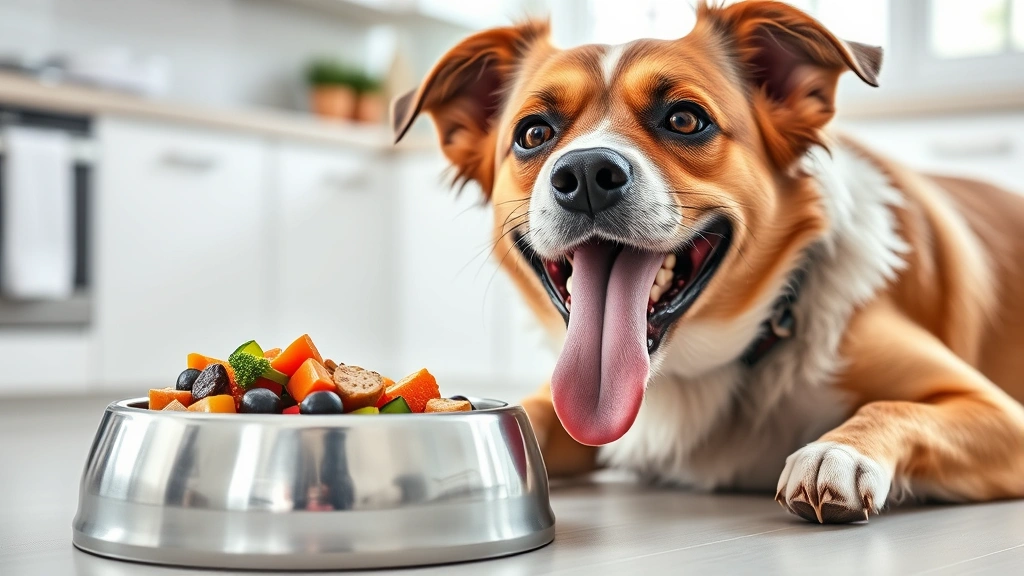
Prevention starts with early detection. Regular vet visits allow your veterinarian to catch subtle changes in your dog’s liver function before they become serious problems. Blood work can reveal liver issues long before your dog shows any symptoms.
Here’s a recommended screening schedule:
- Young dogs (1-7 years): Annual wellness exams with baseline bloodwork
- Senior dogs (7+ years): Twice-yearly exams with annual liver panel blood tests
- Dogs with risk factors: More frequent monitoring as recommended by your vet
Your vet can also discuss your dog’s individual risk factors and create a personalized prevention plan. If you’re ever unsure about whether your dog needs a check-up, a quick telehealth consultation can give you peace of mind without the wait.
Prevention Method #5: Provide Proper Hydration and Fresh Water
Water is essential for liver function. A well-hydrated dog has a liver that can efficiently filter and eliminate toxins. Dehydration forces the liver to work harder and can lead to liver damage over time.
Make hydration easy for your dog:
- Provide fresh, clean water at all times
- Use multiple water bowls throughout your home
- Consider a pet water fountain—many dogs drink more from flowing water
- Monitor water intake, especially in hot weather or during exercise
- Increase water availability if your dog eats dry kibble
If your dog suddenly drinks much less or much more water, it could be a sign of liver trouble. Catching this early puts you in a great position to help.
Prevention Method #6: Consider Liver-Supporting Supplements Wisely
Certain supplements have shown promise in supporting liver health, but they’re not replacements for good nutrition and prevention. Before adding any supplement to your dog’s routine, always discuss it with your veterinarian to ensure it’s appropriate and won’t interact with other treatments.
Some commonly discussed liver-support options include:
- Milk thistle—traditionally used for liver support
- SAMe—may help protect liver cells
- Omega-3 fatty acids—support overall inflammation management
- Antioxidants like vitamin E
Learn more about liver support options and alternatives to make an informed decision for your dog. Your vet can recommend products that are evidence-based and safe for your specific dog.
Prevention Method #7: Know the Risk Factors and Watch for Early Warning Signs
Some dogs are at higher risk for liver disease due to breed, age, or genetics. Understanding your dog’s risk profile helps you stay vigilant. Certain breeds, including Bedlington Terriers, Doberman Pinschers, and Cocker Spaniels, have genetic predispositions to liver disease.
Early warning signs that warrant a vet visit include:
- Loss of appetite or sudden pickiness about food
- Vomiting or diarrhea lasting more than a day
- Yellowing of the eyes, gums, or skin (jaundice)
- Excessive thirst or urination
- Lethargy or unusual lack of interest in activities
- Abdominal swelling or tenderness
- Pale gums
If you notice any of these signs, don’t panic—they can have many causes. But do schedule a vet appointment promptly. Catching liver issues early makes a huge difference in outcomes. For more detailed information about what causes liver disease, check out our guide on dog liver disease causes.
Creating Your Dog’s Personalized Prevention Plan
Every dog is unique, and what works for one may not be ideal for another. Your dog’s age, breed, activity level, and health history all play a role in determining the best prevention strategy. Work with your veterinarian to create a customized plan that addresses your dog’s specific needs and risk factors.
A good prevention plan typically includes:
- Regular veterinary exams with appropriate blood work
- A balanced, high-quality diet tailored to your dog’s needs
- Consistent exercise appropriate for your dog’s age and fitness level
- Toxin avoidance and careful medication management
- Adequate hydration and monitoring for warning signs
Document your dog’s baseline health with bloodwork, weight, and behavior notes. This gives your vet a clear picture of what’s normal for your dog and makes it easier to spot changes.
What To Do Now: Your Action Plan for Liver Health
Ready to take action? Here are specific steps you can take today to protect your dog’s liver:
- Schedule a wellness exam with your veterinarian if your dog hasn’t had one in the past year. Ask specifically about liver health screening and whether your dog’s breed or age warrants additional monitoring.
- Review your dog’s current diet and discuss with your vet whether any changes would benefit liver health. Look for the AAFCO certification on the label to ensure nutritional completeness.
- Assess your home for potential toxins—clean out expired medications, check household products for harmful ingredients, and ensure your dog can’t access human foods that are toxic to dogs.
- Establish a consistent exercise routine that fits your dog’s age and energy level. Start slowly if your dog isn’t currently active, and gradually build up duration and intensity.
- If you’re unsure whether your dog needs urgent care or have questions about prevention, a quick telehealth check-in with a vet can give you peace of mind—no appointment needed.
Understanding Treatment Options If Prevention Isn’t Enough
Despite your best prevention efforts, some dogs may still develop liver disease due to genetics, infections, or other factors beyond your control. If your dog is diagnosed with liver disease, know that management options exist. Dog liver disease treatment options have improved significantly, and chronic liver disease management can help your dog maintain quality of life for years.
The key difference between prevention and treatment is that prevention is far easier on your wallet, your stress level, and your dog’s overall wellbeing. Prevention is always preferable to managing a disease.
Frequently Asked Questions
Can liver disease in dogs be completely prevented?
While you can’t guarantee prevention (some dogs have genetic predispositions), following these tips significantly reduces risk. Most preventable liver disease comes from toxin exposure, poor diet, or obesity—all within your control.
At what age should I start thinking about liver disease prevention?
Start now, regardless of your dog’s age. Young dogs benefit from establishing healthy habits early, while senior dogs need extra vigilance. It’s never too early or too late to focus on liver health.
How often should my senior dog have liver blood work?
Most vets recommend annual liver panel blood work for dogs over 7 years old. Dogs with risk factors or existing health conditions may need more frequent testing—ask your vet what’s right for your dog.
Are there dog breeds more prone to liver disease?
Yes, certain breeds like Bedlington Terriers, Dobermans, and Cocker Spaniels have higher genetic risk. If your dog is one of these breeds, discuss breed-specific screening with your vet.
What’s the difference between preventing and managing liver disease?
Prevention stops disease from developing in the first place through diet, exercise, and toxin avoidance. Management treats a dog that already has liver disease. Prevention is always easier and more effective.
Final Thoughts: You’re Already Doing Great
The fact that you’re reading this article shows you care deeply about your dog’s health. Liver disease prevention isn’t complicated—it comes down to feeding well, exercising regularly, avoiding toxins, and staying alert for changes. These simple steps can add healthy years to your dog’s life.
Remember, you don’t have to do everything perfectly. Small, consistent improvements in diet, exercise, and veterinary care make a real difference. Your dog is lucky to have someone who takes their health this seriously. Start with one or two changes from this list, then gradually add more as they become habits.
Your veterinarian is your best partner in this journey. Don’t hesitate to ask questions, request blood work, or seek a second opinion if you’re concerned about your dog’s liver health. Together, you’re giving your dog the best possible chance at a long, happy, healthy life.
This article is for general education and is not a substitute for care from your own veterinarian. Learn about The Pet Vet and our editorial policy.