
If your dog has been diagnosed with heart disease, understanding the dog heart disease medication dosage guide your veterinarian prescribes is one of the most important steps you can take to keep your furry friend healthy and comfortable. Heart disease in dogs is a serious condition, but with proper medication management and close monitoring, many dogs live happy, quality lives for years after diagnosis.
Table of Contents
- Why Medication Dosage Matters for Heart Disease
- Common Heart Medications for Dogs
- Understanding Your Vet’s Dosage Instructions
- Factors That Affect Medication Dosing
- How to Administer Medications Safely
- Monitoring Your Dog’s Response to Medication
- Potential Side Effects and What to Watch For
- Adjusting Dosages Over Time
- Combining Medications: What You Need to Know
- When to Seek Additional Veterinary Care
- Frequently Asked Questions
- What to Do Now: Your Action Plan
- Summary: Managing Your Dog’s Heart Health
This article is for informational purposes only and is not a substitute for professional veterinary advice. Always consult a licensed veterinarian for diagnosis and treatment.
Why Medication Dosage Matters for Heart Disease
Getting the right dose of heart medication isn’t just about following instructions—it’s about giving your dog the best chance at a longer, more comfortable life. Heart medications work by helping your dog’s heart pump more efficiently, reducing strain, and managing fluid buildup that can make breathing difficult.
The dosage your vet prescribes is carefully calculated based on your dog’s weight, age, kidney function, and the specific type of heart disease they have. Even small variations can affect how well the medication works or whether side effects develop.
Common Heart Medications for Dogs
Several classes of medications are used to treat canine heart disease. Each works differently and plays a specific role in managing your dog’s condition. Understanding what each medication does helps you feel more confident in the treatment plan.
ACE Inhibitors
These medications help relax blood vessels and reduce the workload on the heart. They’re often prescribed as a first-line treatment for heart disease and are generally well-tolerated. Your veterinarian will determine the appropriate strength and frequency for your dog’s needs.
Diuretics
Diuretics help remove excess fluid from your dog’s body, which is especially important if your pup is experiencing coughing or difficulty breathing. These medications require careful monitoring because fluid balance is crucial.
Beta-Blockers
Beta-blockers slow your dog’s heart rate and reduce the force of contractions, giving the heart less work to do. They’re particularly helpful for dogs with certain types of arrhythmias or elevated heart rates.
Inotropic Agents
These medications strengthen heart contractions and help the heart pump blood more effectively. They’re often used in more advanced cases of heart disease.
Understanding Your Vet’s Dosage Instructions
When your veterinarian gives you medication instructions, they’re providing a precise plan tailored to your individual dog. Never adjust doses on your own, even if you think your dog isn’t improving quickly enough. Catching heart disease early and following your vet’s plan puts you in a great position to help your dog thrive.
Your vet will likely specify:
- The medication name and strength
- How many times per day to give it
- Whether to give it with or without food
- Any specific timing instructions (such as spacing doses evenly)
- How long your dog should take the medication
Write these instructions down or take a photo of the prescription label so you don’t forget. Many pet owners find it helpful to set phone reminders, especially if medications need to be given at specific times.
Factors That Affect Medication Dosing
Your dog’s dosage isn’t random—it’s based on several important factors. Understanding these helps you see why your neighbor’s dog with heart disease might be on a completely different regimen.
Weight: Heavier dogs generally need higher doses than smaller dogs. This is why accurate weight tracking matters at each vet visit.
Age: Older dogs may metabolize medications differently and might need dose adjustments. Senior dogs require extra careful monitoring.
Kidney and Liver Function: These organs process medications, so if your dog has any kidney or liver issues, your vet may adjust dosages accordingly. This is why baseline bloodwork is so important.
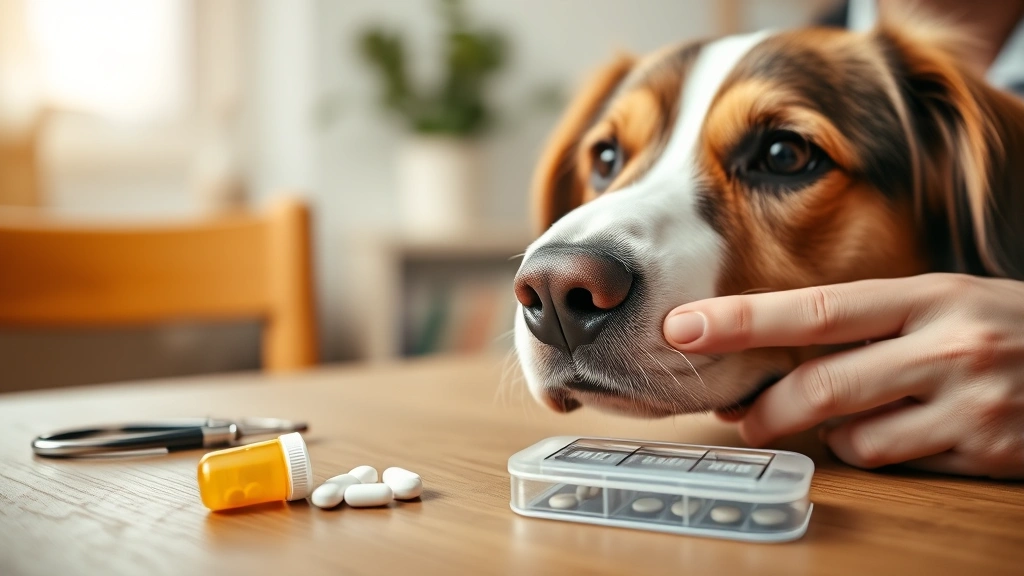
Type of Heart Disease: A dog with dilated cardiomyopathy may need different medications than one with valve disease. Your dog’s specific diagnosis drives the medication choice.
Other Health Conditions: If your dog has diabetes, arthritis, or other conditions, some heart medications might interact with their other treatments.
How to Administer Medications Safely
Giving your dog heart medication correctly is just as important as the dosage itself. Here are practical tips to make medication time easier:
- Give medications at the same time each day to create a routine your dog expects
- Use a pill organizer to track which doses you’ve given, especially if your dog takes multiple medications
- If your dog refuses pills, ask your vet about compounded liquid versions or pill pockets (check that treats are heart-healthy)
- Never crush or split tablets unless your vet specifically says it’s okay
- Store medications in a cool, dry place away from sunlight
- Keep a medication log to share with your vet at check-ups
If you accidentally miss a dose, don’t double up the next time. Just give the next dose as scheduled and mention it to your vet at your next visit.
Monitoring Your Dog’s Response to Medication
After starting heart medication, watch for improvements in your dog’s energy level, breathing, and overall comfort. Some dogs show dramatic improvements within days, while others improve gradually over weeks. Both are normal.
Your vet will likely recommend follow-up appointments to check how your dog is responding. These visits may include bloodwork to ensure kidney function remains stable and to assess whether dosage adjustments are needed. Regular monitoring is your best tool for catching any issues early.
You’re your dog’s best advocate—keep detailed notes about any changes you notice, whether positive or concerning.
Potential Side Effects and What to Watch For
Like all medications, heart drugs can cause side effects in some dogs. Knowing what to watch for helps you catch problems early. Most side effects are mild and manageable, but some warrant immediate attention.
Common side effects may include:
- Mild lethargy or drowsiness
- Decreased appetite
- Increased thirst or urination (especially with diuretics)
- Mild gastrointestinal upset
Contact your vet immediately if you notice:
- Severe vomiting or diarrhea
- Difficulty breathing that worsens
- Collapse or fainting episodes
- Extreme lethargy or unresponsiveness
- Signs of allergic reaction (swelling, hives, difficulty breathing)
If you’re unsure whether your pet needs urgent care, a quick telehealth check-in can give you peace of mind—no appointment needed. Early intervention often prevents small issues from becoming serious.
Adjusting Dosages Over Time
Your dog’s medication needs may change as their condition progresses or as they age. Your vet might increase, decrease, or change medications based on how your dog responds and what bloodwork shows.
Never stop giving your dog heart medication without veterinary guidance, even if they seem to be doing great. Heart disease is a progressive condition, and medication helps manage it long-term. Stopping suddenly can cause serious complications.
If cost is a concern, talk openly with your vet. They may suggest lower-cost alternatives or help you access assistance programs. Your dog’s health is worth the conversation.
Combining Medications: What You Need to Know
Many dogs with heart disease take multiple medications at once. This combination approach targets different aspects of the disease and often works better than a single drug. Your vet has carefully chosen which medications work together safely for your dog.
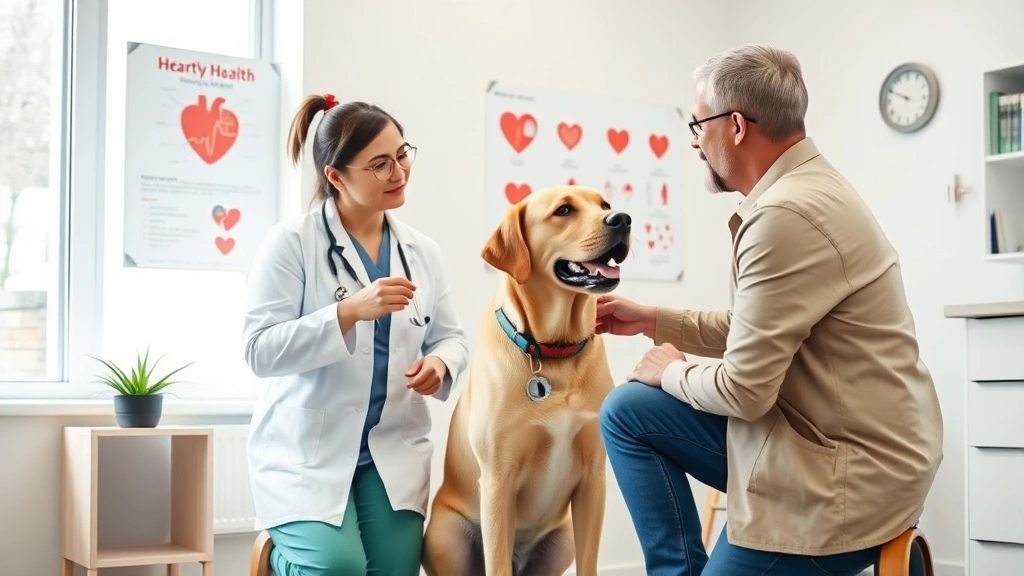
Keep a complete list of all medications, supplements, and over-the-counter products your dog takes. Share this list at every vet visit, including telehealth appointments. Some supplements can interact with heart medications, so your vet needs the full picture.
If you’re considering adding anything new—even a natural remedy—check with your vet first. What’s safe for a healthy dog might not be safe for one with heart disease.
When to Seek Additional Veterinary Care
Regular check-ups are essential, but some situations need immediate attention. Trust your instincts—you know your dog best.
Schedule an urgent appointment or call your vet if:
- Your dog’s coughing increases or changes character
- Breathing becomes noticeably more difficult
- Your dog faints or collapses
- Appetite drops significantly
- Swelling appears in the belly or legs
- You notice signs of medication side effects
Many vets now offer after-hours support or telehealth options, making it easier to get answers when you’re worried. You don’t have to wait until morning if something feels wrong.
Frequently Asked Questions
Can I give my dog heart medication with food?
It depends on the specific medication. Some heart drugs are better absorbed on an empty stomach, while others are easier on the stomach with food. Always follow your vet’s specific instructions for each medication.
What happens if I miss a dose of my dog’s heart medication?
Give the next dose at the regular time—don’t double up. Missing one dose occasionally won’t cause a crisis, but consistency matters long-term. If you frequently forget, talk to your vet about strategies like pill organizers or phone reminders.
How long will my dog need to take heart medication?
Most dogs with heart disease require lifelong medication management. Heart disease is progressive, and medication helps slow that progression and manage symptoms. Your vet will monitor your dog’s condition and adjust the plan as needed.
Are there natural alternatives to heart medication for dogs?
While some supplements may support heart health, they cannot replace prescribed medications for diagnosed heart disease. Talk to your vet about which supplements might be safe additions to your dog’s treatment plan. Learn more about dog heart disease natural remedies.
Why does my dog’s dosage differ from another dog with heart disease?
Each dog’s dosage is customized based on their weight, age, kidney function, type of heart disease, and other health factors. What works perfectly for one dog may not be right for another.
What to Do Now: Your Action Plan
If your dog has been diagnosed with heart disease, here’s how to move forward with confidence:
- Write down all medication instructions from your vet, including names, doses, frequency, and any special instructions about food or timing
- Set up a medication reminder system using phone alarms, a pill organizer, or a pet medication app to ensure consistent dosing
- Schedule your first follow-up appointment to monitor how your dog responds and discuss any concerns or side effects you’ve noticed
- Keep a health journal documenting your dog’s energy level, appetite, breathing, and any changes—this information is invaluable at vet visits
- Ask your vet about telehealth options for quick check-ins between appointments, especially if you have questions about medication or symptoms
Summary: Managing Your Dog’s Heart Health
A dog heart disease medication dosage guide from your veterinarian is your roadmap to helping your dog live their best life with heart disease. While a diagnosis is scary, modern medications have transformed outcomes for countless dogs. The key is following your vet’s plan consistently, staying alert to changes, and maintaining regular communication with your care team.
Your dog depends on you to be their advocate and their caregiver. By understanding their medications, monitoring their response, and keeping their vet informed, you’re giving them the greatest gift—your informed, dedicated support.
Heart disease is a journey, not a destination. Many dogs thrive for years with proper medication management and a little extra love and attention from their owners. You’ve got this.
For more information about recognizing heart disease early, check out our guide on dog heart disease symptoms, and learn which foods to avoid to support your dog’s heart health.
This article is for general education and is not a substitute for care from your own veterinarian. Learn about The Pet Vet and our editorial policy.