
When your dog suddenly starts vomiting, has diarrhea, or stops eating, dog gastrointestinal issues sudden onset can feel terrifying—but you’re not alone, and there are real solutions that work fast.
Table of Contents
- Understanding Sudden Onset GI Issues in Dogs
- Common Triggers for Sudden Gastrointestinal Upset
- When to Seek Veterinary Care Immediately
- How Vets Diagnose Sudden GI Problems
- Medications and Treatment Approaches That Work
- Supporting Your Dog at Home During Recovery
- Prevention: Avoiding Future Sudden GI Issues
- When to Consider Telehealth for Peace of Mind
- Frequently Asked Questions
- What To Do Now
- Summary: Getting Your Dog Back on Track
This article is for informational purposes only and is not a substitute for professional veterinary advice. Always consult a licensed veterinarian for diagnosis and treatment.
Your dog was fine this morning, and now they’re refusing dinner or making urgent bathroom trips. Sudden gastrointestinal upset in dogs happens more often than you’d think, and while it’s scary, catching it early puts you in a great position to help your pup feel better quickly.
Let’s walk through what’s happening, why it matters, and what your vet might recommend to get your dog back on track.
Understanding Sudden Onset GI Issues in Dogs
Sudden gastrointestinal distress isn’t always a sign of something serious, but it does demand attention. Your dog’s digestive system is sensitive, and lots of things can trigger it—from eating something they shouldn’t to stress or a viral infection.
The key difference between sudden onset and chronic GI problems is timing. Sudden issues pop up out of nowhere, often within hours or a day or two. Your dog might have been perfectly normal, then boom—vomiting, diarrhea, or loss of appetite kicks in.
Understanding the root cause matters because treatment depends on what’s actually going on inside your dog’s gut.
Common Triggers for Sudden Gastrointestinal Upset
Before we talk about what your vet might recommend, let’s look at what usually causes sudden onset problems:
- Dietary indiscretion – Your dog ate something they found (garbage, human food, plants) and their stomach is reacting
- Food sensitivity or intolerance – A new treat, brand switch, or ingredient their system doesn’t handle well
- Viral or bacterial infection – Gastroenteritis from contaminated food or water
- Stress or anxiety – Changes in routine, travel, or household events can upset digestion
- Parasites – Intestinal worms or protozoa that cause sudden symptoms
- Pancreatitis – Inflammation of the pancreas, often triggered by fatty foods
- Bloat or obstruction – More serious conditions that need immediate care
Not all of these need medication, but identifying the trigger helps your vet recommend the right approach. Catching this early puts you in a strong position to prevent complications.
When to Seek Veterinary Care Immediately
Some signs mean your dog needs urgent attention, not just a routine appointment. If your dog is showing any of these symptoms, don’t wait:
- Severe vomiting (more than a few times in an hour or vomiting for several hours)
- Blood in vomit or stool
- Extreme lethargy or collapse
- Abdominal bloating or severe pain
- Inability to keep down any food or water
- Signs of dehydration (dry gums, sunken eyes, loss of skin elasticity)
These could signal conditions that need immediate veterinary attention. If you’re unsure whether your pet needs urgent care, a quick telehealth check-in with The Pet Vet can give you peace of mind—no appointment needed.
How Vets Diagnose Sudden GI Problems
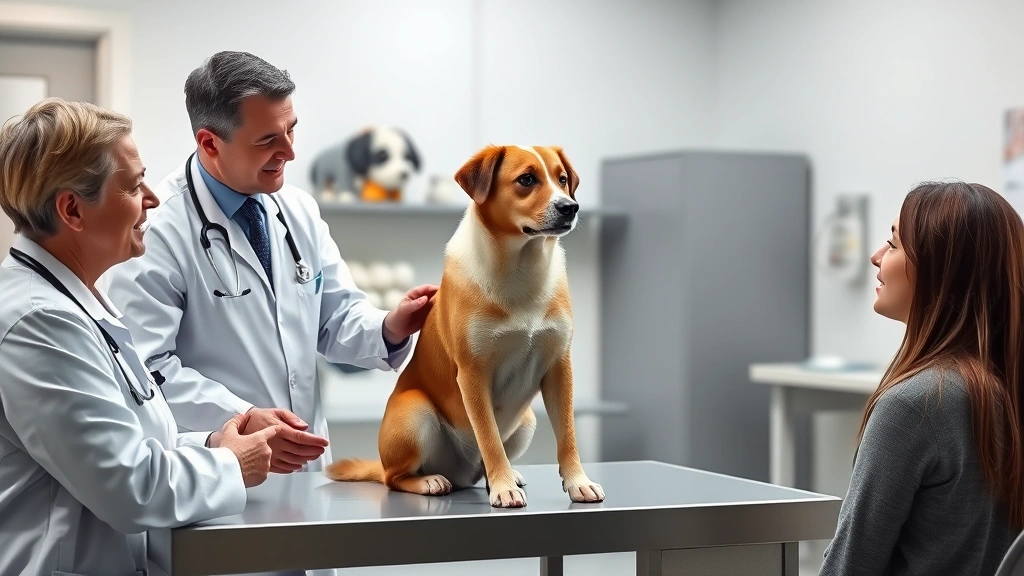
When you bring your dog in (or connect via telehealth), your vet will ask about timing, what your dog ate, and other symptoms. They’ll perform a physical exam and may recommend tests depending on severity.
Common diagnostic tools include bloodwork, fecal analysis (to check for parasites), abdominal ultrasound, or X-rays. These help rule out serious conditions and guide treatment decisions.
For milder cases of sudden onset GI upset, your vet might start with a physical exam and history alone before jumping to expensive testing. This is where experience matters—a good vet knows which cases need labs and which ones respond to supportive care.
Medications and Treatment Approaches That Work
Here’s what your vet may consider for sudden gastrointestinal issues. Remember, specific medication choices and dosing are always your vet’s call based on your dog’s individual case.
1. Anti-Nausea Medications
If your dog is vomiting, stopping the vomiting is priority one. Anti-nausea medications help settle the stomach and allow your dog to keep down food and water, which prevents dehydration.
These work by calming the vomiting center in the brain or protecting the stomach lining. Your vet will choose the best option for your dog’s situation.
2. Gastric Protectants
These medications coat and protect the stomach lining, reducing irritation and discomfort. They’re especially helpful if your dog’s stomach is inflamed from an infection or irritant.
Gastric protectants work quietly in the background, allowing the stomach to heal while your dog feels better faster.
3. Probiotics and Digestive Enzymes
Your dog’s gut is full of beneficial bacteria that keep digestion running smoothly. Sudden upset can disrupt this balance, which is where probiotics come in.
Probiotics replenish good bacteria and help restore normal digestive function. Many vets recommend them during and after GI upset to speed recovery.
4. Antibiotics (When Needed)
If your vet suspects a bacterial infection is causing the sudden onset symptoms, antibiotics may be recommended. However, not all diarrhea or vomiting needs antibiotics—your vet will only prescribe them if testing or clinical signs suggest a bacterial cause.
Unnecessary antibiotics can actually harm your dog’s gut bacteria, so your vet uses them strategically.
5. Antidiarrheal Medications
For dogs with diarrhea (but not vomiting), your vet may recommend medications that slow intestinal movement and allow better fluid absorption. These help firm up stool and reduce urgency.
These are used carefully because they’re not appropriate for all types of diarrhea, especially if infection is involved.
6. Dehydration Support and Electrolytes
Vomiting and diarrhea drain your dog’s fluids and electrolytes fast. Your vet may recommend IV fluids (especially for severe cases) or oral electrolyte solutions to keep your dog hydrated.
Staying hydrated is crucial for recovery and prevents complications.
7. Dietary Management
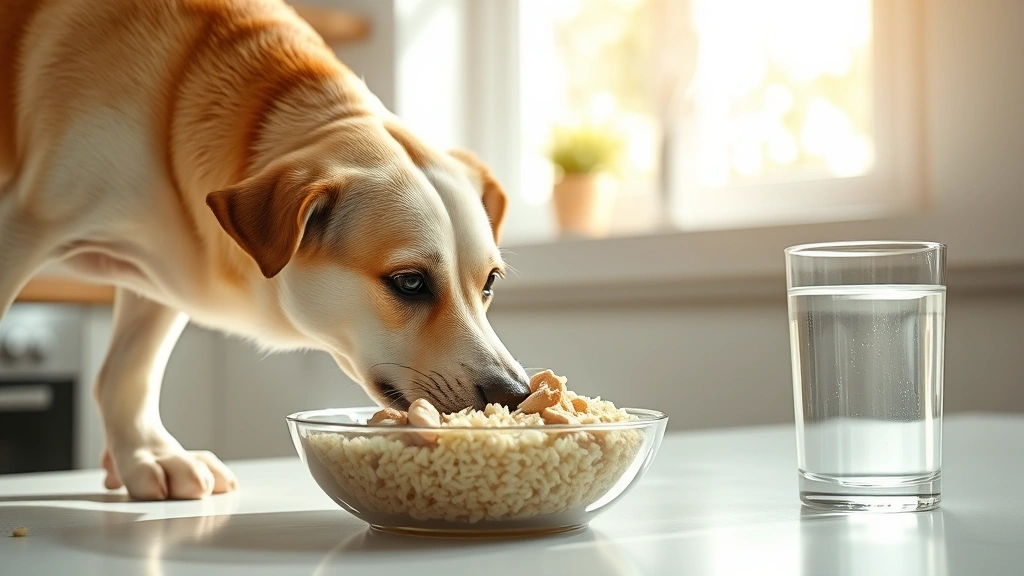
While not a medication, diet is often the most important part of treatment. Your vet typically recommends a bland, easily digestible diet (like boiled chicken and rice) for a few days while the gut heals.
Gradually transitioning back to normal food prevents re-triggering the upset. Understanding the stages of GI recovery helps you follow the right feeding schedule.
Supporting Your Dog at Home During Recovery
Medication is only part of the picture. What you do at home matters just as much.
- Offer small, frequent meals – Instead of one big bowl, give small amounts of bland food every few hours
- Keep water available – But don’t let them gulp huge amounts at once, which can trigger vomiting
- Limit activity – Rest helps the gut heal; skip the park for a few days
- Avoid treats and table scraps – Stick to the bland diet your vet recommends
- Monitor bathroom habits – Keep track of vomiting and diarrhea to report to your vet
- Watch for improvement – Most dogs improve within 24-48 hours; if not, follow up with your vet
Your dog’s recovery often depends more on consistent home care than on medication alone.
Prevention: Avoiding Future Sudden GI Issues
Once your dog bounces back, you’ll want to prevent this from happening again. A few smart habits go a long way:
- Keep human food and garbage out of reach (yes, even that piece of pizza)
- Introduce new foods slowly over 7-10 days, mixing with old food
- Stick with high-quality dog food appropriate for your dog’s age and health
- Ensure fresh water is always available
- Keep your dog’s vaccinations and parasite prevention current
- Manage stress through routine and exercise
Knowing which human foods are toxic for dogs is especially important—some foods that seem harmless can trigger serious GI upset.
When to Consider Telehealth for Peace of Mind
Not every case of sudden GI upset needs an emergency vet visit, but you shouldn’t guess either. If your dog has mild symptoms and you’re unsure what to do, a telehealth consultation with The Pet Vet lets you describe what’s happening and get professional guidance without leaving home.
Telehealth is perfect for ruling out emergencies, deciding whether medication is needed, and getting a feeding plan. If your vet thinks your dog needs in-person care or diagnostics, they’ll recommend that too.
Frequently Asked Questions
How long does sudden onset GI upset usually last in dogs?
Most cases improve within 24-48 hours with supportive care and medication. If symptoms persist beyond 3-4 days or worsen, contact your vet for further evaluation.
Should I feed my dog if they’re vomiting?
Hold food for a few hours after vomiting stops, then offer small amounts of bland food. Your vet will give you specific feeding instructions based on your dog’s condition.
Can I use over-the-counter medications for my dog’s GI upset?
Never give your dog over-the-counter medications without vet approval. Some can be harmful, and proper treatment depends on the underlying cause, which only a vet can determine.
Is sudden GI upset in dogs contagious to other pets?
It depends on the cause. Viral or bacterial infections can spread, so isolate your sick dog and practice good hygiene (wash hands, clean food bowls) until your vet confirms it’s safe.
What’s the difference between acute and chronic GI issues?
Acute (sudden onset) GI issues appear quickly and often resolve with treatment. Chronic issues persist for weeks or longer and may need ongoing management or dietary changes.
What To Do Now
If your dog is experiencing sudden gastrointestinal upset right now, here’s your action plan:
- Assess urgency: Check for red-flag symptoms (severe vomiting, blood, lethargy, abdominal pain). If present, seek emergency care immediately.
- Contact your vet or telehealth provider: Describe symptoms, what your dog ate, and when it started. The Pet Vet telehealth can help you decide next steps without an appointment.
- Start supportive care at home: Withhold food for a few hours, offer small amounts of water, and prepare a bland diet (boiled chicken and rice) for when your vet gives the go-ahead.
- Monitor closely: Track vomiting, diarrhea, appetite, and energy levels. Most dogs improve within 24-48 hours; if not, follow up with your vet.
- Plan prevention: Once your dog recovers, review GI health strategies and dietary habits to prevent future episodes.
Summary: Getting Your Dog Back on Track
Dog gastrointestinal issues sudden onset is scary, but it’s also one of the most common reasons pet owners call their vets—and for good reason. Most cases respond well to quick action, supportive care, and the right medication.
The key is recognizing when something’s wrong, reaching out to your vet promptly, and following their guidance on diet and medication. Your vet will choose the right approach based on your dog’s specific situation, whether that’s anti-nausea medication, probiotics, antibiotics, or just rest and a bland diet.
Remember: you know your dog best. If something feels off, trust your instincts and get professional input. Whether through a quick telehealth check-in or an in-person visit, getting answers fast is what matters most.
Your dog is counting on you, and catching GI upset early puts you both in the best position for a quick, full recovery. Hang in there—most dogs bounce back faster than you’d expect.
This article is for general education and is not a substitute for care from your own veterinarian. Learn about The Pet Vet and our editorial policy.