
Overview
While cats are obligate carnivores requiring specialized nutrition primarily from animal sources, certain human foods can be safely shared as occasional treats when properly prepared and portioned. Human foods should never exceed ten percent of a cat’s daily caloric intake, with the remaining ninety percent coming from complete, balanced commercial cat food formulated to meet their unique nutritional requirements.
Table of Contents
- Why Knowing Safe Human Foods Matters
- What Cats Actually Need to Stay Healthy
- When to Check In With Your Vet First
- Fifteen Human Foods That Are Safe for Cats
- How to Prepare and Portion These Foods Safely
- Foods You Should Never Give Your Cat
- What You Can Do Right Now
- Conclusion
- Frequently Asked Questions
Why Knowing Safe Human Foods Matters for Your Cat
Those pleading eyes at dinnertime are hard to resist. Every cat owner has felt that tug when their furry companion watches them eat, clearly hoping for a taste. The good news is that you can safely share certain human foods with your cat.
This article is for informational purposes only and is not a substitute for professional veterinary advice. Always consult a licensed veterinarian for diagnosis and treatment.
Understanding which foods are safe helps you bond through food sharing without putting your cat at risk. However, human foods should never replace your cat’s regular meals — think of them as an occasional treat, not a staple.
A helpful rule to keep in mind: treats of any kind, including human foods, should make up no more than ten percent of your cat’s daily calories. The other ninety percent should come from complete, balanced cat food.
What Cats Actually Need to Stay Healthy
Cats are not small dogs or tiny humans. They are obligate carnivores, meaning their bodies are built to get essential nutrients from animal tissue.
Your cat’s digestive system is shorter and more acidic than yours. It is designed specifically to break down meat. Cats also need certain amino acids — like taurine — that are found naturally only in animal sources.
According to the ASPCA, cats require much higher protein levels than humans. They also have a limited ability to digest plant materials and derive energy primarily from protein and fat rather than carbohydrates.
Commercial cat food is formulated to meet these specific needs. It contains balanced proteins, fats, vitamins, and minerals your cat needs to thrive.
When to Check In With Your Vet First
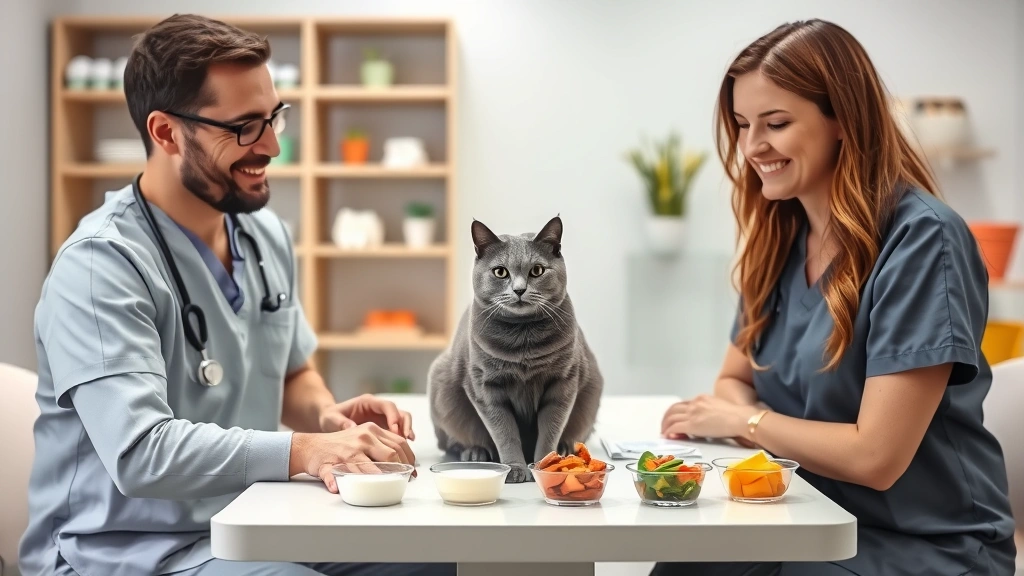
Before introducing any human foods, it is worth speaking with your veterinarian — especially if your cat has existing health conditions. Every cat is different, and some have needs that affect what they can safely eat.
Here are some situations where a vet check-in matters most:
- Food allergies or sensitivities — These can cause skin irritation or digestive upset.
- Kidney disease — Cats with this condition may need restricted phosphorus, which affects which meats are appropriate.
- Diabetes — Carbohydrate intake may need careful management.
- Digestive conditions — Some cats do better on limited ingredient diets.
- Weight concerns — Extra treat calories can slow progress if your cat is on a weight management plan.
If you are unsure whether your pet needs urgent care, a quick telehealth check-in can give you peace of mind — no appointment needed.
Fifteen Human Foods That Are Safe for Cats
Cooked Chicken
Cooked chicken is one of the safest human foods you can offer your cat. It delivers high-quality animal protein that supports muscle health and immune function.
Always serve it fully cooked and plain — no seasonings, sauces, or marinades. Remove all bones before serving, as cooked bones splinter easily and could cause injury.
A small amount of shredded chicken a few times a week makes a great occasional treat.
Cooked Turkey
Turkey is another lean protein option that many cats find very appealing. It also provides B vitamins, selenium, and phosphorus.
Serve it plain — roasted or boiled turkey breast works well. Skip the skin, as it is too fatty and may cause digestive upset. Avoid processed deli turkey, which is high in sodium and preservatives.
Cooked Eggs
Eggs offer complete protein with essential amino acids, vitamins, and minerals. They are easy to digest and may support muscle health, skin condition, and coat quality.
Always cook eggs fully before serving. Raw eggs carry a risk of salmonella and contain a compound that can interfere with nutrient absorption. Scrambled, hard-boiled, or poached eggs work well — prepared without butter, oil, or salt.
Cooked Fish: Salmon and Tuna
Many cats are naturally drawn to fish. Salmon contains omega-3 fatty acids that may support skin health and coat condition. Tuna is equally appealing but should be offered less frequently due to its mercury content.
Always cook fish thoroughly and remove all bones. Limit tuna to occasional servings, while salmon can be offered a little more regularly in small amounts.
Cooked Lean Beef
Lean beef provides protein, iron, zinc, and B vitamins. Choose lean cuts and trim visible fat. Cook thoroughly and skip all seasonings — especially onions and garlic, which are toxic to cats.
Introduce beef gradually, as some cats may have sensitivities. Watch for any signs of digestive upset after the first few servings.
Cooked Liver
Liver is rich in vitamin A, iron, copper, and B vitamins. These nutrients support vision, immune function, and energy. However, too much vitamin A can be harmful, so moderation is essential.
A very small piece once a week or less is plenty. If your cat’s regular food already contains liver, be especially cautious about adding more. Always cook liver thoroughly without oils or seasonings.
Oatmeal
Plain cooked oatmeal is safe for cats in small amounts. The soluble fiber may help with mild digestive issues. Cook it with water only — never milk — and avoid sugar, salt, butter, or flavourings.
One teaspoon occasionally is plenty. Not all cats will be interested, and that is perfectly fine.
Cooked Pumpkin
Plain cooked pumpkin is safe and may be helpful for mild digestive issues. It is rich in fibre and moisture, which can help regulate digestion.
Use pure canned pumpkin or fresh cooked pumpkin — never pumpkin pie filling, which contains added sugars and spices. Check the label to make sure it is 100 percent pure pumpkin.
Cooked Peas
Peas appear in many commercial cat foods and can work as an occasional treat. They provide fibre, vitamins, and a small amount of plant-based protein.
Steam or boil fresh or frozen peas until soft. Avoid canned peas due to high sodium content. A small handful once or twice a week is a low-calorie option, particularly useful if your cat is managing their weight.
Cooked Carrots
Carrots provide beta-carotene, fibre, and other nutrients. Cook them until very soft before serving — raw carrots are too hard and could be a choking risk. Dice into very small pieces before offering.
Many cats show little interest in vegetables, and there is no nutritional reason to push it if yours is not keen.
Cooked Green Beans
Green beans are a popular low-calorie treat, especially for cats managing their weight. They provide fibre, vitamins, and minerals with very few calories.
Steam or boil fresh or frozen green beans until tender. Avoid canned versions with added salt, and skip any seasonings, butter, or oils.
Bananas
Bananas are safe for cats in very small amounts. They provide potassium and some B vitamins. However, their high sugar content means they should be a rare treat — a tiny slice is more than enough.
Many cats show little interest in fruit anyway, which is completely normal given their carnivorous nature.
Blueberries
Blueberries contain antioxidants, fibre, and vitamins. According to Cornell University College of Veterinary Medicine, antioxidants may help support immune function, particularly in older cats.
Offer fresh or thawed frozen blueberries, washed thoroughly. A few blueberries a couple of times a week make a low-calorie, nutrient-rich treat. Many cats enjoy batting them around first — a bonus bit of enrichment.
Seedless Watermelon
Watermelon is over ninety percent water, making it a hydrating option — especially in warm weather or for cats who do not drink enough. It also provides vitamins A and C.
Only offer seedless watermelon with all rind removed. Serve only the pink or red flesh, cut into small cubes. Keep portions small due to the natural sugar content.
Plain Yogurt
Small amounts of plain, unsweetened yogurt can be safe for some cats. It contains less lactose than milk and the live cultures may support digestive health.
Choose only plain yogurt with no artificial sweeteners — particularly avoid xylitol, which is toxic to pets. Greek yogurt is a good option due to its higher protein and lower lactose content. Introduce gradually and watch for any digestive changes.
How to Prepare and Portion These Foods Safely
Choosing the right food is only part of the picture. How you prepare and serve it matters just as much. Follow these simple guidelines to keep treat time safe:
- Always cook meats thoroughly — no seasonings, oils, butter, or sauces
- Remove all bones before serving any meat or fish
- Let cooked foods cool completely before offering them
- Cut everything into small, bite-sized pieces suitable for your cat’s size
- Introduce new foods gradually, starting with a tiny amount
- Watch for any signs of reaction — vomiting, diarrhoea, or skin changes
- Store prepared treats properly and discard after a few days
- Wash all fruit and vegetables thoroughly to remove pesticide residues
Portion size matters too. For an average adult cat, daily treat calories should stay quite low. Even a tablespoon of cooked chicken contains meaningful calories, so keep human food portions small and infrequent.
It is completely normal to feel unsure about getting this right at first — you are already doing the right thing by looking into it carefully.
Foods You Should Never Give Your Cat
Knowing what to avoid is just as important as knowing what is safe. The following foods are toxic to cats and should never be offered:
- Onions and garlic in any form — fresh, cooked, powdered, or in prepared foods
- Chocolate, coffee, and anything containing caffeine
- Grapes and raisins
- Alcohol in any amount
- Xylitol — an artificial sweetener found in many sugar-free products
- Raw dough containing yeast
- Macadamia nuts
- Avocado
- Raw or undercooked eggs, meat, or fish
- Cooked bones from meat or fish
- Large amounts of dairy products — most adult cats are lactose intolerant
- Salty or heavily seasoned foods
Even small amounts of some of these foods could cause serious harm. If your cat has eaten something from this list, contact your veterinarian straight away. When in doubt, do not share it.
What You Can Do Right Now
If you want to start sharing safe foods with your cat — or if you are worried your cat may have eaten something they should not have — here are clear steps to take today:
- Write down what your cat ate and when. Note the food, the approximate amount, and the time. This information is very helpful if you need to speak with a vet.
- Check the foods-to-avoid list above. If what your cat ate appears on that list, contact your veterinarian or an emergency animal poison line immediately.
- Watch your cat closely for the next few hours. Look for vomiting, diarrhoea, lethargy, drooling, or any unusual behaviour. Note anything you observe.
- Choose one safe food from the list above to try first. Start with a very small amount — a fingertip-sized portion — and wait 24 hours before offering it again.
- Book a vet check-in if you have any doubts. If you are unsure whether your pet needs urgent care, a quick telehealth check-in can give you peace of mind — no appointment needed.
Conclusion
Sharing safe human foods with your cat can be a lovely way to bond and add a little variety to their diet. The fifteen options covered here — from cooked chicken and turkey to blueberries and plain yogurt — can all be offered safely when prepared correctly and kept to appropriate portions.
The key principles to remember are straightforward:
- Human foods are treats only — not meal replacements
- Keep treat calories to no more than ten percent of your cat’s daily intake
- Always cook meats thoroughly and avoid all seasonings
- Introduce new foods slowly and watch for any reactions
- When in doubt, check with your vet
Those pleading eyes at dinnertime can now be met with confidence. You know which foods are safe, how to prepare them, and what to watch for. That is a great position to be in — for both of you.
Frequently Asked Questions
Can cats eat human food every day?
Small amounts of safe human foods can be offered regularly, but they should make up no more than ten percent of your cat’s daily calories. Their main nutrition should always come from complete, balanced cat food.
What human food is best for cats?
Plain cooked chicken is widely considered the safest and most suitable option. It provides high-quality animal protein that aligns well with a cat’s nutritional needs. Plain cooked turkey and fully cooked eggs are also good choices.
Can I give my cat raw meat?
It is generally not recommended. Raw meat may carry harmful bacteria such as salmonella and E. coli. Always cook meat thoroughly before offering it to your cat.
Are any fruits toxic to cats?
Yes — grapes and raisins should never be given to cats. Small amounts of certain fruits like blueberries and watermelon are considered safe, but fruit should only ever be an occasional treat due to its sugar content.
How do I know if my cat is reacting badly to a human food?
Signs that may indicate a reaction include vomiting, diarrhoea, lethargy, loss of appetite, skin irritation, or changes in behaviour. If you notice any of these after introducing a new food, stop offering it and contact your veterinarian. Catching a reaction early puts you in a great position to get your cat the help they need quickly.
This article is for general education and is not a substitute for care from your own veterinarian. Learn about The Pet Vet and our editorial policy.