
If your dog has been coughing, wheezing, or struggling to breathe, you’re probably worried—and rightfully so. Dog respiratory infection treatment options range from simple home care to prescription medications, and understanding what’s available can help you feel more confident about your pet’s recovery.
Table of Contents
- Understanding Canine Respiratory Infections
- How Vets Diagnose Respiratory Issues
- Antibiotics: When They’re Necessary
- Antitussives and Cough Management
- Bronchodilators and Breathing Support
- Supportive Care at Home
- Nutrition During Recovery
- When to Consider Telehealth Support
- Recognizing When Your Dog Needs Emergency Care
- Prevention: The Best Treatment
- Frequently Asked Questions
- What To Do Now
- Summary
This article is for informational purposes only and is not a substitute for professional veterinary advice. Always consult a licensed veterinarian for diagnosis and treatment.
Respiratory infections in dogs are surprisingly common, especially during cold months or in multi-pet households. The good news? Most respond well to treatment when caught early. Catching this early puts you in a great position to help your pup bounce back.
Understanding Canine Respiratory Infections
A respiratory infection in dogs occurs when viruses, bacteria, or sometimes fungi invade the airways and lungs. Your dog’s body reacts by producing excess mucus, inflammation, and that telltale cough you’ve been hearing.
These infections can range from mild (like kennel cough) to more serious (like pneumonia). The severity depends on your dog’s age, immune system, and overall health. Puppies, senior dogs, and those with pre-existing conditions are at higher risk.
Understanding the root cause matters because it directly influences which dog respiratory infection treatment options your vet will recommend.
How Vets Diagnose Respiratory Issues
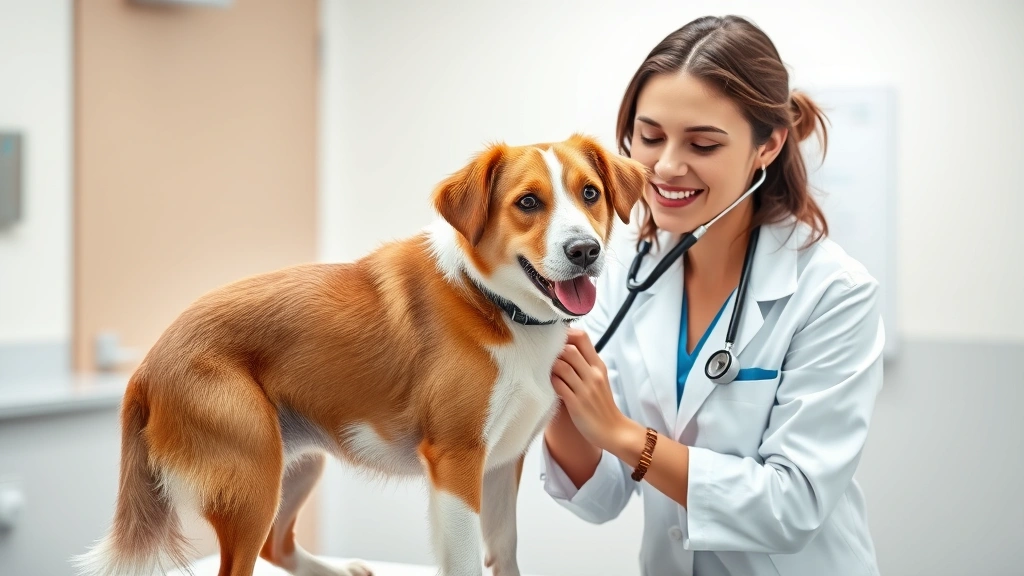
Before your vet can suggest treatment, they need to identify what’s causing the problem. This typically involves a physical exam, listening to your dog’s lungs with a stethoscope, and sometimes imaging like X-rays.
In some cases, your vet might take a sample or culture to identify the specific organism causing the infection. This helps narrow down whether antibiotics, antivirals, or supportive care is the best path forward.
Don’t skip the diagnostic step—it’s the foundation for effective treatment.
Antibiotics: When They’re Necessary
If your dog has a bacterial respiratory infection, antibiotics are often the cornerstone of treatment. Your veterinarian will select an antibiotic based on the suspected or confirmed bacteria and your dog’s health profile.
It’s crucial to give the full course of antibiotics exactly as prescribed, even if your dog seems better after a few days. Stopping early can lead to recurring infections or antibiotic resistance.
Your vet will not prescribe specific dosages in a general article, but they’ll ensure the dose is tailored to your dog’s weight and condition during your consultation.
Antitussives and Cough Management
A persistent cough can exhaust your dog and interfere with sleep and eating. Antitussive medications (cough suppressants) can provide relief while the underlying infection heals.
These medications work by calming the cough reflex in the brain, giving your dog’s throat and airways a chance to rest. Your vet will determine whether a cough suppressant is appropriate for your dog’s specific situation.
Some infections require the cough to continue (to clear secretions), so your vet’s guidance is essential before giving any cough medication.
Bronchodilators and Breathing Support
If your dog is wheezing or has difficulty breathing, your vet might recommend a bronchodilator. These medications relax the muscles around the airways, making breathing easier.
Bronchodilators are especially helpful for dogs experiencing inflammation or constriction in the lower airways. They can make a noticeable difference in your dog’s comfort within hours.
Think of them as opening up the airways so oxygen can flow more freely—your dog will likely seem noticeably less stressed.
Supportive Care at Home
Beyond medication, how you care for your dog at home plays a huge role in recovery. Here are evidence-based strategies:
- Keep your dog warm and dry: A cozy, draft-free space reduces stress on the respiratory system.
- Use a humidifier: Moist air eases congestion and soothes irritated airways.
- Encourage hydration: Proper pet hydration helps thin secretions and supports immune function.
- Limit strenuous activity: Rest is medicine—keep play sessions calm and short.
- Avoid irritants: Smoke, strong perfumes, and dust can worsen symptoms.
These simple measures complement medical treatment and often speed recovery.
Nutrition During Recovery
A dog fighting off a respiratory infection needs proper nutrition to fuel their immune system. High-quality protein supports antibody production and tissue repair.
Some dogs lose appetite when they’re sick. If your dog isn’t eating well, warming their food slightly or offering smaller, more frequent meals can help. If appetite doesn’t improve within a day or two, contact your vet.
Avoid foods that are hard to swallow or irritating to the throat. Soft, easily digestible options are your friend right now.
When to Consider Telehealth Support
Not every respiratory symptom requires an emergency room visit, but you shouldn’t guess. If you are unsure whether your pet needs urgent care, a quick telehealth check-in can give you peace of mind — no appointment needed.
Telehealth is especially useful for follow-up questions after a diagnosis or for assessing whether symptoms are improving on schedule. The Pet Vet and similar services make it easy to get professional guidance from home.
A vet can help you decide if your dog needs to come in or if home monitoring is safe.
Recognizing When Your Dog Needs Emergency Care
Most respiratory infections respond to treatment within 1–2 weeks. However, some signs warrant immediate veterinary attention:

- Severe difficulty breathing or gasping for air
- Pale or blue-tinged gums
- Collapse or fainting
- Extreme lethargy or unresponsiveness
- Fever above 103°F (39.4°C) that doesn’t improve with treatment
- Coughing up blood
If you notice any of these, don’t wait—get your dog to a vet immediately. Early intervention in severe cases can be life-saving.
Prevention: The Best Treatment
While you can’t prevent every respiratory infection, you can reduce risk significantly. Keep your dog’s vaccinations current, especially bordetella and parainfluenza vaccines.
Minimize exposure to other sick dogs, maintain good hygiene (wash hands after petting other animals), and ensure your dog gets adequate rest and nutrition year-round.
A healthy immune system is your dog’s best defense against respiratory illness.
Frequently Asked Questions
How long does it take for a dog respiratory infection to clear up?
Most mild to moderate respiratory infections improve within 1–3 weeks with proper treatment. Severe cases or pneumonia may take 4–6 weeks or longer. Your vet will monitor progress and adjust treatment as needed.
Can I treat my dog’s respiratory infection at home without antibiotics?
Some viral infections and mild cases improve with supportive care alone. However, bacterial infections typically require antibiotics prescribed by a vet. Never self-diagnose or skip professional evaluation.
Are respiratory infections in dogs contagious to other pets?
Yes, many canine respiratory infections spread easily between dogs. Keep your sick dog away from others and practice good hygiene to prevent transmission in your household.
What’s the difference between kennel cough and pneumonia?
Kennel cough is usually mild, causing a dry, hacking cough but normal appetite and energy. Pneumonia is more serious, with lethargy, fever, and difficulty breathing. A vet can distinguish between them.
Should I be worried if my dog is still coughing after two weeks of treatment?
A lingering cough can happen, especially if the infection was severe. Contact your vet for a follow-up exam to ensure the infection is truly resolving and to rule out complications.
What To Do Now
- Schedule a vet appointment: If your dog shows signs of respiratory infection, don’t delay. A professional diagnosis is the first step toward effective treatment.
- Document symptoms: Note when the cough started, how often it occurs, and any other signs (fever, lethargy, loss of appetite). This helps your vet assess severity.
- Prepare your home: Set up a warm, comfortable recovery space with a humidifier running. Have fresh water available at all times.
- Follow treatment instructions exactly: Whether it’s antibiotics, cough medication, or supportive care, consistency matters. Set phone reminders if needed.
- Monitor progress daily: Keep track of improvements or worsening symptoms. If things aren’t improving in 3–5 days, contact your vet again.
Summary
Dog respiratory infection treatment options are varied and effective when applied correctly. From antibiotics and bronchodilators to supportive home care and proper nutrition, you have multiple tools to help your dog recover.
The key is getting a professional diagnosis quickly, following your vet’s recommendations faithfully, and providing comfort and rest at home. Most dogs bounce back beautifully with proper care.
Your dog’s respiratory health matters, and seeking veterinary guidance early puts them on the path to feeling better. Trust your instincts as a pet parent, and don’t hesitate to reach out to your vet—or a telehealth service—if you’re unsure about anything along the way.
This article is for general education and is not a substitute for care from your own veterinarian. Learn about The Pet Vet and our editorial policy.