
When your dog starts coughing persistently, wheezing, or struggling to breathe, it’s natural to feel worried—and understanding dog respiratory infection medication dosage guide information can help you feel more prepared during vet visits. Respiratory infections in dogs range from mild to serious, and the right medication at the right dose can make all the difference in your pup’s recovery.
Table of Contents
- What Causes Respiratory Infections in Dogs?
- Recognizing Signs Your Dog May Be Experiencing a Respiratory Infection
- How Vets Diagnose Respiratory Infections
- Understanding Dog Respiratory Infection Medication Dosage Guide Essentials
- Common Medication Classes for Canine Respiratory Infections
- The Role of Supportive Care Alongside Medication
- When to Seek Urgent Veterinary Care
- Understanding Potential Complications
- Recovery Timeline and What to Expect
- Prevention Strategies for Future Respiratory Health
- The Importance of Professional Guidance
- Frequently Asked Questions
- What To Do Now
- Summary: Supporting Your Dog Through Respiratory Infection Recovery
This article is for informational purposes only and is not a substitute for professional veterinary advice. Always consult a licensed veterinarian for diagnosis and treatment.
What Causes Respiratory Infections in Dogs?
Dog respiratory infections stem from viral, bacterial, or fungal pathogens that invade the airways and lungs. Kennel cough (infectious tracheobronchitis) is one of the most common culprits, spreading rapidly in environments where dogs gather closely together.
Other causes include pneumonia, bronchitis, and secondary infections following viral illnesses like canine influenza. Some dogs are more vulnerable due to age, breed predisposition, or weakened immune systems.
Recognizing Signs Your Dog May Be Experiencing a Respiratory Infection
The symptoms often appear suddenly and can range from mild to alarming. Your dog might develop a dry, hacking cough that sounds like they’re trying to clear their throat, or a wet cough that produces mucus. Catching this early puts you in a great position to help.
Watch for these additional signs:
- Lethargy or decreased activity levels
- Loss of appetite or reduced food intake
- Nasal discharge (clear, cloudy, or colored)
- Sneezing or sniffling
- Difficulty breathing or rapid breathing
- Wheezing or crackling sounds when breathing
- Fever or feeling warm to the touch
- Gagging or retching
If your dog shows any of these signs, don’t panic—many respiratory infections respond well to treatment when addressed promptly.
How Vets Diagnose Respiratory Infections
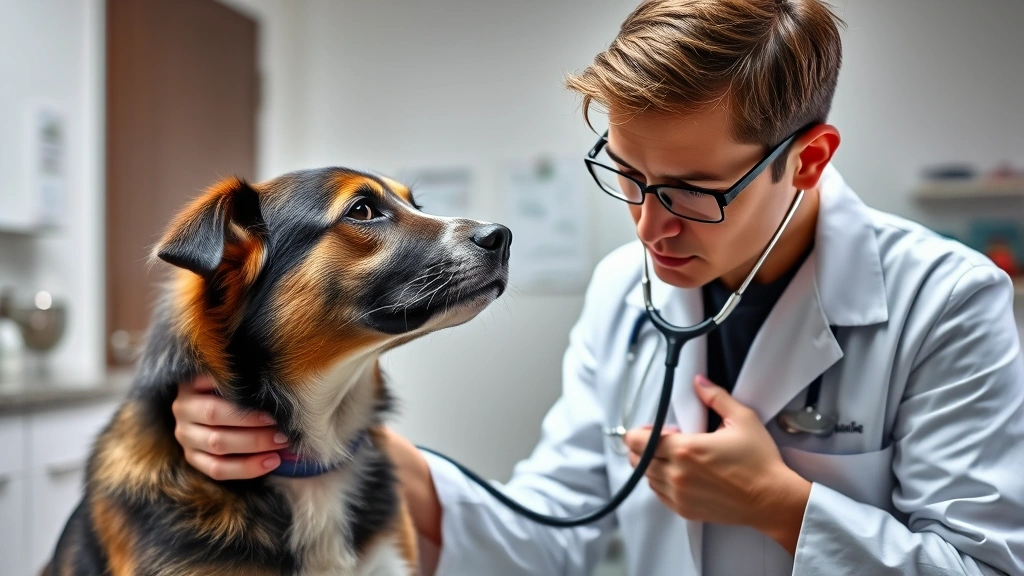
Your veterinarian will perform a physical examination, listening carefully to your dog’s lungs with a stethoscope. They may ask detailed questions about when the symptoms started, whether your dog has been around other sick dogs, and any recent travel or exposure.
Depending on the suspected cause, your vet might recommend chest X-rays, blood work, or cultures to identify the specific pathogen. This diagnostic approach helps determine which medications will be most effective.
Understanding Dog Respiratory Infection Medication Dosage Guide Essentials
Medication selection depends entirely on the underlying cause and your individual dog’s health profile. Antibiotics work against bacterial infections, while antivirals or supportive care may be needed for viral causes. Your veterinarian will determine the appropriate medication type and strength for your dog’s specific situation.
Never attempt to dose medications yourself based on online charts or general guidelines—each dog’s needs are unique. Factors like weight, age, liver and kidney function, and other medications your dog takes all influence proper dosing.
Common Medication Classes for Canine Respiratory Infections
Veterinarians typically choose from several medication categories when treating respiratory infections. Understanding these classes helps you have more informed conversations with your vet about your dog’s treatment plan.
Antibiotics target bacterial infections and are prescribed when bacterial involvement is suspected or confirmed. Different antibiotics work against different bacteria, so your vet selects based on the likely culprit.
Cough suppressants help reduce the constant coughing that keeps your dog from resting. These are particularly helpful for kennel cough, where the cough itself becomes the main problem after the initial infection.
Expectorants thin mucus secretions, making it easier for your dog to cough up and clear their airways naturally. These support your dog’s body’s own healing mechanisms.
Anti-inflammatory medications reduce swelling in the airways, helping your dog breathe more comfortably. Reduced inflammation often means faster recovery and improved quality of life during treatment.
Bronchodilators relax airway muscles, opening breathing passages wider. These are especially useful when your dog shows wheezing or significant breathing difficulty.
The Role of Supportive Care Alongside Medication
Medication is only part of the recovery picture. Your dog needs rest, hydration, and a comfortable environment to heal effectively. Keep your pup in a warm, humid space—steam from a hot shower or humidifier can ease congestion naturally.
Ensure fresh water is always available, as hydration helps thin secretions. Avoid smoke, strong perfumes, and other airborne irritants that could further irritate sensitive airways. A soft harness instead of a neck collar reduces pressure on the trachea during walks.
Consider how feeding for immune support might complement your vet’s treatment plan. Proper nutrition strengthens your dog’s ability to fight infection and recover faster.
When to Seek Urgent Veterinary Care
Some respiratory symptoms require immediate attention rather than waiting for a regular appointment. If your dog shows severe difficulty breathing, blue-tinged gums or tongue, collapse, or extreme lethargy, seek emergency care immediately.
Persistent coughing that doesn’t improve after a few days of treatment, fever that spikes or returns, or worsening symptoms despite medication also warrant prompt veterinary evaluation. Your dog’s safety comes first, and your vet can adjust treatment quickly if needed.
If you are unsure whether your pet needs urgent care, a quick telehealth check-in can give you peace of mind—no appointment needed. Many respiratory concerns can be evaluated and discussed without an in-person visit, helping you decide on next steps.
Understanding Potential Complications
While most respiratory infections resolve with appropriate treatment, some dogs develop secondary complications. Pneumonia can develop when infection spreads deeper into the lungs, requiring more aggressive treatment.
Dogs with underlying conditions like collapse trachea in dogs or chronic heart disease face higher complication risks. Your vet will factor these considerations into medication selection and dosing decisions.
Additionally, nasal congestion in dogs sometimes accompanies lower respiratory infections, requiring attention to both upper and lower airway health.
Recovery Timeline and What to Expect
Most uncomplicated respiratory infections show improvement within 7-10 days of appropriate treatment. Your dog’s cough may persist longer than other symptoms—sometimes for several weeks—even as they feel better overall.
Follow your vet’s instructions completely, even if your dog seems better before the medication course ends. Stopping treatment early can allow infection to return or develop antibiotic resistance.
Keep follow-up appointments so your vet can confirm recovery and adjust treatment if needed. Some dogs require extended medication courses or additional interventions depending on their response.

Prevention Strategies for Future Respiratory Health
Vaccination protects against some common respiratory pathogens, particularly bordetella (kennel cough). Ask your vet which vaccines are appropriate for your dog’s lifestyle and risk factors.
Minimize exposure to sick dogs, especially in high-density environments like dog parks or boarding facilities during respiratory illness season. Good hygiene practices—washing hands after petting other dogs, using separate toys and bowls—reduce transmission risk.
Support your dog’s immune system year-round through quality nutrition, regular exercise, and stress reduction. A strong immune system responds more effectively to infections and recovers faster when illness does occur.
The Importance of Professional Guidance
While this guide provides context about respiratory infections and medication categories, only your veterinarian can determine appropriate treatment for your specific dog. Factors like your dog’s exact weight, age, medical history, and concurrent medications all influence proper care decisions.
Never use another dog’s leftover medication or follow dosing guidelines from online sources. Your vet considers your individual dog’s unique situation to create a treatment plan with the best chance of success.
Frequently Asked Questions
Can I treat my dog’s respiratory infection at home?
Home supportive care like rest, humidity, and hydration helps tremendously, but most infections require veterinary evaluation and medication to resolve completely. Your vet determines whether home care alone suffices or medication is necessary.
How long does medication treatment typically last?
Treatment duration varies from 7-14 days for uncomplicated infections to several weeks for more serious cases. Your vet provides specific instructions for your dog’s situation.
Are there side effects I should watch for?
Some dogs experience mild gastrointestinal upset with antibiotics. Contact your vet if your dog shows vomiting, diarrhea, or loss of appetite during treatment.
Can respiratory infections recur?
Yes, some dogs experience recurring infections, especially if they’re frequently exposed to other dogs or have underlying health conditions. Your vet can discuss prevention strategies specific to your dog.
When should I contact my vet about medication concerns?
Reach out immediately if your dog shows allergic reactions, severe side effects, or worsening symptoms despite medication. Don’t wait for a scheduled appointment.
What To Do Now
- Schedule a veterinary appointment if your dog shows persistent cough, difficulty breathing, or other respiratory symptoms—don’t attempt home diagnosis or treatment
- Gather information about your dog’s symptoms, timeline, and any recent exposures to share with your vet for accurate assessment
- Prepare your home with a comfortable resting area, humidifier, and fresh water to support recovery once your vet prescribes treatment
- Ask your vet specific questions about your dog’s medication, expected timeline, and warning signs that would require urgent follow-up
- Keep all follow-up appointments and medication refill schedules to ensure complete recovery and prevent complications
Summary: Supporting Your Dog Through Respiratory Infection Recovery
Discovering your dog has a respiratory infection understandably triggers concern, but understanding the basics of treatment helps you feel more confident and prepared. A dog respiratory infection medication dosage guide emphasizes that proper medication selection and dosing must come from your veterinarian, who considers your individual dog’s complete health picture.
The combination of appropriate medication, supportive home care, rest, and close veterinary monitoring creates the best conditions for recovery. Most dogs respond well to prompt, professional treatment and return to their normal, playful selves within weeks.
Trust your instincts about your dog’s health, communicate openly with your veterinarian, and follow treatment instructions carefully. Your attentive care during this time makes a real difference in your dog’s recovery and long-term respiratory health.
This article is for general education and is not a substitute for care from your own veterinarian. Learn about The Pet Vet and our editorial policy.