
If your dog has been coughing, sneezing, or seeming under the weather, you’re probably worried about dog respiratory infection prevention tips and how to protect them from getting worse. Respiratory infections in dogs are surprisingly common, especially during seasonal changes or when pups spend time around other dogs, but the good news is that many cases are preventable with smart, practical strategies.
Table of Contents
- Understanding Canine Respiratory Infections
- The Importance of Vaccination for Respiratory Health
- Minimize Exposure to Infected Dogs
- Maintain a Clean Living Environment
- Support Immune Function Through Nutrition
- Keep Your Dog’s Stress Levels Low
- Regular Veterinary Check-Ups
- Avoid Environmental Irritants
- Monitor for Early Warning Signs
- Proper Hydration and Rest
- Understanding Chronic Respiratory Conditions
- When to Seek Professional Help
- Frequently Asked Questions
- What To Do Now
- Summary: Breathing Easy Starts With Prevention
This article is for informational purposes only and is not a substitute for professional veterinary advice. Always consult a licensed veterinarian for diagnosis and treatment.
Understanding Canine Respiratory Infections
Respiratory infections in dogs can range from mild kennel cough to more serious conditions like pneumonia. They’re typically caused by viruses or bacteria that spread through the air or direct contact with infected dogs.
The most common culprit is bordetella, which causes that distinctive hacking cough you might recognize. Other pathogens include parainfluenza and canine influenza virus. Understanding what you’re up against is the first step toward effective prevention.
The Importance of Vaccination for Respiratory Health
Vaccinations are your first line of defense against many respiratory threats. The bordetella vaccine, often called the “kennel cough vaccine,” is particularly important if your dog spends time in group settings like dog parks, boarding facilities, or training classes.
Your veterinarian can recommend a vaccination schedule tailored to your dog’s lifestyle and risk factors. Regular boosters help maintain immunity and keep your pup protected year-round. Think of vaccines as an investment in your dog’s long-term respiratory health.
Minimize Exposure to Infected Dogs
One of the most straightforward dog respiratory infection prevention tips is limiting your dog’s exposure to other dogs who might be sick. If you know a dog has a respiratory infection, it’s best to keep your pup away until they’ve fully recovered.
This doesn’t mean your dog needs to live in isolation. Instead, be mindful during peak illness seasons—typically fall and winter—and avoid crowded dog parks or boarding facilities when outbreaks are happening in your area. A quick call to your local vet clinic can help you understand current infection trends.
Maintain a Clean Living Environment
Your home is your dog’s safe zone, and keeping it clean reduces the risk of respiratory pathogens taking hold. Regular vacuuming, washing bedding, and disinfecting food and water bowls all play a role.
Pay special attention to areas where your dog spends the most time. Respiratory viruses and bacteria can linger on surfaces, so a simple wipe-down with pet-safe cleaners goes a long way. Good air circulation in your home also helps prevent stagnant air where pathogens can accumulate.
Support Immune Function Through Nutrition
A strong immune system is your dog’s best defense against infection. High-quality dog food with balanced proteins, healthy fats, and essential vitamins supports overall immunity and respiratory health.
Look for foods rich in antioxidants and omega-3 fatty acids. Some dogs benefit from supplements like fish oil or probiotics, but always check with your vet before adding anything new. Proper nutrition isn’t just about preventing illness—it’s about building resilience.
Keep Your Dog’s Stress Levels Low
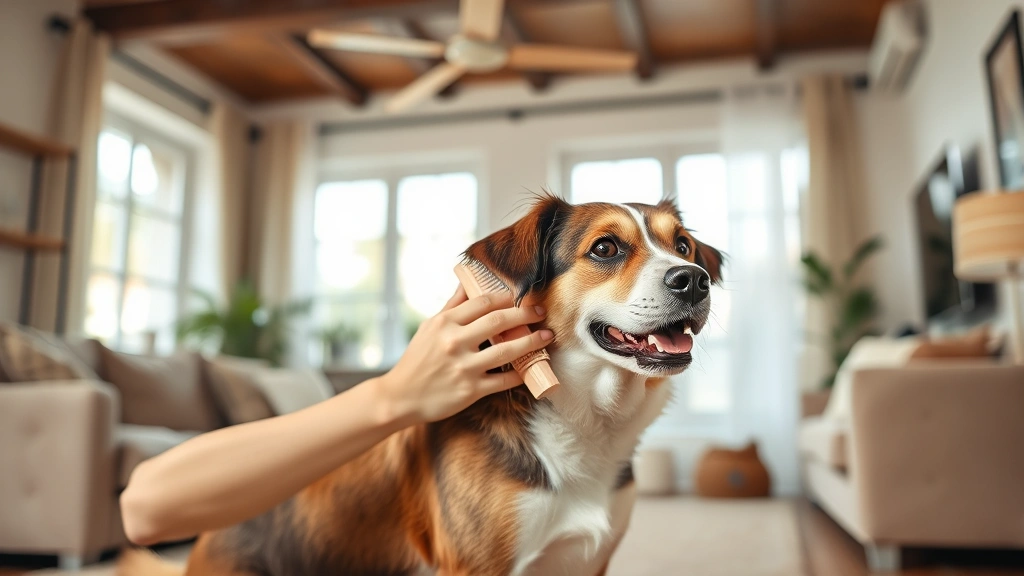
Stress weakens the immune system, making your dog more vulnerable to respiratory infections. Just like in humans, a stressed dog is more likely to get sick.
Maintain a consistent routine, provide plenty of exercise, and create a calm home environment. If your dog experiences anxiety during vet visits or boarding, talk to your veterinarian about strategies to help them cope. Catching stress early puts you in a great position to support their overall health.
Regular Veterinary Check-Ups
Preventive care is where the magic happens. Regular wellness exams allow your vet to catch early signs of respiratory issues before they become serious problems.
During these visits, your vet can listen to your dog’s lungs, assess their overall health, and recommend preventive measures specific to your pup’s age, breed, and lifestyle. Don’t skip annual exams—they’re one of the best investments in your dog’s long-term health. Consider scheduling check-ups at least once a year, or twice yearly for senior dogs.
Avoid Environmental Irritants
Smoke, strong chemicals, and air pollution can irritate your dog’s respiratory tract and make them more susceptible to infection. If you smoke, try to do so outside and away from your pup.
Be cautious with household cleaners, air fresheners, and other chemical products. Many pet-safe alternatives exist that won’t compromise your dog’s respiratory health. Good ventilation when using any cleaning products is also important.
Monitor for Early Warning Signs
Knowing what to look for helps you catch problems early. Common signs of respiratory issues include persistent coughing, sneezing, nasal discharge, lethargy, or difficulty breathing.
If you notice any of these symptoms, don’t panic—early intervention makes a huge difference. If you are unsure whether your pet needs urgent care, a quick telehealth check-in with The Pet Vet can give you peace of mind and help you determine next steps—no appointment needed. Catching this early puts you in a great position to help.
Proper Hydration and Rest
When your dog is fighting off any illness, adequate hydration and rest are essential. Make sure fresh water is always available, and encourage your pup to take it easy if they seem under the weather.
Rest allows the immune system to focus its energy on fighting infection. A cozy, quiet space where your dog can relax without interruption supports the healing process. You might also consider reading about pet hydration after surgery to understand how important fluid intake is during recovery periods.
Understanding Chronic Respiratory Conditions
Some dogs develop chronic respiratory issues like chronic rhinitis in dogs or chronic sinusitis in dogs, which require ongoing management. If your dog has a history of respiratory problems, prevention becomes even more critical.
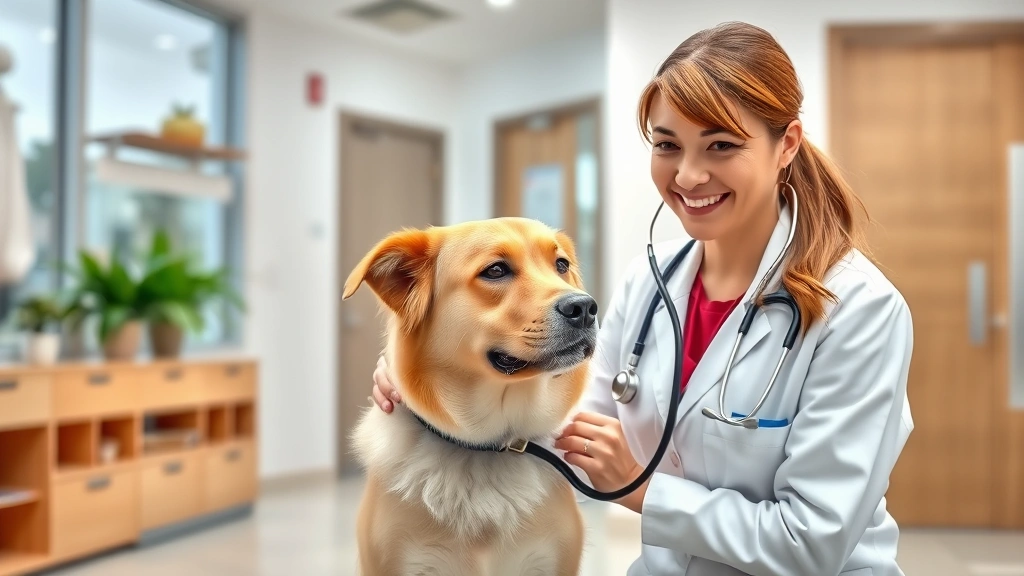
Work closely with your vet to develop a long-term management plan. This might include environmental modifications, dietary adjustments, and regular monitoring. Dogs with chronic conditions benefit from consistent care and attention to prevention strategies.
When to Seek Professional Help
Trust your instincts. If your dog’s symptoms persist for more than a few days, worsen rapidly, or are accompanied by fever or loss of appetite, professional help is needed.
Your veterinarian can perform diagnostic tests to identify the specific cause and recommend appropriate care. Don’t wait if you’re concerned—early treatment prevents complications and gets your dog feeling better faster.
Frequently Asked Questions
How often should my dog be vaccinated against respiratory infections?
Most dogs benefit from initial vaccination followed by regular boosters as recommended by your vet, typically annually or every three years depending on the vaccine and your dog’s risk factors.
Can I prevent respiratory infections entirely?
While you can’t guarantee 100% prevention, following these tips significantly reduces your dog’s risk. Some exposure is normal and actually helps build immunity.
Is kennel cough always serious?
Kennel cough is usually mild and self-limiting, but it can develop into more serious pneumonia in puppies, seniors, or immunocompromised dogs, so monitoring is important.
What’s the difference between a cold and a respiratory infection in dogs?
Dogs don’t catch “colds” like humans do, but they do get respiratory infections from viruses and bacteria that cause similar symptoms like coughing and sneezing.
Should I isolate my dog if they have a respiratory infection?
Yes, keeping an infected dog away from other dogs for at least 2-3 weeks helps prevent spread and is especially important around puppies or senior dogs.
What To Do Now
- Schedule a wellness exam with your veterinarian to discuss your dog’s vaccination status and personalized prevention plan.
- Review your home environment for potential irritants like smoke or harsh chemicals and make adjustments where possible.
- Evaluate your dog’s current diet and consider discussing nutritional support options with your vet to boost immune function.
- If your dog shows any respiratory symptoms, contact your vet or use The Pet Vet telehealth for a quick professional assessment.
- Create a record of your dog’s vaccination dates and health history to track patterns and share with your veterinarian.
Summary: Breathing Easy Starts With Prevention
Protecting your dog from respiratory infections doesn’t require complicated medical knowledge—it comes down to smart, consistent habits. Vaccinations, a clean environment, stress management, and regular vet visits form the foundation of excellent respiratory health.
Remember that every dog is different. What works for one pup might need adjustment for another. Your veterinarian is your best partner in creating a prevention strategy tailored to your dog’s unique needs and lifestyle.
By staying proactive and attentive to your dog’s health, you’re giving them the best chance to live a long, active, and healthy life free from respiratory infections. You’ve got this, and your pup is lucky to have someone who cares this much about their wellbeing.
For more information on related respiratory conditions, explore our guides on chronic rhinitis in dogs and chronic sinusitis in dogs. And remember, The Pet Vet is here whenever you need professional guidance—no appointment required.
This article is for general education and is not a substitute for care from your own veterinarian. Learn about The Pet Vet and our editorial policy.