
If your dog is struggling with a urinary tract infection, you’re not alone—and understanding the dog urinary tract infection causes is the first step toward helping your furry friend feel better. UTIs in dogs can be uncomfortable, frustrating, and sometimes confusing for pet owners who wonder how their pup ended up in this situation in the first place.
Table of Contents
- What Exactly Is a Dog Urinary Tract Infection?
- The Most Common Dog Urinary Tract Infection Causes
- Age and Gender: Risk Factors You Can’t Control
- Underlying Health Conditions That Increase UTI Risk
- Environmental and Behavioral Factors
- Recognizing the Signs: When to Seek Help
- Solution 1: Regular Bathroom Breaks and Hydration
- Solution 2: Maintain Proper Hygiene
- Solution 3: Address Underlying Health Conditions
- Solution 4: Optimize Diet and Nutrition
- Solution 5: Ensure Regular Veterinary Check-ups
- Solution 6: Manage Stress and Anxiety
- Solution 7: Consider Telehealth for Quick Answers
- Understanding Recurrent UTIs
- Preventing Future Infections: Your Action Plan
- Frequently Asked Questions
- What To Do Now
- Summary
This article is for informational purposes only and is not a substitute for professional veterinary advice. Always consult a licensed veterinarian for diagnosis and treatment.
The good news? Most UTIs are treatable, and knowing what triggers them can help you prevent future infections. Let’s explore the common causes and practical solutions that can get your dog back to their happy, healthy self.
What Exactly Is a Dog Urinary Tract Infection?
A urinary tract infection happens when bacteria (or sometimes other microorganisms) invade your dog’s bladder, urethra, or kidneys. Think of it like an unwanted guest moving into your home—once they’re in, they cause inflammation and discomfort.
UTIs are more common than you might think, especially in female dogs. The shorter female urethra makes it easier for bacteria to travel upward into the bladder. Male dogs can get UTIs too, but it’s less frequent.
The Most Common Dog Urinary Tract Infection Causes
Understanding what triggers a UTI is crucial for prevention. Here are the primary culprits:
Bacterial Contamination
Bacteria like E. coli are the leading cause of UTIs in dogs. These bacteria naturally live in the environment and on your dog’s skin, but they shouldn’t be hanging out in the urinary tract. When bacteria enter through the urethra and multiply in the bladder, infection develops.
Incomplete Bladder Emptying
If your dog can’t fully empty their bladder, stagnant urine becomes a breeding ground for bacteria. This is like leaving standing water in a bucket—bacteria love it. Incomplete emptying can result from neurological issues, anatomical problems, or even behavioral factors like not having enough bathroom breaks.
Weakened Immune System
A compromised immune system makes your dog more vulnerable to infections of all kinds, including UTIs. Older dogs, puppies, and those with chronic health conditions are at higher risk. Catching this early puts you in a great position to help.
Anatomical Abnormalities
Some dogs are born with structural issues in their urinary tract that make infections more likely. These might include abnormal tissue growths or malformed passages that trap bacteria.
Age and Gender: Risk Factors You Can’t Control
Female dogs are significantly more prone to UTIs than males—up to four times more likely in some cases. This is purely anatomical; the female urethra is shorter and wider, creating an easier pathway for bacteria.
Senior dogs (ages 7 and older) experience more UTIs than younger adults. As dogs age, their immune systems naturally weaken, and they may develop other health conditions that increase infection risk.
Puppies under one year old can also be vulnerable, especially if they haven’t fully developed their immune defenses. If your puppy is showing signs of a UTI, contact your vet promptly.
Underlying Health Conditions That Increase UTI Risk
Several medical conditions create the perfect storm for urinary tract infections:
- Diabetes: High blood sugar levels can appear in urine, attracting bacteria and making infections more likely.
- Cushing’s Disease: This hormonal disorder suppresses immune function, leaving your dog defenseless against invading bacteria.
- Kidney Disease: Damaged kidneys can’t filter urine effectively, creating an environment where bacteria thrive. Learn more about dog kidney disease causes to better understand this connection.
- Bladder Stones: These mineral deposits irritate the bladder lining and can trap bacteria, making infections more frequent.
- Incontinence: Dogs with urinary incontinence struggle to control urine flow, which can lead to recurrent infections.
If your dog has any of these conditions, work closely with your veterinarian to manage them and reduce UTI risk. Preventive care is especially important here.
Environmental and Behavioral Factors
Sometimes the cause isn’t medical—it’s environmental. Dogs that don’t have regular bathroom breaks are more likely to develop UTIs because urine sits in the bladder longer, giving bacteria time to multiply.
Poor hygiene around the genital area can also contribute. If your dog spends time in dirty environments or doesn’t get regular baths, bacteria can more easily enter the urethra. Female dogs are especially vulnerable if they sit in contaminated areas.
Additionally, some dogs hold their urine for extended periods due to anxiety or behavioral issues. This habit increases infection risk significantly.
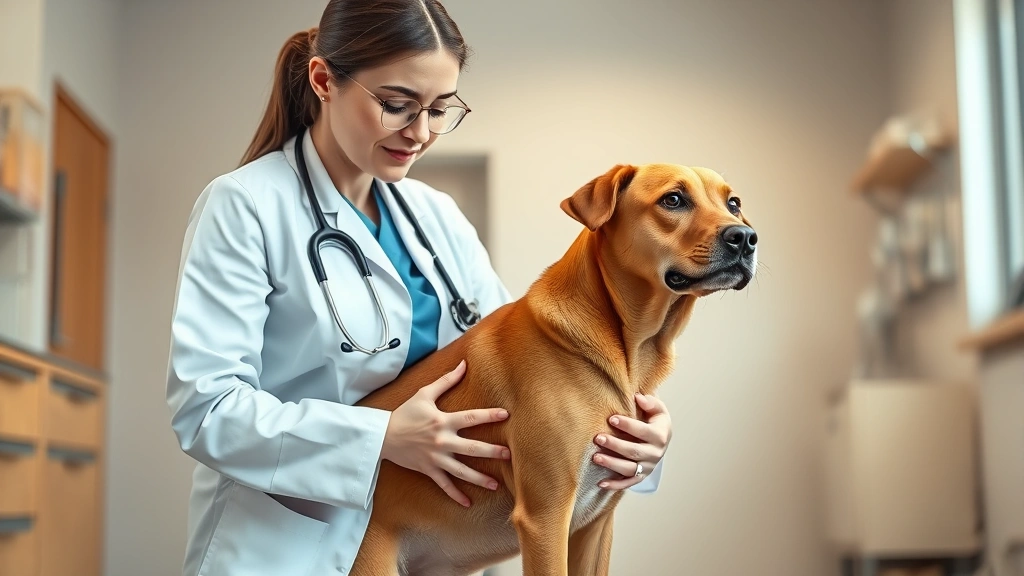
Recognizing the Signs: When to Seek Help
Knowing the causes is great, but recognizing symptoms is equally important. Common signs that your dog may be experiencing a UTI include frequent urination, straining to urinate, accidents in the house, and cloudy or bloody urine.
Some dogs also show behavioral changes like increased anxiety or restlessness. If you notice any of these signs, don’t wait—contact your veterinarian. Early intervention prevents complications and reduces your dog’s discomfort.
For a detailed breakdown of symptoms, check out our guide on dog urinary tract infection symptoms.
Solution 1: Regular Bathroom Breaks and Hydration
Prevention starts with the basics. Ensure your dog has frequent opportunities to urinate—ideally every 4-6 hours for adults, and more often for puppies and seniors.
Proper hydration is equally critical. Fresh water encourages your dog to urinate more frequently, which naturally flushes bacteria from the bladder. Think of it as a natural cleaning system.
Monitor your dog’s water intake and ensure they’re drinking adequately throughout the day. Some dogs need encouragement; try adding a bit of low-sodium broth to their water bowl.
Solution 2: Maintain Proper Hygiene
Keep the area around your dog’s genital region clean and dry. Regular baths help, and for female dogs, gently wiping the area after bathroom breaks can reduce bacterial contamination.
If your dog spends time outdoors, rinse their hindquarters occasionally, especially after playing in dirty or wet environments. This simple step significantly reduces infection risk.
Solution 3: Address Underlying Health Conditions
If your dog has diabetes, kidney disease, or other conditions increasing UTI risk, managing these conditions becomes your best defense. Work with your veterinarian to create a comprehensive health plan.
Regular check-ups allow your vet to catch problems early and adjust treatment as needed. This proactive approach prevents UTIs before they start.
Solution 4: Optimize Diet and Nutrition
A balanced diet supports immune function and overall urinary health. Some veterinarians recommend diets formulated to promote urinary tract health, particularly for dogs prone to infections.
Avoid foods that may irritate the bladder or contribute to infections. Learn more about foods dogs should avoid to make informed dietary choices.
If your dog has specific health conditions, ask your vet about prescription diets designed to support urinary health.
Solution 5: Ensure Regular Veterinary Check-ups
Routine wellness exams allow your vet to catch early signs of UTIs or underlying conditions before they become serious. Annual check-ups are standard, but senior dogs benefit from twice-yearly visits.
During these visits, your vet can perform urinalysis to screen for infection, even if your dog isn’t showing symptoms yet.
Solution 6: Manage Stress and Anxiety
Stress can suppress immune function and cause behavioral changes that increase UTI risk. Dogs with anxiety may hold their urine longer, creating an ideal environment for bacterial growth.
Provide a calm environment, regular exercise, and mental stimulation. If your dog struggles with anxiety, talk to your vet about behavioral strategies or support options.
Solution 7: Consider Telehealth for Quick Answers
If you suspect your dog has a UTI but aren’t sure whether it requires urgent care, a quick telehealth check-in can give you peace of mind—no appointment needed. The Pet Vet offers convenient access to licensed veterinarians who can discuss symptoms, answer questions, and recommend next steps.
This option is especially helpful for first-time pet owners or those uncertain about whether symptoms warrant an emergency visit.
Understanding Recurrent UTIs
Some dogs experience repeated infections despite treatment. This often signals an underlying issue that needs investigation—anatomical abnormalities, incomplete bladder emptying, or chronic health conditions.
If your dog has more than two UTIs in six months, ask your vet about advanced diagnostics like ultrasound or specialized urine cultures. Identifying the root cause allows for targeted prevention.
For more comprehensive information, explore our guide on urinary tract disease in dogs.
Preventing Future Infections: Your Action Plan
Prevention is always easier than treatment. By understanding dog urinary tract infection causes and taking proactive steps, you dramatically reduce your dog’s infection risk.
Start with the basics: frequent bathroom breaks, fresh water, good hygiene, and regular vet check-ups. For dogs with risk factors, add extra vigilance and closer monitoring.
Remember, you know your dog best. If something feels off, trust your instincts and reach out to your veterinarian. Early intervention makes all the difference.
Frequently Asked Questions
Can a dog’s UTI go away on its own?
While mild cases occasionally resolve independently, most UTIs require veterinary treatment to prevent complications. Untreated infections can spread to the kidneys, causing serious illness.
How long does it take to treat a dog UTI?
Most UTIs respond to treatment within 7-14 days, though your vet may recommend extended monitoring to ensure complete resolution.
Are male dogs less likely to get UTIs?
Yes, male dogs are significantly less prone to UTIs due to their longer, narrower urethra, which makes it harder for bacteria to travel upward.
Can diet alone prevent UTIs?
Diet plays a supportive role, but prevention requires a multi-faceted approach including hydration, hygiene, regular bathroom breaks, and veterinary care.
What should I do if my dog keeps getting UTIs?
Recurrent infections require investigation into underlying causes. Work with your vet to identify anatomical issues, health conditions, or behavioral factors contributing to repeated infections.
What To Do Now
- Schedule a vet appointment: If your dog shows signs of a UTI, contact your veterinarian for evaluation and urinalysis. Early diagnosis prevents complications.
- Increase bathroom breaks: Ensure your dog has opportunities to urinate every 4-6 hours, and provide constant access to fresh water.
- Maintain hygiene: Keep the genital area clean and dry, especially for female dogs. Gently wipe after outdoor time or bathroom breaks.
- Review your dog’s health history: Identify any underlying conditions (diabetes, kidney disease, etc.) that increase UTI risk and work with your vet to manage them.
- Consider a telehealth consultation: If you’re unsure about symptoms or need quick guidance, The Pet Vet’s telehealth service offers convenient access to licensed veterinarians without the wait.
Summary
Dog urinary tract infection causes range from bacterial contamination and incomplete bladder emptying to underlying health conditions and anatomical factors. Understanding these causes empowers you to take preventive action and recognize warning signs early.
By implementing the seven solutions outlined—regular bathroom breaks, proper hydration, good hygiene, health management, optimal nutrition, veterinary care, and stress reduction—you can significantly reduce your dog’s UTI risk.
Remember, your dog depends on you to notice changes and act quickly. If you suspect a UTI, don’t hesitate to reach out to your veterinarian or explore convenient telehealth options. Your vigilance today prevents suffering tomorrow.
This article is for general education and is not a substitute for care from your own veterinarian. Learn about The Pet Vet and our editorial policy.