
If your dog is experiencing painful urination, frequent bathroom trips, or cloudy urine, you’re probably wondering what role dog urinary tract infection foods to avoid might play in their recovery. The good news is that diet can be a powerful tool in supporting your dog’s urinary health alongside veterinary treatment.
Table of Contents
- Understanding Dog UTIs and Diet Connection
- Why Certain Foods Trigger UTI Complications
- Avoid High-Magnesium Foods and Supplements
- Eliminate Acidic and Irritating Ingredients
- Skip High-Sodium and Processed Foods
- Limit Protein-Heavy and Purine-Rich Foods
- Steer Clear of Grain-Based and Allergy-Prone Ingredients
- Avoid Excess Water-Soluble Minerals
- What to Feed Your Dog Instead: Healing Alternatives
- Supporting Recovery Beyond Diet
- When to Seek Professional Help
- Frequently Asked Questions
- Summary: Taking Action for Your Dog’s Urinary Health
- What To Do Now
This article is for informational purposes only and is not a substitute for professional veterinary advice. Always consult a licensed veterinarian for diagnosis and treatment.
A urinary tract infection (UTI) in dogs is uncomfortable and stressful for both pet and owner. While antibiotics prescribed by your vet are essential, what you feed your dog during and after treatment matters more than many pet parents realize. Certain foods can irritate the bladder, promote bacterial growth, or interfere with recovery. Understanding which ingredients to eliminate from your dog’s bowl is the first step toward getting them back to their happy, healthy self.
Understanding Dog UTIs and Diet Connection
Your dog’s urinary tract health is directly influenced by what goes into their body. When a UTI occurs, the bladder lining becomes inflamed and sensitive. Feeding the wrong foods during this vulnerable time can prolong discomfort and delay healing.
The connection between nutrition and urinary health isn’t accidental. Certain nutrients and food components affect urine pH, mineral balance, and bacterial growth. By strategically removing problematic ingredients, you’re creating an internal environment where healing can happen faster.
Catching this early and making dietary adjustments puts you in a great position to support your dog’s recovery.
Why Certain Foods Trigger UTI Complications
Not all dog foods are created equal, especially when UTIs are involved. Some ingredients actively work against your dog’s healing process by increasing inflammation or altering urine composition.
Foods high in certain minerals can create an environment where bacteria thrive. Others contain additives and preservatives that stress the kidneys and bladder. Even seemingly healthy ingredients can become problematic when your dog’s urinary system is already compromised.
Think of your dog’s bladder like a sensitive wound—you wouldn’t pour irritating substances on a cut, so why feed them to an inflamed urinary tract?
Avoid High-Magnesium Foods and Supplements
Magnesium is a mineral that directly influences urine pH and mineral crystal formation. During a UTI, excess magnesium can exacerbate inflammation and create conditions where bacteria multiply.
Foods and supplements to eliminate include:
- Certain commercial dry kibbles (especially budget brands with high ash content)
- Bone meal supplements
- Kelp and seaweed-based treats
- Some fish-based supplements
- Pumpkin seed supplements (in large quantities)
Your vet may recommend a prescription urinary diet specifically formulated to maintain balanced mineral levels. These diets are scientifically designed to support recovery, unlike over-the-counter options that often contain excessive minerals.
Eliminate Acidic and Irritating Ingredients
Acidic foods can irritate an already inflamed bladder. While some acidity in urine is normal, during active infection you want to minimize additional irritation.
Cut out these acidic culprits:
- Citrus fruits and juices
- Tomato-based treats or foods
- Vinegar (including apple cider vinegar)
- Cranberry supplements (counterintuitively, these are too acidic during active infection)
- Fatty meats and organ meats high in purines
Your dog’s urinary tract needs a break from these irritants. Once your vet confirms the infection has cleared, you can gradually reintroduce some foods, but during treatment, elimination is key.
Skip High-Sodium and Processed Foods
Excess sodium forces the kidneys to work harder and can concentrate urine in ways that promote bacterial growth. Processed foods are loaded with sodium and often contain artificial preservatives that stress the urinary system.
Avoid these processed options:
- Commercial dog treats with artificial flavors or colors
- Canned foods with high sodium content
- Human food scraps (especially salty items)
- Processed deli meats
- Fast food or restaurant meals
When in doubt, stick to whole, fresh foods that your vet approves. This temporary restriction is about supporting healing, not permanent deprivation.
Limit Protein-Heavy and Purine-Rich Foods
While protein is essential, certain high-protein foods create metabolic byproducts that stress the urinary system during infection. Purines—compounds found in some proteins—break down into uric acid, which can irritate the bladder.
Temporarily reduce or eliminate:
- Organ meats (liver, kidney, heart)
- Game meats (venison, duck)
- Certain fish (anchovies, sardines)
- High-protein commercial treats
- Beef in large quantities
This doesn’t mean your dog should eat a protein-free diet. Rather, focus on moderate amounts of lean, easily digestible proteins like chicken breast or turkey, which your vet recommends for urinary tract infection diet management.
Steer Clear of Grain-Based and Allergy-Prone Ingredients
Some grains and common allergens trigger inflammation throughout the body, including the urinary tract. If your dog has any food sensitivities, UTI recovery is not the time to test them.
Foods that may cause sensitivity issues:
- Wheat and wheat gluten
- Corn and corn meal
- Soy products
- Artificial sweeteners (especially xylitol, which is toxic)
- Foods your dog has shown sensitivity to in the past
If you’re unsure whether your dog has food allergies, your vet can help identify them. An elimination diet feeding plan might be recommended to pinpoint problem ingredients while your dog recovers from their UTI.
Avoid Excess Water-Soluble Minerals
Minerals like phosphorus and calcium can form crystals in concentrated urine, creating an environment where bacteria thrive. During UTI treatment, mineral balance is critical.
Watch out for:
- Hard tap water (consider filtered or distilled water)
- Mineral supplements
- Dairy products in excess
- Foods fortified with multiple minerals
- Homemade diets without veterinary guidance
Your vet may recommend a specific mineral profile for your dog’s water and food. This precision matters when you’re trying to restore urinary health. Learn more about urinary tract disease in dogs and how diet plays a protective role.
What to Feed Your Dog Instead: Healing Alternatives
Now that you know what to avoid, let’s talk about what actually supports recovery. Your dog’s temporary diet during UTI treatment should be bland, easily digestible, and specifically formulated for urinary health.
Recommended foods and approaches:
- Prescription urinary diets: These are formulated by veterinary nutritionists specifically for UTI recovery
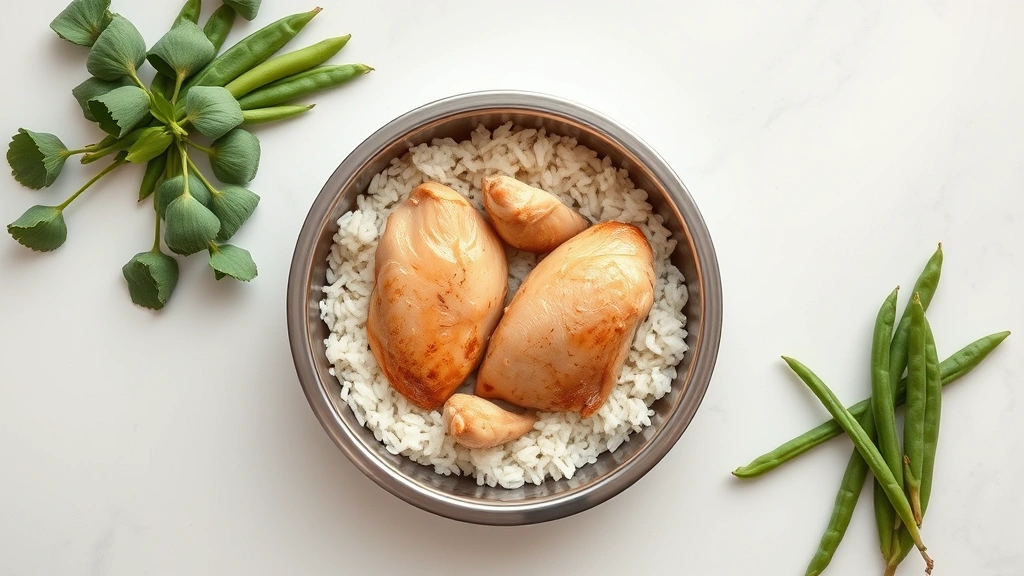
- Boiled chicken breast: Plain, unseasoned, and easy on the digestive and urinary systems
- White rice: Bland carbohydrate that doesn’t irritate the bladder
- Plain sweet potato: Nutritious and gentle on the system
- Cooked green beans: Low-mineral vegetables that are safe and nutritious
- Adequate water intake: Proper hydration flushes bacteria from the system
Your vet will provide specific feeding instructions based on your dog’s individual needs and severity of infection. Follow their guidance closely for best results.
Supporting Recovery Beyond Diet
While diet is crucial, complete recovery involves multiple factors. Antibiotics prescribed by your vet are essential—don’t skip doses even if your dog seems better.
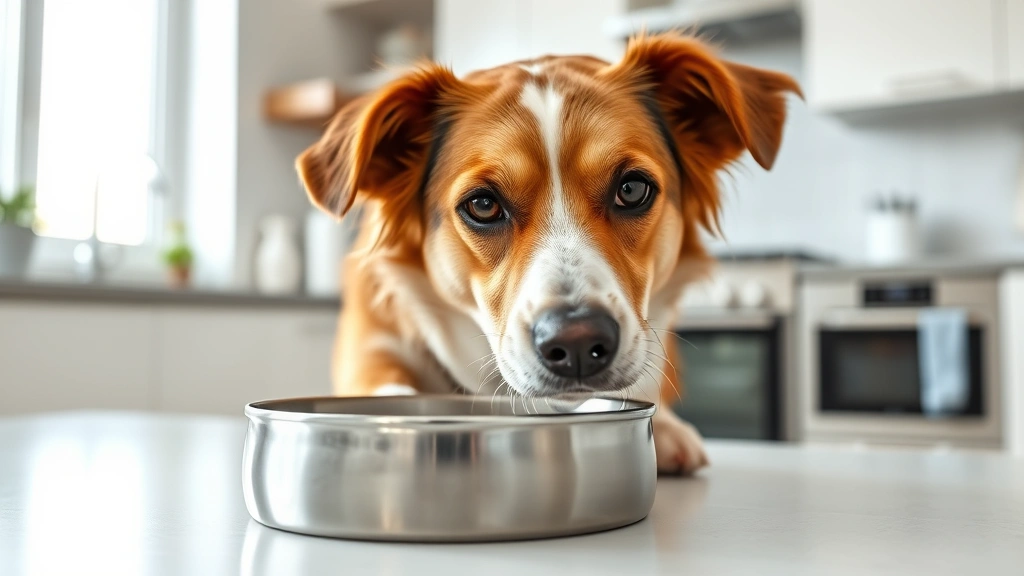
Additional recovery support includes:
- Ensuring frequent bathroom breaks to empty the bladder
- Maintaining consistent hydration (encourage drinking without forcing)
- Completing the full course of antibiotics
- Follow-up urinalysis to confirm the infection has cleared
- Stress reduction and gentle exercise
Recovery typically takes 7-14 days with proper treatment. If symptoms persist beyond this timeframe, contact your vet immediately for evaluation.
When to Seek Professional Help
While dietary adjustments support recovery, they’re not a substitute for veterinary care. Your dog needs professional diagnosis and treatment to fully recover from a UTI.
Contact your vet immediately if your dog shows:
- Inability to urinate or complete urination
- Blood in urine
- Severe lethargy or loss of appetite
- Fever or signs of systemic illness
- Symptoms that worsen despite treatment
If you are unsure whether your pet needs urgent care, a quick telehealth check-in can give you peace of mind—no appointment needed. The Pet Vet’s telehealth service makes it easy to get professional guidance without leaving home.
Frequently Asked Questions
Can I treat my dog’s UTI with diet alone?
No. While diet supports recovery, antibiotics prescribed by your vet are essential to eliminate the bacterial infection. Diet is a complementary tool, not a replacement for veterinary treatment.
How long should I keep my dog on a restricted diet?
Most vets recommend maintaining a restricted urinary diet for 2-4 weeks after infection clears, then gradually reintroducing normal foods. Always follow your vet’s specific timeline for your dog.
Is wet or dry food better for a dog with a UTI?
Wet or canned prescription urinary diets are often preferred because they increase water content and dilute urine, helping flush bacteria. Your vet will recommend the best option for your dog.
Can probiotics help prevent future UTIs?
Some research suggests probiotics may support urinary health, but discuss this with your vet before adding supplements. Quality matters, and not all probiotics are appropriate during active infection.
Should I switch to a homemade diet for UTI prevention?
Homemade diets can work, but they require veterinary nutritionist guidance to ensure proper mineral balance and nutrient content. Poorly formulated homemade diets may actually increase UTI risk.
Summary: Taking Action for Your Dog’s Urinary Health
Managing dog urinary tract infection foods to avoid is one of the most practical steps you can take to support your dog’s recovery. By eliminating high-magnesium foods, acidic ingredients, processed items, and excess minerals, you’re creating an internal environment where healing thrives.
Remember: diet works best alongside veterinary treatment, not instead of it. Your vet’s antibiotics eliminate the infection, while your dietary choices support the healing process and reduce discomfort.
The temporary dietary restrictions might feel limiting, but they’re temporary. Most dogs return to normal eating within a few weeks of recovery. Your dog’s comfort and health are worth the short-term adjustment.
What To Do Now
- Schedule a vet appointment immediately if your dog hasn’t been diagnosed yet. Describe symptoms like frequent urination, straining, or cloudy urine to get a proper diagnosis.
- Ask your vet for a prescription urinary diet specifically formulated for UTI recovery, along with a detailed list of foods to avoid for your dog’s individual case.
- Remove problematic foods today from your home—especially high-magnesium kibbles, processed treats, and acidic ingredients—to prevent accidental feeding.
- Ensure fresh, filtered water is always available and encourage drinking to support natural bladder flushing throughout recovery.
- Set a follow-up appointment for a urinalysis after completing antibiotics to confirm the infection has fully cleared before returning to normal food.
Your dog is counting on you to make informed choices during this uncomfortable time. By understanding what to avoid and what to feed instead, you’re giving your furry friend the best chance at a full, speedy recovery.