
Noticing your dog drinking more water than usual or losing weight despite a healthy appetite can be frightening, but recognizing dog diabetes early signs is one of the most powerful things you can do for your pet’s health and longevity.
Table of Contents
- Understanding Canine Diabetes: What’s Actually Happening
- Increased Thirst: Often the First Red Flag
- Frequent Urination: The Connected Symptom
- Unexplained Weight Loss Despite Eating Well
- Increased Appetite: Your Dog Seems Constantly Hungry
- Lethargy and Reduced Activity Levels
- Cloudy Eyes or Vision Changes
- Sweet-Smelling Breath: A Less Common But Important Sign
- Related Conditions: When Diabetes Isn’t Acting Alone
- What To Do Now: Taking Action
- The Diagnostic Process: What Your Vet Will Do
- Management and Prognosis: Hope for Your Dog
- Frequently Asked Questions
- Summary: You’re Not Powerless
This article is for informational purposes only and is not a substitute for professional veterinary advice. Always consult a licensed veterinarian for diagnosis and treatment.
Diabetes in dogs is more common than many pet owners realize. The good news? When caught early, it’s highly manageable. Your dog can live a long, happy life with proper monitoring and care. Let’s walk through the warning signs that deserve your attention.
Understanding Canine Diabetes: What’s Actually Happening
Diabetes occurs when your dog’s body struggles to regulate blood sugar levels. This happens because the pancreas either isn’t producing enough insulin or the body can’t use insulin effectively. Think of insulin as a key that unlocks cells so glucose can enter and provide energy.
Without proper insulin function, sugar builds up in the bloodstream while your dog’s cells are essentially starving for fuel. This creates a cascade of symptoms that develop over weeks or months. The earlier you spot these changes, the sooner your vet can intervene.
Increased Thirst: Often the First Red Flag
One of the earliest dog diabetes early signs is excessive drinking. Your dog may suddenly seem obsessed with their water bowl, refilling it multiple times throughout the day. Some owners describe it as their dog “living at the water bowl.”
This happens because high blood sugar levels pull water from cells into the bloodstream, triggering intense thirst. If your dog’s water consumption has doubled or tripled recently, this warrants a vet visit. Catching this early puts you in a great position to help.
Pay attention to any changes in your dog’s normal habits. Even subtle increases over a few weeks are worth noting.
Frequent Urination: The Connected Symptom
When your dog drinks more, they naturally urinate more frequently. You might notice your pup asking to go outside more often than usual, or perhaps having accidents indoors despite being housetrained.
Some dogs may even develop incontinence issues or seem unable to hold their bladder through the night. This happens because excess glucose in the bloodstream gets filtered through the kidneys into the urine, and the extra glucose pulls water along with it, creating larger volumes of dilute urine.
If your senior dog suddenly needs bathroom breaks every 2-3 hours instead of their usual 6-8 hour schedule, diabetes could be the culprit.
Unexplained Weight Loss Despite Eating Well
Here’s a paradox that confuses many pet owners: your dog eats normally or even seems hungrier than before, yet they’re losing weight. This is a classic sign that something metabolic is wrong.
When cells can’t access glucose properly, your dog’s body breaks down muscle and fat for energy instead. This leads to visible weight loss, especially in the hind legs and along the spine. Some owners describe their dog’s ribs becoming more prominent or their waist appearing narrower.
Weight loss combined with increased appetite is particularly suspicious for diabetes. Your vet will want to investigate this pattern immediately. This symptom often appears alongside muscle wasting in dogs, which can affect mobility and quality of life.
Increased Appetite: Your Dog Seems Constantly Hungry
Paradoxically, many diabetic dogs develop ravenous appetites. Your pup may beg for food more persistently, seem dissatisfied after meals, or act like they’re perpetually starving. This is because their cells aren’t receiving the glucose they need for energy.

The body sends hunger signals to the brain, trying to get more fuel. But no matter how much your dog eats, those calories aren’t being utilized effectively. It’s a frustrating cycle for both you and your pet.
If your dog’s food intake has increased significantly while their weight has decreased, diabetes is high on the differential diagnosis list.
Lethargy and Reduced Activity Levels
A diabetic dog often seems less interested in activities they once enjoyed. Playtime becomes shorter. Walks feel slower. Your energetic companion might spend more time resting or seem generally fatigued.
This fatigue occurs because their cells are literally starved for glucose energy. Even though your dog is eating, the food isn’t being converted into usable energy effectively. The result is a dog that seems older or more tired than their actual age.
Some owners notice their dog doesn’t greet them at the door with the same enthusiasm or seems reluctant to climb stairs. These subtle behavioral changes matter.
Cloudy Eyes or Vision Changes
Diabetes can affect the lens of your dog’s eye, potentially causing cataracts to develop relatively quickly. You might notice your dog’s eyes appearing cloudy or bluish, or you may observe them being more cautious about navigating familiar spaces.
Some dogs develop sudden vision problems, becoming hesitant in dim lighting or bumping into objects they normally avoid. This occurs because high blood sugar levels can cause the lens to swell and change shape.
While cataracts aren’t always reversible, managing blood sugar levels can sometimes slow their progression. Early detection is crucial.
Sweet-Smelling Breath: A Less Common But Important Sign
In more advanced cases, you might notice your dog’s breath smells fruity or unusually sweet. This is a sign that ketones are building up in their bloodstream—a more serious metabolic state that requires immediate veterinary attention.
This symptom suggests your dog’s diabetes may be progressing toward diabetic ketoacidosis, a medical emergency. If you notice this along with vomiting, difficulty breathing, or extreme lethargy, seek veterinary care immediately.
Most dogs won’t reach this stage if caught earlier, which is why recognizing the earlier signs is so important.
Related Conditions: When Diabetes Isn’t Acting Alone
Diabetes doesn’t always travel solo. Some dogs with diabetes also develop urinary tract infections because high glucose levels in urine create an ideal environment for bacteria. Additionally, diabetic dogs are at higher risk for kidney disease early signs, which can compound health challenges.
Your vet will likely recommend comprehensive bloodwork and urinalysis to check for these related conditions. Understanding the full picture of your dog’s health helps create the most effective treatment plan.
What To Do Now: Taking Action
- Schedule a veterinary appointment: Call your vet this week if you’ve noticed any combination of increased thirst, frequent urination, weight loss, or increased appetite. Bring a list of symptoms and when you first noticed them.
- Keep a symptom journal: Note specific changes—how many times your dog drinks, eats, and urinates daily. Include any behavioral changes. This information helps your vet tremendously.
- Collect a fresh urine sample: If possible, bring a fresh urine sample to your appointment. Your vet will perform a urinalysis, which is a key diagnostic tool for diabetes.
- Consider a telehealth consultation: If you’re unsure whether your pet needs urgent care, a quick telehealth check-in can give you peace of mind—no appointment needed. The Pet Vet can help you determine if symptoms warrant an immediate in-person visit.
- Discuss diet and lifestyle: Ask your vet about dietary adjustments and exercise modifications that support metabolic health while your dog is being evaluated.
The Diagnostic Process: What Your Vet Will Do
Your veterinarian will typically perform a physical examination followed by blood tests and urinalysis. A fasting blood glucose test and a test called fructosamine (which shows average glucose levels over 2-3 weeks) help confirm diagnosis.
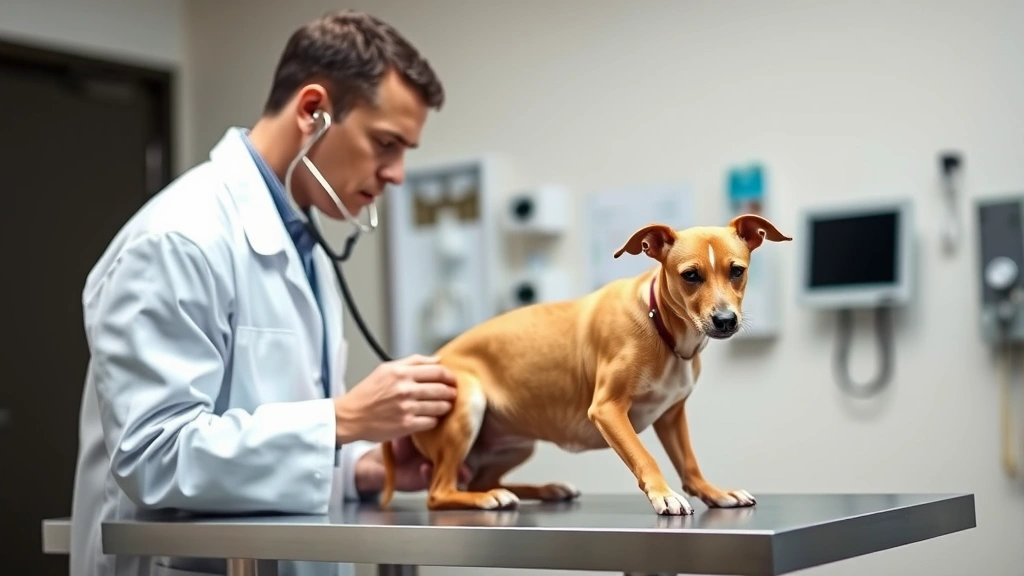
Your vet may also recommend a complete metabolic panel to check kidney function and other organ systems. This comprehensive approach ensures your vet understands your dog’s overall health status before recommending treatment.
Don’t hesitate to ask your vet questions about the testing process and what the results mean for your dog’s specific situation.
Management and Prognosis: Hope for Your Dog
The encouraging truth: many dogs with diabetes live normal lifespans with proper management. Most dogs require insulin injections, which owners learn to administer easily at home. Some dogs may achieve remission with diet changes and weight management, especially if caught very early.
Your dog’s quality of life doesn’t need to suffer. With monitoring, medication, and lifestyle adjustments, diabetic dogs thrive. Many owners report that once their dog’s blood sugar is regulated, they see their pet’s energy and personality return.
The key is consistency with treatment and regular monitoring to adjust insulin doses as needed.
Frequently Asked Questions
Can dog diabetes be prevented?
While you can’t prevent all cases, maintaining a healthy weight, providing regular exercise, and feeding a balanced diet significantly reduce risk. Genetics and age also play roles, but prevention strategies help.
Is dog diabetes curable?
Some dogs achieve remission with early detection and aggressive dietary management, especially if overweight. However, most require lifelong insulin therapy. “Remission” means your dog no longer needs insulin, but regular monitoring continues.
How much does diabetes treatment cost?
Costs vary widely depending on insulin type, monitoring frequency, and your location. Initial diagnosis typically costs $200-500, with ongoing monthly costs of $50-200 for insulin and supplies.
Can I give my dog insulin myself?
Yes, most owners successfully administer insulin at home after training from their veterinarian. The injections are small, and most dogs tolerate them well once routine is established.
What’s the difference between Type 1 and Type 2 diabetes in dogs?
Dogs primarily develop Type 1 diabetes (pancreas doesn’t produce enough insulin). Type 2 (insulin resistance) is less common in dogs but may occur in obese dogs. Your vet will clarify which type your dog has.
Summary: You’re Not Powerless
Recognizing dog diabetes early signs puts you in control. Increased thirst, frequent urination, unexplained weight loss despite good appetite, lethargy, and increased hunger are your dog’s way of telling you something needs attention. None of these symptoms should be ignored, but they’re also not automatically a death sentence.
Dogs with diabetes live wonderful, full lives when their condition is managed properly. Your veterinarian is your partner in this journey. Early detection transforms the outcome dramatically.
If you’re seeing any of these signs in your dog, reach out to your vet today. Your attentiveness to your dog’s health is already making a difference.
This article is for general education and is not a substitute for care from your own veterinarian. Learn about The Pet Vet and our editorial policy.