
If you’ve noticed your dog drinking more water than usual or losing weight despite eating normally, you’re right to be concerned—these could be early warning signs of dog diabetes, and knowing when to see a vet can make all the difference in your pet’s long-term health and quality of life.
Table of Contents
- What Is Dog Diabetes and Why It Matters
- Sign #1: Excessive Thirst and Frequent Urination
- Sign #2: Unexplained Weight Loss Despite Normal Appetite
- Sign #3: Increased Appetite and Food-Seeking Behavior
- Sign #4: Lethargy and Loss of Interest in Activities
- Sign #5: Cloudy Eyes or Vision Changes
- Sign #6: Sweet-Smelling Breath or Fruity Odor
- Sign #7: Vomiting, Loss of Appetite, or Weakness
- When to Schedule a Regular Vet Appointment
- When to Seek Urgent or Emergency Care
- The Importance of Early Detection
- What to Expect at the Vet
- Managing Diabetes Long-Term
- Summary: Taking Action on Dog Diabetes
- Frequently Asked Questions
- What To Do Now
This article is for informational purposes only and is not a substitute for professional veterinary advice. Always consult a licensed veterinarian for diagnosis and treatment.
Discovering that your beloved dog might have diabetes can feel overwhelming. But here’s the good news: with early detection and proper management, many dogs with diabetes live long, happy lives. The key is recognizing the warning signs early and getting your pup to a veterinarian promptly.
What Is Dog Diabetes and Why It Matters
Diabetes in dogs occurs when the pancreas doesn’t produce enough insulin or the body can’t use insulin effectively. This disrupts your dog’s ability to regulate blood sugar levels. Without proper management, diabetes can lead to serious complications affecting your dog’s eyes, kidneys, and nervous system.
The good news? Catching diabetes early puts you in a great position to help your dog live comfortably for years to come. Early intervention often means better outcomes and fewer complications down the road.
Sign #1: Excessive Thirst and Frequent Urination
One of the earliest and most noticeable signs of dog diabetes is increased water consumption. Your dog might be refilling their water bowl more often or asking to go outside to urinate much more frequently than usual.
This happens because high blood sugar levels force the kidneys to work overtime, pulling water from your dog’s tissues. Your pup feels thirsty constantly and produces more urine as a result. If your dog is suddenly having accidents in the house after being housetrained, this could be a red flag.
What to do: Monitor your dog’s water intake for a few days. If the increase persists beyond normal seasonal changes or activity levels, schedule a vet visit.
Sign #2: Unexplained Weight Loss Despite Normal Appetite
It might seem contradictory, but diabetic dogs often eat normally—or even more than usual—while still losing weight. This happens because their cells can’t access glucose for energy, so the body starts breaking down muscle and fat stores instead.
You might notice your dog’s ribs becoming more visible, a thinner waist, or a less full face. This weight loss can happen gradually or quite rapidly, depending on how advanced the condition is.
Catching this early puts you in a great position to prevent further complications. Rapid weight loss combined with increased appetite is a classic diabetes pattern worth investigating immediately.
Sign #3: Increased Appetite and Food-Seeking Behavior
Many diabetic dogs develop what seems like an insatiable appetite. Your pup may beg for food more persistently, scavenge from the trash, or seem never satisfied after meals. This occurs because their cells are starving for glucose, even though blood sugar levels are actually high.
The contrast between increased eating and weight loss is particularly telling. If you’re feeding your dog the same amount but they’re acting hungrier than ever, diabetes could be the culprit.
Sign #4: Lethargy and Loss of Interest in Activities
Does your normally playful dog seem tired all the time? Diabetic dogs often experience fatigue and reduced energy levels because their cells aren’t getting the fuel they need. Your pup might skip their favorite walk, show less interest in toys, or spend more time sleeping than usual.

This sluggishness can develop gradually, so you might not notice it immediately. But if your dog seems unusually withdrawn or less enthusiastic about activities they once loved, it’s worth mentioning to your vet.
Sign #5: Cloudy Eyes or Vision Changes
High blood sugar can affect the lens of your dog’s eye, sometimes causing a cloudy appearance. In some cases, dogs develop cataracts as a complication of diabetes. You might notice your dog bumping into furniture, being hesitant in dim light, or appearing confused about their surroundings.
Vision changes can develop surprisingly quickly in diabetic dogs, sometimes over just a few weeks. If you notice any cloudiness in your dog’s eyes or behavioral changes suggesting vision loss, contact your vet promptly.
Sign #6: Sweet-Smelling Breath or Fruity Odor
In more advanced cases of uncontrolled diabetes, you might notice your dog’s breath has an unusual sweet or fruity smell. This occurs when the body breaks down fat for energy, producing ketones that create this distinctive odor. This sign suggests your dog’s diabetes has progressed and needs immediate veterinary attention.
Don’t wait if you notice this symptom. Sweet-smelling breath combined with other diabetes signs warrants an urgent vet visit.
Sign #7: Vomiting, Loss of Appetite, or Weakness
In severe or unmanaged cases, diabetic dogs may experience vomiting, sudden loss of appetite, or extreme weakness. These symptoms can indicate diabetic ketoacidosis, a serious and potentially life-threatening condition requiring emergency veterinary care.
If your dog is vomiting, refusing food, or seems severely lethargic, seek veterinary care immediately. This is not a wait-and-see situation.
When to Schedule a Regular Vet Appointment
If you’ve noticed one or two mild signs—like slightly increased water intake or modest weight loss—schedule a regular veterinary appointment within the next week or two. Your vet can run blood and urine tests to check for diabetes.
Bring a list of symptoms you’ve observed and when they started. The more information you provide, the better your vet can assess your dog’s situation. Many cases of dog diabetes are caught during routine wellness exams, so don’t hesitate to bring up even subtle changes.
When to Seek Urgent or Emergency Care
Certain signs warrant immediate veterinary attention. If your dog is experiencing vomiting, severe lethargy, difficulty breathing, or signs of extreme distress, head to an emergency vet clinic right away. These symptoms could indicate diabetic ketoacidosis or another serious condition.
If you’re unsure whether your pet needs urgent care, a quick telehealth check-in with The Pet Vet can give you peace of mind—no appointment needed. Our veterinarians can help you assess whether your dog needs emergency care or can wait for a regular appointment.
The Importance of Early Detection
Dogs diagnosed with diabetes in early stages often respond better to treatment and management. Early detection can mean the difference between managing diabetes with diet and medication versus dealing with serious complications like kidney disease or blindness.
Regular wellness exams become even more important as your dog ages. Senior dogs (typically 7 years and older) are at higher risk for diabetes, so annual or twice-yearly vet visits are especially valuable. If you have a senior dog, don’t skip these appointments.
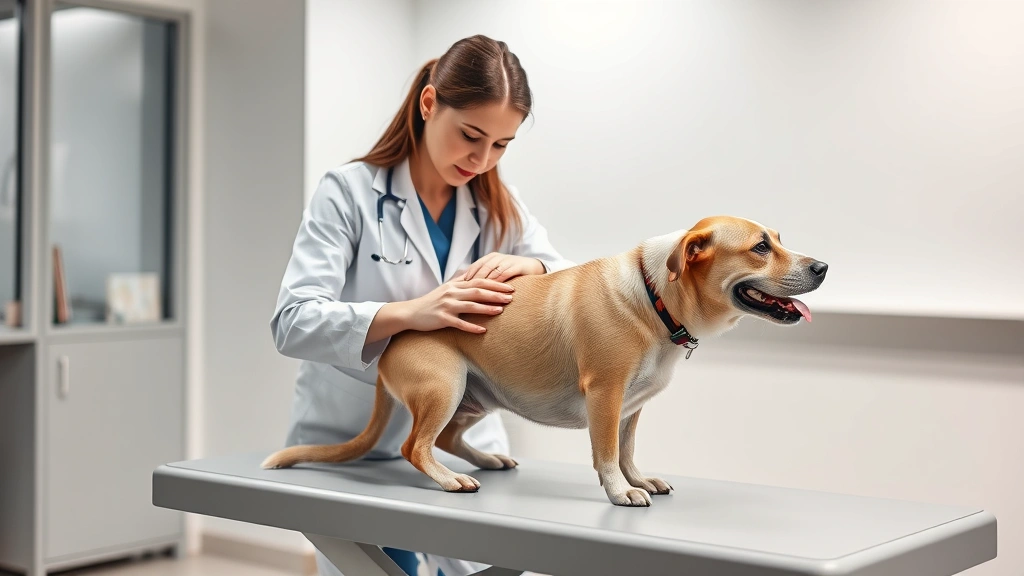
What to Expect at the Vet
When you bring your dog in with suspected diabetes, your vet will likely perform a physical exam and run blood and urine tests. These tests measure glucose levels and look for glucose in the urine, which helps confirm a diabetes diagnosis.
Your vet might also check for related conditions like dog kidney disease early signs or dog urinary tract infection early signs, as diabetes can be connected to these issues. Once diagnosed, your vet will discuss treatment options, which may include insulin therapy, dietary changes, and lifestyle modifications.
Managing Diabetes Long-Term
If your dog is diagnosed with diabetes, don’t lose hope. Many diabetic dogs thrive with proper management. Treatment typically involves insulin injections (which many owners learn to give at home), a consistent diet, regular exercise, and frequent monitoring.
Some dogs even go into diabetic remission with proper diet and weight management. Your vet will work with you to create a management plan tailored to your dog’s specific needs. Regular follow-up appointments help ensure the treatment is working effectively.
Consider exploring resources about dog gastrointestinal issues prevention tips and pet electrolytes to support your dog’s overall health during diabetes management. Additionally, understanding dog kidney disease in senior pets can help you prevent secondary complications.
Summary: Taking Action on Dog Diabetes
Recognizing the signs of dog diabetes and knowing when to see a vet is crucial for your dog’s wellbeing. The seven critical signs—excessive thirst, weight loss despite eating, increased appetite, lethargy, cloudy eyes, sweet-smelling breath, and vomiting or weakness—all warrant veterinary evaluation.
Early detection and prompt treatment can dramatically improve your dog’s quality of life and prevent serious complications. Trust your instincts as a pet owner. If something seems off with your dog, it’s always better to get it checked out sooner rather than later.
Frequently Asked Questions
Can dog diabetes be cured?
While diabetes cannot be cured, it can be effectively managed with insulin therapy, diet, and lifestyle changes. Some dogs even enter diabetic remission with proper weight management and dietary adjustments.
How long can a dog live with diabetes?
Many diabetic dogs live several years or more with proper management and regular veterinary care. Quality of life depends on early detection, consistent treatment, and owner commitment to management.
Is diabetes painful for dogs?
Diabetes itself isn’t typically painful, but unmanaged diabetes can lead to painful complications like neuropathy. Properly managed diabetes allows dogs to live comfortably without pain.
How much does it cost to treat dog diabetes?
Costs vary but typically include initial diagnostic testing, insulin, syringes, and regular monitoring. Many owners find that costs decrease after the initial diagnosis and treatment plan is established.
Should I change my dog’s diet if they have diabetes?
Yes, diet often plays an important role in diabetes management. Your vet may recommend a specific diet and feeding schedule to help regulate blood sugar levels and potentially achieve remission.
What To Do Now
- Observe your dog carefully over the next few days and note any changes in water intake, appetite, weight, energy levels, or bathroom habits. Keep a simple log if multiple signs are present.
- Schedule a veterinary appointment within the next 1-2 weeks if you’ve noticed mild symptoms, or seek emergency care immediately if your dog is vomiting, extremely lethargic, or showing signs of severe distress.
- Prepare a list of symptoms, when they started, and any other health concerns to share with your vet during the appointment.
- If you’re uncertain about the urgency, use The Pet Vet telehealth service for a quick consultation—our veterinarians can help you determine whether your dog needs immediate care or a regular appointment.
- Once diagnosed, work closely with your vet to establish a management plan, including insulin dosing schedules, dietary changes, and monitoring protocols.
This article is for general education and is not a substitute for care from your own veterinarian. Learn about The Pet Vet and our editorial policy.