
If your dog has recently started drinking more water, urinating frequently, or losing weight despite eating normally, you might be dealing with dog diabetes sudden onset—and it’s understandably scary. The good news? Catching diabetes early puts you in a great position to help your furry friend live a long, happy life with proper management.
Table of Contents
- What Is Sudden Onset Diabetes in Dogs?
- Recognizing the Early Warning Signs
- Why Does Diabetes Appear So Suddenly?
- The Importance of Rapid Diagnosis
- Understanding Your Dog’s Treatment Options
- Managing Diet and Nutrition for Diabetic Dogs
- Monitoring and Managing Blood Sugar Levels
- Potential Complications to Watch For
- Long-Term Outlook and Quality of Life
- What To Do Now
- Frequently Asked Questions
- Summary: Managing Your Dog’s Sudden Onset Diabetes
This article is for informational purposes only and is not a substitute for professional veterinary advice. Always consult a licensed veterinarian for diagnosis and treatment.
What Is Sudden Onset Diabetes in Dogs?
Diabetes in dogs occurs when their pancreas can’t produce enough insulin or their body can’t use insulin effectively. Unlike gradual onset cases, sudden onset diabetes appears seemingly out of nowhere—sometimes within days or weeks. Your previously healthy dog may suddenly show dramatic changes in thirst, appetite, and energy levels.
There are two main types: Type 1 (insulin-dependent) and Type 2 (insulin-resistant). Most dogs develop Type 1 diabetes, where the pancreas simply stops producing adequate insulin. Sudden onset typically indicates Type 1 diabetes, which requires immediate veterinary intervention.
Recognizing the Early Warning Signs
The first signs of sudden onset diabetes are often unmistakable if you know what to look for. Your dog may be drinking water constantly—sometimes twice or three times their normal amount. You’ll notice they’re urinating much more frequently, including accidents in the house even if they’re normally housetrained.
Weight loss is another telltale sign, even when your dog seems hungrier than usual. Some dogs develop a sweet-smelling breath or show signs of lethargy and weakness. Catching these early warning signs means you can get your dog to a vet quickly, which makes a real difference in outcomes.
Here are the most common sudden onset symptoms:
- Excessive thirst (polydipsia)
- Frequent urination, including accidents indoors
- Unexplained weight loss despite increased appetite
- Lethargy and reduced activity levels
- Cloudy eyes or vision changes
- Sweet-smelling breath
- Weakness in hind legs
Why Does Diabetes Appear So Suddenly?
Several factors can trigger sudden onset diabetes in dogs. Stress, infection, or inflammation can push a dog’s pancreas over the edge if it’s already compromised. Certain medications, particularly corticosteroids used for other conditions, can also precipitate sudden diabetes.
Obesity is a significant risk factor—overweight dogs are more prone to developing insulin resistance that can suddenly manifest as full-blown diabetes. Age matters too; senior dogs and certain breeds like Schnauzers and Samoyeds have higher predisposition rates. Additionally, underlying kidney disease can complicate pancreatic function and trigger sudden onset.
The Importance of Rapid Diagnosis
Time is genuinely critical with sudden onset diabetes. A veterinarian will perform blood work and urinalysis to confirm diabetes by measuring blood glucose levels and checking for glucose in the urine. They may also run additional tests to rule out other conditions and assess your dog’s overall health.
Don’t delay scheduling an appointment. If your vet isn’t immediately available and you suspect diabetes, consider reaching out to an emergency clinic. If you’re unsure whether your pet needs urgent care, a quick telehealth check-in can give you peace of mind—no appointment needed.
Understanding Your Dog’s Treatment Options
Once diagnosed, most dogs with sudden onset diabetes require insulin therapy. Your vet will determine the appropriate insulin type and create a personalized treatment plan based on your dog’s specific needs. The goal is to stabilize blood sugar levels and manage symptoms effectively.
Treatment typically involves:
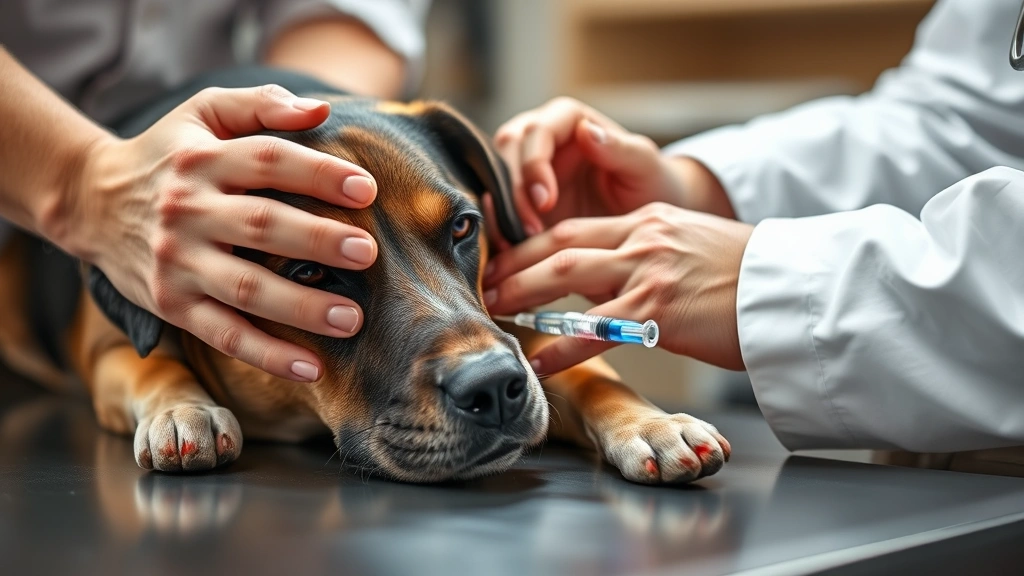
- Daily insulin injections (usually twice daily)
- Consistent feeding schedule synchronized with insulin timing
- Regular monitoring through blood glucose checks
- Dietary adjustments, often switching to prescription diabetic food
- Weight management if obesity is a factor
Many owners worry about giving injections, but most find it becomes routine quickly. Your vet will show you proper injection technique, and most dogs tolerate it well since the needles are very small.
Managing Diet and Nutrition for Diabetic Dogs
Diet plays a crucial role in managing sudden onset diabetes. Your veterinarian may recommend a high-protein, low-carbohydrate diet, as carbs significantly impact blood sugar levels. Some dogs even achieve remission with proper diet and weight loss, though this requires strict management.
Consistency is absolutely essential. Feed your dog at the same times each day, coordinating meals with insulin injections. Avoid table scraps and treats that could spike blood sugar. Your vet can recommend appropriate low-glycemic treats if your dog needs occasional rewards.
Weight management deserves special attention. If your dog is overweight, gradual weight loss under veterinary supervision can improve insulin sensitivity and potentially reduce insulin requirements over time.
Monitoring and Managing Blood Sugar Levels
Regular monitoring helps your vet fine-tune insulin dosages and track your dog’s response to treatment. Initially, your vet may want to see your dog frequently for blood glucose curves—measurements taken at intervals throughout the day to understand how insulin is working.
Home monitoring is also valuable. Some vets recommend using a glucose meter designed for pets to check blood sugar at home. This helps you spot trends and communicate better with your veterinarian about how well the current treatment plan is working.
Keep detailed records of:
- Insulin injection times and amounts
- Meal times and food amounts
- Water intake and urination frequency
- Blood glucose readings if monitoring at home
- Any behavioral or physical changes
Potential Complications to Watch For
While manageable, sudden onset diabetes can lead to serious complications if not properly treated. Diabetic ketoacidosis (DKA) is a life-threatening emergency that occurs when the body breaks down fat too quickly, producing harmful acids. Signs include vomiting, lethargy, difficulty breathing, and fruity-smelling breath.
Hypoglycemia (low blood sugar) can happen if your dog receives too much insulin or misses a meal. Symptoms include trembling, confusion, seizures, or loss of consciousness. This is why consistent feeding schedules matter so much.
Cataracts can develop in diabetic dogs, sometimes rapidly. Regular eye exams help catch vision changes early. Additionally, gastrointestinal issues may accompany diabetes, requiring dietary management.
Long-Term Outlook and Quality of Life
Here’s the encouraging part: dogs with well-managed diabetes live happy, normal lifespans. Many owners report that once they establish a routine with insulin injections and diet, managing their dog’s diabetes becomes second nature. Your dog can still play, enjoy walks, and be their wonderful self.
Some dogs even achieve diabetic remission, where blood sugar stabilizes enough to reduce or eliminate insulin needs. This is more common in dogs that lose weight and maintain strict dietary control, but it’s not guaranteed. Either way, your dog can thrive.

The key is consistency, regular veterinary check-ups, and staying attuned to your dog’s needs. Many owners find that managing their dog’s diabetes actually strengthens their bond through daily care routines.
What To Do Now
If you suspect your dog has sudden onset diabetes, take these steps immediately:
- Schedule a veterinary appointment today. Call your regular vet or an emergency clinic if symptoms are severe (lethargy, vomiting, difficulty breathing).
- Document symptoms and changes. Write down when you first noticed increased thirst, urination, weight loss, or other signs—this helps your vet assess severity.
- Prepare questions about treatment options. Ask about insulin types, injection frequency, dietary changes, and monitoring requirements specific to your dog.
- Don’t panic about insulin injections. Your vet will demonstrate proper technique, and it’s far easier than you might think.
- Consider telehealth for preliminary guidance. If you need immediate reassurance while waiting for an in-person appointment, a telehealth consultation can help determine urgency and next steps.
Frequently Asked Questions
Can dog diabetes go away on its own?
Diabetes requires treatment and won’t resolve without intervention. However, some dogs achieve remission with weight loss, diet changes, and proper management, potentially reducing insulin needs over time.
How much does it cost to treat diabetic dogs?
Initial diagnosis and setup costs vary, but ongoing expenses typically include insulin, syringes, monitoring supplies, and regular vet visits. Many owners find it manageable, and costs often decrease once treatment is established.
Is sudden onset diabetes an emergency?
While not always immediately life-threatening, sudden onset diabetes requires prompt veterinary attention within days. If your dog shows severe lethargy, vomiting, or difficulty breathing, seek emergency care immediately.
Can I give my dog insulin injections at home?
Yes, most owners successfully administer insulin at home after proper training from their vet. It becomes routine, and most dogs tolerate injections well with minimal stress.
What’s the difference between Type 1 and Type 2 diabetes in dogs?
Type 1 (most common) means the pancreas doesn’t produce enough insulin and requires insulin therapy. Type 2 involves insulin resistance and may sometimes be managed with diet and weight loss, though insulin is often still needed.
Summary: Managing Your Dog’s Sudden Onset Diabetes
Discovering that your dog has sudden onset diabetes is undoubtedly worrying, but it’s a manageable condition with the right approach. Early recognition of symptoms like excessive thirst, frequent urination, and unexplained weight loss can make all the difference in your dog’s prognosis and quality of life.
Treatment typically involves daily insulin injections, dietary management, and regular monitoring—all of which become routine with time. Your veterinarian will guide you through each step, and many owners find that the care routine actually strengthens their bond with their pet. While complications are possible, well-managed diabetes doesn’t prevent dogs from living full, happy lives.
The most important action is getting your dog to a veterinarian promptly for diagnosis and treatment planning. If you’re uncertain about whether symptoms warrant urgent care, don’t hesitate to reach out for a telehealth consultation. Your dog is counting on you, and you’re already doing the right thing by seeking information and taking action.
With consistency, proper treatment, and ongoing veterinary support, your diabetic dog can enjoy years of companionship, play, and love ahead.
This article is for general education and is not a substitute for care from your own veterinarian. Learn about The Pet Vet and our editorial policy.