
If your dog has been acting sluggish, gaining weight despite eating less, or developing a dull coat, you might be wondering about dog thyroid disorder causes and whether your pup could be affected. Thyroid problems are surprisingly common in dogs, affecting everything from their energy levels to their skin health, and understanding what triggers these conditions is the first step toward helping your furry friend feel their best again.
Table of Contents
- What Is Canine Thyroid Disease?
- Understanding Dog Thyroid Disorder Causes: The Main Culprits
- Autoimmune Thyroiditis: The Leading Cause
- Age and Weight: Risk Factors Worth Noting
- Environmental and Nutritional Factors
- Medications and Medical Treatments as Contributing Factors
- Seven Essential Signs Your Dog May Have Thyroid Problems
- When to Seek Veterinary Care
- Diagnosis: What to Expect at the Vet
- Related Conditions That Mimic Thyroid Problems
- Managing Your Dog’s Thyroid Health Long-Term
- Frequently Asked Questions
- What To Do Now
- Summary: Taking Action on Dog Thyroid Disorder Causes
This article is for informational purposes only and is not a substitute for professional veterinary advice. Always consult a licensed veterinarian for diagnosis and treatment.
What Is Canine Thyroid Disease?
The thyroid is a small but mighty gland located in your dog’s neck that produces hormones controlling metabolism, energy, and growth. When this gland malfunctions, it can lead to serious health complications that ripple through your dog’s entire body.
There are two main types of thyroid disease in dogs: hypothyroidism (underactive thyroid) and hyperthyroidism (overactive thyroid). Hypothyroidism is far more common in dogs, while hyperthyroidism is rare and typically seen in cats. Most of this article focuses on hypothyroidism, the condition that affects the majority of canine patients.
Understanding Dog Thyroid Disorder Causes: The Main Culprits
Several factors can trigger thyroid problems in your dog. The most common dog thyroid disorder causes include autoimmune disease, where the body’s immune system attacks thyroid tissue, and iodine deficiency, though this is less common in dogs eating commercial diets.
Certain breeds have a genetic predisposition to thyroid issues. Golden Retrievers, Labrador Retrievers, Boxers, and Cocker Spaniels show higher rates of hypothyroidism compared to other breeds. If your dog’s parents or siblings had thyroid problems, your pup may be at increased risk.
Autoimmune Thyroiditis: The Leading Cause
Autoimmune thyroiditis accounts for the vast majority of hypothyroidism cases in dogs. In this condition, the immune system mistakenly targets and destroys thyroid cells, gradually reducing the gland’s ability to produce hormones.
This progressive destruction doesn’t happen overnight. Your dog might have mild immune activity for months or even years before symptoms become noticeable. Early detection through bloodwork can help catch this condition before significant damage occurs. Catching this early puts you in a great position to help your dog live comfortably for years to come.
Age and Weight: Risk Factors Worth Noting
Middle-aged and senior dogs (typically ages 4-10 years old) are more prone to developing thyroid disease. As dogs age, their thyroid gland naturally becomes more susceptible to autoimmune attacks and degenerative changes.
Interestingly, overweight dogs may have a higher risk of thyroid problems, though it’s sometimes unclear whether excess weight causes thyroid issues or if thyroid dysfunction leads to weight gain. Either way, maintaining a healthy weight through proper nutrition and exercise supports overall thyroid health.
Environmental and Nutritional Factors
While less common than autoimmune causes, certain environmental exposures and nutritional imbalances can contribute to thyroid dysfunction. Excessive iodine consumption—sometimes from certain treats or supplements—can paradoxically trigger or worsen thyroid problems in susceptible dogs.
Selenium deficiency may also play a role, as this mineral is essential for thyroid hormone metabolism. Most quality commercial dog foods contain adequate selenium, but dogs on limited or homemade diets might need additional attention to their mineral intake. Discussing your dog’s diet with your veterinarian ensures they’re getting proper nutritional support for thyroid health.

Medications and Medical Treatments as Contributing Factors
Some medications can interfere with thyroid function. Certain anti-inflammatory drugs and other prescription medications may suppress thyroid hormone production in susceptible dogs.
Additionally, dogs undergoing treatment for other conditions—such as those receiving chemotherapy or radiation—might experience thyroid complications as a side effect. Your veterinarian will monitor for these potential issues if your dog requires such treatments.
Seven Essential Signs Your Dog May Have Thyroid Problems
Recognizing the symptoms of thyroid disease is crucial for early intervention. Here are the most common signs:
- Unexplained weight gain: Your dog gains weight despite eating the same amount or even less food than before.
- Lethargy and low energy: Your once-active pup now seems content to sleep most of the day and shows little interest in walks or play.
- Dull, dry, or thinning coat: The fur loses its shine and may become brittle or fall out more than usual.
- Skin problems and infections: Recurring ear infections, seborrhea (flaky, oily skin), or unexplained itching may develop.
- Cold intolerance: Your dog seeks warmth constantly and shivers more easily than before.
- Behavioral changes: Your dog may become anxious, depressed, or less interested in social interaction. (Learn more about senior dog anxiety if behavioral changes concern you.)
- Reproductive issues: Intact dogs may experience irregular heat cycles or reduced fertility.
If you’ve noticed several of these signs in your dog, it’s time to schedule a veterinary checkup. Catching thyroid disease early makes treatment far more effective.
When to Seek Veterinary Care
You should contact your veterinarian if your dog shows multiple signs of thyroid dysfunction, experiences sudden personality changes, or develops unexplained skin or coat problems. Don’t wait for symptoms to worsen—early diagnosis and treatment prevent complications and improve quality of life.
If you are unsure whether your pet needs urgent care, a quick telehealth check-in with The Pet Vet can give you peace of mind — no appointment needed. A veterinarian can review your dog’s symptoms and recommend whether in-person bloodwork is necessary.
Diagnosis: What to Expect at the Vet
Diagnosing thyroid disease requires blood tests measuring thyroid hormone levels (T3 and T4) and thyroid-stimulating hormone (TSH). Your veterinarian may also check for thyroid antibodies to confirm autoimmune thyroiditis.
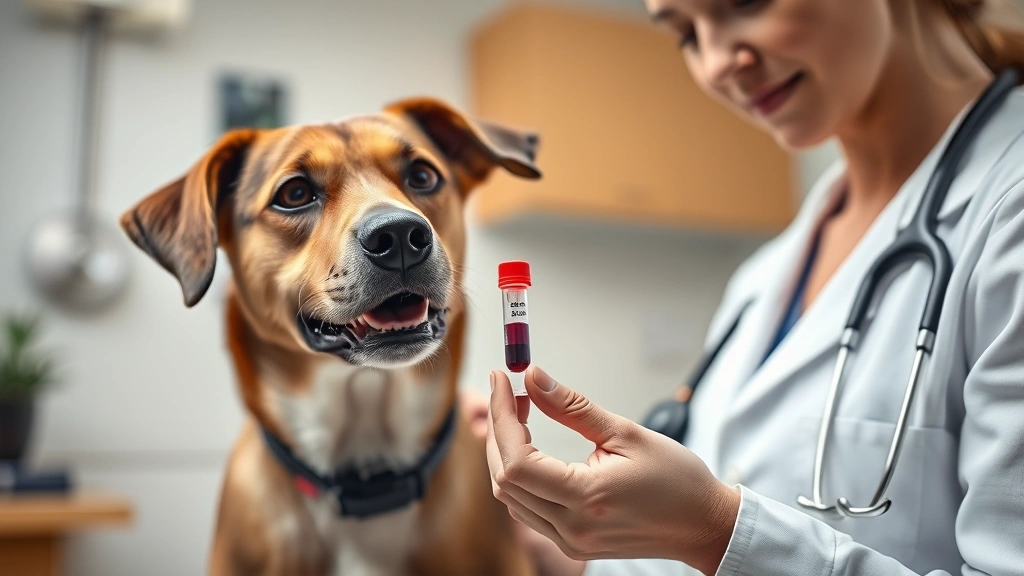
These tests are straightforward and non-invasive, typically requiring just a small blood sample. Results come back within a few days, allowing your vet to confirm a diagnosis and discuss treatment options tailored to your dog’s specific needs.
Related Conditions That Mimic Thyroid Problems
Several other health issues can produce symptoms similar to thyroid disease. Dog diabetes causes weight changes and lethargy, while dog skin allergies causes can produce coat and skin issues that resemble thyroid-related problems.
Chronic dog gastrointestinal issues may also affect nutrient absorption and cause weight problems. This is why comprehensive bloodwork is so important—it helps your veterinarian rule out other conditions and pinpoint the true cause of your dog’s symptoms.
Managing Your Dog’s Thyroid Health Long-Term
Once diagnosed, most dogs with hypothyroidism respond well to treatment and can enjoy a normal lifespan with proper management. Consistent veterinary care, regular bloodwork, and adherence to treatment recommendations are key to keeping your dog healthy and comfortable.
Many dog owners find that within weeks of starting appropriate treatment, their pup’s energy returns, coat improves, and weight normalizes. The transformation can be remarkable and deeply rewarding.
Frequently Asked Questions
Can thyroid disease in dogs be prevented?
While autoimmune thyroiditis cannot be completely prevented, maintaining a healthy weight, providing balanced nutrition, and avoiding excessive iodine supplementation may reduce risk. Regular veterinary checkups help catch problems early.
Is thyroid disease in dogs hereditary?
Yes, certain breeds have genetic predisposition to thyroid disease. If your dog’s parents had thyroid problems, your pup has a higher risk and may benefit from earlier screening.
How often does my dog need thyroid testing?
Dogs with diagnosed hypothyroidism typically need bloodwork every 6-12 months to monitor hormone levels and ensure medication dosage remains appropriate. Your veterinarian will recommend a schedule based on your dog’s individual needs.
Can diet alone treat thyroid disease?
Diet cannot cure thyroid disease, but proper nutrition supports overall health and may help with weight management during treatment. Medical management with appropriate therapy is necessary for hypothyroidism.
What breeds are most prone to thyroid problems?
Golden Retrievers, Labrador Retrievers, Boxers, Cocker Spaniels, and Doberman Pinschers show higher rates of thyroid disease compared to other breeds.
What To Do Now
- Schedule a veterinary appointment: If your dog shows multiple signs of thyroid dysfunction, contact your veterinarian to arrange a checkup and bloodwork within the next 1-2 weeks.
- Document your dog’s symptoms: Write down specific changes you’ve noticed—weight gain, energy levels, coat condition, and behavioral shifts—to share with your vet. This information helps with accurate diagnosis.
- Review your dog’s diet: Discuss your dog’s current food with your veterinarian to ensure it provides balanced nutrition and appropriate iodine levels for thyroid health.
- Consider a telehealth consultation: If you’re unsure whether your dog needs immediate in-person care, reach out to The Pet Vet for a quick online consultation to discuss your concerns and get professional guidance.
- Plan for ongoing monitoring: Once diagnosed, commit to regular veterinary checkups and bloodwork. Consistent management is the foundation of your dog’s long-term health and happiness.
Summary: Taking Action on Dog Thyroid Disorder Causes
Understanding dog thyroid disorder causes empowers you to recognize problems early and seek appropriate care. Whether your dog’s thyroid issues stem from autoimmune disease, breed predisposition, or other factors, early diagnosis and consistent management lead to excellent outcomes and improved quality of life.
Your dog depends on you to notice changes and advocate for their health. If something feels off—whether it’s weight gain, low energy, or skin problems—trust your instincts and reach out to your veterinarian. With proper care and attention, dogs with thyroid disease thrive and enjoy many happy, healthy years ahead.
The Pet Vet is here to support you every step of the way, offering convenient telehealth consultations when you need professional guidance without the wait. Your dog’s wellness journey starts with one conversation.
This article is for general education and is not a substitute for care from your own veterinarian. Learn about The Pet Vet and our editorial policy.