
If your dog has been gaining weight, losing energy, or showing signs of hair loss, you might be wondering about dog thyroid disorder natural remedies and whether they could help your furry friend feel like themselves again. Thyroid issues are surprisingly common in dogs, and the good news is that alongside veterinary care, there are several natural approaches that many pet owners find helpful in supporting their dog’s thyroid health.
Table of Contents
- Understanding Canine Thyroid Disorder Before Exploring Natural Remedies
- The Role of Iodine-Rich Foods in Supporting Thyroid Function
- Selenium and Its Natural Sources for Thyroid Support
- Omega-3 Fatty Acids: Reducing Inflammation Naturally
- Probiotics and Gut Health: The Thyroid-Gut Connection
- Adaptogens and Herbal Support for Thyroid Balance
- Weight Management and Exercise: Non-Supplement Natural Solutions
- Stress Reduction and Environmental Support
- Understanding the Limits of Natural Remedies Alone
- Creating Your Dog’s Personalized Thyroid Support Plan
- Frequently Asked Questions
- What To Do Now
- Summary: Supporting Your Dog’s Thyroid Health Naturally
This article is for informational purposes only and is not a substitute for professional veterinary advice. Always consult a licensed veterinarian for diagnosis and treatment.
Living with a dog who has thyroid problems can feel overwhelming at first. You notice the changes—the sluggishness, the weight gain despite normal eating, the dull coat. But catching this early puts you in a great position to help your pup feel better and live a fuller, happier life.
Understanding Canine Thyroid Disorder Before Exploring Natural Remedies
The thyroid gland is tiny but mighty—it regulates your dog’s metabolism, energy levels, and overall body temperature. When the thyroid isn’t working properly, it affects nearly every system in your dog’s body. The most common form in dogs is hypothyroidism, where the thyroid doesn’t produce enough hormones.
Before diving into natural remedies, it’s important to understand that thyroid disorders need professional diagnosis through blood tests. If you suspect your dog has a thyroid issue, a veterinary check-up is the essential first step. Natural remedies work best as complementary supports alongside any treatment your vet recommends.
The Role of Iodine-Rich Foods in Supporting Thyroid Function
Iodine is a mineral your dog’s thyroid absolutely needs to function. Without adequate iodine, the thyroid struggles to produce the hormones your dog needs to thrive. Many commercial dog foods contain iodine, but some home-cooked diets might be lacking.
Foods naturally rich in iodine include:
- Seaweed and kelp (in small, controlled amounts)
- Fish and seafood
- Eggs
- Dairy products (if your dog tolerates them)
- Chicken and turkey
Before adding any new foods to your dog’s diet, talk with your vet about appropriate portions. More iodine isn’t always better—balance is key.
Selenium and Its Natural Sources for Thyroid Support
Selenium is another mineral that works hand-in-hand with iodine to support thyroid health. This antioxidant helps protect the thyroid gland from damage and supports the conversion of thyroid hormones. Many dogs don’t get enough selenium in their regular diet, making it a worthwhile consideration.
Natural sources of selenium include:
- Brazil nuts (only 1-2 per week, as they’re very high in selenium)
- Fish and shellfish
- Chicken and turkey
- Eggs
- Brown rice
Again, work with your veterinarian to determine if supplementation makes sense for your specific dog. A balanced approach prevents overdoing it.
Omega-3 Fatty Acids: Reducing Inflammation Naturally
Thyroid disorders often involve inflammation, and omega-3 fatty acids are natural inflammation fighters. These healthy fats support skin health, coat quality, and overall immune function—all areas that suffer when thyroid hormones are out of balance.
Great natural sources of omega-3s include:
- Fish oil (salmon, sardines, anchovies)
- Flaxseed (ground)
- Chia seeds
- Walnuts
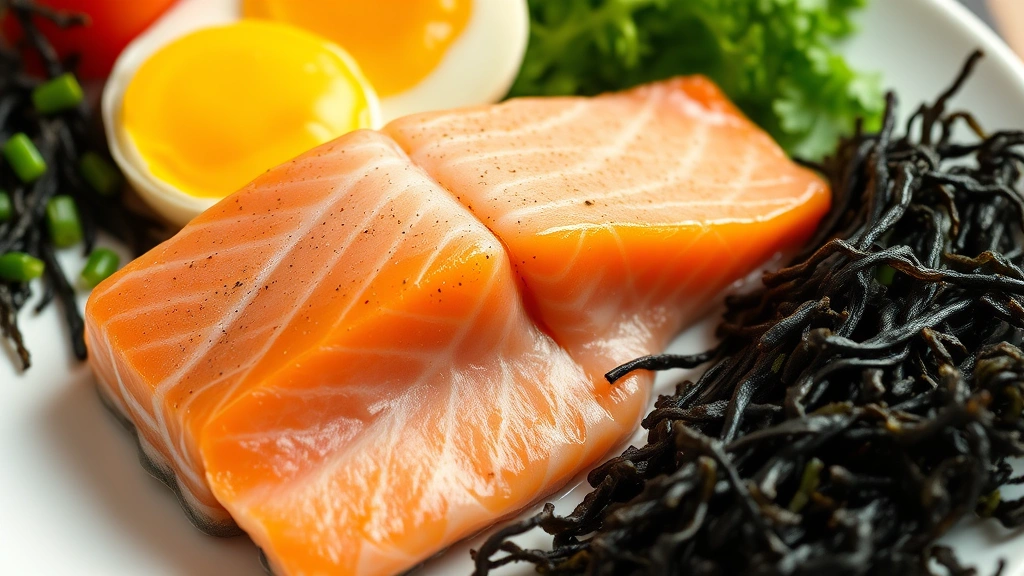
Fish-based options are generally more bioavailable for dogs than plant-based sources. Many pet owners add a small amount of wild-caught salmon to their dog’s meals a few times per week. Catching inflammation early can prevent additional health complications down the road.
Probiotics and Gut Health: The Thyroid-Gut Connection
Here’s something many pet owners don’t realize: thyroid health is deeply connected to gut health. A healthy gut microbiome supports nutrient absorption and immune function, both crucial for thyroid regulation. When your dog’s gut bacteria are out of balance, thyroid issues can worsen.
Natural ways to support gut health include:
- Adding fermented foods like plain, unsweetened kefir or yogurt
- Including fiber-rich vegetables like pumpkin or sweet potato
- Offering bone broth for gut-healing nutrients
- Considering a probiotic supplement designed for dogs
These gentle additions can make a real difference in how your dog absorbs nutrients and manages thyroid symptoms. Always introduce new foods gradually to avoid digestive upset.
Adaptogens and Herbal Support for Thyroid Balance
Certain herbs have been traditionally used to support thyroid function and help the body manage stress—which can worsen thyroid issues. While herbal remedies aren’t replacements for veterinary care, they can complement your overall approach.
Herbs that some veterinarians discuss with pet owners include:
- Ashwagandha (an adaptogen that may support thyroid hormone balance)
- Bladderwrack (a seaweed with natural iodine)
- Turmeric (for its anti-inflammatory properties)
- Milk thistle (for liver support, which aids hormone metabolism)
These should only be used under veterinary guidance, as some herbs can interact with medications or affect thyroid function if used incorrectly. If you are unsure whether these supplements are appropriate for your pet, a quick telehealth check-in with a vet can give you peace of mind—no appointment needed.
Weight Management and Exercise: Non-Supplement Natural Solutions
One of the most overlooked natural remedies for thyroid disorder is maintaining a healthy weight through appropriate exercise and diet. When dogs gain excess weight due to thyroid issues, it creates a frustrating cycle where the extra weight makes symptoms worse.
Practical steps include:
- Establishing a consistent, gentle exercise routine (even 20-30 minute walks help)
- Measuring food portions carefully to prevent overfeeding
- Choosing whole, nutrient-dense foods over fillers
- Limiting treats and table scraps
- Working with your vet on a weight management plan
Many dogs with thyroid issues respond beautifully when their weight stabilizes. It’s not about strict dieting—it’s about creating sustainable habits that support long-term health.
Stress Reduction and Environmental Support
Chronic stress can worsen thyroid function in dogs, just as it does in humans. Dogs are sensitive to household tension, changes in routine, and anxiety. Supporting your dog’s emotional well-being is part of supporting their thyroid health.
Natural stress-reduction strategies include:
- Maintaining a consistent daily routine
- Providing quiet rest spaces away from household activity
- Gentle play and bonding time
- Calming music or white noise
- Massage or gentle touch therapy
When your dog feels safe and secure, their body can better regulate hormones. This holistic approach addresses the whole dog, not just the thyroid gland.
Understanding the Limits of Natural Remedies Alone
It’s important to be honest about what natural remedies can and cannot do. While these approaches support thyroid health beautifully, most dogs with hypothyroidism will need veterinary treatment—often including medication—to feel their best. Natural remedies work with conventional treatment, not instead of it.

Think of natural remedies as the supporting cast in your dog’s health story. They enhance the main treatment, reduce side effects, and promote overall wellness. But they’re not the lead actor. Your veterinarian’s guidance and any prescribed medications are essential.
Creating Your Dog’s Personalized Thyroid Support Plan
Every dog is unique, and what works beautifully for one pup might not be ideal for another. Your dog’s age, weight, other health conditions, and current medications all play a role in which natural remedies make sense.
Here’s how to approach this thoughtfully:
- Get a confirmed diagnosis from your vet through blood testing
- Discuss any natural remedies you’re interested in trying with your veterinarian
- Start with one or two changes at a time so you can see what actually helps
- Track your dog’s energy, weight, and coat quality over weeks and months
- Adjust your approach based on what you observe and your vet’s feedback
This measured approach prevents overwhelming your dog’s system and helps you identify what truly makes a difference.
Frequently Asked Questions
Can natural remedies cure my dog’s thyroid disorder?
Natural remedies can support thyroid health and reduce symptoms, but they cannot cure hypothyroidism. Most dogs need veterinary treatment to manage the condition effectively. Think of natural remedies as helpful companions to conventional care, not replacements for it.
How long does it take to see results from natural thyroid remedies?
Changes typically become noticeable over 4-8 weeks as your dog’s body adjusts. Thyroid health improvements are gradual, so patience is important. Keep a journal of your observations to track progress over time.
Are there any natural remedies I should avoid with thyroid disorders?
Yes—avoid cruciferous vegetables in large amounts (broccoli, cabbage, kale) as they can interfere with iodine absorption. Always check with your vet before introducing new supplements, as some can interact with thyroid medications.
Can I use natural remedies instead of thyroid medication?
No, natural remedies should not replace prescribed thyroid medication. Your vet prescribes medication based on blood test results, and skipping it can lead to serious health complications. Natural remedies work best as additions to, not substitutes for, veterinary treatment.
What’s the best diet for a dog with thyroid disorder?
A balanced, whole-food diet rich in iodine, selenium, and omega-3s is ideal. Work with your vet or a veterinary nutritionist to create a personalized plan that supports your dog’s specific needs and any other health conditions they may have.
What To Do Now
- Schedule a veterinary appointment if you haven’t already—blood tests are the only way to confirm thyroid disorder and establish a baseline for treatment.
- Review your dog’s current diet with your vet to identify any nutritional gaps that natural remedies could address.
- Research one or two natural approaches that appeal to you (iodine-rich foods, probiotics, or omega-3s) and discuss them with your veterinarian before starting.
- Start tracking your dog’s symptoms—note energy levels, weight, coat condition, and appetite weekly so you can measure progress accurately.
- Consider a telehealth consultation if you have questions about natural remedies or want professional guidance without scheduling an in-office visit. Quick check-ins can clarify what’s safe and effective for your specific dog.
Summary: Supporting Your Dog’s Thyroid Health Naturally
Dog thyroid disorder natural remedies offer real support for your pup’s health when used thoughtfully alongside veterinary care. From iodine and selenium to omega-3s and probiotics, these approaches address the nutritional and lifestyle factors that influence thyroid function.
Remember, natural doesn’t mean unsupervised. Work closely with your veterinarian to create a personalized plan that combines conventional treatment with natural support. Your dog didn’t choose to have thyroid issues, but with your commitment to their well-being, they can still live a vibrant, happy life.
The fact that you’re researching natural remedies shows how much you care. That dedication, combined with professional veterinary guidance and thoughtful natural support, gives your dog the best possible chance at feeling like their old self again. You’ve got this.
This article is for general education and is not a substitute for care from your own veterinarian. Learn about The Pet Vet and our editorial policy.