
If your dog has suddenly started acting strange—sleeping more than usual, gaining weight despite eating less, or seeming unusually anxious—you might be dealing with a dog thyroid disorder sudden onset that requires prompt attention. Thyroid problems in dogs can develop quickly, and catching the signs early makes all the difference in helping your furry friend feel better.
Table of Contents
- Understanding Thyroid Disorders in Dogs
- Sign #1: Unexplained Weight Gain or Loss
- Sign #2: Fatigue and Lethargy That Seems Out of Character
- Sign #3: Changes in Coat and Skin Health
- Sign #4: Behavioral Changes and Mood Shifts
- Sign #5: Temperature Regulation Problems
- Sign #6: Digestive Issues and Appetite Changes
- Sign #7: Facial Puffiness and Swelling
- Why Sudden Onset Matters
- Getting a Proper Diagnosis
- What Happens After Diagnosis
- Frequently Asked Questions
- What To Do Now
- Summary: Taking Action Against Thyroid Disorder
This article is for informational purposes only and is not a substitute for professional veterinary advice. Always consult a licensed veterinarian for diagnosis and treatment.
Understanding Thyroid Disorders in Dogs
Your dog’s thyroid is a small gland that produces hormones controlling metabolism, energy, and body temperature. When it stops working properly, the effects ripple through your dog’s entire system. Thyroid disorders in dogs typically come in two forms: hypothyroidism (underactive thyroid) and hyperthyroidism (overactive thyroid).
While hypothyroidism is far more common in dogs, both conditions can appear suddenly and catch pet owners off guard. The good news? Thyroid issues are manageable once diagnosed, and many dogs thrive with proper care.
Sign #1: Unexplained Weight Gain or Loss
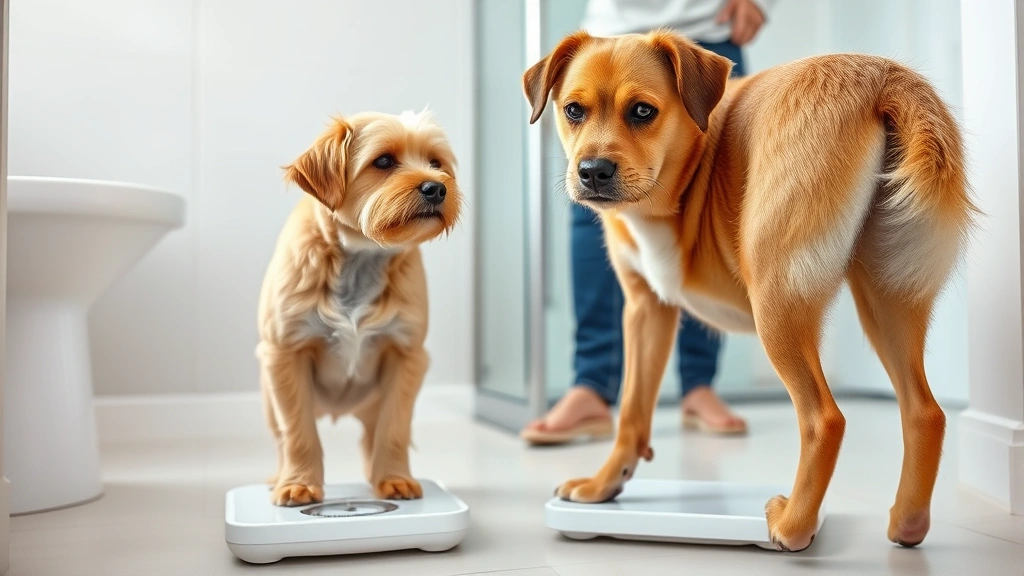
One of the earliest red flags is a sudden change in your dog’s body weight. Dogs with hypothyroidism often gain weight rapidly without any changes in diet or exercise. Their metabolism slows dramatically, causing calories to pack on.
Conversely, hyperthyroid dogs may lose weight despite eating more than usual. Their metabolism goes into overdrive, burning calories faster than they can consume them. If your dog’s waistline is shifting unexpectedly, it’s time to schedule a vet visit.
Sign #2: Fatigue and Lethargy That Seems Out of Character
Is your normally playful pup suddenly a couch potato? Excessive tiredness is one of the most telling signs of thyroid trouble. Dogs with hypothyroidism experience a dramatic slowdown in energy levels because their thyroid isn’t producing enough hormone to fuel their body.
You might notice your dog sleeping longer, showing less interest in walks, or struggling to climb stairs they once bounded up easily. Catching this early puts you in a great position to help your dog regain their spark.
Sign #3: Changes in Coat and Skin Health
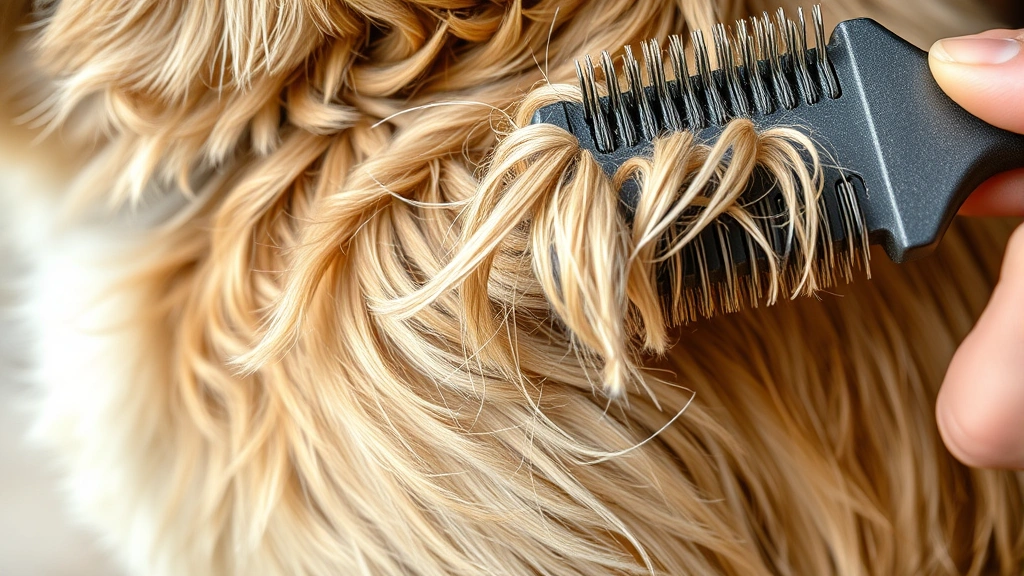
Your dog’s skin and fur are windows into their overall health. Thyroid disorders often cause a dull, brittle coat, excessive shedding, or even hair loss in patches. The skin may become dry, flaky, or develop an unpleasant odor.
Some dogs also experience recurring skin infections because thyroid imbalance weakens their immune system. If your dog’s coat looks noticeably worse than usual or you’re seeing bald spots, don’t wait—these changes warrant veterinary attention.
Sign #4: Behavioral Changes and Mood Shifts
Thyroid disorders don’t just affect the body; they profoundly impact behavior and mood. Dogs with hypothyroidism may become withdrawn, anxious, or unusually aggressive. Some owners report their dogs seem depressed or unresponsive.
Hyperthyroid dogs, by contrast, often become hyperactive, restless, or irritable. They may pace constantly, seem unable to settle, or snap at things they normally ignore. These personality shifts can be distressing to witness, but they’re your dog’s way of telling you something is wrong.
Sign #5: Temperature Regulation Problems
Notice your dog seeking out cold spots constantly or shivering even in warm weather? Thyroid disorders mess with your dog’s ability to regulate body temperature. Hypothyroid dogs often feel cold and may huddle under blankets or avoid going outside in mild weather.
Hyperthyroid dogs, meanwhile, may pant excessively, seek cool surfaces, or seem uncomfortable in normal room temperatures. These temperature sensitivity changes are often subtle but consistent.
Sign #6: Digestive Issues and Appetite Changes
Sudden changes in appetite or digestion can signal thyroid trouble. Some dogs develop constipation or diarrhea, while others show dramatic shifts in how much they want to eat. A dog with hypothyroidism might seem less interested in meals, while a hyperthyroid dog may eat constantly yet still lose weight.
Vomiting, bloating, or gas that wasn’t present before also warrant investigation. Your vet can determine whether these digestive changes connect to thyroid dysfunction or something else entirely.
Sign #7: Facial Puffiness and Swelling
In some cases, hypothyroidism causes noticeable swelling or puffiness around the face and neck. Your dog’s face might look rounder or more bloated than usual, and their eyelids may appear droopy. This happens because thyroid hormone deficiency causes fluid retention and inflammation.
While not all thyroid dogs develop this symptom, it’s a distinctive sign when it does appear. If your dog’s face suddenly looks puffy or swollen, get them checked by a vet promptly.
Why Sudden Onset Matters
When thyroid problems develop suddenly, it’s easy to mistake them for other conditions. Your dog might seem like they’re coming down with a cold, dealing with depression, or just having an off week. The key is recognizing that sudden, multiple changes happening together often point to an underlying hormonal issue.
Sudden onset thyroid disorders can progress quickly, making early detection crucial. The sooner you identify the problem, the sooner treatment can begin and your dog can start feeling normal again.
Getting a Proper Diagnosis
Diagnosing thyroid disorders requires blood work. Your vet will measure thyroid hormone levels (T3 and T4) and thyroid-stimulating hormone (TSH) to determine if your dog’s thyroid is functioning properly. This simple test is the gold standard for thyroid diagnosis.
If you’re unsure whether your pet needs urgent care, a quick telehealth check-in can give you peace of mind—no appointment needed. Many vets can discuss your dog’s symptoms and recommend whether in-person bloodwork is necessary.
What Happens After Diagnosis
Once diagnosed, thyroid disorders are highly manageable. Most hypothyroid dogs do well with daily medication that replaces the missing thyroid hormone. Many pet owners report their dogs bounce back to their old selves within weeks of starting treatment.
Hyperthyroidism management varies depending on the underlying cause and severity. Your vet will discuss options ranging from medication to more specialized treatments. The important thing is that treatment exists and works well for most dogs.
Frequently Asked Questions
Can a dog’s thyroid problem develop overnight?
While thyroid dysfunction develops gradually at the cellular level, the symptoms you notice can appear suddenly and dramatically. What seemed like normal behavior yesterday might shift noticeably within days.
Is thyroid disorder in dogs life-threatening?
Untreated thyroid disorders can lead to serious complications, but once diagnosed and treated, most dogs live normal, healthy lives. Early detection prevents complications and improves outcomes significantly.
How often does my dog need thyroid medication?
Most hypothyroid dogs require daily medication for life. Your vet will determine the right dosage and may adjust it based on periodic blood work to ensure optimal levels.
Can diet affect my dog’s thyroid?
Certain nutrients like iodine and selenium support thyroid health, but diet alone won’t cure thyroid disorder. Proper nutrition works alongside medical treatment to support overall wellness.
Are some dog breeds more prone to thyroid problems?
Yes, certain breeds like Golden Retrievers, Boxers, and Cocker Spaniels show higher rates of hypothyroidism. However, any dog can develop thyroid issues regardless of breed.
What To Do Now
- Document your observations: Write down when you first noticed changes, which symptoms appeared, and how they’ve progressed. This information helps your vet tremendously.
- Schedule a veterinary appointment: Contact your vet today or use telehealth to discuss your dog’s symptoms and get guidance on next steps.
- Gather medical history: Have your dog’s previous bloodwork and medical records ready for your vet’s review.
- Prepare a list of questions: Ask about thyroid testing, treatment options, medication side effects, and what to expect moving forward.
- Request thyroid bloodwork: If your vet agrees thyroid disorder is possible, ask specifically for thyroid hormone testing to confirm or rule out the condition.
Summary: Taking Action Against Thyroid Disorder
A dog thyroid disorder sudden onset can be alarming, but it’s absolutely treatable. The seven signs we’ve covered—weight changes, lethargy, coat problems, behavioral shifts, temperature sensitivity, digestive issues, and facial puffiness—paint a clear picture of thyroid trouble.
Your role as a pet owner is to stay observant and act quickly when you notice multiple unusual changes. Thyroid disorders respond beautifully to treatment, and most dogs return to their happy, healthy selves once their hormone levels are balanced.
Don’t second-guess yourself if your instincts tell you something’s off. Your dog is counting on you to be their advocate. Reach out to your vet today, and remember that catching thyroid problems early sets your dog up for a long, vibrant life ahead.
For more information on related conditions, explore our guides on dog thyroid disorder stages explained, dog diabetes early signs, and dog neurological disorder early signs. You can also learn more about when to see a vet for neurological concerns.
For additional veterinary resources, check out PetMD’s thyroid health section and the American Veterinary Medical Association for evidence-based information on thyroid disorders in dogs.
This article is for general education and is not a substitute for care from your own veterinarian. Learn about The Pet Vet and our editorial policy.