
If you’ve noticed your cat licking their paws excessively and wondered whether you can talk to a vet about cat licking paws online, the answer is a resounding yes—and it might be easier than you think. Many cat owners feel uncertain about whether their pet’s behavior warrants a veterinary visit, especially when it seems like something they could discuss over video. The good news is that telehealth veterinary services now make it simple to get professional guidance without leaving your home.
Table of Contents
- Why Your Cat May Be Licking Their Paws Excessively
- Common Causes of Excessive Paw Licking in Cats
- What You Can Observe Before Your Online Vet Visit
- How Online Vet Consultations Work for Paw Licking
- When Paw Licking Requires Urgent Care
- Treatment Options Your Vet Might Recommend
- The Convenience Factor: Why Online Works for Cat Owners
- When to Follow Up With In-Person Care
- Tips for a Successful Online Vet Consultation
- Prevention: Reducing Future Paw Licking Issues
- Frequently Asked Questions
- What To Do Now
- Summary
This article is for informational purposes only and is not a substitute for professional veterinary advice. Always consult a licensed veterinarian for diagnosis and treatment.
Why Your Cat May Be Licking Their Paws Excessively
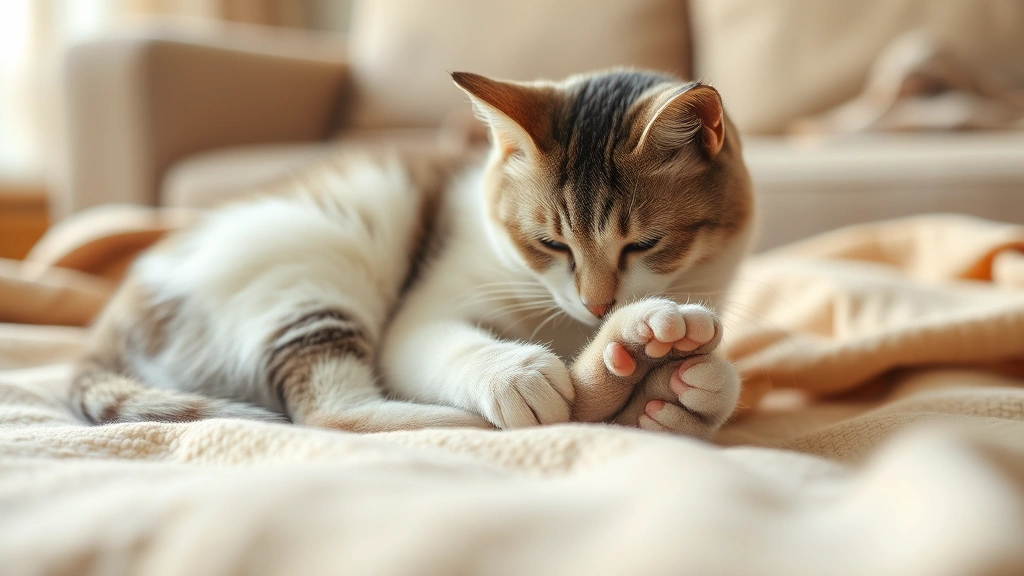
Cats lick their paws for many reasons, and not all of them are cause for alarm. Normal grooming is part of a cat’s daily routine, but when licking becomes obsessive or you notice your cat focusing on one paw repeatedly, something else might be going on.
Excessive paw licking could signal anything from allergies to parasites, skin infections, or even behavioral stress. The challenge for most cat owners is figuring out whether this is a minor issue or something that needs immediate attention. This is exactly where online veterinary consultations shine—you can describe what you’re seeing and get professional feedback quickly.
Common Causes of Excessive Paw Licking in Cats
Understanding what might be driving your cat’s behavior helps you communicate more effectively with a vet online. Here are the most common culprits:
- Allergies: Environmental or food allergies are among the top reasons cats lick their paws excessively. Similar to how dogs experience skin allergies, cats can develop allergic reactions that manifest as itchy paws.
- Parasites: Fleas, mites, or lice may be causing itching that your cat is trying to relieve.
- Skin infections: Fungal or bacterial infections can make paws uncomfortable and lead to increased licking.
- Pain or injury: Your cat might be licking a specific paw because of an injury, splinter, or underlying pain.
- Stress or anxiety: Cats sometimes engage in excessive grooming as a self-soothing behavior when stressed.
- Dry skin: Especially in winter or dry climates, cats may lick more frequently to ease discomfort.
When you talk to a vet about cat licking paws online, having this context helps them narrow down the most likely cause.
What You Can Observe Before Your Online Vet Visit
Before scheduling a telehealth consultation, take a few moments to gather information that will make your conversation with the vet more productive. This groundwork transforms a vague concern into actionable diagnostic information.
Look closely at your cat’s paws. Are they red, swollen, or do you see any visible irritation? Check between the toes and under the paw pads. Notice whether your cat is licking one paw or all four—this detail matters. Also pay attention to when the licking happens most: after meals, during certain times of day, or constantly throughout the day.
If possible, take a short video of your cat licking their paws. Many online vets appreciate seeing the behavior firsthand, and it removes any guesswork about severity or frequency. Note any other symptoms like scratching, hair loss, or behavioral changes.
How Online Vet Consultations Work for Paw Licking
Telehealth veterinary services like The Pet Vet make the process straightforward. You’ll typically schedule an appointment, connect via video with a licensed veterinarian, and discuss your cat’s symptoms in real time. The vet can ask detailed questions, review any photos or videos you’ve prepared, and observe your cat’s behavior during the call.
One of the biggest advantages is speed. Instead of waiting weeks for an in-person appointment, you can often connect with a vet within hours. If you are unsure whether your pet needs urgent care, a quick telehealth check-in can give you peace of mind — no appointment needed.
During your consultation, be prepared to discuss:
- How long the excessive licking has been happening
- Whether it’s constant or intermittent
- Any recent changes in diet, environment, or routine
- Other symptoms your cat is showing
- Your cat’s medical history and current medications
When Paw Licking Requires Urgent Care
While many cases of excessive paw licking can be addressed through a routine telehealth visit, some situations need faster intervention. If you notice your cat’s paw is swollen, bleeding, or shows signs of infection like pus or a foul smell, contact a veterinary emergency clinic or mention the urgency when booking your online appointment.
Catching this early puts you in a great position to help. Similarly, if your cat is limping, unable to walk normally, or showing signs of severe pain, prioritize an urgent care visit or emergency consultation.
Treatment Options Your Vet Might Recommend
The treatment your vet recommends will depend entirely on the underlying cause. For allergies, they might suggest dietary changes or environmental modifications. If parasites are the culprit, they’ll recommend appropriate preventative treatments. For skin infections, topical or oral medications might be necessary.
One advantage of online consultations is that vets can often send prescriptions directly to your pharmacy or preferred pet supply store. This saves you a trip and gets your cat the help they need faster.
Your vet might also recommend home care strategies like paw soaks, dietary supplements, or stress-reduction techniques depending on what they find. Learn more about seasonal allergies and feeding adjustments if your cat’s licking seems seasonal.
The Convenience Factor: Why Online Works for Cat Owners
Let’s be honest—getting a cat into a carrier and to a vet clinic can be stressful for both you and your pet. Online consultations eliminate this hassle entirely. Your cat stays in their familiar environment, which can actually lead to more relaxed behavior and clearer communication with the vet.
Additionally, online consultations are often more affordable than traditional office visits. You’re not paying for facility overhead, and you’re not taking time away from work or family commitments. This accessibility means more cat owners get professional advice when they need it, rather than waiting or hoping the problem resolves itself.
When to Follow Up With In-Person Care
Sometimes an online consultation reveals that your cat needs hands-on examination or testing. Blood work, skin scrapings, or fungal cultures may be necessary to pinpoint the exact cause. Your online vet will let you know if an in-person visit is needed and can often refer you to a local clinic or help coordinate care.
Think of telehealth as a smart first step. It gets you professional guidance quickly and helps determine whether further investigation is necessary. For more information on when to see a vet, check out our guide on when to see a vet for skin issues.
Tips for a Successful Online Vet Consultation
To make the most of your telehealth appointment, prepare ahead. Have your cat’s medical records handy, write down any questions you want to ask, and ensure you have good lighting and internet connection. Position your camera so the vet can see your cat clearly if needed.
Be honest and detailed about what you’ve observed. Small details—like whether licking increased after a move or during certain seasons—can be crucial diagnostic clues. Don’t minimize your concerns; if something worries you enough to seek help, it’s worth mentioning.
Prevention: Reducing Future Paw Licking Issues
Once you’ve addressed the current issue, focus on prevention. Keep your cat’s environment clean, maintain a consistent grooming routine, and stay current with flea and tick prevention. A quality diet supports healthy skin, and reducing stress through play and enrichment can minimize behavioral licking.
Regular check-ins with your vet—whether online or in-person—help catch potential issues before they become problems. Many cat owners find that scheduling brief telehealth consultations periodically gives them confidence in their pet’s health.
Frequently Asked Questions
Can a vet diagnose the cause of paw licking through video alone?
A vet can often narrow down the likely causes based on your description and visual inspection during a video call. However, some conditions may require in-person testing or examination for a definitive diagnosis.
Is it safe to wait for an online appointment if my cat’s paw looks infected?
If you see signs of infection like swelling, pus, or foul odor, contact an emergency clinic or request an urgent online appointment rather than waiting for a routine slot.
What should I do if my cat won’t stay still during the online consultation?
That’s completely normal—cats are unpredictable! Your vet understands this and will work with what they can see. Having photos or videos prepared beforehand helps compensate.
Can my vet prescribe medication through an online consultation?
Yes, licensed veterinarians can prescribe medications during telehealth visits in most cases. The prescription can be sent directly to your pharmacy or pet supply store.
How much does an online vet consultation cost compared to an in-person visit?
Online consultations are typically less expensive than traditional office visits, though prices vary by provider and consultation length. Check with The Pet Vet for current pricing.
What To Do Now
Take action today to get your cat the help they need:
- Observe and document: Spend the next few days noting when your cat licks, which paws are affected, and any visible changes to the skin or fur.
- Take photos or video: Capture clear images of your cat’s paws and record a short video of the licking behavior to share with your vet.
- Schedule a telehealth appointment: Visit The Pet Vet or your preferred online veterinary service to book a consultation within the next few days.
- Prepare your questions: Write down any concerns or observations you want to discuss, including your cat’s medical history and any recent environmental changes.
- Follow through on recommendations: Once you’ve spoken with your vet, implement their suggestions promptly and schedule any necessary follow-up appointments.
Summary
Yes, you absolutely can talk to a vet about cat licking paws online—and it’s often the most convenient way to get professional guidance. Excessive paw licking can stem from allergies, parasites, infections, pain, or stress, and a telehealth consultation helps identify the cause quickly. By preparing observations, photos, and questions beforehand, you’ll make the most of your appointment and get your cat the care they need faster. Whether the solution is simple or requires further testing, starting with an online consultation is a smart, stress-free first step. Your cat’s comfort and health are worth the quick conversation with a vet.
This article is for general education and is not a substitute for care from your own veterinarian. Learn about The Pet Vet and our editorial policy.