
If you’re wondering can I talk to a vet about puppy licking paws online, the answer is a resounding yes—and it might be exactly what your worried pup needs right now. Excessive paw licking in puppies can stem from allergies, anxiety, infections, or even boredom, and getting professional guidance without leaving your couch is easier than ever.
Table of Contents
- Why Your Puppy May Be Licking Their Paws Excessively
- How Online Vet Consultations Work for Paw Licking Concerns
- When to Seek Online Vet Help for Puppy Paw Licking
- What Information to Have Ready for Your Online Vet Visit
- At-Home Care While Waiting for Professional Guidance
- Common Causes and What Online Vets Typically Recommend
- When Online Care Isn’t Enough: Red Flags for In-Person Visits
- The Advantages of Telehealth for Puppy Paw Licking
- Preventing Future Paw Licking Issues
- Frequently Asked Questions
- What to Do Now
- Final Thoughts: You’re Not Alone in This
This article is for informational purposes only and is not a substitute for professional veterinary advice. Always consult a licensed veterinarian for diagnosis and treatment.
Watching your puppy constantly gnaw at their paws is stressful. You wonder if it’s normal play behavior or a sign something’s wrong. The good news? Telehealth veterinary services like The Pet Vet make it simple to get answers fast, often within hours, without the hassle of scheduling weeks in advance or sitting in a waiting room.
Why Your Puppy May Be Licking Their Paws Excessively
Puppies explore the world with their mouths, but constant paw licking goes beyond curiosity. There are several reasons your furry friend might be fixated on their feet.
Allergies are one of the most common culprits. Environmental allergens, food sensitivities, or contact dermatitis can cause itching that drives puppies to lick obsessively. If your puppy’s paws are red, swollen, or smell yeasty, allergies could be the issue. Learn more about recognizing these signs in our guide to dog skin allergies symptoms.
Infections—bacterial or fungal—also trigger paw licking. Puppy paws are warm, moist environments where yeast and bacteria thrive, especially between the toes. These infections may be experiencing secondary itching that feels unbearable to your pup.
Anxiety and stress shouldn’t be overlooked. Puppies separated from littermates, adjusting to new homes, or experiencing loud noises may lick their paws as a self-soothing behavior. This can become a habit if not addressed early.
Less common but possible causes include parasites, foreign objects lodged between toes, or skin conditions. Catching this early puts you in a great position to help your puppy feel better quickly.
How Online Vet Consultations Work for Paw Licking Concerns
Telehealth veterinary services have revolutionized pet care. Instead of waiting weeks for an appointment, you can connect with a licensed vet from your phone or computer in minutes.
The process is straightforward. You describe your puppy’s symptoms, share photos or a short video of the licking behavior, and answer questions about your pup’s diet, environment, and recent changes. The vet reviews everything and provides guidance.
Online consultations work best for initial assessments and ongoing management. If you are unsure whether your pet needs urgent care, a quick telehealth check-in can give you peace of mind — no appointment needed. Many cases resolve with at-home care and monitoring, while others may require in-person examination or lab work.
The beauty of online vet services is flexibility. Evening appointments, weekend availability, and no travel time make it easier for busy pet parents to prioritize their puppy’s health.
When to Seek Online Vet Help for Puppy Paw Licking
Not every instance of paw licking requires immediate veterinary attention, but certain signs warrant a quick consultation.
- Constant licking that interferes with sleep or play—if your puppy can’t focus on anything else, it’s time to talk to a vet
- Visible redness, swelling, or discharge between the toes—these indicate infection or severe inflammation
- Open sores, bleeding, or hair loss on the paws—signs of advanced irritation or secondary trauma
- Foul odor coming from the paws—often indicates bacterial or yeast infection
- Limping or reluctance to walk—your puppy may be in pain
- Licking started suddenly after a change in diet, environment, or routine—helps narrow down the cause
An online vet can triage these concerns and recommend whether your puppy needs in-person care or if home management is appropriate. Most telehealth vets respond within 1-2 hours, making it a practical first step.
What Information to Have Ready for Your Online Vet Visit
Preparation makes your telehealth consultation more productive. Gather these details before you connect with the vet.
- Photos or video of the paw licking behavior—capture close-ups of the paws, including between the toes and paw pads
- Your puppy’s age, breed, and how long the licking has been occurring—timeline helps identify triggers
- Current diet and any recent food changes—food allergies are a common cause
- Recent environmental changes—new home, new flooring, new bedding, or exposure to new areas
- Any other symptoms—scratching elsewhere, ear infections, digestive issues, or behavioral changes
- Medications or supplements your puppy is currently taking—some can affect skin health
- Vaccination and parasite prevention history—helps rule out certain conditions
The more details you provide, the better the vet can assess your puppy’s situation and give tailored advice.
At-Home Care While Waiting for Professional Guidance
While you arrange your online vet consultation, there are safe steps you can take to comfort your puppy and prevent worsening.
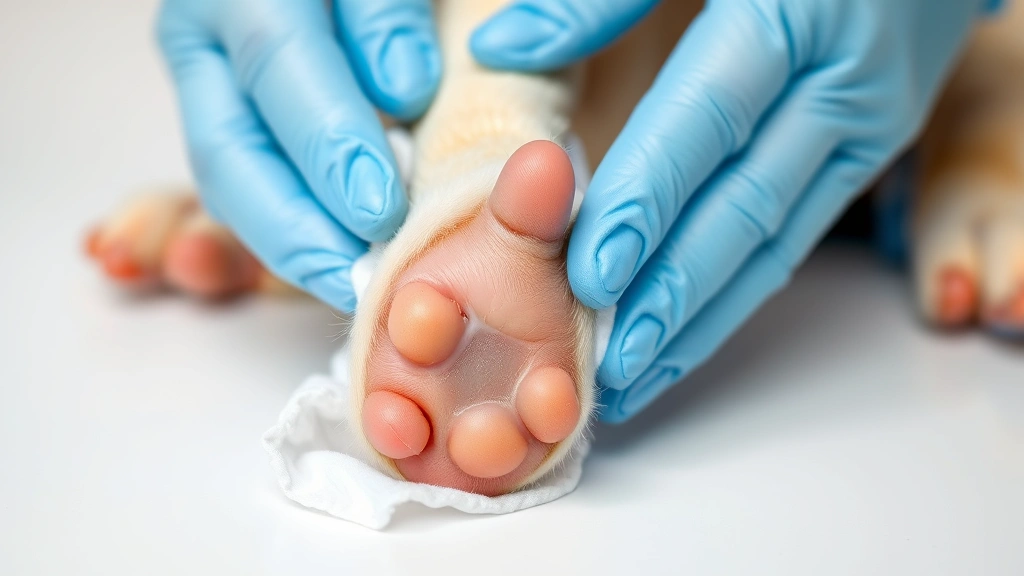
Keep the paws clean and dry. Wash your puppy’s paws with lukewarm water and mild soap after outdoor play, then pat completely dry. Moisture traps bacteria and yeast, so drying is crucial.
Consider a protective barrier. Booties or paw wax can prevent further licking and protect irritated skin. Our article on Musher’s Secret paw protection wax vs alternatives offers practical options.
Provide mental stimulation and exercise. A bored or anxious puppy is more likely to engage in repetitive licking. Puzzle toys, training sessions, and age-appropriate play can redirect their focus.

Avoid harsh cleaners or excessive bathing. These can strip natural oils and worsen skin irritation. Stick to gentle, puppy-safe products.
Monitor for changes. Keep notes on when licking occurs, what triggers it, and whether it improves or worsens. This information is gold for your vet consultation.
These measures provide comfort without replacing professional diagnosis. Your vet will confirm whether these approaches are sufficient or if additional treatment is needed.
Common Causes and What Online Vets Typically Recommend
Based on your puppy’s symptoms, an online vet may suggest different approaches. Understanding these can help you know what to expect.
For allergies, vets often recommend dietary changes, environmental modifications, or specific supplements. Dog skin allergies home treatment options can be discussed in detail during your consultation, and your vet may suggest follow-up monitoring to track improvement.
For suspected infections, your vet might recommend medicated paw soaks, topical treatments, or—in some cases—a follow-up in-person visit for samples or prescription treatment. Early intervention prevents infections from spreading or becoming chronic.
For anxiety-related licking, vets focus on environmental enrichment, training techniques, and sometimes behavioral medication. Addressing the root cause is key to stopping the habit.
For parasites, your vet will review your puppy’s prevention protocol and may adjust it based on your location and risk factors.
Each case is unique, and your online vet will tailor recommendations to your puppy’s specific situation.
When Online Care Isn’t Enough: Red Flags for In-Person Visits
While telehealth is incredibly helpful, some situations require hands-on examination. Know when to push for an urgent in-person appointment.
Severe swelling, bleeding, or signs of infection need immediate physical evaluation. Your vet may need to examine the paws closely, take samples, or provide injectable medications.
If your puppy is limping, refusing to bear weight, or showing signs of pain, an in-person visit is necessary to rule out fractures, foreign objects, or severe inflammation.
Licking that spreads to other body parts or is accompanied by vomiting, diarrhea, or lethargy suggests a systemic issue requiring comprehensive examination and possibly lab work.
If home care and initial online guidance don’t improve symptoms within 5-7 days, escalate to an in-person appointment. Your vet may need to perform skin scrapings, fungal cultures, or allergy testing.
Your online vet can help determine whether in-person care is necessary and can often coordinate a local appointment for you.
The Advantages of Telehealth for Puppy Paw Licking
Choosing online vet care for your puppy’s paw licking offers real benefits beyond convenience.
Speed is a major advantage. Instead of waiting weeks for a regular appointment, you get professional input within hours. For worried pet parents, this peace of mind is invaluable.
Cost is typically lower than traditional office visits. Telehealth consultations often cost less, making veterinary care more accessible for routine concerns.
You’re in your puppy’s familiar environment, which can make them calmer and allow the vet to see natural behavior. Some puppies get anxious at the vet’s office, so home consultations can yield better information.
Documentation is seamless. Online vets provide written summaries of recommendations, making it easy to reference care instructions and share information with other providers if needed.
Follow-up is easier. Many telehealth platforms allow quick check-ins to report progress or ask follow-up questions without scheduling a new appointment.
These advantages make online vet services an excellent first step for common puppy concerns like paw licking.
Preventing Future Paw Licking Issues
Once you’ve addressed your puppy’s current paw licking, prevention is the next step.
Maintain consistent grooming and paw care. Regular nail trimming, paw pad cleaning, and inspection reduce the risk of infections and irritation.
Feed high-quality, appropriate nutrition. A balanced diet supports skin and coat health. If allergies are a concern, discuss limited-ingredient or hypoallergenic options with your vet.
Keep the environment clean and dry. Wash bedding regularly, minimize moisture in living spaces, and ensure your puppy’s sleeping area is comfortable.
Provide adequate exercise and mental stimulation. A tired, engaged puppy is less likely to develop anxiety-driven licking habits.
Stay current on parasite prevention. Regular flea, tick, and worm prevention eliminates one potential cause of itching.
Monitor for early signs of allergies or infections. Catching issues early prevents them from becoming chronic problems. Our guide on dog skin allergies when to see a vet can help you recognize warning signs.
Proactive care and early intervention keep your puppy’s paws healthy and happy long-term.
Frequently Asked Questions
How quickly can I talk to an online vet about my puppy’s paw licking?
Most telehealth platforms connect you with a vet within 1-2 hours. Some offer even faster response times for urgent concerns. You can often start a consultation in minutes by uploading photos and describing symptoms.
Will an online vet be able to diagnose the cause of my puppy’s paw licking?
Online vets can often narrow down the cause based on symptoms, history, and photos, but some conditions require in-person examination or lab work for definitive diagnosis. Your vet will let you know if further testing is needed.
Can an online vet prescribe medication for my puppy’s paws?
Yes, licensed online vets can prescribe medications in most states. However, they cannot prescribe controlled substances without an in-person exam. Discuss specific treatment options during your consultation.
Is it safe to treat my puppy’s paw licking at home while waiting for a vet appointment?
Basic comfort measures like keeping paws clean, dry, and protected are safe. However, avoid applying unknown products or medications without vet guidance. Your online vet can recommend safe at-home care while you wait for further evaluation.
What if the online vet thinks my puppy needs an in-person visit?
Your telehealth vet can recommend a local veterinary clinic and often help coordinate an appointment. Some telehealth services are affiliated with in-person clinics, making the transition seamless.
What to Do Now
- Schedule an online vet consultation today. Don’t wait—getting professional eyes on your puppy’s paw licking early makes a real difference in outcomes. Most telehealth services are available within hours.
- Gather photos and information about your puppy’s symptoms. Capture clear close-ups of the paws, note when licking occurs most, and document any recent changes in diet, environment, or behavior.
- Start gentle paw care at home. Wash paws with mild soap and lukewarm water after outdoor time, keep them dry, and consider protective booties if licking is severe.
- Keep a symptom journal. Track the frequency and intensity of licking, any patterns you notice, and your puppy’s overall behavior. This information is invaluable for your vet.
- Follow your vet’s recommendations closely and schedule a follow-up check-in. Whether it’s home care, dietary changes, or in-person examination, consistency is key to resolving the issue.
Final Thoughts: You’re Not Alone in This
Excessive paw licking in puppies is a common concern, and the fact that you’re seeking professional guidance shows you’re a caring pet parent. The good news is that most cases resolve well with proper diagnosis and treatment.
Telehealth veterinary services have made it easier than ever to get expert help without the stress of traditional vet visits. By connecting with an online vet, you’re taking a proactive step to understand what’s driving your puppy’s behavior and how to help them feel better.
Whether it’s allergies, infections, anxiety, or something else entirely, your vet is just a few clicks away. Start your consultation today, follow the recommended care plan, and watch your puppy get back to happy, healthy play.