
Yes, you can absolutely talk to a vet about puppy panting online, and it’s often the fastest way to get answers when your little one seems uncomfortable. If you’ve noticed your puppy breathing heavily or panting more than usual, that worried feeling is completely valid—and getting professional guidance doesn’t require a car ride or waiting room visit anymore.
Table of Contents
- Why Your Puppy Might Be Panting More Than Usual
- The Benefits of Online Vet Consultations for Panting Puppies
- What to Expect During an Online Vet Consultation
- When Puppy Panting Needs Urgent Attention
- Red Flags vs. Normal Puppy Behavior
- Common Causes of Puppy Panting Explained
- How to Prepare for Your Online Vet Consultation
- The Role of Telehealth in Modern Pet Care
- What If Your Puppy Needs In-Person Care?
- Cost and Insurance Considerations
- Respiratory Issues and When to Seek Help
- Building a Relationship With Your Online Vet
- Next Steps: What to Do About Your Panting Puppy
- Summary: Your Puppy’s Panting Deserves Professional Input
- Frequently Asked Questions
This article is for informational purposes only and is not a substitute for professional veterinary advice. Always consult a licensed veterinarian for diagnosis and treatment.
Puppy panting can mean different things, from simple excitement to something that needs attention. The good news? A quick online consultation with a licensed vet can help you understand what’s happening and whether your puppy needs in-person care. Let’s walk through what you need to know about getting virtual help for your panting puppy.
Why Your Puppy Might Be Panting More Than Usual
Puppies pant for lots of reasons, and most of them are completely harmless. Young dogs regulate their body temperature differently than adult dogs, so they tend to breathe a bit heavier, especially after playtime or when they’re excited.
However, excessive panting can sometimes signal discomfort, anxiety, or an underlying health issue. Common causes include overheating, pain, stress, or respiratory concerns. The tricky part? It’s hard to know which category your puppy falls into just by watching them breathe.
This is where talking to a vet about puppy panting online becomes so valuable. A veterinarian can ask the right questions and help you determine if your puppy needs urgent care or if you can monitor at home.
The Benefits of Online Vet Consultations for Panting Puppies
Virtual vet visits have transformed how pet owners get help. Instead of scheduling weeks in advance or sitting in a waiting room for hours, you can connect with a licensed veterinarian in minutes from your couch.
Here are the real advantages:
- Speed: Get answers without waiting days for an appointment slot.
- Convenience: No car ride stress for you or your puppy—just a video call or chat.
- Lower pressure: If you’re unsure whether your pet needs urgent care, a quick telehealth check-in can give you peace of mind—no appointment needed.
- Documentation: Your vet can review notes and photos you share, building a clearer picture of what’s happening.
- Cost-effective: Many online consultations cost less than traditional office visits.
When you’re worried about your puppy’s breathing, these benefits add up fast. You get professional reassurance or guidance without the stress of traditional vet logistics.
What to Expect During an Online Vet Consultation
If you’ve never done a virtual puppy vet appointment before, the process is simpler than you might think. Most platforms let you start a consultation within minutes, and the vet will guide you through everything.
Here’s the typical flow:
- Initial check-in: You’ll describe your puppy’s symptoms and answer background questions about age, breed, diet, and recent activities.
- Visual assessment: The vet may ask you to show your puppy on camera so they can observe breathing patterns, energy level, and overall appearance.
- Detailed questions: Expect questions about when the panting started, what makes it better or worse, and any other symptoms you’ve noticed.
- Recommendation: Based on what they learn, the vet will either reassure you, suggest home care steps, or recommend an in-person visit if needed.
- Follow-up: Many services provide written notes and can help coordinate with a local vet if your puppy needs hands-on care.
The whole process usually takes 15–30 minutes, and you’ll have answers without the traditional vet visit hassle. Catching this early puts you in a great position to help your puppy feel better quickly.
When Puppy Panting Needs Urgent Attention
Not all panting requires emergency care, but some situations do. Knowing the difference helps you decide whether to book a quick online consultation or head to an emergency clinic right away.
Seek urgent care if your puppy is:
- Panting heavily while resting in a cool environment
- Showing signs of difficulty breathing (wheezing, gasping, or labored breaths)
- Drooling excessively or unable to swallow
- Pale gums or tongue (instead of pink)
- Collapsing or becoming unresponsive
- Showing signs of severe distress or panic
In these cases, call your local emergency vet clinic immediately rather than waiting for an online appointment. If you’re unsure, many emergency clinics can answer quick questions over the phone to help you decide.
Red Flags vs. Normal Puppy Behavior
One of the hardest parts of puppy parenthood is figuring out what’s normal and what’s not. Puppies are naturally energetic and breathe heavily after play, but there are subtle signs that something might be off.
Usually normal: Panting after exercise, play, or excitement; panting in warm weather; faster breathing during sleep or dreams.
Worth checking: Panting at rest in a cool room; panting that started suddenly; panting paired with lethargy, loss of appetite, or behavior changes; panting that seems painful or stressed.
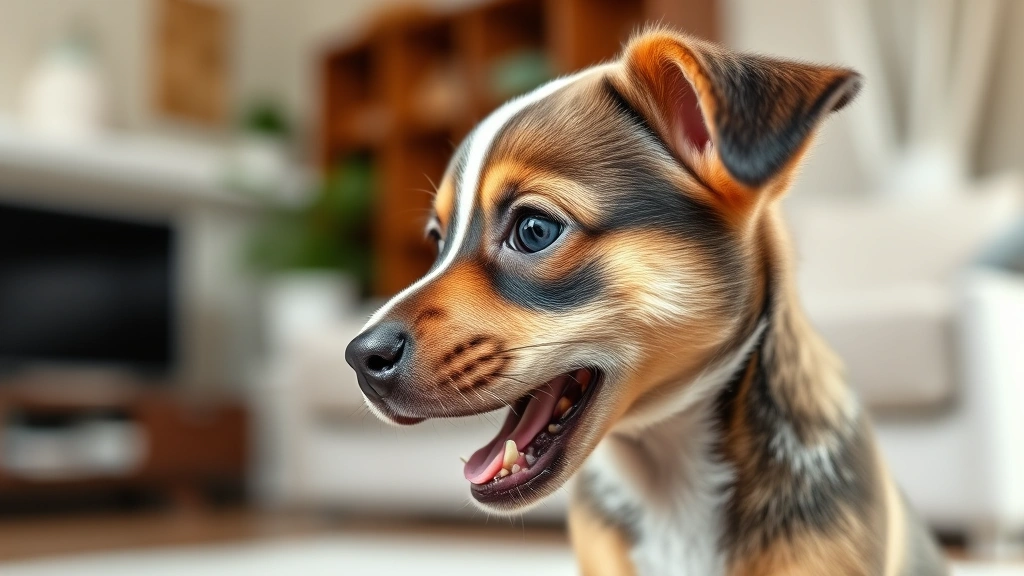
When you’re on the fence, that’s exactly when talking to a vet about puppy panting online makes sense. You get professional perspective without overreacting or waiting too long if something does need attention.
Common Causes of Puppy Panting Explained
Understanding why puppies pant helps you feel more confident about what you’re seeing. Here are the most common reasons:
Heat regulation: Puppies can’t sweat like humans, so panting is their main cooling system. This is especially true in warm weather or after play.
Excitement and stress: New experiences, loud noises, or separation anxiety can trigger rapid breathing. Puppies are emotional little creatures.
Pain or discomfort: Teething, ear infections, or other issues may cause panting as a stress response. Your puppy might be trying to tell you something hurts.
Respiratory concerns: Infections, allergies, or other breathing issues could be at play. A vet can rule these out quickly.
Heart conditions: While rare in puppies, some breeds are predisposed to heart issues that affect breathing. Your vet can assess this based on breed and symptoms.
Each cause has different solutions, which is why professional guidance matters. An online vet can help narrow down the most likely reason based on your puppy’s age, breed, and specific symptoms.
How to Prepare for Your Online Vet Consultation
Getting the most out of your virtual visit means being ready. A little prep work helps the vet give you better guidance.
Before your appointment, gather:
- Your puppy’s age and breed
- Recent medical history (vaccines, medications, past illnesses)
- When the panting started and how long it’s been happening
- Notes on what makes it better or worse
- Any other symptoms you’ve noticed (changes in appetite, energy, bathroom habits)
- A few clear photos or a short video of your puppy panting (if possible)
- Your puppy’s current diet and any recent food changes
Having this information ready lets the vet ask fewer clarifying questions and get to answers faster. It also shows you’re a thoughtful, engaged pet parent—and vets appreciate that.
The Role of Telehealth in Modern Pet Care
Telehealth has become a game-changer for pet owners who want quick, accessible care. It’s not meant to replace traditional vet visits entirely, but it fills a crucial gap for concerns that need fast professional input.
Services like virtual puppy vet appointments make it possible to get expert guidance without the barriers of scheduling, travel, or cost. For worried pet parents dealing with symptoms like panting, this access can be life-changing.
Veterinarians increasingly recognize telehealth’s value for initial assessments, follow-ups, and peace-of-mind consultations. If your puppy needs hands-on exams or diagnostics, your online vet can coordinate that seamlessly with a local clinic.
What If Your Puppy Needs In-Person Care?
Sometimes an online consultation reveals that your puppy needs a physical exam, bloodwork, or other in-person diagnostics. This isn’t a failure of telehealth—it’s exactly how the system should work.
A good online vet will be honest about the limits of what they can assess remotely. They’ll recommend in-person care when it’s needed and often help you find a trusted local vet. Many telehealth platforms integrate with veterinary networks, making referrals smooth.
The benefit? You’ve already gotten professional input, so you’re not starting from scratch. You know what to expect and what questions to ask when you arrive for your in-person visit.

Cost and Insurance Considerations
One reason pet owners love online vet consultations is affordability. Most telehealth visits cost between $30 and $75, significantly less than traditional office visits that often run $100–$300 or more.
Pet insurance coverage for telehealth varies by policy. Some plans cover virtual visits fully, while others don’t include them. It’s worth checking your policy or asking your insurance provider if you have coverage.
Even without insurance, the lower cost makes it easier to get professional input when you’re unsure about your puppy’s symptoms. That peace of mind is worth something, especially when you’re a new puppy parent.
Respiratory Issues and When to Seek Help
Panting is sometimes just panting, but it can also be a sign of respiratory infections or other breathing concerns. If your puppy’s panting is paired with coughing, sneezing, or nasal discharge, a vet should definitely take a look.
Puppies are social and curious, which means they’re exposed to lots of germs. Kennel cough, pneumonia, and other respiratory issues are more common in young dogs than you might think.
The good news? Most respiratory issues respond well to early treatment. Getting a quick online assessment helps catch problems before they become serious. If your puppy shows any signs of respiratory distress, don’t wait—book that virtual appointment today.
Building a Relationship With Your Online Vet
One concern some pet owners have about telehealth is the lack of continuity. But many online vet services let you connect with the same veterinarian for follow-ups, building a real relationship over time.
This matters because your vet gets to know your puppy’s baseline, personality, and health history. They recognize patterns and can give more personalized advice. Over time, you develop trust and confidence in their guidance.
Some pet owners use telehealth as their primary care channel and only visit a local vet for annual exams or emergencies. Others use it as a supplement to their regular vet. Both approaches work—it depends on your needs and comfort level.
Next Steps: What to Do About Your Panting Puppy
- Assess the urgency: If your puppy shows any of the red flags listed above (pale gums, difficulty breathing, collapse), call an emergency vet clinic immediately. Otherwise, proceed to the next step.
- Gather information: Spend 5 minutes jotting down when the panting started, what your puppy was doing, and any other symptoms you’ve noticed. Take a short video if possible.
- Book an online consultation: Visit The Pet Vet or another trusted telehealth platform to talk to a vet about puppy panting online. Most appointments are available within hours.
- Be ready to follow recommendations: Whether the vet suggests monitoring at home or scheduling an in-person visit, commit to the next step. Your puppy’s health depends on follow-through.
- Keep notes: Document any changes in your puppy’s panting or behavior over the next few days. This information is gold for your vet.
Summary: Your Puppy’s Panting Deserves Professional Input
Puppy panting can be scary when you’re not sure what it means. The good news is that professional help is just a few clicks away. Talking to a vet about puppy panting online gives you fast, affordable access to expert guidance without the stress of traditional vet visits.
Whether your puppy’s panting is totally normal or needs attention, an online vet can help you figure it out. You’ll get peace of mind, clear next steps, and professional reassurance—exactly what you need when you’re worried about your little one.
Don’t let uncertainty keep you up at night. Reach out to a telehealth vet today and get answers. Your puppy (and your peace of mind) will thank you.
Frequently Asked Questions
Can a vet diagnose my puppy’s panting through a video call?
An online vet can assess many causes of panting through observation and detailed questions, but some conditions require physical exams or bloodwork. They’ll let you know if in-person care is needed.
How quickly can I get an online vet appointment?
Most telehealth platforms offer appointments within 15 minutes to a few hours, depending on demand. It’s much faster than scheduling a traditional vet visit.
Is puppy panting always a sign of a health problem?
No. Puppies pant after exercise, when excited, or in warm weather—all completely normal. A vet can help you distinguish normal panting from something that needs attention.
What should I do if my puppy’s panting seems like an emergency?
If your puppy shows signs of severe distress, difficulty breathing, or collapse, call an emergency vet clinic immediately instead of waiting for an online appointment.
Will my vet insurance cover an online consultation?
Coverage varies by policy. Check your insurance documents or call your provider to confirm whether telehealth visits are included in your plan.
This article is for general education and is not a substitute for care from your own veterinarian. Learn about The Pet Vet and our editorial policy.